

Does hyperhidrosis affect GentleMax Pro Plus? What to know about results and aftercare.
Published -
Updated -

Author
Wi Young-jin · Chief director
Seoul National University College of Medicine · Seoul National University Hospital Specialist
→
If you've noticed that underarm sweat is getting in the way of laser hair removal plans, you're not alone. People with hyperhidrosis — excessive sweating that goes beyond normal temperature regulation — often ask whether the condition will interfere with their results or make treatments more complicated. In this article, we'll cover how sweat and hyperhidrosis interact with GentleMax Pro Plus laser hair removal, why removing hair isn't the same as treating excessive sweating, and what aftercare looks like when you sweat more than average. Read on.
What Is GentleMax Pro Plus?
GentleMax Pro Plus is a dual-wavelength laser system made by Candela. It combines an Alexandrite laser (755 nm) and an Nd:YAG laser (1064 nm) in one device. That combination means your provider can match the wavelength to your skin tone and hair type — Alexandrite works best on lighter skin with finer hair, while Nd:YAG reaches deeper follicles and suits darker skin tones.
One feature that matters specifically for underarm treatments is the built-in Dynamic Cooling Device (DCD). Before each pulse, the DCD sprays a burst of cryogen onto the skin surface, protecting the epidermis while the laser energy travels down to the follicle. Underarm skin is thin and prone to friction, so that cooling layer helps reduce discomfort and keeps downtime short.
Does Excess Sweat Affect Laser Hair Removal Results?
The short answer? Not significantly — but preparation matters.
GentleMax Pro Plus works by targeting melanin in hair follicles. The laser energy is absorbed by that pigment, converts to heat, and damages the follicle enough to disrupt regrowth. That process isn't directly disrupted by how much you sweat between sessions. According to the American Academy of Dermatology (aad.org/public/cosmetic/hair-removal/laser-hair-removal-overview), laser hair removal is suitable for a broad range of skin and hair types when performed correctly.
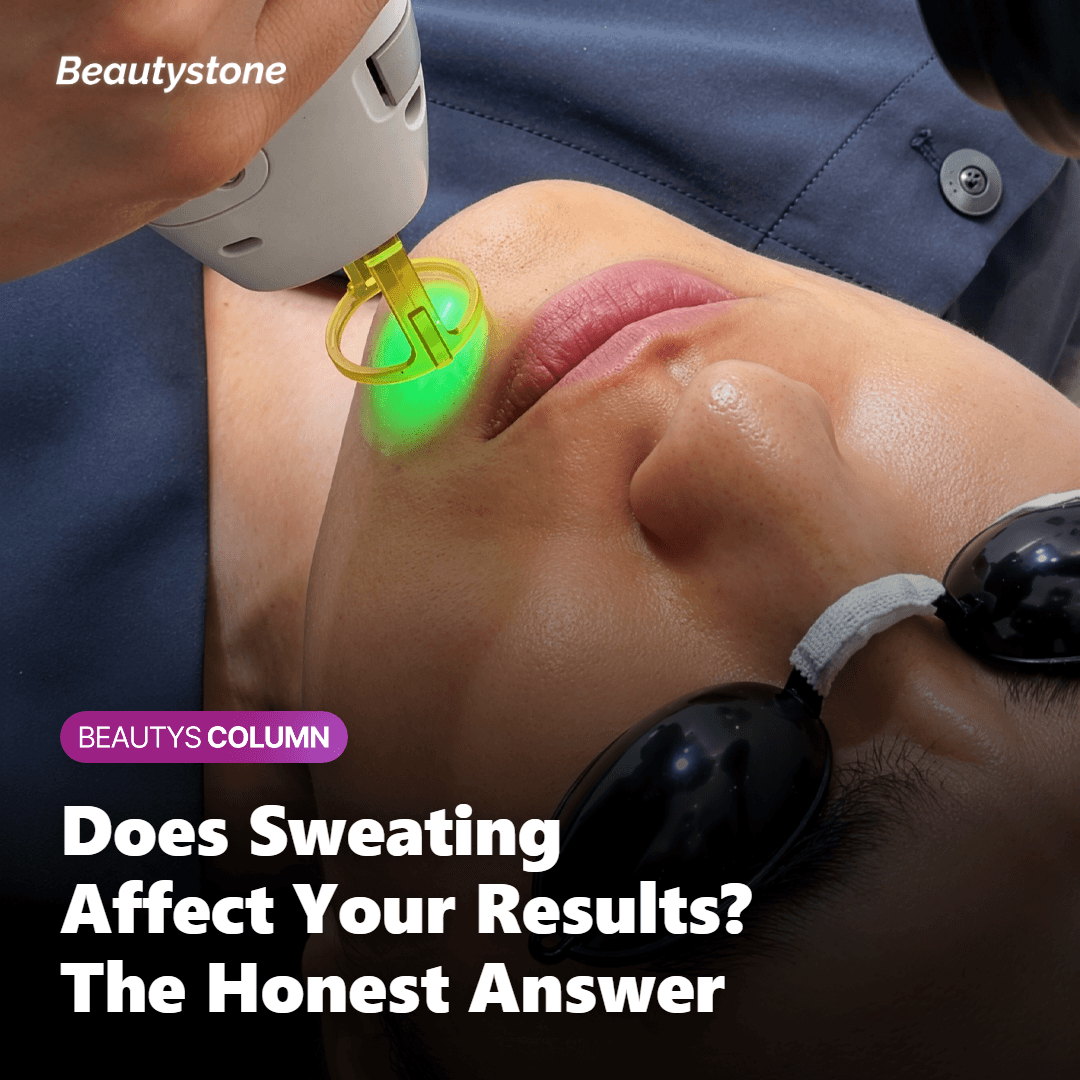
That said, sweat on the skin surface at the moment of treatment can cause some light scatter or reflection. It's a straightforward fix: the treatment area needs to be clean and fully dry before the laser fires. For people with hyperhidrosis, providers typically spend a little more time on that prep step — blotting and sometimes cooling the area — than they would for someone with average sweating.
Individual results vary, and your provider will adjust settings and prep for your specific situation. The key takeaway is that sweating between sessions doesn't reset your progress, and sweating heavily doesn't make you a poor candidate.
Hyperhidrosis vs. Laser Hair Removal: Different Problems, Different Fixes
This is one of the most common points of confusion, and it's worth being direct about: laser hair removal does not treat hyperhidrosis. Removing hair and stopping excessive sweating are entirely separate goals.
Hyperhidrosis is a condition involving overactive sweat glands, not hair follicles (DermNet, dermnetnz.org/topics/hyperhidrosis). GentleMax Pro Plus targets melanin in the hair follicle — it doesn't affect sweat gland function. After a full course of laser hair removal, you'll have significantly less hair, but your sweat glands will behave exactly as they did before.
If you're looking to actually reduce sweating, the American Academy of Dermatology outlines several evidence-based options (aad.org/public/diseases/a-z/hyperhidrosis-treatment):
Prescription antiperspirants: Aluminum chloride formulations are typically the first line of treatment.
Botox injections: Botulinum toxin injected into the underarm blocks the nerve signals that trigger sweat glands. Results typically last several months.
Iontophoresis: A low electrical current delivered through water reduces sweat gland activity — mainly used for hands and feet but sometimes adapted for underarms.
Oral medications and other interventions: Available for more severe cases; your provider can walk you through what fits your situation.
If both goals matter to you — less hair and less sweating — talk to your provider about tackling them together. They're compatible treatments, just not the same treatment.
Side Effects and Safety: What Sweaty Skin Means for Risk
GentleMax Pro Plus has a strong safety profile when performed by a trained provider, but it does come with potential side effects worth knowing upfront.
Common side effects include redness, mild swelling, and temporary tenderness — these typically settle within a few days. For people who sweat heavily, there's one extra consideration: moisture after treatment can raise the risk of folliculitis, a mild infection of the treated hair follicles. It's not serious when caught early, but it means post-session hygiene matters more for you than for someone with average sweating.
If redness, swelling, or any skin irritation worsens or spreads after your session, contact your provider right away.
You may not be a good candidate for treatment right now if you:
Are pregnant or breastfeeding
Have active inflammation, rash, or broken skin in the treatment area
Have recently had significant sun exposure or a sunburn in the area
Have a history of keloid scarring
Are taking medications that increase light sensitivity — let your provider know what you're on
Aftercare When You Sweat More Than Average
Post-treatment care is always important, but when you're prone to heavy sweating, the window where hygiene matters most is a bit wider. Here's what to keep in mind:
Day of treatment: Skip the gym and any activity that'll make you sweat. A lukewarm shower is fine — hot water isn't. Pat the area dry gently.
First 48–72 hours: Avoid vigorous exercise, hot environments like saunas or steam rooms, and tight clothing that traps moisture. Friction on treated underarm skin slows recovery.
Deodorant and antiperspirant: Wait until redness has fully settled, then choose fragrance-free, alcohol-free formulas to reduce the chance of irritation.
Fabric choice: Breathable fabrics — cotton or moisture-wicking materials — are more comfortable and help prevent the warm, damp conditions that can encourage folliculitis.
Most providers recommend checking in if you notice anything unusual. A quick message or call is always better than waiting to see if something resolves on its own.

The Bottom Line
Excessive underarm sweat doesn't block GentleMax Pro Plus from working — but the treatment area must be clean and dry at the time of each session.
Laser hair removal targets hair follicles, not sweat glands. It won't reduce how much you sweat, and hyperhidrosis requires a separate treatment approach.
Post-session hygiene is more important when you sweat heavily, particularly in the first 48–72 hours, to lower the small risk of folliculitis.
Individual results vary. A consultation is the best way to confirm whether GentleMax Pro Plus is the right fit for your skin type, hair, and situation.
Like any procedure, laser hair removal comes with trade-offs — and managing sweating afterward is a real part of the picture if hyperhidrosis is a factor for you. Ultimately, the choice depends on your goals, your skin, and what you're hoping to get out of treatment.
Beautystone is a dermatology clinic in Seoul's Hapjeong area. If you're considering GentleMax Pro Plus and want to understand how it applies to your specific situation, see current offers at /en/promotion.
Frequently asked questions
Q. Can I get laser hair removal if I have hyperhidrosis?
A. In most cases, yes. Hyperhidrosis doesn't make you ineligible for GentleMax Pro Plus laser hair removal. The main preparation difference is making sure the treatment area is completely dry before each session. Let your provider know about your hyperhidrosis so they can plan accordingly.
Q. Will laser hair removal reduce underarm sweating?
A. No. Laser hair removal targets hair follicles, not sweat glands. After completing a course of treatment, you'll have significantly reduced hair regrowth, but your sweat gland activity won't change. If you want to address excessive sweating, treatments like Botox injections or prescription antiperspirants are separate options worth discussing with your provider.
Q. How long does it take to see results from GentleMax Pro Plus on underarms?
A. Most people need between 6 and 8 sessions, spaced 4 to 8 weeks apart, for meaningful long-term hair reduction. You'll typically notice shedding of treated hairs in the weeks after each session. Individual results vary based on hair color, thickness, and skin tone — your provider can give a more specific estimate based on your situation.
Q. Does sweating after laser hair removal cause any problems?
A. Heavy sweating right after treatment can slightly raise the risk of folliculitis — a mild irritation of the treated follicles. Keeping the area clean and dry for the first 48 to 72 hours, avoiding tight clothing, and skipping intense exercise during that window all help minimize the risk. If you notice spreading redness or worsening irritation, contact your provider right away.


Hair Removal
레이저 제모 1회에도 남는 몫이 있어요 — 밀도를 모자이크로 보는 법

Tattoo removal
Why Extremity Tattoos Are Slower to Remove

Tattoo removal
Tattoo Removal Cost: Why Quotes Vary by Area

Tattoo removal
Unused Tattoo Removal Sessions: What Happens?

Lifting
Forehead Thread Lifting: How Far Can It Go?

skin
Skin Booster Prices: What to Check in a Quote