ULTHERAPY PRIME
ULTHERAPY PRIME
Ultherapy Prime
Ultherapy Prime
We start with your facial structure.
Where to treat and where to leave alone comes next.
We start with your facial structure.
Where to treat and where to leave alone comes next.
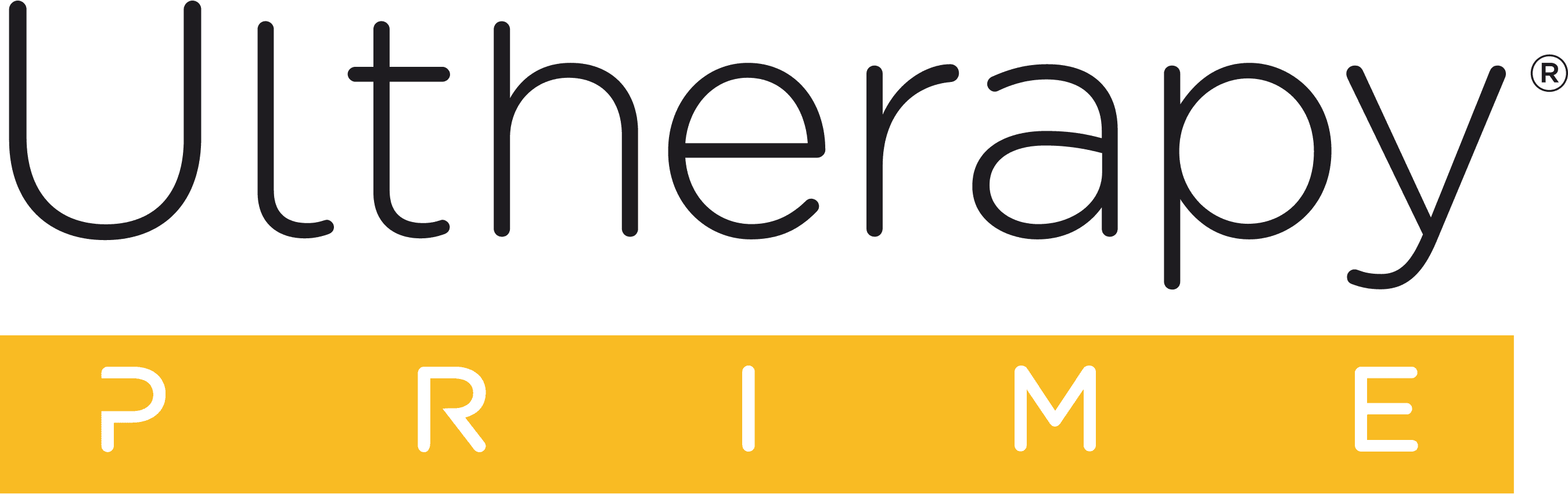
Checked first with ultrasound,
then marked before Ultherapy Prime begins.
Checked first with ultrasound,
then marked before Ultherapy Prime begins.
Checked first with ultrasound,
then marked before Ultherapy Prime begins.
At Beautystone Clinic in Hapjeong, Ultherapy Prime begins with an ALPINION diagnostic ultrasound to check the position and thickness of the skin, subcutaneous fat and SMAS. We transfer those findings into design markings before treatment. The same doctor handles the consultation, the marking and the treatment, and when it is finished we show you the number of shots used.
Areas that are already hollow are marked separately so that we take care not to deliver energy there. Shot count and depth are decided for each person based on tissue thickness and the degree of sagging.
Ultherapy Prime is an ultrasound lifting device that uses DeepSEE real-time imaging to check contact and treatment depth during the procedure.
At Beautystone Clinic in Hapjeong, Ultherapy Prime begins with an ALPINION diagnostic ultrasound to check the position and thickness of the skin, subcutaneous fat and SMAS. We transfer those findings into design markings before treatment. The same doctor handles the consultation, the marking and the treatment, and when it is finished we show you the number of shots used.
Areas that are already hollow are marked separately so that we take care not to deliver energy there. Shot count and depth are decided for each person based on tissue thickness and the degree of sagging.
Ultherapy Prime is an ultrasound lifting device that uses DeepSEE real-time imaging to check contact and treatment depth during the procedure.
At Beautystone Clinic in Hapjeong, Ultherapy Prime begins with an ALPINION diagnostic ultrasound to check the position and thickness of the skin, subcutaneous fat and SMAS. We transfer those findings into design markings before treatment. The same doctor handles the consultation, the marking and the treatment, and when it is finished we show you the number of shots used.
Areas that are already hollow are marked separately so that we take care not to deliver energy there. Shot count and depth are decided for each person based on tissue thickness and the degree of sagging.
Ultherapy Prime is an ultrasound lifting device that uses DeepSEE real-time imaging to check contact and treatment depth during the procedure.
Four things we are often asked in consultations.
Four things we are often asked in consultations.
Four things we are often asked in consultations.
Does the doctor do it personally?
Does the doctor do it personally?
Yes. At Beautystone Clinic, the doctor personally handles the consultation, design marking and treatment for Ultherapy Prime. The doctor who examined your face draws the lines and delivers the energy based on that same assessment.
Yes. At Beautystone Clinic, the doctor personally handles the consultation, design marking and treatment for Ultherapy Prime. The doctor who examined your face draws the lines and delivers the energy based on that same assessment.
See for yourself how many shots were used.
See for yourself how many shots were used.
When the treatment is finished, we show you the screen displaying the shots used on the genuine transducer tip before we wrap up. We also go over the ultrasound images with you.
When the treatment is finished, we show you the screen displaying the shots used on the genuine transducer tip before we wrap up. We also go over the ultrasound images with you.
Worried it will hurt?
Worried it will hurt?
For Ultherapy Prime, Beautystone can use injectable local anesthesia, and if you prefer, we can apply numbing cream for a longer time before starting. Discomfort varies from person to person, so if pain worries you, please tell us first during your consultation.
For Ultherapy Prime, Beautystone can use injectable local anesthesia, and if you prefer, we can apply numbing cream for a longer time before starting. Discomfort varies from person to person, so if pain worries you, please tell us first during your consultation.
How much Ultherapy do we perform?
How much Ultherapy do we perform?
In December 2025, Beautystone Clinic performed 150 Ultherapy treatments totaling 36,370 shots (based on clinical records). Even so, each person's shot count is decided separately after looking at their face on the day.
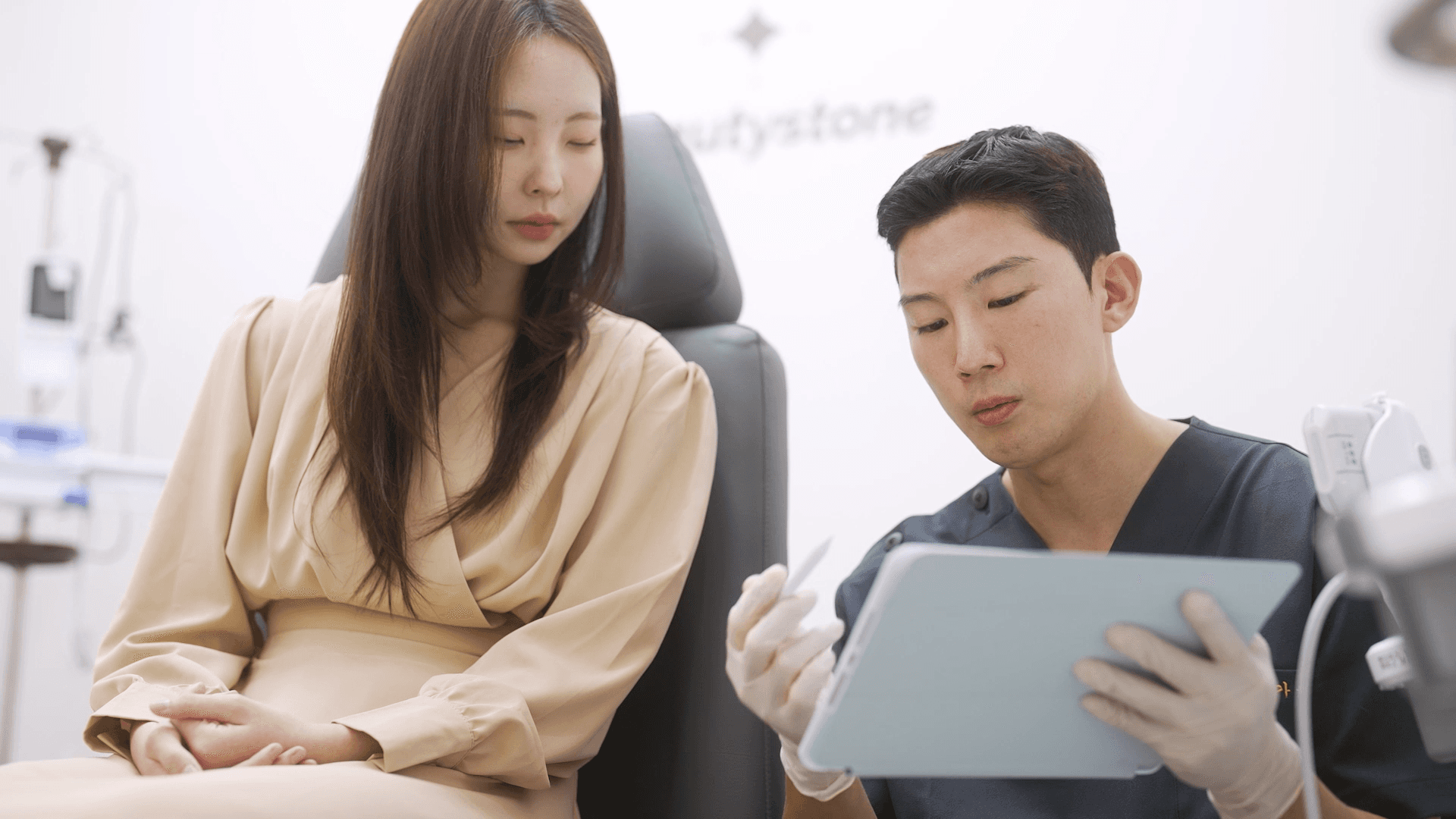
Same device, a different plan for every face.
Same device, a different plan for every face.
Same device, a different plan for every face.

Facial structure comes before shot count. We check the thickness of the skin and subcutaneous fat, and mark areas that are already hollow so that we take care not to send energy there.
Facial structure comes before shot count. We check the thickness of the skin and subcutaneous fat, and mark areas that are already hollow so that we take care not to send energy there.
Facial structure comes before shot count. We check the thickness of the skin and subcutaneous fat, and mark areas that are already hollow so that we take care not to send energy there.

For Ultherapy, we check even these details.
For Ultherapy,
we check even these details.
For Ultherapy, we check even these details.
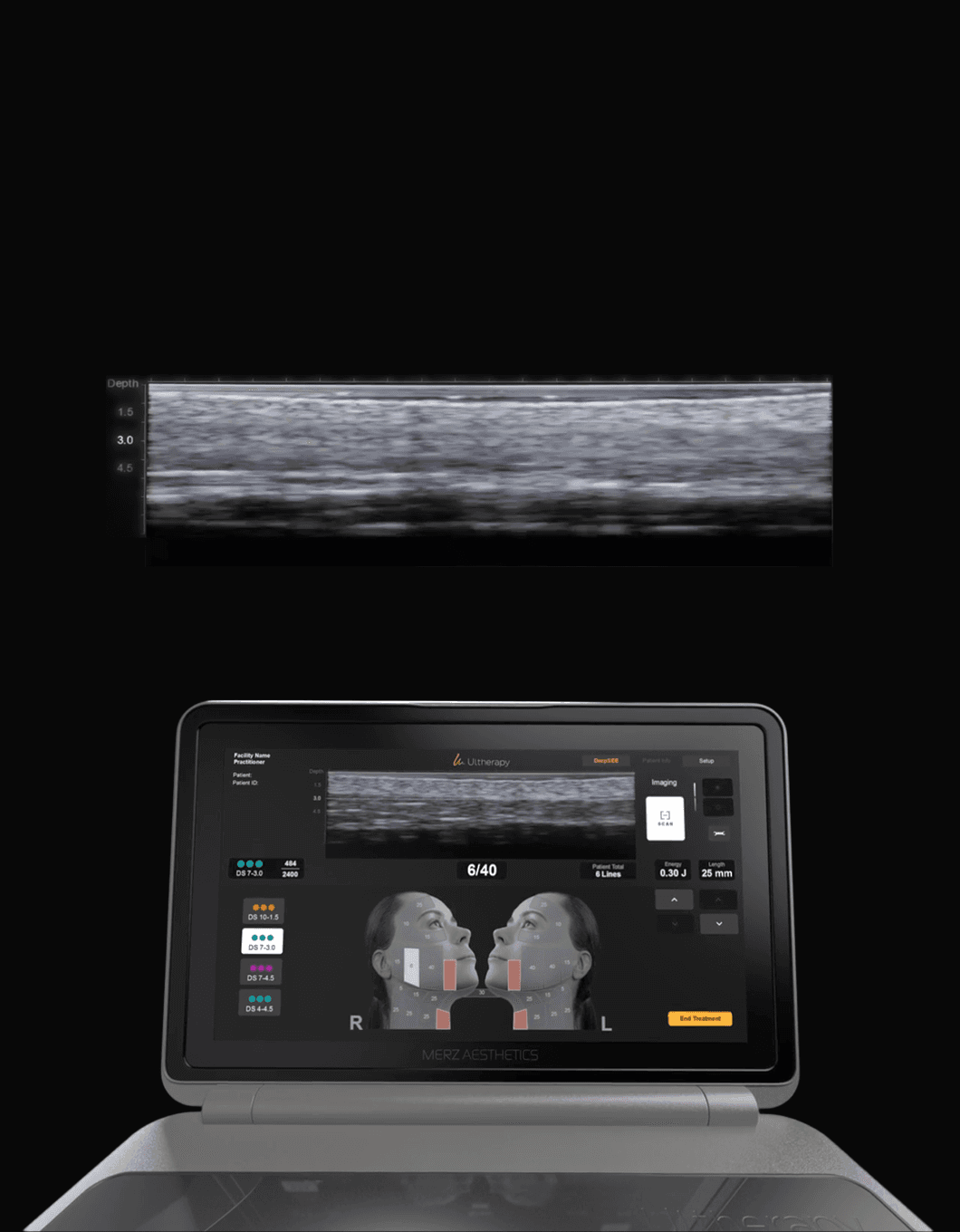

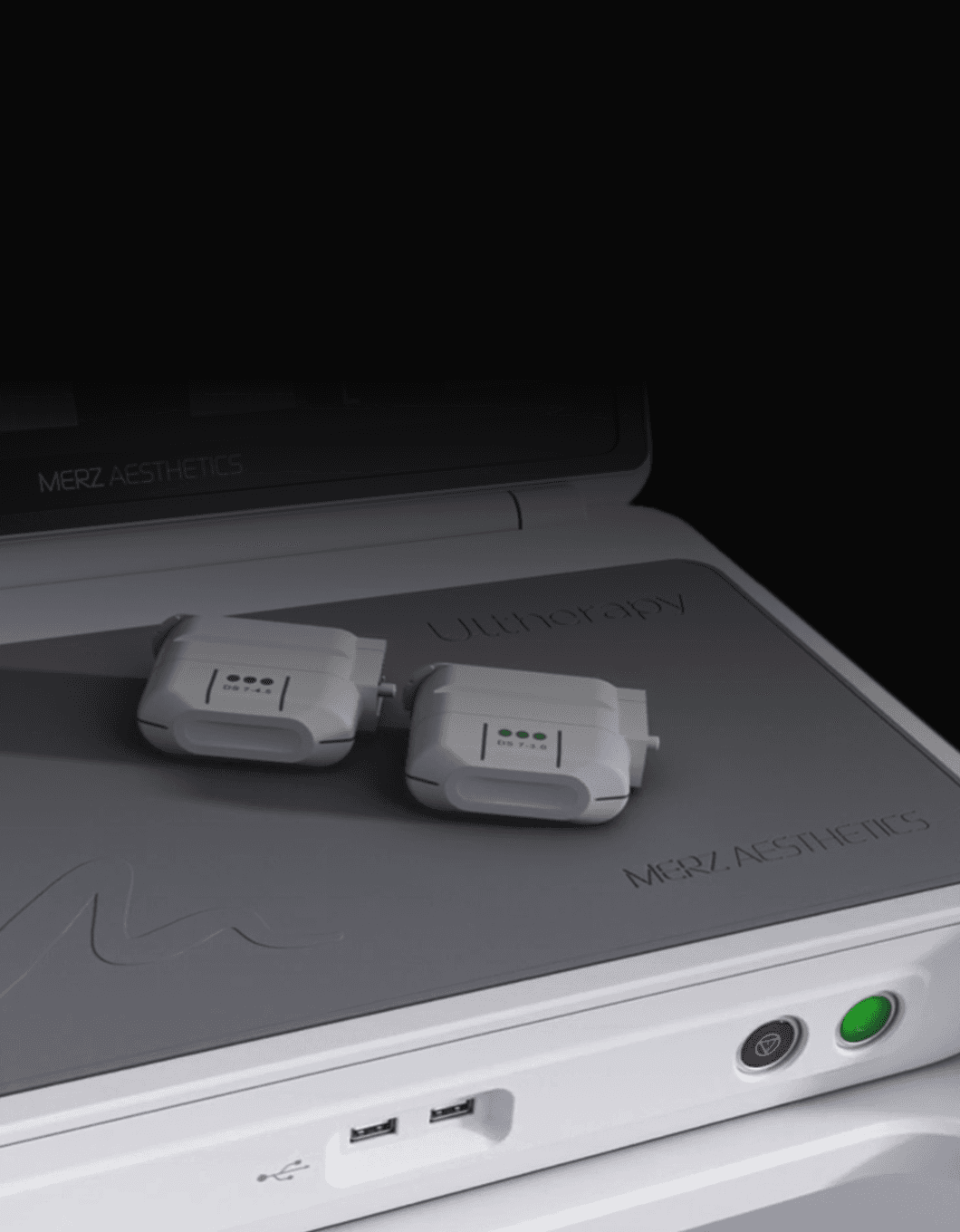
ALPINION before treatment, DeepSEE during treatment.
Ultherapy PRIME's DeepSEE provides real-time imaging during treatment to check transducer contact and treatment depth. When clinically indicated, Beautystone uses its two ALPINION high-resolution diagnostic ultrasound systems according to their different roles to examine the position and depth of the skin, subcutaneous fat, and SMAS, then uses those findings to inform treatment markings and treatment-area planning. The systems serve different purposes, and their use is determined after an in-person examination.
Ultherapy PRIME's DeepSEE provides real-time imaging during treatment to check transducer contact and treatment depth. When clinically indicated, Beautystone uses its two ALPINION high-resolution diagnostic ultrasound systems according to their different roles to examine the position and depth of the skin, subcutaneous fat, and SMAS, then uses those findings to inform treatment markings and treatment-area planning. The systems serve different purposes, and their use is determined after an in-person examination.
Ultherapy PRIME's DeepSEE provides real-time imaging during treatment to check transducer contact and treatment depth. When clinically indicated, Beautystone uses its two ALPINION high-resolution diagnostic ultrasound systems according to their different roles to examine the position and depth of the skin, subcutaneous fat, and SMAS, then uses those findings to inform treatment markings and treatment-area planning. The systems serve different purposes, and their use is determined after an in-person examination.
Skin-layer assessment with ALPINION ultrasound
Choose a tip that fits your thickness
Custom design by gender and area
ALPINION
Select custom tip
1:1 Custom Design
Skin-layer assessment with ALPINION ultrasound
Choose a tip that fits your thickness
Custom design by gender and area
Design Ultherapy
Design Ultherapy
Design Ultherapy
Before we treat, we draw.
We look at layers and thickness,
and start with marking.
Before we treat, we draw.
Get the key points at a glance.
Get the key points at a glance.
Get the key points at a glance.
Procedure time
Procedure time
About 30 to 60 minutes
About 30 to 60 minutes
About 30 to 60 minutes
Treatment interval
Treatment interval
6 to 12 months
6 to 12 months
6 to 12 months
How long it lasts (varies by person)
How long it lasts (varies by person)
About 1 year
or longer
About 1 year
or longer
About 1 year
or longer
Firming Lifting
Firming Lifting
By contracting the SMAS layer
Refining facial contours
By contracting the SMAS layer
Refining facial contours
Improving skin density
Improving skin density
Elastic fibers
Induction of regeneration
Elastic fibers
Induction of regeneration
Elastic fibers
Induction of regeneration
Care with cheek hollowing
Care with cheek hollowing
Hollow areas are marked
and avoided
Hollow areas are marked
and avoided
Deep cheek area: how many shots?
Deep cheek area: how many shots?
Deep cheek area: how many shots?
For the deep cheek area alone, Beautystone's clinical standard starts at 300 shots. The count goes up when more areas are treated or when sagging is significant.
For the deep cheek area alone, Beautystone's clinical standard starts at 300 shots. The count goes up when more areas are treated or when sagging is significant.
Case
Beautystone clinical standard
Deep cheek area
Deep cheek area
300 shots (baseline)
300 shots (baseline)
Deep cheek, significant sagging
Deep cheek, significant sagging
450 shots may be recommended
450 shots may be recommended
Significant sagging
Significant sagging
About 1.5× the shots may be needed
About 1.5× the shots may be needed
More treatment areas
More treatment areas
Increases with the number of areas
Increases with the number of areas
This is Beautystone's clinical standard, not a general manufacturer guideline. The final shot count and depth are decided by the doctor after an examination and an ultrasound check of your structure.
This is Beautystone's clinical standard, not a general manufacturer guideline. The final shot count and depth are decided by the doctor after an examination and an ultrasound check of your structure.
Recommended area
Recommended area
Recommended area
Precisely where needed.
Precisely where needed.
Precisely where needed.
eyebrows
clown
jawline
double chin
Buccal fat line
Areas where the procedure is not recommended

eyebrows
clown
jawline
double chin
Buccal fat line
Areas where the procedure is not recommended
eyebrows
clown
jawline
double chin
Buccal fat line
Areas where the procedure is not recommended
From consultation to marking,
step by step.
From consultation to marking,
step by step.
From consultation to marking,
step by step.
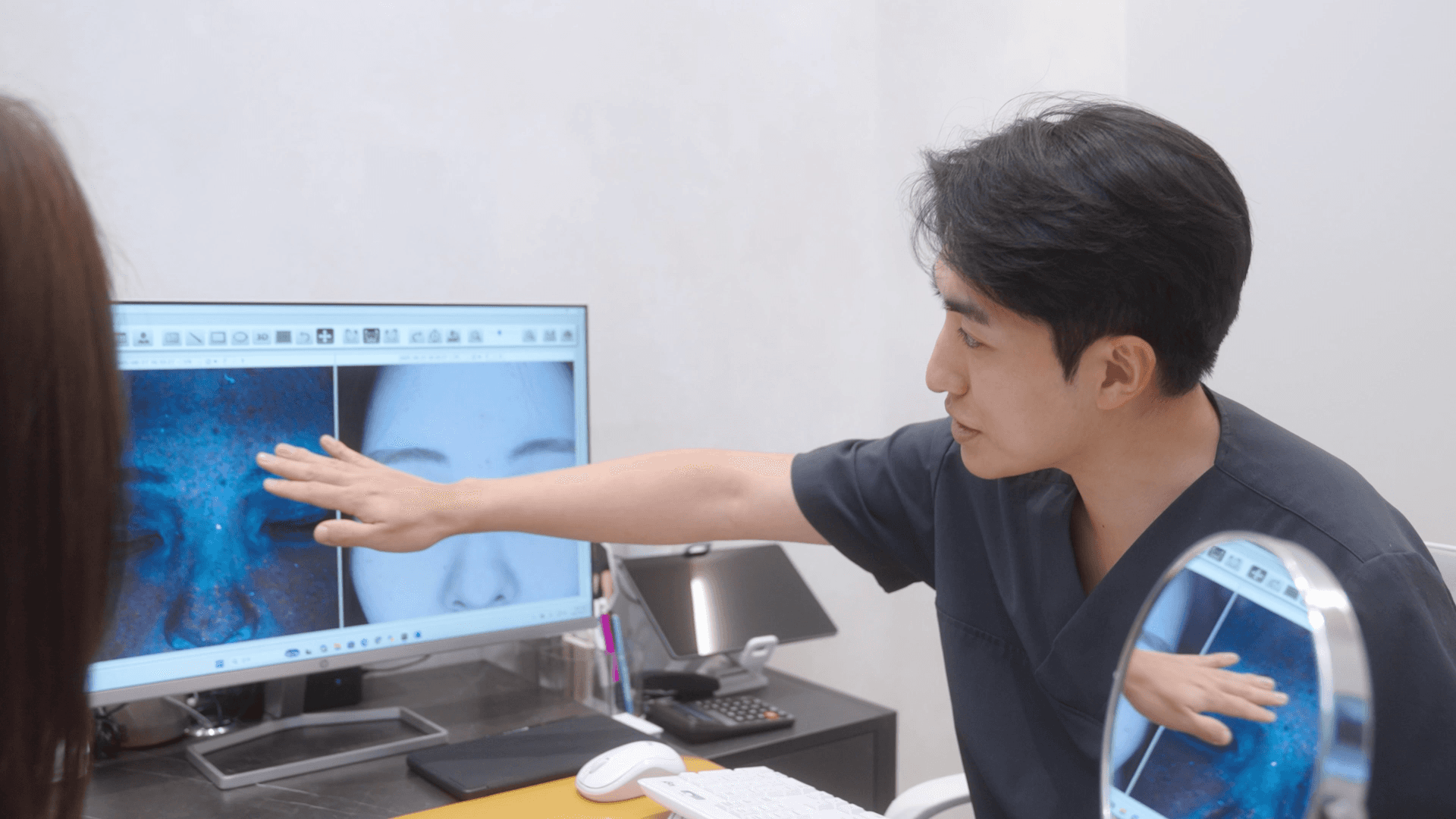
STEP 1. Assess layers and thickness with ALPINION ultrasound
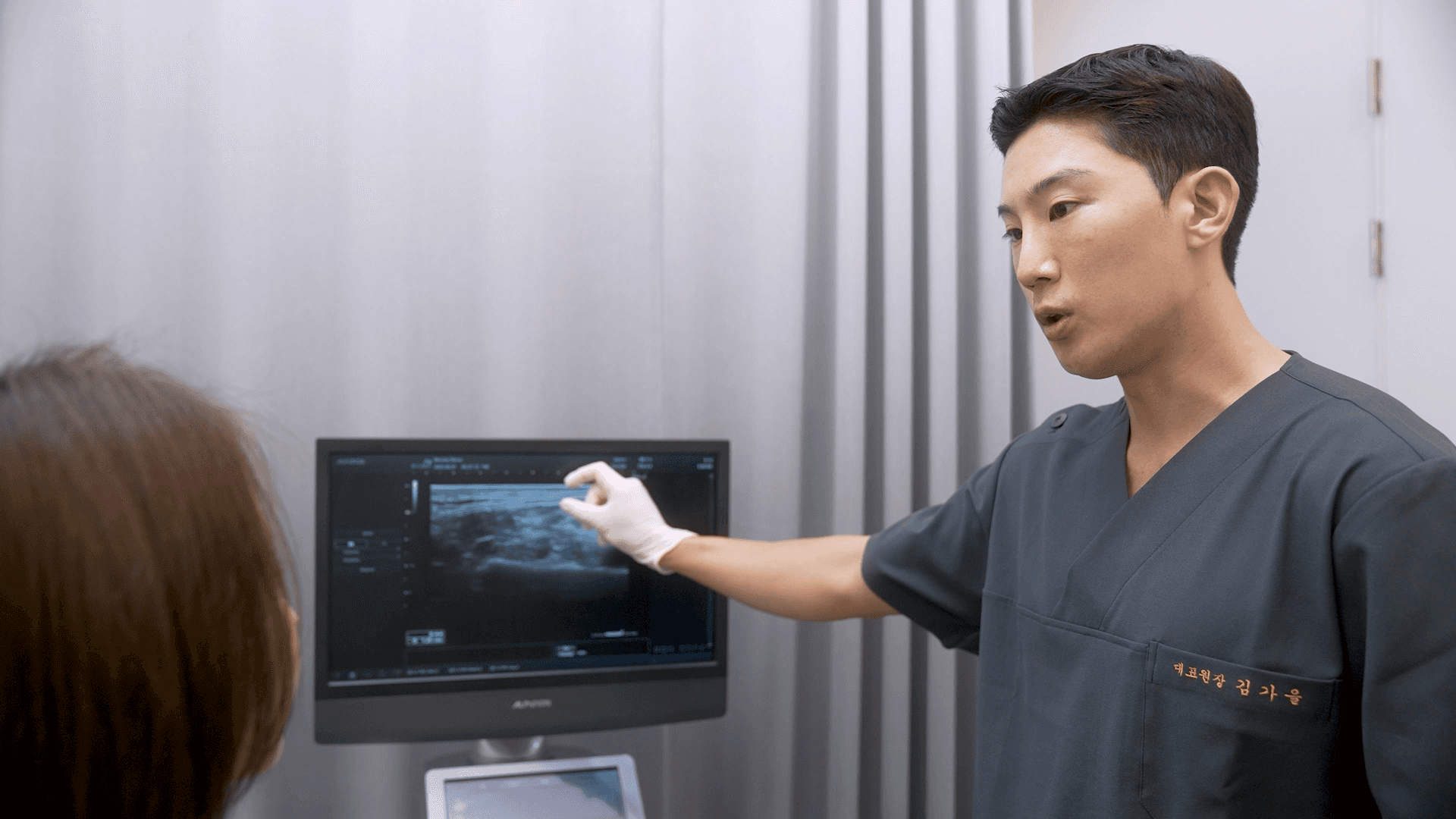
STEP 2. Mark the findings, then recheck with DeepSEE
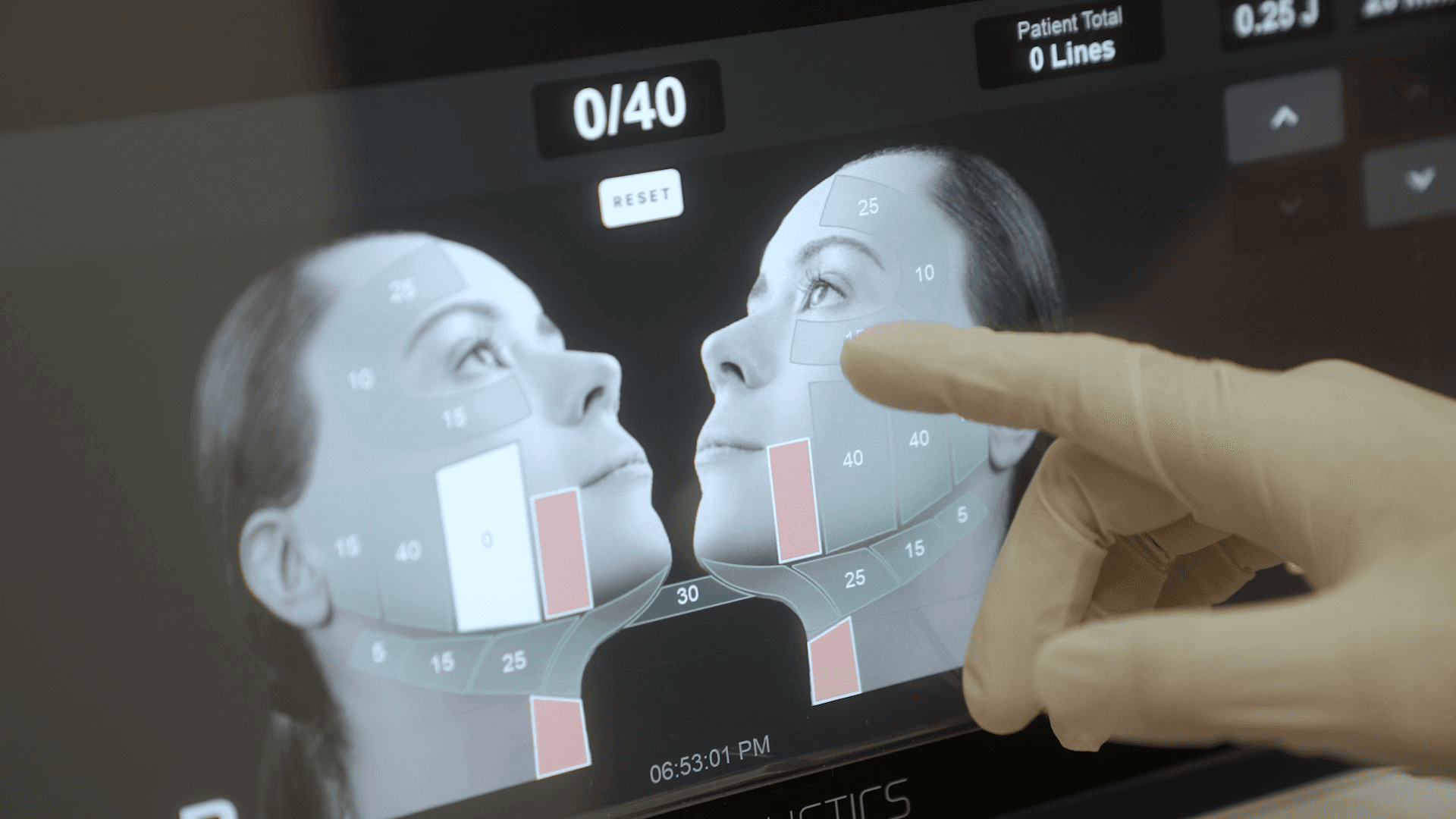
STEP 3. Area-specific depth settings (3.0/4.5 mm)
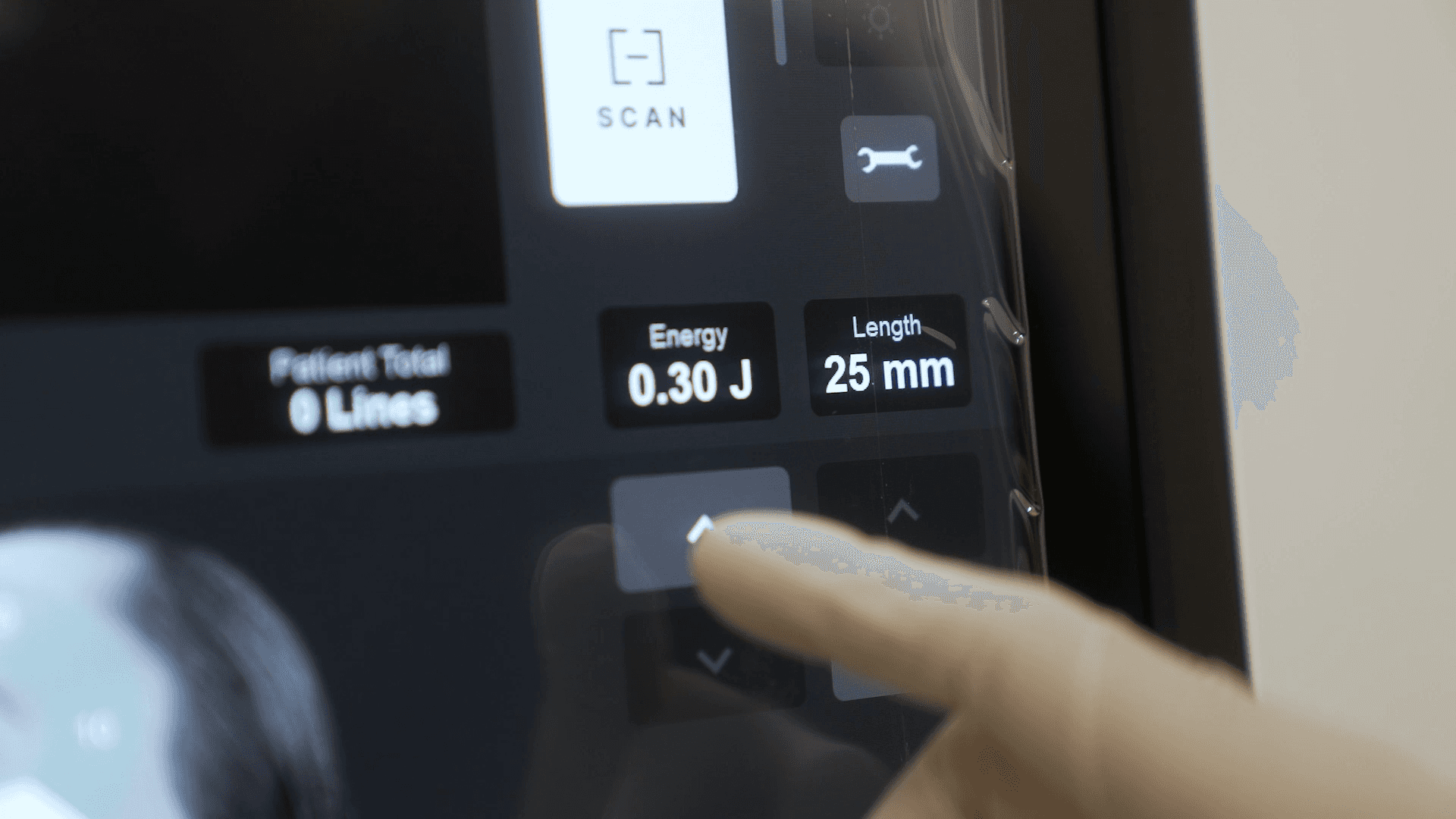
STEP 4. Detailed Inspection & Energy Allocation
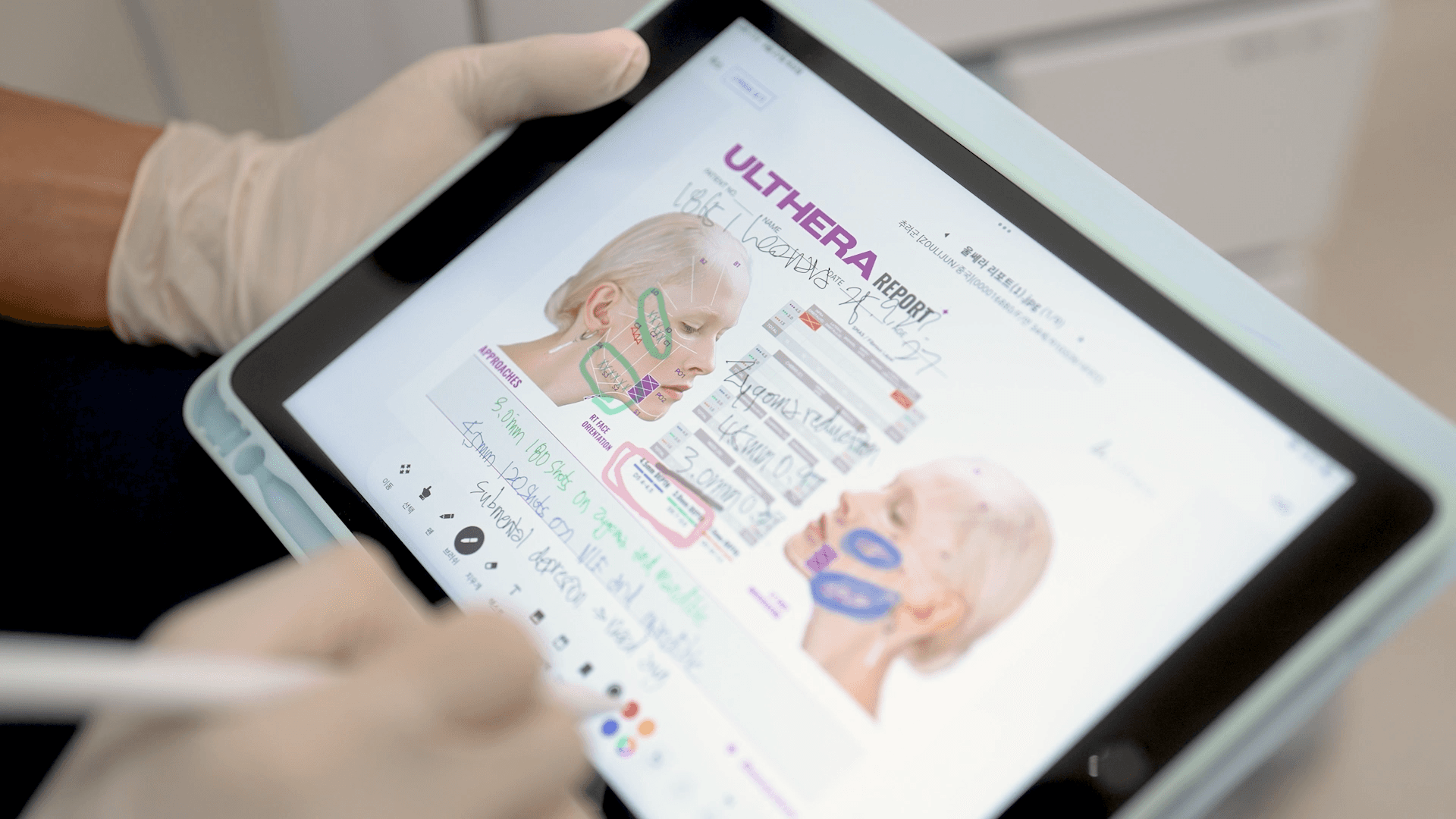
STEP 5. Report Writing and Final Sedation Management
STEP 1. Assess layers and thickness with ALPINION ultrasound
STEP 2. Mark the findings, then recheck with DeepSEE
STEP 3. Area-specific depth settings (3.0/4.5 mm)
STEP 4. Detailed Inspection & Energy Allocation
STEP 5. Report Writing and Final Sedation Management
STEP 1. Assess layers and thickness with ALPINION ultrasound
STEP 2. Mark the findings, then recheck with DeepSEE
STEP 3. Area-specific depth settings (3.0/4.5 mm)
STEP 4. Detailed Inspection & Energy Allocation
STEP 5. Report Writing and Final Sedation Management
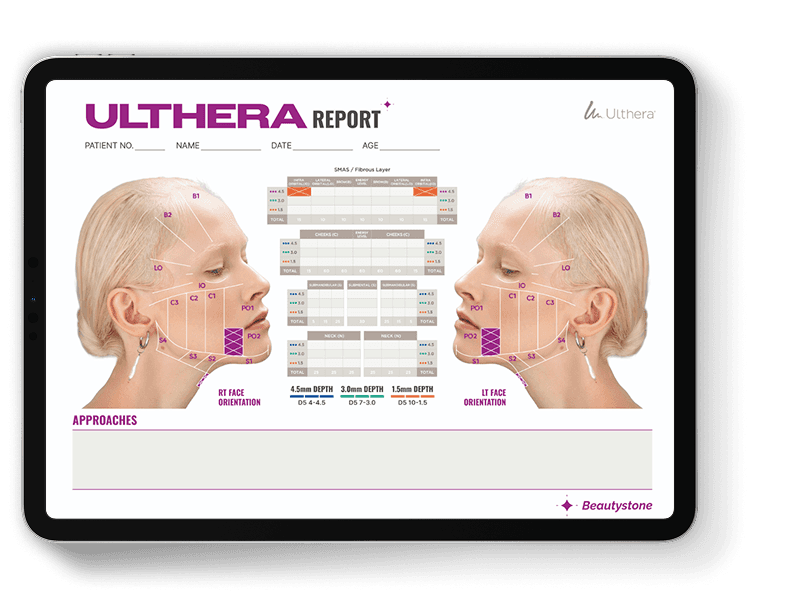
We document ultrasound findings in a report
We document ultrasound findings in a report
We document ultrasound findings in a report
We use ALPINION ultrasound and prepare an ultrasound report.
We use ALPINION ultrasound and prepare an ultrasound report.
At Beautystone, we use ALPINION ultrasound to examine the structures beneath the skin as part of our Ultherapy consultation.
At Beautystone, we use ALPINION ultrasound to examine the structures beneath the skin as part of our Ultherapy consultation.
At Beautystone, we use ALPINION ultrasound to examine the structures beneath the skin as part of our Ultherapy consultation.
We document the findings in an ultrasound report, combining the ultrasound examination with a written record of the consultation.
We document the findings in an ultrasound report, combining the ultrasound examination with a written record of the consultation.
We document the findings in an ultrasound report, combining the ultrasound examination with a written record of the consultation.
We consider the ultrasound findings, your skin condition and the areas that concern you when planning your treatment.
We consider the ultrasound findings, your skin condition and the areas that concern you when planning your treatment.
We consider the ultrasound findings, your skin condition and the areas that concern you when planning your treatment.
Examine structures with ALPINION ultrasound
Examine structures with ALPINION ultrasound
Prepare an ultrasound report
Prepare an ultrasound report
Plan treatment based on individual findings
Plan treatment based on individual findings
Recommended for people like these.
Recommended for people like these.
Recommended for people like these.
Those whose facial contours are sagging and losing firmness
Those whose facial contours are sagging and losing firmness
For those who are hesitant about thread lifting
For those who are hesitant about thread lifting
Those worried about cheek hollowing who want a careful approach to lifting
Those worried about cheek hollowing who want a careful approach to lifting
People concerned about prominent cheekbones
People concerned about prominent cheekbones
For those with reduced elasticity around the eye and temple areas
For those with reduced elasticity around the eye and temple areas
Those who want one doctor from consultation to treatment
Those who want one doctor from consultation to treatment
Those who want to see the shot count for themselves
Those who want to see the shot count for themselves
All questions before the procedure
Even the smallest worries.
All questions before the procedure
Even the smallest worries.
All your questions before the procedure
even the smallest worries.
Q.
Is Ultherapy PRIME suitable if I have little facial fat or existing hollow areas?
Having little facial fat or existing hollowing does not by itself determine whether Ultherapy PRIME is suitable. The physician assesses the location of laxity, facial anatomy, and the thickness of the skin and subcutaneous fat, and considers the expected improvement together with the possibility of volume change. Fat or volume loss has been reported during post-market use of the Ulthera System, so suitability and the treatment area are determined individually after an in-person examination.
Q.
How long can pain, swelling, tenderness, or changes in sensation last after Ultherapy?
After face and neck treatment, redness usually improves within hours and swelling within 3–72 hours. Post-treatment discomfort may last 2 hours to 2 days, while tenderness or bruising may last 2 days to 2 weeks. In clinical studies, temporary nerve-related symptoms such as reduced sensation, tingling, or localized muscle weakness generally resolved within 2–6 weeks, although post-market cases lasting several months have been reported. Contact a medical provider immediately if symptoms are severe or continue to worsen, or if you develop muscle weakness, difficulty speaking, or vision changes.
Q.
How are the number of lines and the treatment area decided?
The shot count depends on how many areas are treated and how much sagging there is. Under Beautystone's clinical standard, one area means one area of concern — the deep cheek, the support area around the nasolabial folds, the cheekbone area or the jawline — and treating two areas can bring the total to about twice as many shots. For example, the deep cheek area starts at 300 shots, and when sagging is significant, about 1.5 times that, 450 shots, may be recommended. This is Beautystone's clinical standard and differs from general manufacturer guidance. The doctor decides the final shot count and depth after looking at skin and subcutaneous-fat thickness and the structure confirmed by ultrasound.
Q.
How is Ultherapy PRIME different from Shurink and Thermage?
Ultherapy PRIME is an ultrasound lifting treatment that uses real-time ultrasound imaging to view the skin and subcutaneous tissue and to plan treatment depths targeting the deep dermis and fibromuscular layer. It differs from other HIFU devices such as Shurink in device characteristics and treatment method, while Thermage FLX uses monopolar radiofrequency to support overall dermal tightening. Rather than assuming one option is best for everyone, the choice is based on the location of laxity, skin thickness, fat volume, and the desired change.
Q.
Who may consider Ultherapy PRIME, and is age the deciding factor?
Actual laxity and skin condition matter more than a specific age. Adults with mild-to-moderate laxity in locally authorized treatment areas, such as the brow, under the chin, or neck, may consider it when seeking a non-surgical improvement. It should not be recommended solely because someone is over 26 or in their 30s, or routinely for prevention. The physician determines suitability after assessing medical history, skin condition, and expectations.
Q.
Is Ultherapy PRIME suitable if I have little facial fat or existing hollow areas?
Having little facial fat or existing hollowing does not by itself determine whether Ultherapy PRIME is suitable. The physician assesses the location of laxity, facial anatomy, and the thickness of the skin and subcutaneous fat, and considers the expected improvement together with the possibility of volume change. Fat or volume loss has been reported during post-market use of the Ulthera System, so suitability and the treatment area are determined individually after an in-person examination.
Q.
How long can pain, swelling, tenderness, or changes in sensation last after Ultherapy?
After face and neck treatment, redness usually improves within hours and swelling within 3–72 hours. Post-treatment discomfort may last 2 hours to 2 days, while tenderness or bruising may last 2 days to 2 weeks. In clinical studies, temporary nerve-related symptoms such as reduced sensation, tingling, or localized muscle weakness generally resolved within 2–6 weeks, although post-market cases lasting several months have been reported. Contact a medical provider immediately if symptoms are severe or continue to worsen, or if you develop muscle weakness, difficulty speaking, or vision changes.
Q.
How are the number of lines and the treatment area decided?
The shot count depends on how many areas are treated and how much sagging there is. Under Beautystone's clinical standard, one area means one area of concern — the deep cheek, the support area around the nasolabial folds, the cheekbone area or the jawline — and treating two areas can bring the total to about twice as many shots. For example, the deep cheek area starts at 300 shots, and when sagging is significant, about 1.5 times that, 450 shots, may be recommended. This is Beautystone's clinical standard and differs from general manufacturer guidance. The doctor decides the final shot count and depth after looking at skin and subcutaneous-fat thickness and the structure confirmed by ultrasound.
Q.
How is Ultherapy PRIME different from Shurink and Thermage?
Ultherapy PRIME is an ultrasound lifting treatment that uses real-time ultrasound imaging to view the skin and subcutaneous tissue and to plan treatment depths targeting the deep dermis and fibromuscular layer. It differs from other HIFU devices such as Shurink in device characteristics and treatment method, while Thermage FLX uses monopolar radiofrequency to support overall dermal tightening. Rather than assuming one option is best for everyone, the choice is based on the location of laxity, skin thickness, fat volume, and the desired change.
Q.
Who may consider Ultherapy PRIME, and is age the deciding factor?
Actual laxity and skin condition matter more than a specific age. Adults with mild-to-moderate laxity in locally authorized treatment areas, such as the brow, under the chin, or neck, may consider it when seeking a non-surgical improvement. It should not be recommended solely because someone is over 26 or in their 30s, or routinely for prevention. The physician determines suitability after assessing medical history, skin condition, and expectations.
Q.
What does ultrasound imaging check during treatment planning?
Ultherapy PRIME's DeepSEE technology provides real-time imaging of the dermal and subdermal layers up to 8 mm below the skin surface. It is used to confirm proper contact between the transducer and the skin and whether the treatment depth is appropriate. The treatment depth itself is 1.5 mm, 3.0 mm, or 4.5 mm depending on the transducer; 8 mm is the imaging depth, not the treatment depth. The imaging supports the physician's judgment but does not automatically identify every structure at risk or guarantee safety.
Q.
When do Ultherapy results appear, and how long can they last?
Some people may notice an initial change soon after treatment, but the main change develops gradually over two to three months as new collagen and elastin form. Results after facial treatment may last about a year or longer, although this varies by person. Laxity may become noticeable again over time because natural skin aging continues. Any maintenance plan is decided after reassessing the current condition.
Q.
Can Ultherapy be combined with Thermage, botulinum toxin, or fillers?
They may be planned together, but performing every treatment on the same area on the same day is not the default. The manufacturer's instructions do not recommend treating directly over dermal filler, so tell the physician the product, area, and date of any previous filler treatment. Ultrasound, radiofrequency, botulinum toxin, and fillers target different layers and have different recovery considerations. The physician sets the order and interval after deciding whether laxity, wrinkles, or volume is the first priority.
Q.
Which areas can be treated besides the face?
According to the U.S. manufacturer's instructions for use, the Ulthera System is indicated to lift the brow and lax tissue beneath the chin and on the neck, improve lines and wrinkles on the décolleté, and improve the appearance of skin laxity on the abdomen, the front and back of the arms, and the knees. Authorized indications may differ by country, and consultation on this page mainly concerns the facial contour and under-chin area. Terms such as deep cheek, nasolabial fold, or cheekbone describe a concern zone; they do not mean energy is automatically delivered directly to that point. The physician determines the treatment area after considering the anatomy and locally authorized indications.
Q.
What medical conditions, medications, and previous procedures should I disclose before treatment?
Tell your physician about previous filler injections, thread lifts, surgery, laser, radiofrequency, or ultrasound treatments, and any metal, electronic, or mechanical implant in the treatment area. Also disclose open wounds or lesions, severe inflammatory or cystic acne, a pacemaker or implanted defibrillator, every medication you take including anticoagulants, pregnancy or breastfeeding, bleeding or clotting disorders, active skin disease or herpes simplex, autoimmune disease, diabetes, epilepsy, Bell's palsy, keloids, and allergies. This list includes contraindications, precautions, and conditions that have not been adequately evaluated by the manufacturer; not every item automatically means treatment is prohibited. The physician makes the final decision after examination.
Q.
What does ultrasound imaging check during treatment planning?
Ultherapy PRIME's DeepSEE technology provides real-time imaging of the dermal and subdermal layers up to 8 mm below the skin surface. It is used to confirm proper contact between the transducer and the skin and whether the treatment depth is appropriate. The treatment depth itself is 1.5 mm, 3.0 mm, or 4.5 mm depending on the transducer; 8 mm is the imaging depth, not the treatment depth. The imaging supports the physician's judgment but does not automatically identify every structure at risk or guarantee safety.
Q.
When do Ultherapy results appear, and how long can they last?
Some people may notice an initial change soon after treatment, but the main change develops gradually over two to three months as new collagen and elastin form. Results after facial treatment may last about a year or longer, although this varies by person. Laxity may become noticeable again over time because natural skin aging continues. Any maintenance plan is decided after reassessing the current condition.
Q.
Can Ultherapy be combined with Thermage, botulinum toxin, or fillers?
They may be planned together, but performing every treatment on the same area on the same day is not the default. The manufacturer's instructions do not recommend treating directly over dermal filler, so tell the physician the product, area, and date of any previous filler treatment. Ultrasound, radiofrequency, botulinum toxin, and fillers target different layers and have different recovery considerations. The physician sets the order and interval after deciding whether laxity, wrinkles, or volume is the first priority.
Q.
Which areas can be treated besides the face?
According to the U.S. manufacturer's instructions for use, the Ulthera System is indicated to lift the brow and lax tissue beneath the chin and on the neck, improve lines and wrinkles on the décolleté, and improve the appearance of skin laxity on the abdomen, the front and back of the arms, and the knees. Authorized indications may differ by country, and consultation on this page mainly concerns the facial contour and under-chin area. Terms such as deep cheek, nasolabial fold, or cheekbone describe a concern zone; they do not mean energy is automatically delivered directly to that point. The physician determines the treatment area after considering the anatomy and locally authorized indications.
Q.
What medical conditions, medications, and previous procedures should I disclose before treatment?
Tell your physician about previous filler injections, thread lifts, surgery, laser, radiofrequency, or ultrasound treatments, and any metal, electronic, or mechanical implant in the treatment area. Also disclose open wounds or lesions, severe inflammatory or cystic acne, a pacemaker or implanted defibrillator, every medication you take including anticoagulants, pregnancy or breastfeeding, bleeding or clotting disorders, active skin disease or herpes simplex, autoimmune disease, diabetes, epilepsy, Bell's palsy, keloids, and allergies. This list includes contraindications, precautions, and conditions that have not been adequately evaluated by the manufacturer; not every item automatically means treatment is prohibited. The physician makes the final decision after examination.
Q.
Does the doctor perform Ultherapy personally?
Yes. At Beautystone Clinic, the doctor personally handles the consultation, design marking and treatment for Ultherapy Prime. The same doctor who assessed your facial structure and areas of concern carries that through to the marking and treatment.
Q.
How can I check the number of Ultherapy shots?
When the treatment is finished, we show you the screen displaying the shots used on the genuine transducer tip before we wrap up. We also go over the ultrasound images with you.
Q.
How many shots are used for Ultherapy on the deep cheek area?
Under Beautystone's clinical standard, the deep cheek area starts at 300 shots, and 450 shots may be recommended when sagging is significant. This is Beautystone's own clinical standard, not a manufacturer guideline, and the final shot count is decided by the doctor after an examination.
Q.
Does Ultherapy hurt a lot? Is anesthesia used?
Injectable local anesthesia is available, and if you prefer, numbing cream can be applied for a longer time beforehand. Discomfort varies from person to person, so if you are worried about pain, please let us know during your consultation.
Q.
Can Ultherapy make my cheeks look hollow?
We cannot say the possibility is zero. That is why Beautystone marks areas that are already hollow during the design-marking step and takes care not to deliver energy there. Fat or volume loss after use of the Ulthera System has been reported as a post-market adverse event, so suitability and treatment range are decided after an in-person examination.
Q.
Does the doctor perform Ultherapy personally?
Yes. At Beautystone Clinic, the doctor personally handles the consultation, design marking and treatment for Ultherapy Prime. The same doctor who assessed your facial structure and areas of concern carries that through to the marking and treatment.
Q.
How can I check the number of Ultherapy shots?
When the treatment is finished, we show you the screen displaying the shots used on the genuine transducer tip before we wrap up. We also go over the ultrasound images with you.
Q.
How many shots are used for Ultherapy on the deep cheek area?
Under Beautystone's clinical standard, the deep cheek area starts at 300 shots, and 450 shots may be recommended when sagging is significant. This is Beautystone's own clinical standard, not a manufacturer guideline, and the final shot count is decided by the doctor after an examination.
Q.
Does Ultherapy hurt a lot? Is anesthesia used?
Injectable local anesthesia is available, and if you prefer, numbing cream can be applied for a longer time beforehand. Discomfort varies from person to person, so if you are worried about pain, please let us know during your consultation.
Q.
Can Ultherapy make my cheeks look hollow?
We cannot say the possibility is zero. That is why Beautystone marks areas that are already hollow during the design-marking step and takes care not to deliver energy there. Fat or volume loss after use of the Ulthera System has been reported as a post-market adverse event, so suitability and treatment range are decided after an in-person examination.
Q.
Do you prepare an ultrasound report during an Ultherapy consultation?
Yes. At Beautystone, we prepare an ultrasound report based on the findings from ALPINION ultrasound. We consider these findings alongside your skin condition and areas of concern when planning treatment.
Q.
Do you prepare an ultrasound report during an Ultherapy consultation?
Yes. At Beautystone, we prepare an ultrasound report based on the findings from ALPINION ultrasound. We consider these findings alongside your skin condition and areas of concern when planning treatment.
Comparing lifting.
Comparing lifting.
Comparing lifting.
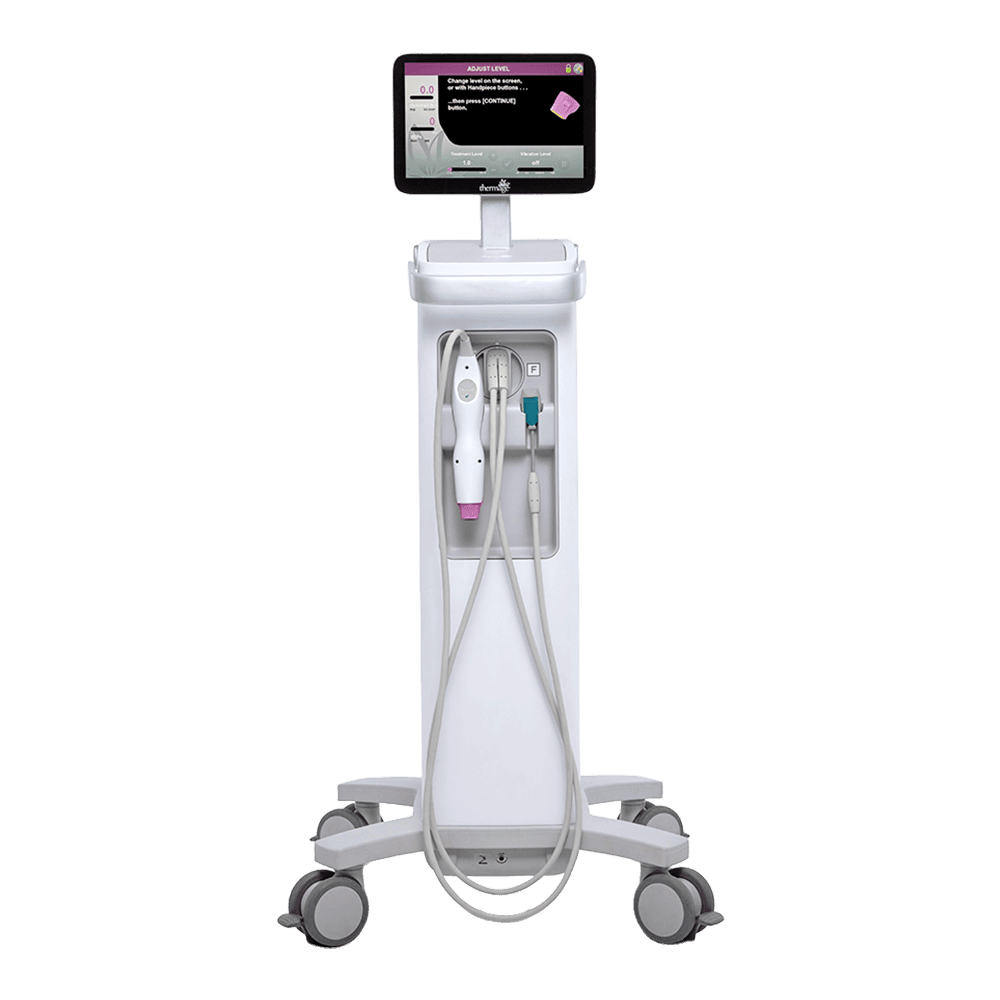
THERMAGE FLX
Thermage FLX
Main Target
Dermis
Treatment interval
6 to 12 months
Feature
#High-Frequency Collagen Remodeling #Elasticity-Focused
THERMAGE FLX
Thermage FLX
Main Target
Dermis
Treatment interval
6 to 12 months
Feature
#High-Frequency Collagen Remodeling #Elasticity-Focused
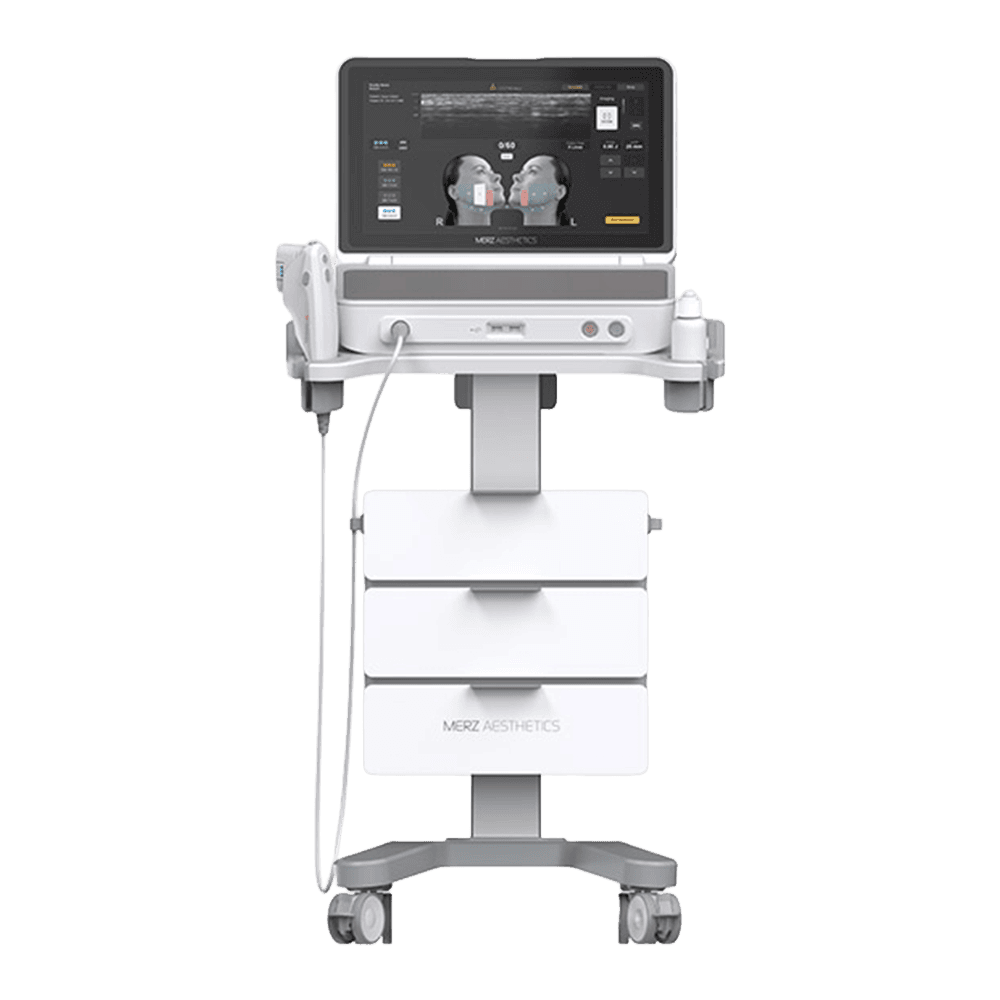
ULTHERAPY PRIME
Ultherapy Prime
Main Target
SMAS layer
Treatment interval
6 to 12 months
Feature
#Ultrasound dual monitoring #Design procedure
ULTHERAPY PRIME
Ultherapy Prime
Main Target
SMAS layer
Treatment interval
6 to 12 months
Feature
#Ultrasound dual monitoring #Design procedure
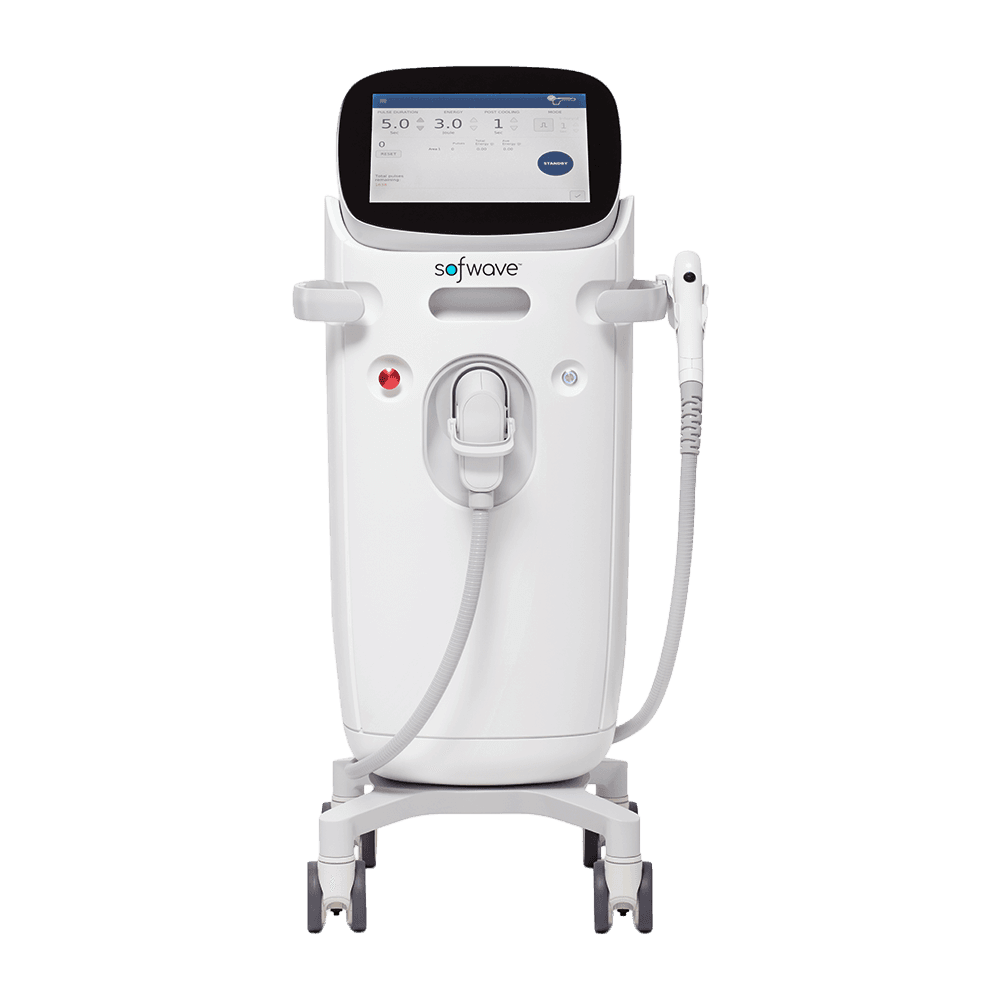
SOFWAVE
Softwave
Main Target
Dermis
Treatment interval
3 to 6 months
Feature
#High-energy collagen production #Surface elasticity
SOFWAVE
Softwave
Main Target
Dermis
Treatment interval
3 to 6 months
Feature
#High-energy collagen production #Surface elasticity
1:1 Custom Approach
1:1 Consultation Whatsapp
🌸 Beautystone Clinic attends the Meditox Bangkok Cadaver Workshop 🌸
1:1 Custom Approach