

Some pads are fine morning and night; others do better at 2–3 times a week. The tell sits near the top of the ingredient list, not on the front label.
Published -
Updated -

Author
Wi Young-jin · Chief director
Seoul National University College of Medicine · Seoul National University Hospital Specialist
→
These days, almost everyone keeps a jar of toner pads on the vanity. But every so often you wonder, "Wiping my skin down feels great, but is doing this daily actually okay?" Especially if you love that smooth, polished feel and reach for them morning and night, you may have hit a point where your skin suddenly stings or feels tight.
The short answer: it depends on the pad. Some are fine for everyday use, while others work better with a few days in between. Hydrating and soothing pads are usually gentle enough to use lightly every day, but pads with exfoliating ingredients can actually leave your skin sensitive if you use them daily. So instead of asking "daily or not," it helps to first ask "what type is my pad, and what state is my skin in?" The answer gets a lot clearer that way.
This article is informational content prepared by Hapjeong Beautystone.
What you'll learn
Why how often you should use a toner pad depends on its type
How to set a usage frequency that fits your skin type
How to recognize the signs of overuse on your skin
Everyday habits that make pads safer to use
The urge to use them daily makes total sense
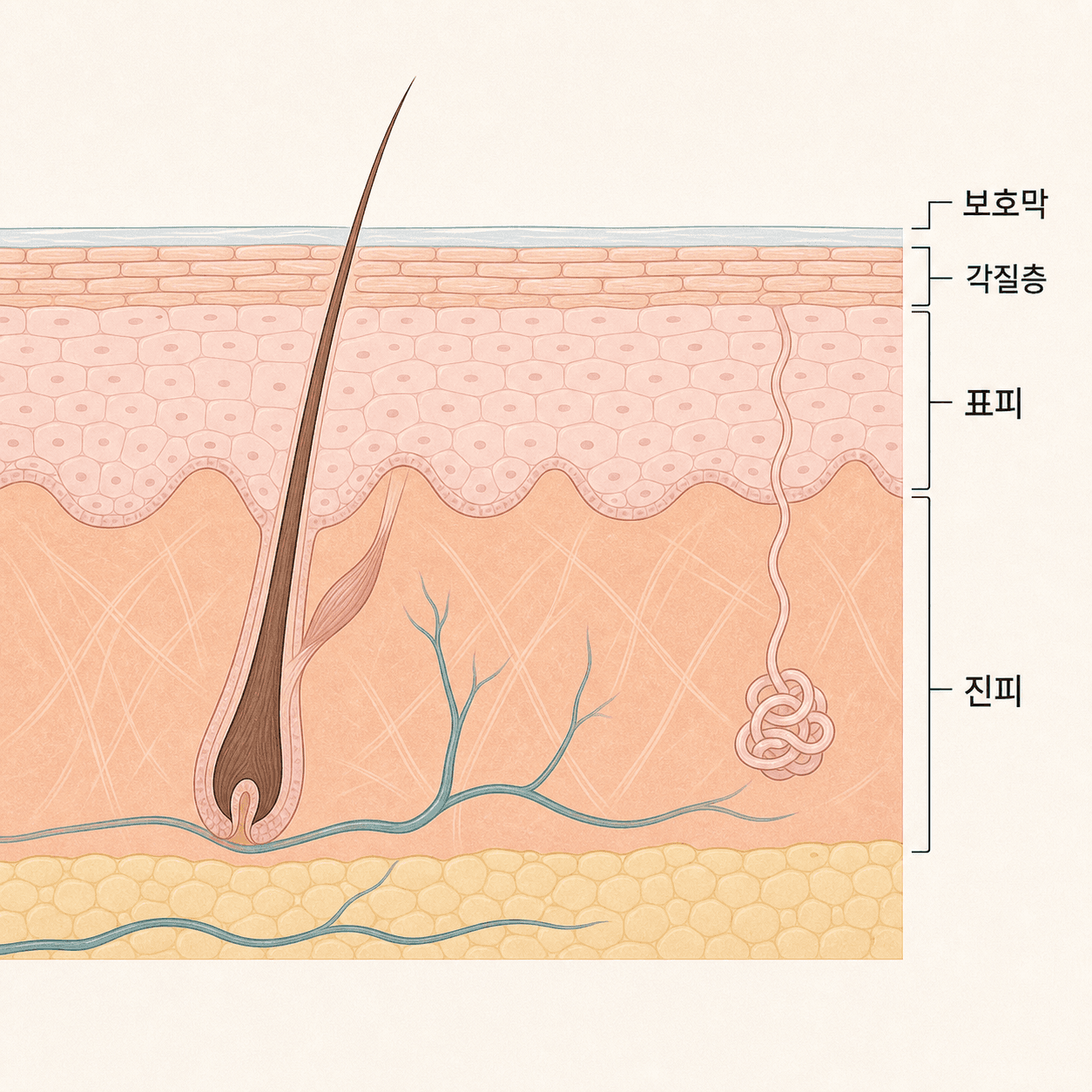
That fresh, just-wiped feeling is so satisfying that reaching for a pad every day comes naturally. The thing is, the surface of your skin has a thin protective barrier made of dead skin cells* and sebum, and wiping it hard every day leaves that barrier no time to recover.
dead skin cells*: the layer of dead cells on the very surface of your skin that locks in moisture and shields against outside irritation. It naturally sheds on its own cycle and is replaced by a fresh layer.
According to the American Academy of Dermatology's guidance that exfoliation frequency should vary by skin type and method, that stronger methods should be done less often, and that overdoing it leads to redness and irritation, it becomes clear why a daily wiping habit affects different skin types differently. In other words, using a toner pad every day isn't right for everyone.

Not all toner pads are the same
It's easiest to think of toner pads in three broad lanes: exfoliating pads with sloughing ingredients, hydrating pads that replenish moisture, and soothing pads built mostly around calming ingredients. How freely you can use each one every day is different.
Type | Main ingredients | Daily use | Note |
|---|---|---|---|
Exfoliating | AHA, BHA, etc. | Not recommended | Start with 2–3x a week |
Hydrating | Hyaluronic acid, etc. | Fine | Pat in gently to absorb |
Soothing | Panthenol, cica, etc. | Fine | Helps when skin is sensitive |
You can usually figure out which column your pad falls into by checking the top of the ingredient list. If names like glycolic, lactic, or salicylic appear near the front, it leans exfoliating, so it's better to space it out rather than use it daily. If it's mostly hydrating and soothing ingredients, light everyday use isn't much of a burden. Rather than using one pad for every purpose, choosing pads to match the goal is the kinder approach for your skin.

Daily vs. spaced out: here's how to decide
For an exfoliating pad, it's safest to set the recommended frequency differently depending on your skin type. It's not an absolute formula, but if you sketch out the weekly frequency people commonly reference, the flow looks something like this.
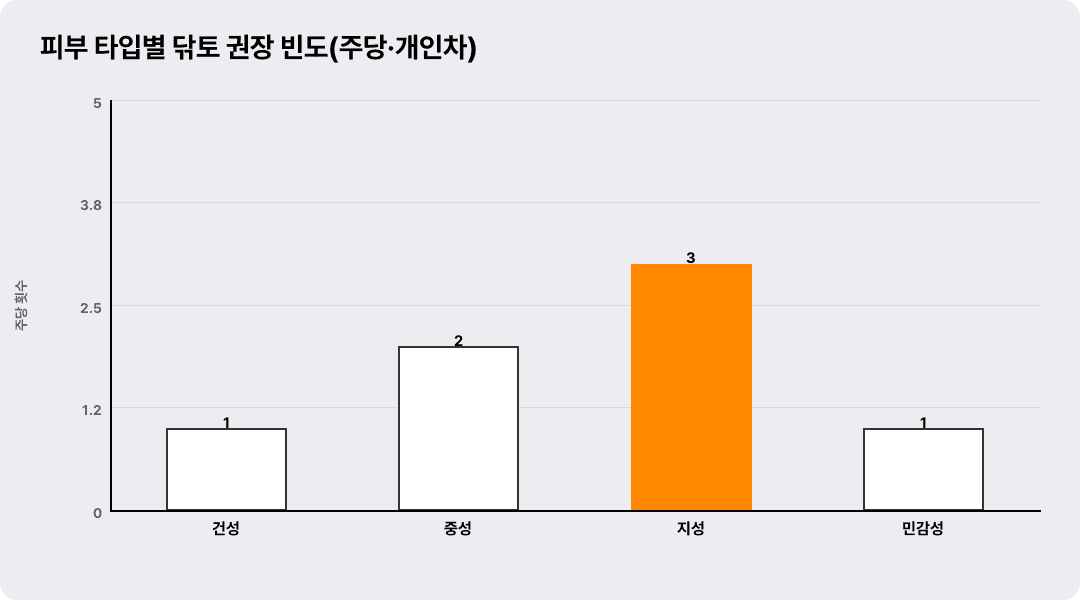
If you have dry or sensitive skin, it's best to start at about once a week and slowly increase while watching how your skin responds. Even oily skin keeps its texture looking better over time when you stick to 2–3 times a week rather than wiping hard every day. With a pad you've never used before, start at a low frequency, space it a few days apart, and check whether your skin stings or turns red before building up—you'll run into far fewer mishaps.
Why Hapjeong Beautystone
At Hapjeong Beautystone, we believe everyday skincare shapes your skin's condition just as much as in-clinic treatments do. The right frequency for the very same pad shifts with dry versus oily skin, and with sensitive versus stable stretches—so during visits we like to review the products and habits you use at home, too. As a small clinic within walking distance of Hapjeong Station, we can take the time to really hear about your skin type and lifestyle and guide you toward a care routine that won't overdo it.

Signs you're overdoing it
Use toner pads too often or too aggressively and your barrier weakens, showing a few telltale signs. When that happens, taking a short break is the fastest way to recover.
A tight, stinging feeling after washing — an early sign your barrier has thinned
Flushing more easily than usual — often shows up when irritation has built up
Feeling like you're flaking more — a case where over-exfoliating actually invited dryness
More breakouts, or slower-than-usual calming
As the explanation that AHA loosens the bonds between skin cells to slough off the outer layer shows, in the right amount this ingredient refines your skin's texture, but used heavily every day it can shake even the protective barrier. If you notice the signs, stop the pads for a few days to a week and keep things simple with hydration and soothing—most of the time, that's all it takes to recover. That said, if the stinging or redness lingers without settling, or if oozing or severe breakouts come along with it, it's safer to see a dermatologist than to push through with self-care. This article gathers general information, so the product and frequency right for your own skin are best decided in consultation with a clinician who has examined you directly.

Frequently asked questions
Q. Are hydrating toner pads really fine to use every day?
A. Hydrating and soothing pads are gentle enough that light daily use isn't much of a burden. Just pat them onto your face to absorb rather than rubbing hard. If your skin is going through an especially sensitive stretch, you'll feel more at ease using them daily once you've watched for a few days to confirm there's no irritation.
Q. If I use a wipe-off toner pad, can I skip exfoliating altogether?
A. If you're using a pad with exfoliating ingredients, don't stack extra exfoliation like a scrub or peel on the same day. When the two overlap, your skin is easily over-irritated. Dialing in the frequency of one method keeps your texture steadier.
Q. It stings after I use a pad—should I keep going?
A. Stinging can be a sign your barrier has weakened, so it's best to stop for a few days and keep things simple with hydration and soothing. Once it recovers, try starting again at a lower frequency, and if it keeps happening, that pad may just not suit your skin—switching to a different formula is one option.
Q. Is twice a day, morning and night, too often?
A. For a hydrating or soothing pad, twice a day is generally fine, but for an exfoliating one, twice a day is usually too much. Keep exfoliating pads to 2–3 times a week and fill the rest of the time with hydration—your skin will be far more comfortable.
Further reading
Exfoliating and deep cleansing*: how often by skin type for the best results
Tone-up cream, BB cream, and sunscreen*: what order should you apply them
Vitamin C serum*: morning or night, and where it fits between toner and sunscreen
Alcohol and caffeine before a procedure*: how many days ahead should you stop


skin
Ellanse Cost: Duration Beats Price Per Visit

Lifting
Alltite RF: Two Effects, Two Timelines

Contouring & Volume
Why Juvelook Volume Quotes Vary by Clinic

men's
Nose Pore Treatment: Aftercare Timing Guide

skin
How Many Sessions Does Eyeliner Removal Take?

Hair Removal
Laser Hair Removal While Pregnant or Nursing