

Price isn't the only thing to check. Here's what a good Botox consultation actually covers.
Published -
Updated -

Author
Wi Young-jin · Chief director
Seoul National University College of Medicine · Seoul National University Hospital Specialist
→
One of the most common questions we hear is some version of: how do I know which clinic is actually good? The price list is easy to find. What's behind the price list is harder to read.
Botox -- and jaw Botox specifically -- is a good example of why price alone misleads. Two clinics can quote within a few thousand won of each other and deliver very different results, because what changes the outcome isn't the product. It's how the muscle is assessed, how much product is placed, and whether the provider knows which complications to watch for and why.
In this article, we'll cover what Botox actually does at the muscle level, the five consultation signals worth paying attention to, how to read a quote properly, what to expect from onset through maintenance, and the side effects that deserve a straight answer. Read on.
What Botox Does (and Why It's Not One-Size-Fits-All)
Botulinum toxin A temporarily interrupts the nerve signal to a muscle. The muscle relaxes, reduces in activity, and -- over weeks to months, with regular treatment -- can reduce in bulk. Nothing is filled, nothing is permanent, and the effect fades as nerve signaling gradually restores itself.
In the US, Botox is FDA-approved for specific cosmetic indications including frown lines, forehead lines, and crow's feet in adults. Uses beyond that list -- including jaw slimming, trapezius, and calves -- are common but off-label, and any provider worth seeing will say so.
Why it's not one-size-fits-all: the masseter -- the chewing muscle along the jaw -- varies significantly between people in size, density, and how it responds to treatment. A large, dense masseter in someone who grinds heavily takes more product and more sessions than a lighter one. The amount needed can't be determined from a photo or a price sheet. It requires a physical assessment.
The DermNet overview on botulinum toxin notes that dosing conventions also vary between products -- a unit of one brand doesn't equal a unit of another, so comparing quoted unit counts across different products tells you nothing without the brand name attached.
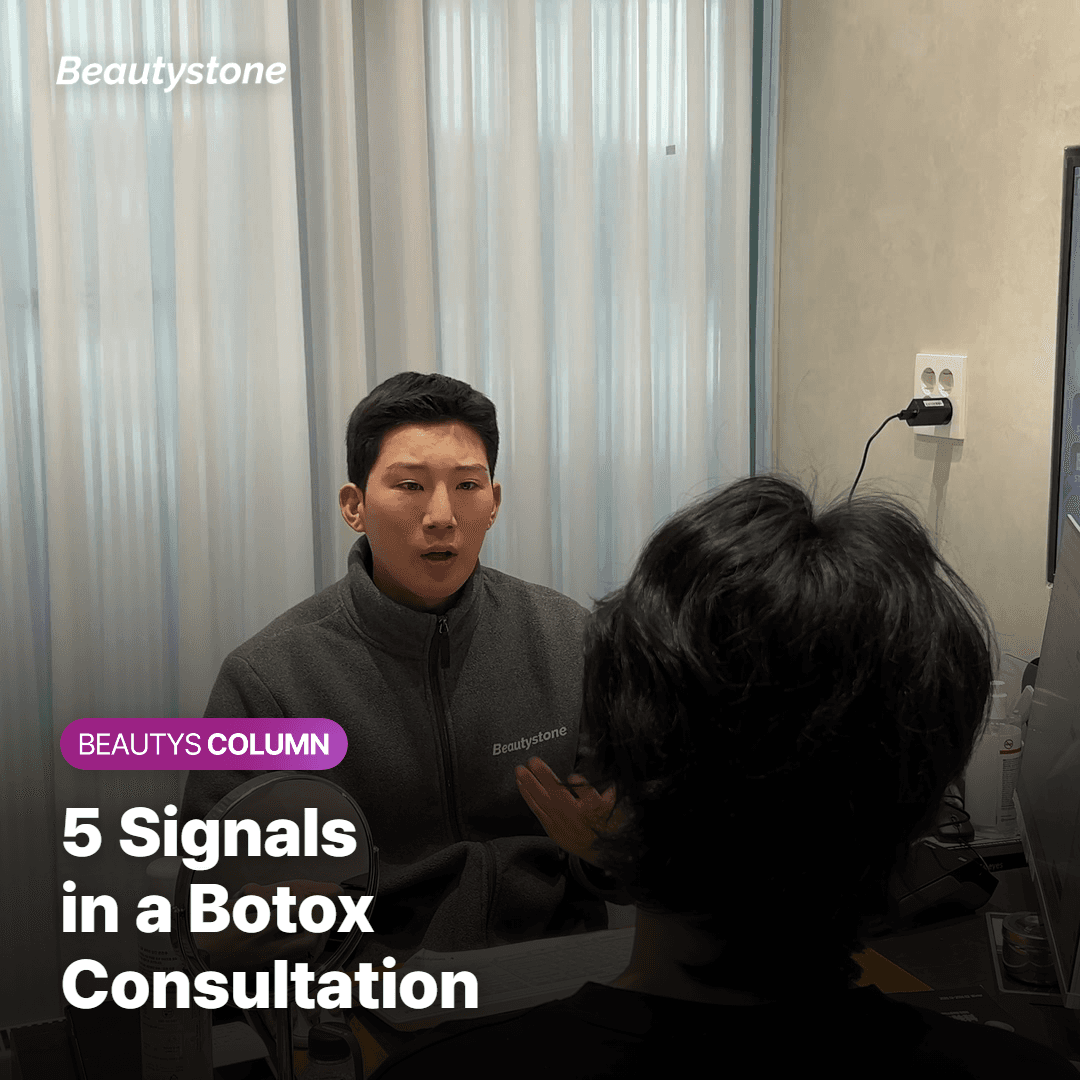
Five Signals to Read in a Consultation
A consultation is where you learn whether a provider knows your face or is filling a treatment slot. Here's what the difference looks like.
1. They assess before they recommend. A provider who offers you a specific product and unit count before physically assessing the muscle is guessing. Jaw Botox starts with palpation -- pressing to feel the muscle's density, asking you to clench to see its size under contraction. If that doesn't happen, the recommendation isn't personalized.
2. They name the product and explain the unit count. A quote without a named product and a unit count can't be compared to anything else. A good consultation answers: which brand, how many units for your area, and why that amount was chosen for you specifically. Vague answers here are useful information.
3. They explain the timeline honestly. The effect from jaw Botox doesn't appear overnight. Onset typically runs three to seven days for the toxin to take effect, and visible contouring change -- if that's the goal -- usually takes several sessions over months as the muscle gradually reduces. A provider who promises fast dramatic results from a single session should prompt a follow-up question.
4. They cover the side effects before you ask. Temporary chewing-muscle weakness is the most common notable effect of jaw Botox -- food that was easy to chew may feel harder for a few weeks. That's expected and temporary. A provider who brings this up unprompted is one who understands the treatment. One who mentions it only after you ask is managing expectations rather than setting them.
5. They explain the follow-up terms. Small adjustments at a review visit -- typically within two weeks -- are normal. Is that visit included, or separately billed? What does your provider monitor over time? Knowing this before you pay prevents surprises later.
Research published in PMC on botulinum toxin for facial aesthetics underscores that patient assessment and individualized dosing are more predictive of outcomes than product brand alone. The consultation is where that individualization either happens or doesn't.
How to Read a Quote Without Getting Fooled
The headline price is the least useful part of any Botox quote. Here's what to compare instead.
Brand and units together. Unit conventions differ between products -- Botox, Dysport, Xeomin, Nabota, and others use different dosing scales. A unit count without a named product is mathematically meaningless. Always ask which product the quote is based on and how many units it covers.
The area, itemized. Jaw slimming, calf slimming, and forehead lines are all called Botox, but the amounts and muscles involved are entirely different. A lower quote for jaw work might reflect fewer units -- which is either appropriate for your muscle or underdosed. You won't know without asking the unit count.
A suspicious low price is a question, not a verdict. A low number might reflect a different brand, fewer units, an introductory offer, or simply lower overhead. Ask what's different. A clinic that explains clearly is one worth talking to. One that stays vague is one to slow down around.
A second PMC study on botulinum toxin practice notes that variability in outcomes across providers is largely explained by assessment, dosing accuracy, and follow-up -- not the product itself. That's your guide for what the consultation should be doing.

What to Expect: Onset, Duration, and Maintenance
Nothing happens immediately, and how you read the timeline matters for how you'll feel about the result.
The appointment itself: Short. Injections take minutes. Small raised bumps settle within an hour. Mild redness and tenderness at the injection sites are normal and typically resolve by that evening.
Onset: The effect from jaw Botox typically begins within three to seven days, but visible muscle-bulk change takes longer -- most people notice a difference around the four-to-six-week mark after a first session, with further change at subsequent sessions. Don't judge the result in the first week.
Duration: Results typically last around three to six months, varying with the area, dose, product, and your own metabolism. Individual results vary, and your second round may behave differently from your first.
Maintenance: Regular intervals are how the effect accumulates. With consistent sessions, some people find they need less product over time as the muscle adapts. Others maintain a steady schedule. Your provider will be in a better position to estimate this after seeing how your muscle responds.
Touch-ups: Minor adjustments are normal within the first two weeks, once the effect has settled. Clarify whether that visit is inside the quoted price before you pay.
Side Effects and Risks
These injections are widely performed. They're also a medical procedure, and they carry real risks worth knowing before you book.
Common and expected: Redness, small bumps, mild swelling, and tenderness at injection sites. Bruising is possible, especially around the jaw area where vessels vary in proximity. Some people experience a mild headache in the first day or two. These typically resolve within a few days.
Jaw-specific: Temporary reduction in chewing strength is the most notable effect of masseter Botox. Steak and dense foods may feel harder to chew for a few weeks. This is expected, temporary, and resolves as the treatment wears off. It isn't dangerous, but it's worth knowing before your first session if you eat a lot of food that requires serious chewing.
Less common: Product spreading beyond the intended muscle can cause temporary weakness where you didn't want it -- an uneven smile, weakness in nearby facial muscles. These resolve as the product wears off. Skill at placement matters because it directly determines where the effect lands.
Rare but serious: Allergic reactions can occur. There's also a documented risk of toxin effects spreading away from the injection site, causing symptoms such as trouble swallowing, slurred speech, generalized muscle weakness, or difficulty breathing. It's uncommon, but it's why treatment belongs with a qualified medical provider.
If you develop spreading redness, fever, worsening pain, or difficulty swallowing or breathing after treatment, seek medical care right away -- don't wait for a follow-up appointment.
Botulinum toxin isn't appropriate during pregnancy or breastfeeding, and it may not be suitable for people with certain neuromuscular conditions. Tell your provider everything you take, including supplements -- some blood thinners raise bruising risk meaningfully.
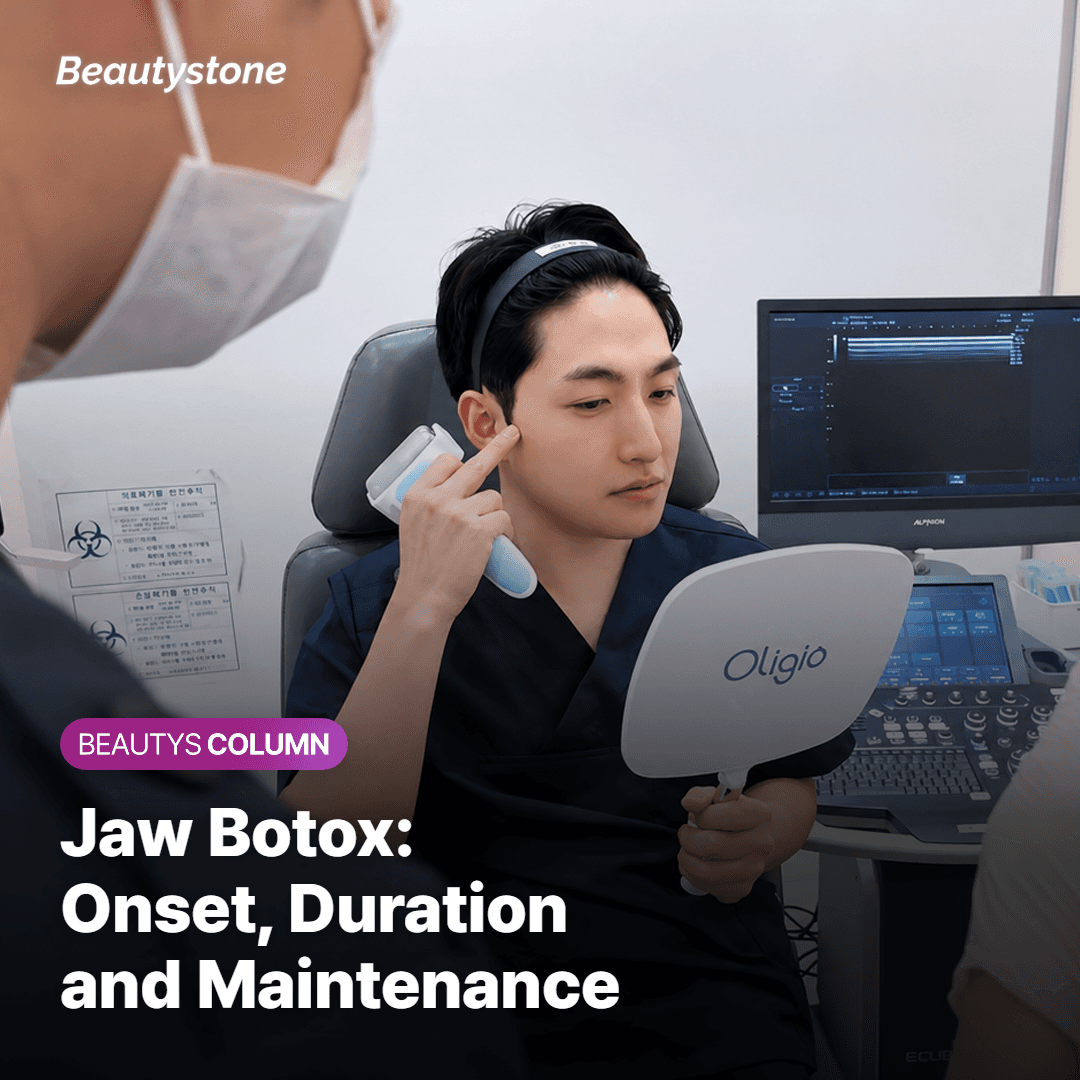
The Bottom Line
Price comparisons are the start of the search, not the end of it. A consultation is where you learn whether a clinic actually fits you.
A good consultation assesses before it recommends: palpation, clench test, and a named product with a unit count tied to your muscle -- not a package off a board.
Jaw Botox is off-label and muscle-dependent: dosing can't be standardized across people, and visible contouring change takes sessions over months, not one appointment.
Compare brand and units, not headlines: a quote without a product name and unit count can't be compared to anything else.
Side effects worth knowing ahead of time: temporary chewing-strength reduction is expected for jaw Botox; seek care if you develop spreading redness, fever, or difficulty swallowing.
Like any medical procedure, Botox comes with trade-offs. Ultimately, the choice depends on your anatomy, your goals, and your timeline -- and only an in-person assessment produces a recommendation that actually applies to you.
If you're considering jaw Botox or any Botox, a consultation is the best way to find out what fits. Beautystone is a dermatology clinic in Seoul's Hapjeong area -- see current offers at /en/promotion.
Frequently Asked Questions
Q. How do I know if a Botox clinic is actually good?
A. Look at the consultation, not just the price list. A good provider assesses the muscle physically before recommending a dose, names the product and explains the unit count, covers side effects proactively, and explains the follow-up terms before you pay. A vague or rushed consultation is a more useful signal than any price comparison.
Q. What should I check in a Botox consultation besides the price?
A. Ask which brand, how many units, and why that amount for your muscle specifically. Check whether the provider physically assessed the muscle before recommending. Ask what the follow-up terms are -- whether a touch-up visit within two weeks is inside the quoted price. Ask what side effects to expect, and whether the provider brings them up before you do.
Q. How long does jaw Botox take to work?
A. The toxin begins taking effect within three to seven days. Visible jaw-slimming change typically takes four to six weeks to appear after a first session, and further reduction comes with subsequent sessions over months. Don't judge the result in the first week, and understand that the full contouring effect may take more than one treatment.
Q. What side effects should I expect from jaw Botox?
A. Temporary reduction in chewing strength is the most notable jaw-specific effect -- dense foods may feel harder to chew for a few weeks. Common post-injection effects include mild redness, small bumps, and occasional bruising. These typically resolve within days. If you develop spreading redness, fever, or difficulty swallowing or breathing, seek medical care right away.


men's
After Scar Treatment: Wash and Exercise Guide

Contouring & Volume
Jaw Botox: How to Choose the Right Clinic

skin
Ellanse Cost: Duration Beats Price Per Visit

Lifting
Alltite RF: Two Effects, Two Timelines

Contouring & Volume
Why Juvelook Volume Quotes Vary by Clinic

men's
Nose Pore Treatment: Aftercare Timing Guide