

Hair Dye After a Facial Procedure: Timing
Had a laser, lifting, or filler? Here's how long to wait before your hair dye appointment.
Published
Updated

Author
Wi Young-jinChief Director, Myeongdong
Seoul National University College of Medicine · Seoul National University Hospital Specialist
→
If you've been putting off a hair dye appointment because you just had a facial procedure — you're not alone. It's one of the most common scheduling questions we hear: Can I go ahead with my color appointment, or do I need to wait?
The short answer? Whatever you had done, one week after the procedure is the safe reference — and how your skin is recovering still comes first. In this article, we'll cover the timing guidelines for the most common facial procedures, why your scalp and your face don't always heal on the same schedule, and how to make the call safely for your specific situation.
Why the Timing Question Matters
Hair dye — even at a salon — involves chemicals that can migrate. When you tilt your head back at the sink, color runs along your hairline, over your temples, and sometimes onto your forehead and neck. If your skin barrier is still recovering from a recent procedure, that contact isn't just uncomfortable. It can trigger irritation, unexpected pigmentation changes, or interfere with healing tissue.
There's another layer to this: the scalp and facial skin aren't the same tissue. Your scalp is thicker, with a denser network of hair follicles and sebaceous glands. It responds differently to the stress of chemical processing. After certain facial energy treatments, you may also have subtle scalp sensitivity — even if the device wasn't used there directly — because thermal energy can conduct along surface tissue to the hairline.
Neither of these concerns means you have to skip color forever. It just means getting the order right.
Lasers: What to Check Before You Book
Not all lasers are equal, and the right waiting window depends on what your laser actually targeted.
Resurfacing or ablative lasers (used for texture, scars, or deep pigmentation): these deliberately remove or wound the surface layer, so the skin barrier is actively rebuilding for a while. The one-week reference still applies, and if your hairline or temples were in the treatment field, confirm the skin has fully settled before any chemical exposure.
Non-ablative pigment lasers and toning lasers (used for melasma, freckles, and general brightening): the surface is intact, but the skin is often photosensitive and mildly inflamed in the first week. One week is the general reference, and longer if you notice any residual redness or darkening.
Vascular lasers (for redness and broken capillaries): similar to non-ablative — surface typically closes within a week, but flushing or sensitivity can persist. Wait the week out, and longer until any warmth and reactivity has fully settled.
The critical variable isn't just the laser type — it's whether any treatment was done near your hairline or temples. If your provider worked close to those boundaries, you'll want a wider buffer before salon chemicals are introduced. Individual results vary, and your provider's specific post-care instructions take precedence over any general timeline.
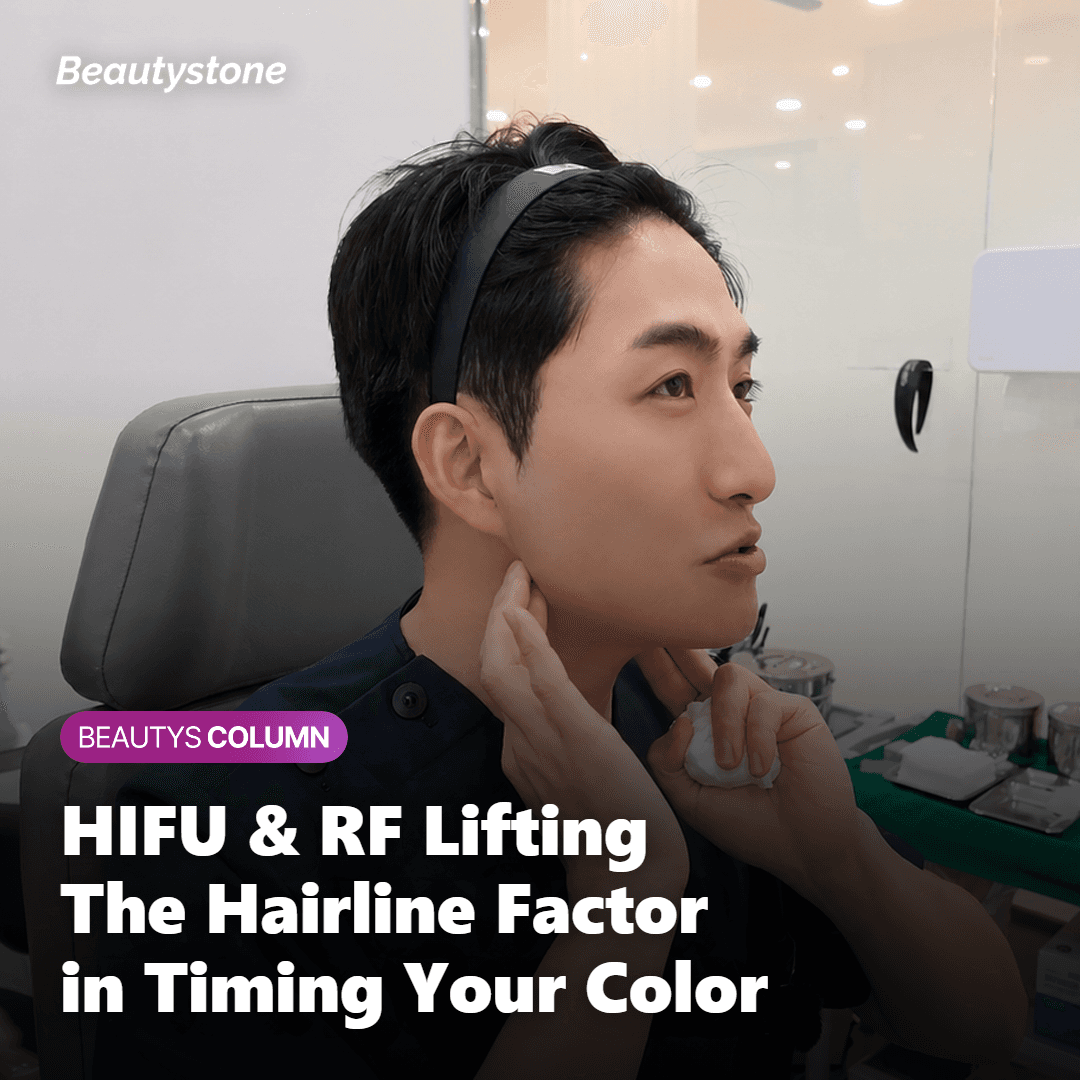
HIFU and RF Lifting: The Hairline Consideration
High-intensity focused ultrasound (HIFU) treatments — including devices like Shurink (Ultraformer MPT) and Ultherapy — and radiofrequency (RF) lifting devices like Thermage or Oligio work by delivering focused thermal energy to deeper tissue layers. The surface is typically intact within twenty-four to forty-eight hours.
That said, a few things make hair dye timing worth thinking about after these procedures.
First, many HIFU and RF protocols include passes along the hairline border, especially when targeting forehead laxity or temporal lifting. That area may stay tender or subtly warm for three to five days. Second, immediately after RF or HIFU, the skin's surface regulation is mildly disrupted — your skin may be more reactive than usual to friction and chemicals during this window.
The practical guidance: one week after the session is the general reference, whether or not the hairline was involved. If the hairline or temples were targeted, confirm the area is no longer tender before you book. Ask your provider to document which areas were treated so you can be precise about this.
Injectables: Botox and Fillers
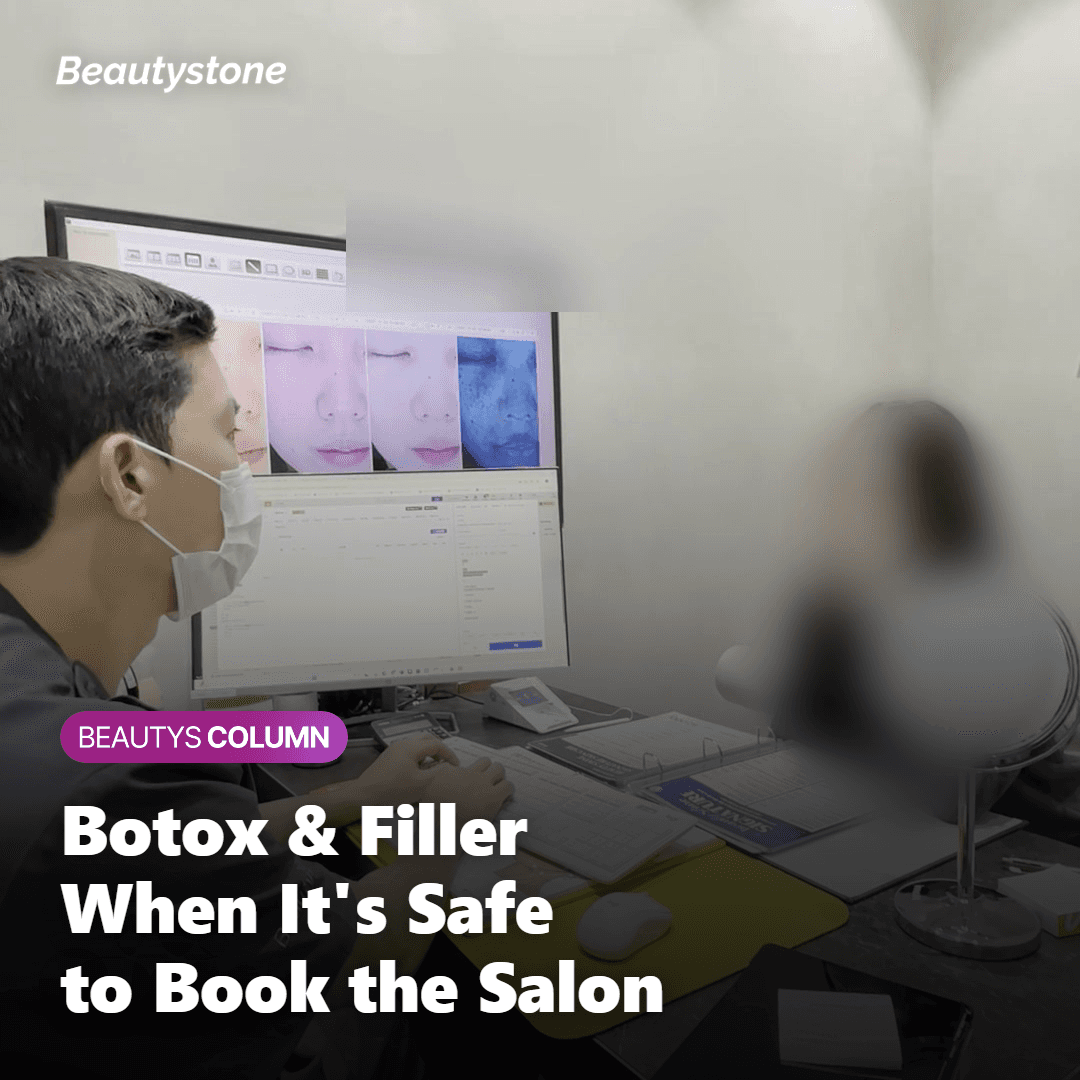
Botox (botulinum toxin) injections and dermal fillers are a slightly different category. There's no surface wound, and the skin barrier is intact almost immediately — the entry points from the needle are microscopic and close within hours.
The main concern with hair dye after injectables isn't the dye itself, but the positioning involved in getting your hair done. Leaning forward over a basin, having your head pressed and massaged, and being in a tilted position for an extended period can theoretically affect freshly placed filler, particularly in the mid-face, temples, or forehead.
Botox: The one-week reference applies here too. In the first day or two, also avoid anything that involves vigorous scalp manipulation or prolonged bending.
Dermal fillers: Plan the color appointment for one week after the session, and avoid vigorous massage or pressure on the treated areas in the meantime. Let your stylist know which areas were treated so they're careful during the rinse and styling process.
Individual results vary, and if you had a larger volume filler treatment or multiple areas done at once, your provider may recommend a longer window.
Side Effects and Risks Worth Knowing
The risks of dyeing too soon after a facial procedure aren't dramatic, but they're worth being clear-eyed about.
Post-inflammatory hyperpigmentation (PIH): If your skin was already mildly inflamed from a laser and then comes in contact with chemical irritants, it may respond by producing excess melanin. This is more common in medium and deeper skin tones. Preventing PIH is far easier than treating it after the fact.
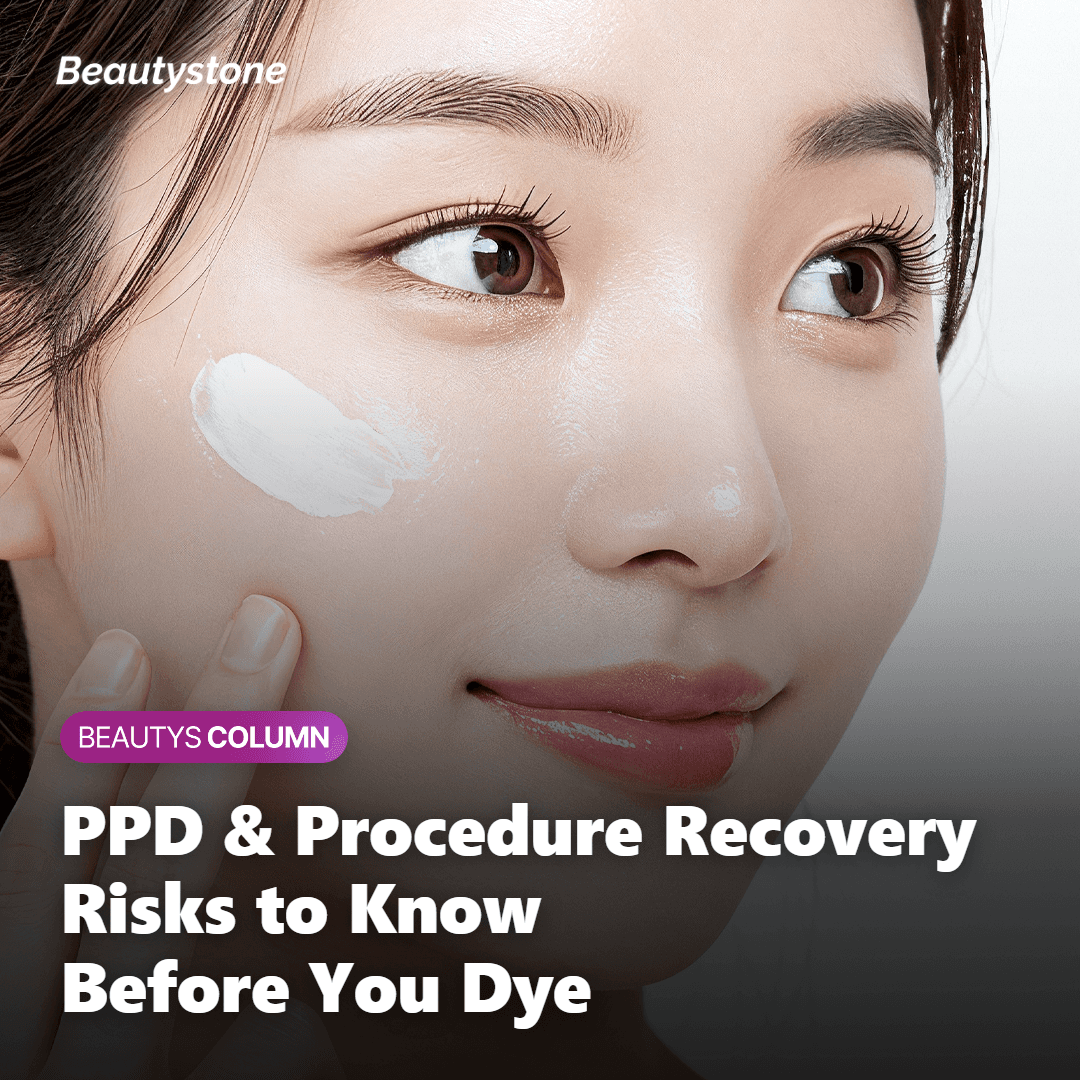
Contact dermatitis: Paraphenylenediamine (PPD) — a common ingredient in permanent hair dyes — is one of the more frequent causes of allergic contact reactions. According to DermNet NZ, sensitization to PPD is not uncommon, and reactions can range from mild redness to significant swelling. If your skin barrier has been recently disrupted, absorption and sensitization risk may be higher.
Delayed healing: Chemical irritation during an active healing phase can slow the recovery of both the skin surface and the underlying tissue.
Scalp sensitivity: If you had energy-based treatments near the hairline, your scalp may be more reactive to processing chemicals during the early recovery window.
Most of these risks are avoidable by simply respecting the timing windows above. If you do develop spreading redness, significant swelling, warmth, or fever after any product contact during your recovery, seek medical care right away. That's not a typical post-procedure reaction and should be evaluated.
Your Practical Timing Guide by Procedure
Here's a consolidated view of minimum waiting periods. These are general guidelines — your provider's specific instructions always take priority.
Procedure | Minimum Wait | Notes |
|---|---|---|
Non-ablative toning / pigment laser | 1 week | Longer if redness persists |
Ablative or resurfacing laser | 1 week | Check the hairline has fully settled |
HIFU (Shurink, Ultherapy) | 1 week | Confirm the hairline is no longer tender |
RF lifting (Thermage, Oligio) | 1 week | Confirm the hairline is no longer tender |
Botox injections | 1 week | Avoid vigorous scalp manipulation before then |
Dermal filler | 1 week | Avoid pressure on treated zones during styling |
A note on PPD allergy: if you've never had a reaction to hair dye before, that doesn't guarantee you won't sensitize over time. If you've recently had a procedure that disrupted your skin barrier, it's worth asking your salon to do a patch test 48 hours ahead, regardless of your history.
The Bottom Line
Getting your hair colored after a facial procedure is perfectly reasonable — it's mostly a matter of timing and being specific about what you had done.
Whatever the procedure, one week after it is the general reference for going back to color.
Whether your hairline or temples were in the treatment area is the single most important variable for energy-based procedures.
PPD in permanent hair dye is a known contact sensitizer — skin that's still recovering may be more reactive, so patch testing is smart.
Your provider's post-care instructions are the final word, not a general timeline.
Like any post-procedure decision, it comes with trade-offs between convenience and caution. Ultimately, the choice depends on your skin, your recovery, and the specific treatment you had. If you're unsure, a quick message to your clinic is the fastest way to get a clear, personalized answer. Beautystone is a dermatology clinic in Seoul's Hapjeong area — if you're planning a procedure and want to coordinate with other appointments, see current offerings at /en/promotion.
Frequently asked questions
Q. Can I dye my hair the day after getting Botox?
A. One week after Botox is the general reference before a salon color appointment. The concern is less about the dye itself and more about avoiding prolonged bending and vigorous scalp pressure during the initial settling period.
Q. How long after laser treatment can I color my hair?
A. Whatever the laser type, one week after the session is the general reference. Wait longer if any redness, flaking, or sensitivity is still there, especially when your hairline or temples were within the treatment area. Always follow your provider's specific post-care instructions.
Q. Does HIFU lifting affect how long I need to wait before dyeing?
A. One week after the session is the general reference, whether or not your HIFU treatment (such as Shurink or Ultherapy) involved the hairline or temporal area. If the hairline or forehead borders were treated, check that the area is no longer tender first. Ask your provider to confirm which areas were treated so you can be precise.
Q. Why does PPD in hair dye matter after a procedure?
A. Paraphenylenediamine (PPD) is a common ingredient in permanent hair dyes and a well-documented contact sensitizer. When the skin barrier has been recently disrupted by a procedure, there's a higher risk of irritation or sensitization. Requesting a patch test 48 hours before your appointment is a practical precaution, especially during your recovery window.


Contouring & Volume
Fat Dissolving Injection Cost: cc and Sessions

Contouring & Volume
Juvederm vs. Restylane: Lips, Eyes, or Nose?

skin
Rejuran 2cc Cost: Enough for the Full Face?

Lifting
Titanium Lift Cost: 40KJ Jawline or Full Face?

skin
Rejuran vs. Belotero Revive: Which Hurts Less?

Contouring & Volume
Jaw Botox Side Effects: Hard to Chew or Smile?