

Filler adds volume instantly, Juvelook builds collagen over time. See which suits hollow cheeks.
Published -
Updated -

Author
Wi Young-jin · Chief director
Seoul National University College of Medicine · Seoul National University Hospital Specialist
→
Once your cheeks start to look sunken and shadowed, you'll hear the names Juvelook and filler a lot. Both are pitched as ways to refill hollow cheeks and restore dimension, but in a consultation you'll often hear mixed explanations like "it builds collagen" and "it adds volume right away" — which leaves a lot of people unsure what actually sets them apart.
The short answer: both share the goal of refilling your cheeks, but the way they fill is fundamentally different. Juvelook works by prompting your own collagen to build up, while filler creates volume instantly through the material itself. That's why they differ in how fast you see results, how the effect holds over time, and which concerns they suit. Rather than asking which is simply better, it helps to look at the state of your cheeks and the pace of change you're after.
This article pulls together treatment information from Hapjeong Beautystone.
What you'll get from this article
How Juvelook and filler differ in the way they refill your cheeks
The difference in how quickly results show and how the effect holds
A sense of which one fits depending on the state of your hollow cheeks
Why the two are sometimes used together
Juvelook and filler refill your cheeks in fundamentally different ways
The two start from different places. Filler uses a material like hyaluronic acid that draws in water on the spot to create volume instantly. Juvelook, on the other hand, is a collagen stimulator* — as the material slowly breaks down, it signals your skin to build new collagen of its own.
* collagen stimulator: an injectable that, as it breaks down, prompts the skin to build its own collagen. It aims for gradual restoration rather than instant volume.
A review showing that poly-lactic-acid-based materials stimulate fibroblasts to boost collagen production, inducing tissue regeneration rather than simply filling volume makes it clear why Juvelook's volume builds up over several weeks rather than right after treatment. Unlike filler, which fills instantly, it takes time for your own collagen to settle in.
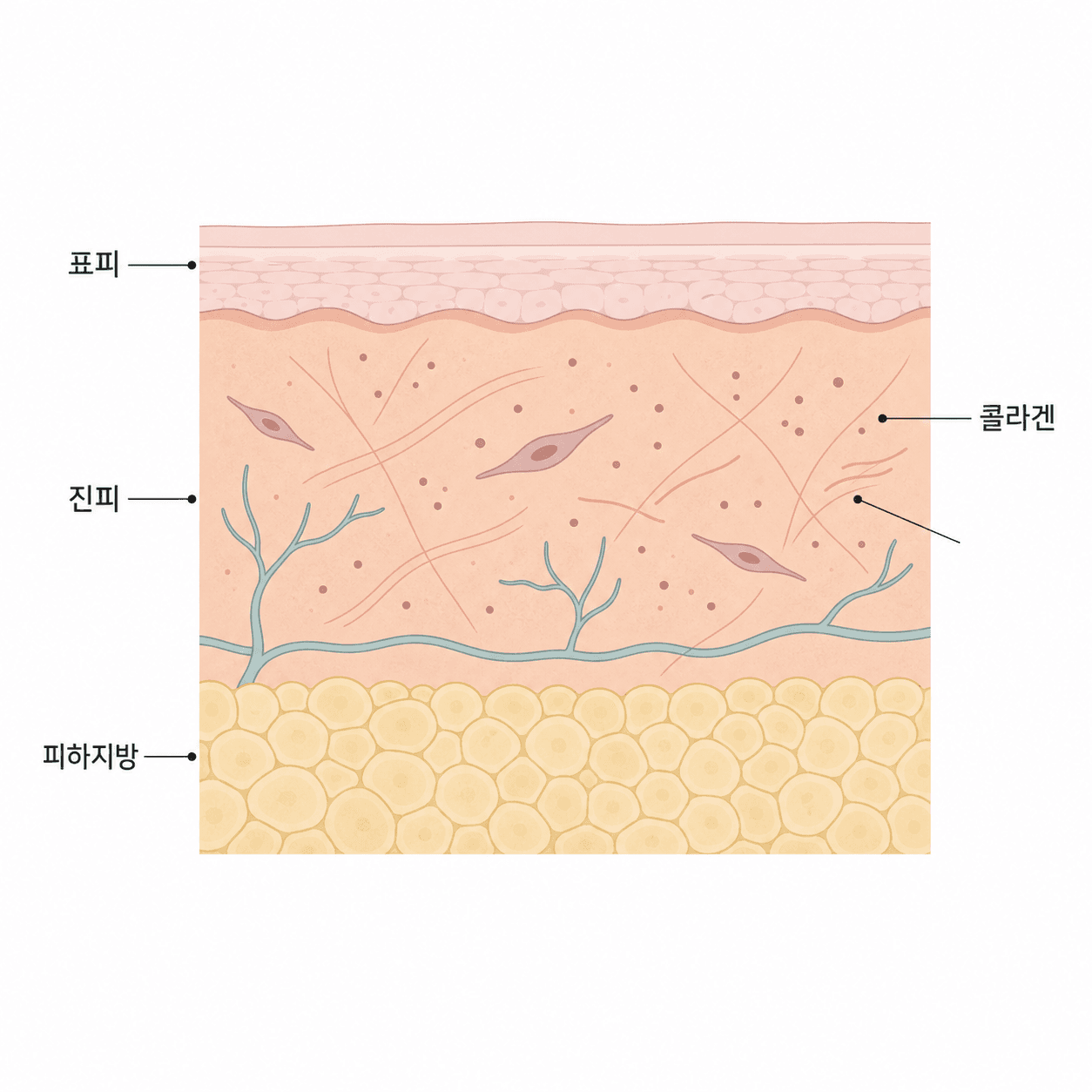

Collagen stimulation vs instant volume: comparing the two approaches
They fall under the same volume-treatment umbrella, but when the filling principle differs, so does the way the effect plays out. Laying the two side by side, item by item, it shapes up like this.
Item | Juvelook | Filler |
|---|---|---|
Filling principle | Stimulates your own collagen | Instant volume from the material itself |
When results show | Gradual, over several weeks | Right after treatment |
How it feels | A natural fill-out | Defined, noticeable volume |
How it holds | Builds slowly and lasts longer | Absorbed after a set period |
Concerns it suits | Overall hollowing and elasticity | Refining a defined contour |
The table shows that the two aim for different outcomes. Filler tends to suit you when you want a defined contour right away, while Juvelook suits a more natural fill-out of broadly hollowed cheeks while also caring for skin elasticity. That's why some people use them separately, or together on different areas.
Hollow cheeks: choosing which one fits your situation
Before the name of the procedure, what to look at first is the pace of change and the kind of result you want. If you need volume right away for a set date, like an event, an instant-fill approach suits you; if you'd rather see a natural fill-out over time, a collagen-stimulating approach helps.
Whether your whole cheek has flattened out or you want to refine just one specific area also shapes the choice. Broadly hollowed cheeks may suit a gradual fill-out, while refining a narrow contour may fit instant volume better. That said, even with the same approach, the amount and placement have to be set differently for each person, so the final call is safest made with a clinician who has seen your cheeks in person.
Why Hapjeong Beautystone
Rather than leading with the name of a product, Hapjeong Beautystone tends to first pin down how your cheeks became hollow. Even with the same hollowing, the right approach differs depending on whether it's an overall loss of volume or an issue with a specific contour, so we decide the method and amount by looking at each person's cheeks and the pace they want. As a small clinic within walking distance of Hapjeong Station, we can watch how things settle after treatment and tune the next step together.
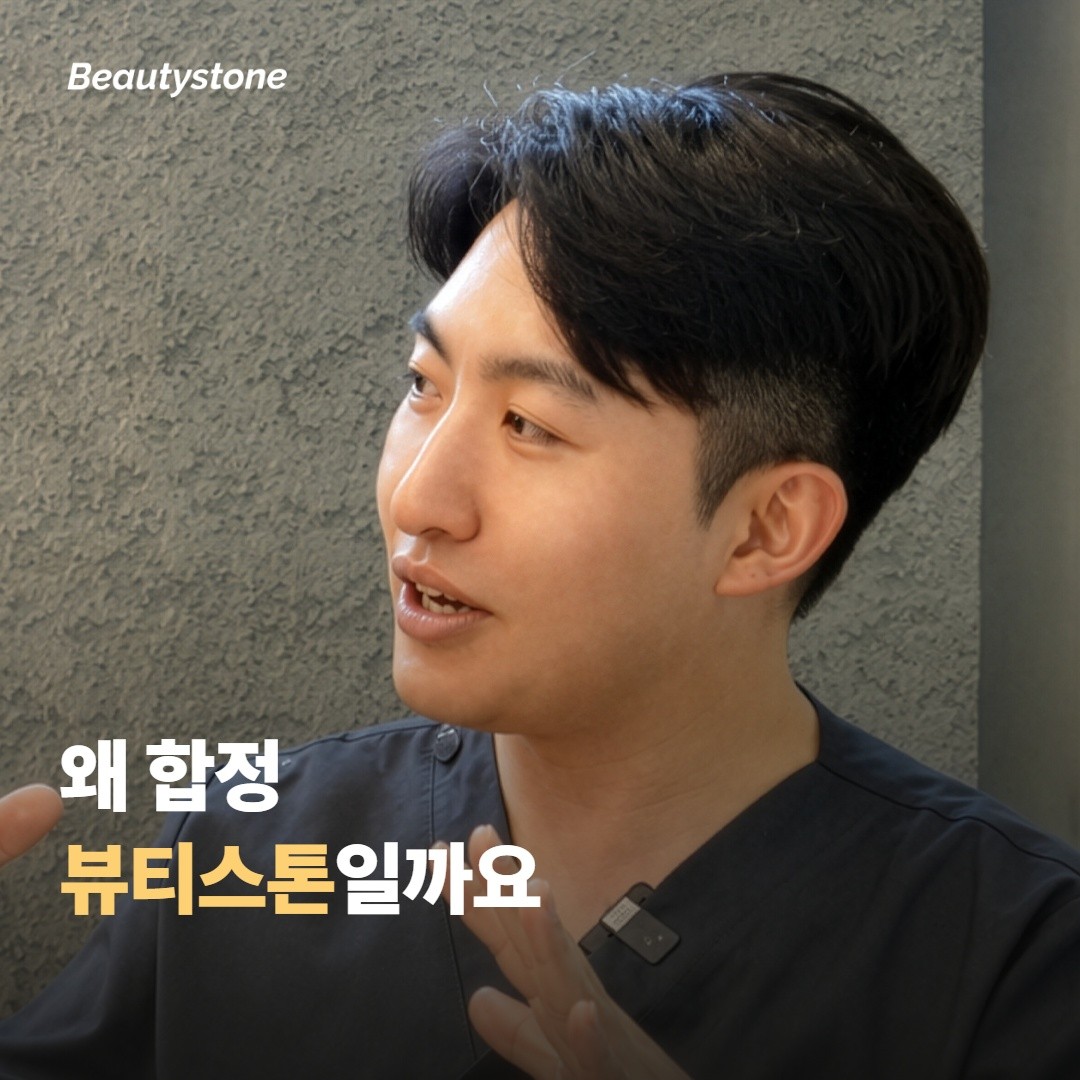
What the procedure and recovery look like
Both methods involve applying numbing cream and then injecting, so the procedure itself takes about 20–30 minutes depending on the area. Right after the injection you may swell or redden slightly, and a little bruising can show up too. Most of this settles within a few days, and getting back to daily life is relatively quick.
How the effect shows differs between the two. With filler, you see volume from the start, but with Juvelook it takes time for new collagen to build, so it fills in stages over several weeks. Plotting Juvelook's week-by-week sense of volume looks roughly like this curve.
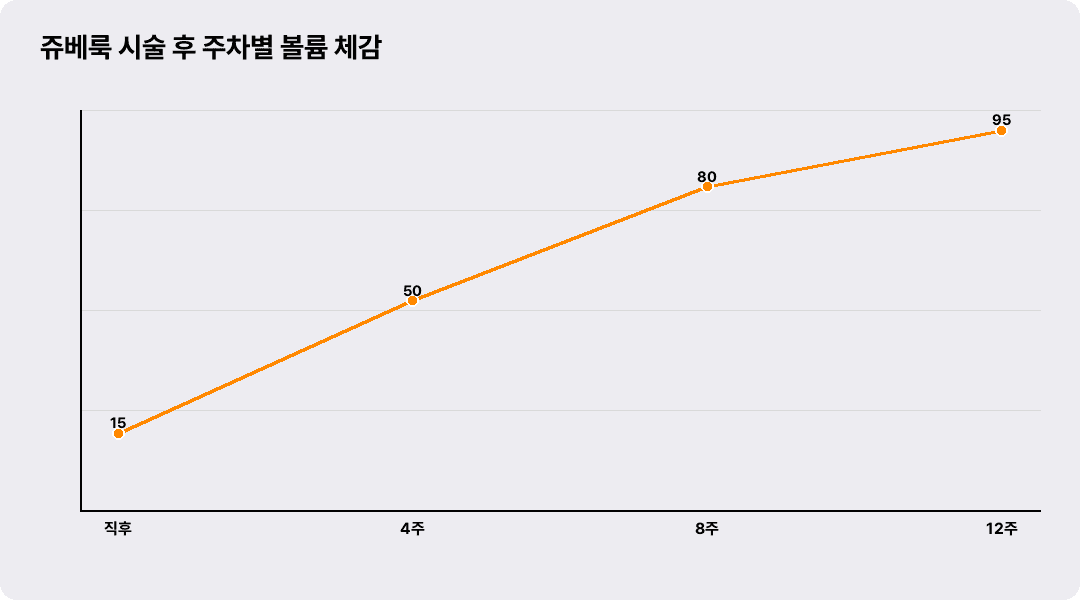
As this curve shows, Juvelook fills in slowly, so rather than judging right after a single session, it's better to give it about 8–12 weeks and watch the change. It's often done in several sessions spaced out over time. How it holds varies from person to person, so the next step is safest decided with a clinician as you watch how it settles. This article pulls together general information, so whether a treatment is right for you is best decided in consultation with a clinician who has examined you directly.

Frequently asked questions
Q. Do I have to choose only one between Juvelook and filler?
A. Not necessarily. The two fill in different ways, so they're sometimes used together — Juvelook to naturally refill broadly hollowed cheeks, and filler to refine a defined contour. That said, rather than overdoing everything in one day, it's steadier to set priorities and watch how things settle. Which combination fits is best decided with a clinician after looking at the state of your cheeks.
Q. Why doesn't Juvelook show volume right away?
A. Juvelook doesn't fill through the material itself — it stimulates your own collagen to form anew, so the effect needs time to show. It usually fills in stages over several weeks and becomes noticeable somewhere between 8 and 12 weeks. If you need volume right away, filler may be a better fit.
Q. How much pain or bruising is there?
A. Since numbing cream is applied first, it's often not unbearable. As with any injectable procedure, light bruising can appear, but it usually fades within a few days to a week. If you have an event where bruising would be a concern, it's best to give yourself plenty of lead time before the procedure.
Q. Is there anything to be careful about after the procedure?
A. On the day of the procedure, it's best to avoid activities that sharply raise heat and blood flow, like saunas, jjimjilbang, or intense exercise. Avoid pressing or rubbing the injected area hard for a few days too. Swelling and bruising usually settle within a few days, but if pain worsens over time or one side feels firm to the touch, please consult the clinician who performed your procedure.



skin
Fraxel CO2: Why Prices Vary & What to Check

skin
How to Choose an Acne Dermatologist: 5 Signs

Contouring & Volume
Nasolabial Folds: When Lifting Isn't Enough

skin
Sculptra Cost: Why Sessions and Vials Matter

Lifting
After Shurink Universe: Wash, Work Out & Drink

skin
Sofwave Before a Wedding: Timing Guide