

Wondering if laser hair removal is safe during pregnancy or breastfeeding? Here's what the evidence says — and when it's actually safe to restart your sessions.
Published -
Updated -
Author
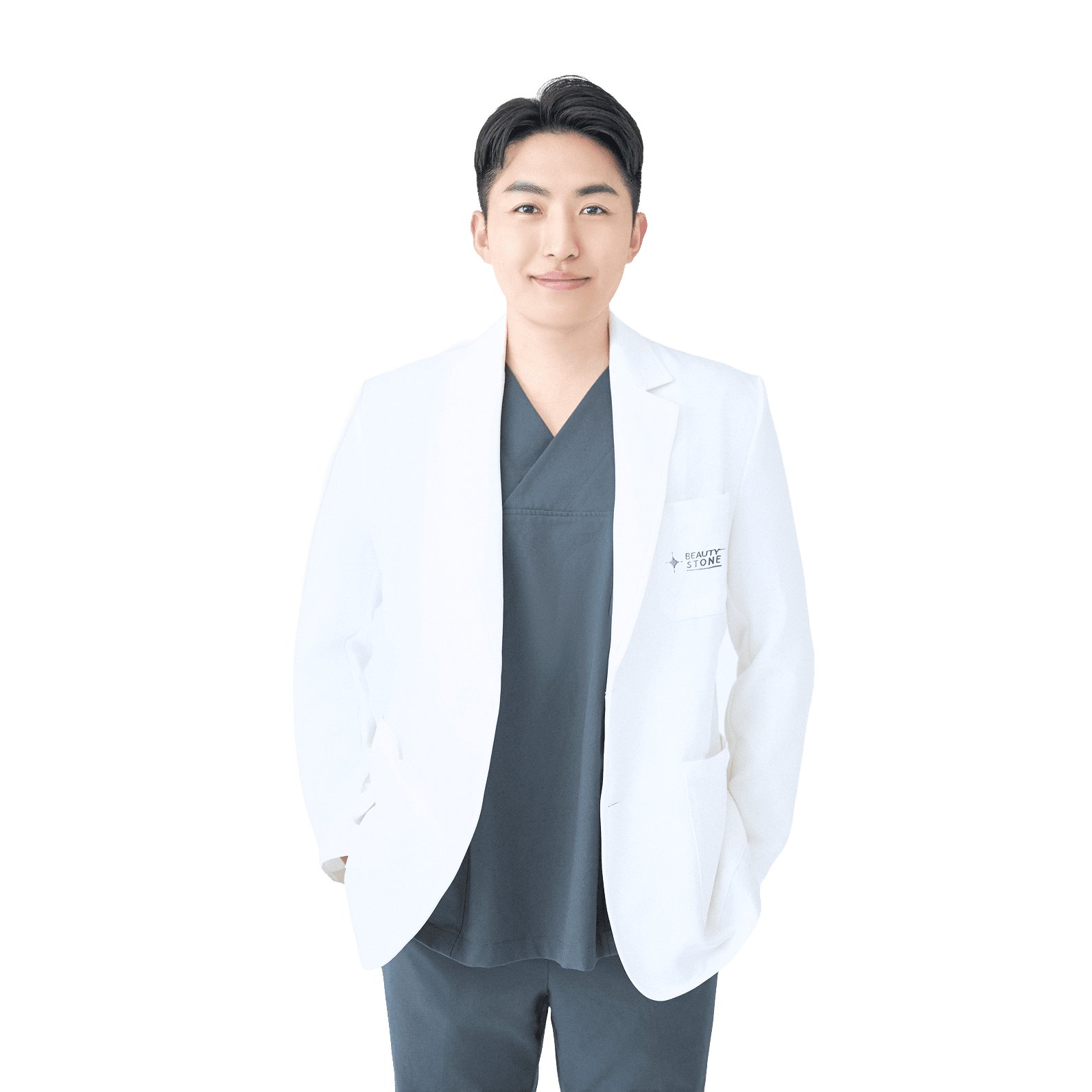
Wi Young-jin · Chief director
Seoul National University College of Medicine · Seoul National University Hospital Specialist
→
One of the most common questions we hear at Beautystone is some version of: "I'm pregnant — can I still get laser hair removal?" Or, a few months later: "I just had my baby. Can I start back up while I'm nursing?"
The short answer is: not yet — but the reasons are more nuanced than most people expect. It's not that the laser is going to harm you or your baby. It's about hormonal changes, skin sensitivity, and a few other factors that make results unpredictable during this window. In this article, we'll cover why providers pause laser hair removal during pregnancy and breastfeeding, what the evidence actually says, and exactly when you can safely restart.
Why Laser Hair Removal Is Paused During Pregnancy
Laser hair removal works by targeting melanin* in the hair follicle with concentrated light energy. At Beautystone we use the GentleMax Pro Plus by Candela — an FDA-cleared device for hair reduction. The laser generates heat that damages the follicle, disrupting its ability to regrow hair.
During pregnancy, pausing isn't primarily about the laser itself. Here's what's actually driving the recommendation:
No controlled safety data in pregnant populations: Randomized trials in pregnant people don't exist for obvious ethical reasons. Without that data, the conservative clinical standard is to pause.
Hormonal surges shift hair cycles: Estrogen and progesterone rise sharply during pregnancy. Because laser hair removal only targets follicles in their active growth phase (anagen), and hormones are actively reshuffling which follicles are in which phase, results during this window are unreliable. You'd likely need to redo the sessions anyway.
Skin becomes more photosensitive: Pregnancy-related hormonal changes can increase melanin production and skin sensitivity, raising the risk of post-inflammatory hyperpigmentation* even on settings that were previously safe for your skin.
Topical anesthetic considerations: Some protocols use numbing cream before treatment. Certain topical anesthetics aren't recommended during pregnancy, which would limit your options or require protocol modifications.
*Melanin: the pigment in skin and hair that absorbs laser energy — the mechanism that makes laser hair removal work.
*Post-inflammatory hyperpigmentation: temporary darkening of the skin in response to heat or irritation.
What About Breastfeeding — Is It Different?
Breastfeeding introduces a slightly different calculation, but the standard recommendation is still to wait. The concerns aren't identical to pregnancy, but they're meaningful enough that most providers apply the same conservative standard.
The main concerns during breastfeeding:
Numbing cream systemic absorption: Lidocaine-based topical anesthetics, while applied to the skin surface, can be absorbed into the bloodstream in small amounts. If you're breastfeeding, that raises a question about transfer to breast milk. The evidence on this is limited — but because it's avoidable risk, providers typically ask you to wait or use a protocol without numbing cream.
Hormone levels are still fluctuating: Prolactin (the hormone that drives milk production) and the broader hormonal recalibration of the postpartum period don't settle immediately. Hair cycles remain somewhat unpredictable during active breastfeeding, which affects how reliably your laser sessions will translate into lasting reduction.
Skin sensitivity may still be elevated: Some people find their skin remains more reactive for several months postpartum, even after delivery.
Individual results vary, and the timeline for hormonal normalization differs from person to person. That said, the conservative standard at most dermatology clinics — including ours — is to wait until breastfeeding has fully stopped before resuming laser hair removal.
What Does the Research Actually Say?
There's no published data demonstrating that laser hair removal causes harm to a developing fetus or nursing infant. To be clear about what that means: the absence of evidence of harm is not the same as evidence of safety. The research simply hasn't been done — and can't ethically be done as a controlled trial.
Studies examining laser and light-based procedures in pregnancy consistently note that the evidence base is insufficient to recommend these procedures during pregnancy, and that caution is warranted until more data exists (PMC8558736, PMC5475414). Research on laser safety in skin physiology (PMC3884776) further supports the principle that hormonal shifts substantially alter the skin's response to laser energy — reinforcing why timing matters beyond just the direct fetal risk question.
What the evidence does tell us: laser hair removal on hormonally stable skin, outside of pregnancy and breastfeeding, has a well-established safety and efficacy profile when performed by trained providers using appropriate settings.
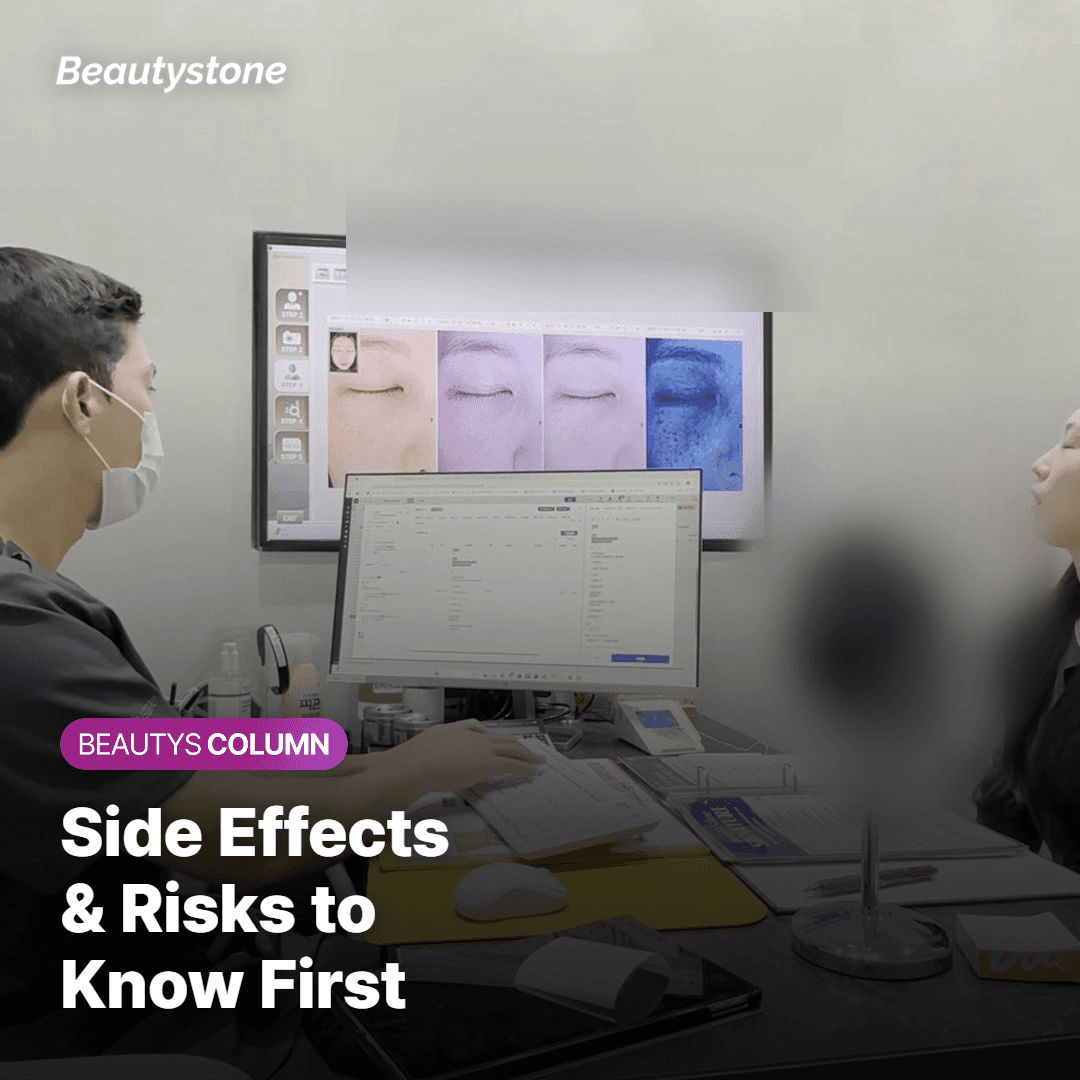
Side Effects and Risks to Know
Outside of pregnancy and breastfeeding, GentleMax Pro Plus laser hair removal carries a predictable side effect profile. Here's what you can realistically expect — and what to watch for:
Common, short-lived reactions:
Redness and warmth: Almost universal immediately after treatment. Typically resolves within a few hours.
Mild swelling around follicles: Looks like temporary goosebumps or slight puffiness. Usually clears within 24-48 hours.
Temporary hair shedding: Treated hairs fall out over 1-3 weeks — this is normal and expected, not a sign of a problem.
Less common, worth monitoring:
Pigment changes (hyperpigmentation or hypopigmentation): More likely on darker skin tones or with sun exposure before or after treatment. Always disclose current medications and recent sun exposure to your provider.
Blistering or crusting: Rare with modern devices and proper settings. More likely if aftercare instructions aren't followed.
Red flags — seek medical care right away: If you notice spreading redness beyond the treated area, signs of infection (warmth, oozing, fever), or blistering that worsens after 48 hours, contact your provider or seek care immediately.
Like any procedure, laser hair removal comes with trade-offs. Individual results vary based on skin tone, hair color, hormone levels, and consistency of sessions.
When Can You Safely Restart After Pregnancy?
Here's what most providers — and the clinical literature — suggest as a sensible timeline for getting back to laser hair removal after having a baby:
Stage | Recommended approach | Why |
|---|---|---|
During pregnancy | Pause all sessions | No safety data; skin sensitivity elevated; hormone-driven cycle disruption |
Immediately postpartum (breastfeeding) | Continue to pause | Hormones still fluctuating; numbing cream concern if nursing |
After stopping breastfeeding | Wait 1-3 menstrual cycles | Allows hormonal levels to restabilize; skin sensitivity to normalize |
Hormones stabilized, regular cycle returned | Safe to restart with provider sign-off | Best window for consistent, predictable results |
That said, everyone's timeline is different. Some people's cycles and hormones normalize faster; for others, it takes longer. The best way to know your specific timing is a consultation — your provider will assess your skin, your cycle history, and your hair reduction goals to give you a personalized recommendation.
How Much Does Laser Hair Removal Cost in Seoul?
At Beautystone in Seoul's Hapjeong area, GentleMax Pro Plus sessions are priced in Korean won. Session pricing varies based on the treatment area (underarms, legs, bikini, full body, and so on) and the package structure you choose. Beautystone's pricing is in KRW — a consultation will give you an exact quote for your specific areas and package. Seoul clinic pricing is subject to change; see current offers at /en/promotion or the pricing page at /en/price.
One note worth flagging: if you're considering starting laser hair removal in anticipation of a pregnancy, it's worth completing as many sessions as possible beforehand. Pausing mid-course means a longer overall timeline, and it's not unusual for some hair regrowth to occur during the hiatus — especially if hormones shift significantly.
The Bottom Line
Laser hair removal is paused during pregnancy and breastfeeding not because it's known to be harmful, but because it's unproven in those populations, results are unreliable during hormonal flux, and some protocols involve topical anesthetics that raise additional questions. Here's the quick recap:
During pregnancy: Hold off — clinical standard across the board, regardless of trimester.
While breastfeeding: Continue to wait until you've fully stopped.
After breastfeeding ends: Give it 1-3 months for your hormones to restabilize before restarting, then check in with your provider.
Once your cycle has normalized: You're in the best window to pick back up where you left off — or start fresh.
Like any procedure, the timing depends on your body, your goals, and your provider's assessment. Ultimately, the choice depends on your skin, your timeline, and what your provider recommends. If you're considering GentleMax Pro Plus laser hair removal at Beautystone, a consultation is the best starting point. We're a dermatology clinic in Seoul's Hapjeong area — see current promotions at /en/promotion.
Frequently Asked Questions
Q. Can laser hair removal harm my baby during pregnancy?
A. There's no published evidence that laser hair removal directly harms a developing fetus, but there are also no controlled safety trials in pregnant populations. The clinical standard is to pause because the evidence gap means we can't confirm safety — and because results are unreliable during hormonal fluctuation anyway.
Q. How long after stopping breastfeeding can I restart laser hair removal?
A. Most providers recommend waiting 1-3 menstrual cycles after fully stopping breastfeeding before restarting. This allows your hormones to restabilize and your skin sensitivity to normalize, which improves both safety and the consistency of your results.
Q. Is laser hair removal with numbing cream safe while breastfeeding?
A. Lidocaine-based numbing creams are absorbed through the skin in small amounts and could theoretically transfer into breast milk. While the risk appears low, most providers avoid this combination as a precaution. Some protocols can be performed without numbing cream for smaller treatment areas.
Q. Will I lose my laser hair removal progress if I pause for pregnancy?
A. Possibly, to some degree. Hair follicles that were dormant when you paused may reactivate due to hormonal changes, and some visible regrowth is common. When you restart after hormones normalize, you may need a few extra sessions, but you typically won't be starting from zero.


skin
Ellanse Cost: Duration Beats Price Per Visit

Lifting
Alltite RF: Two Effects, Two Timelines

Contouring & Volume
Why Juvelook Volume Quotes Vary by Clinic

men's
Nose Pore Treatment: Aftercare Timing Guide

skin
How Many Sessions Does Eyeliner Removal Take?

Hair Removal
Laser Hair Removal While Pregnant or Nursing