

Rejuran Healer: I wasn't a fan at first
Rejuran Healer: I wasn't a fan at first
Rejuran Healer: I wasn't a fan at first
Rejuran Healer and Recovery: how PN works, real clinical changes, and why it isn't for everyone.
Published -
Updated -

Author
Wi Young-jin · Chief director
Seoul National University College of Medicine · Seoul National University Hospital Specialist
→
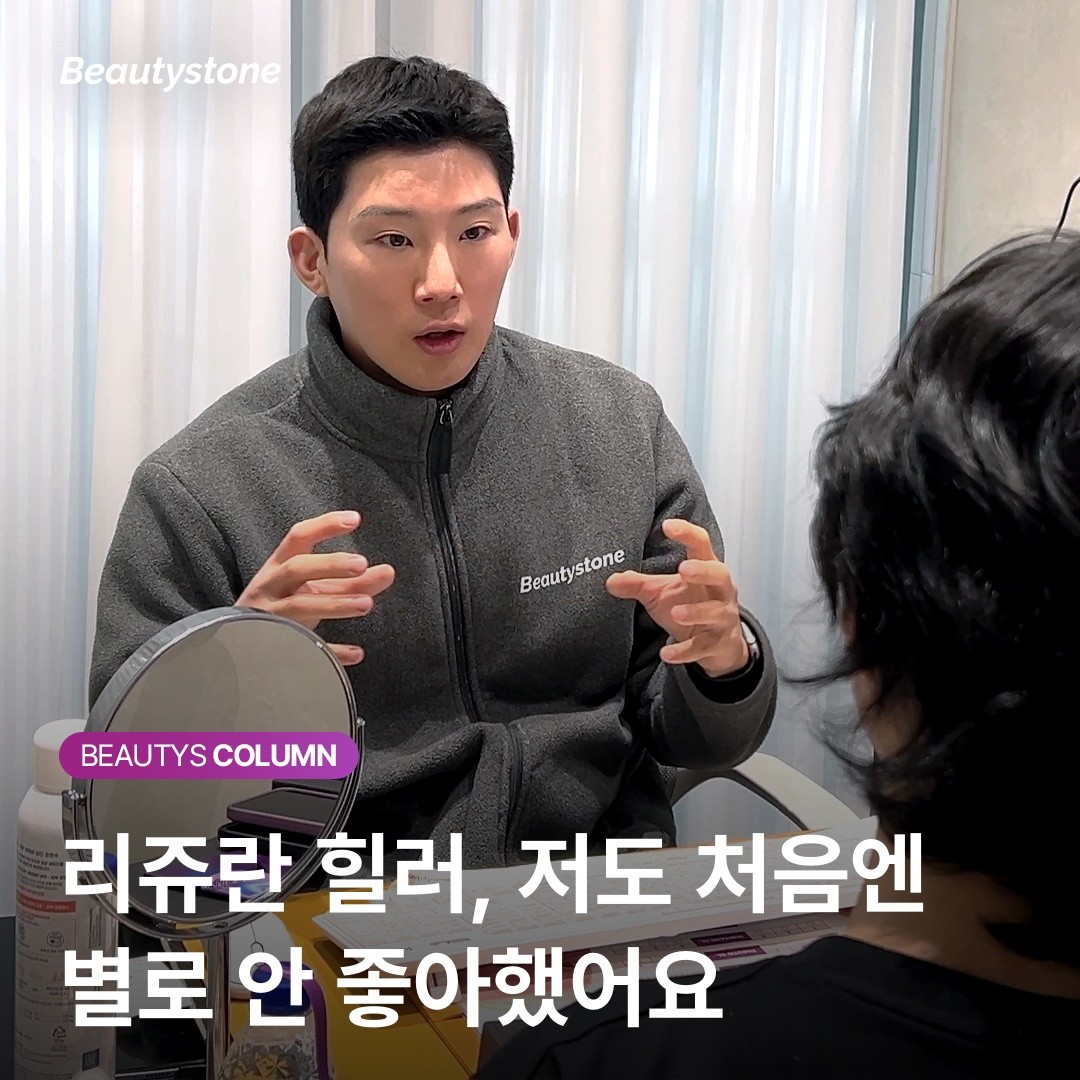
Rejuran Healer, I Didn’t Like It Much at First Either
Last Thursday,
a working professional in their late 30s came in.
"Doctor, I’ve had Rejuran 5 times,
but in the photos, there doesn’t seem to be a big difference."
They said it with a downcast look,
but when I felt the skin, the texture had definitely changed.
That’s the most ambiguous part of Rejuran.
The word 'regeneration' is used so casually
that I, too, was confused for a long time
about what exactly was regenerating and how.

Rejuran Healer: How It Differs from Glow Injections and Skin Boosters
Rejuran Healer is a treatment that injects PN extracted from salmon DNA
directly into the dermis layer of the skin.
Unlike hyaluronic-acid-based glow injections,
Rejuran is not a treatment that 'adds moisture.'
It is a treatment that sends signals
for the cells themselves to repair on their own.
So the feeling that you 'look moisturized' right after the procedure
can be less noticeable than with glow injections.
Honestly, that’s why even I, in the early days,
thought, "Why is the response so underwhelming?"
The Real Reason Rejuran Healer Is Specialized for 'Regeneration'
"Why is Rejuran Healer specialized for 'regeneration'? The mechanism explained by a dermatologist"
— Director Wi Young-jin (Beautystone Clinic, Hongdae)
A point many people misunderstand is that
PN is not just a 'good ingredient';
it is a low-molecular polynucleotide
with a base sequence more than 95% identical to human DNA.
Why does that matter?
Because our fibroblasts
can take these fragments and use them directly
as material to repair DNA.
A patient in their early 40s who came last month
had received only skin-booster-type treatments
at another clinic more than 10 times,
but the uneven texture around the pores remained the same.
After we did Rejuran 3 times
and observed at 4-week intervals,
only then did the skin texture on the cheekbone area
begin to noticeably become smoother.

Medically speaking,
Rejuran injects PN measuring 50–300 kDa
into the dermis at a depth of 1.5–2 mm.
This is the layer where fibroblasts are the most active.
If it’s too shallow, only the epidermis is stimulated;
if it’s too deep, the effect becomes dispersed.
That’s why with Rejuran, 'where you place it'
is as important as the ingredient itself.
But this isn’t all good news.
Regeneration is a process that takes time,
so it’s hard to expect dramatic changes
from just one session.
Usually, you need 3 to 4 sessions
before you can see and feel the difference in the mirror,
and you need to keep a one-month interval
to align with the fibroblast turnover cycle.
Director Wi Young-jin’s Key Summary
Rejuran is not a 'filling' treatment,
but a 'repairing' treatment.
That’s why it is strong not in flashy immediate effects,
but in changes that build over time, like texture, elasticity, and pores.
Rejuran Healer: Who It’s Recommended For, and Who It’s Not
It varies by case,
but this is how I usually break it down.
Type | Rejuran suitability | My comment |
|---|---|---|
People in their 30s–40s with fine lines and rough skin texture | Highly suitable | The most satisfied group |
Concerns about acne scars and uneven texture | Suitable (but combination therapy needed) | Best results when combined with laser |
Want immediate glow and hydration | Less suitable | Glow injections or skin boosters are better |
Severe sagging and loss of volume | Not suitable | Lifting or fillers should come first |

Rejuran Healer: The Three Questions I Get Most Often in the Clinic
Q1. The bumpy marks after treatment — is that okay?
A. Yes, that’s normal.
Rejuran leaves the medication inside the dermis
and lets it be absorbed slowly,
so for 2–3 days right after the procedure
the injection marks are visible.
They usually start to flatten from day 3,
and are almost gone after a week.
If you have an important event,
get the procedure at least 5 days in advance.
Q2. How many sessions are needed, and how long does it last?
A. The standard is 3 to 4 sessions at 4-week intervals.
After that, you can get maintenance treatment
once every 3 to 4 months.
Many people get just one session from the start
and say, "It doesn’t work,"
but honestly, one session is not enough to judge properly.
Regeneration is an accumulative treatment.
Q3. Are there any side effects or precautions?
A. The most common are bruising and swelling,
and they usually subside within 2–5 days.
If you have a salmon protein allergy,
please be sure to tell us before the procedure.
The procedure is not recommended
for those who are pregnant or breastfeeding,
or for those with a keloid-prone constitution.
It’s also best to avoid saunas, strenuous exercise, and alcohol
for about a day after the procedure.
If you’re unsure about the product concentration, send us a skin photo via WhatsApp. This was Wi Young-jin.
Frequently asked questions
Q. Q1. Is it okay to have bumpy marks after the procedure?
A. That is normal. Rejuran works by leaving the medication in the dermis so it is absorbed slowly, so injection marks may be visible for 2–3 days after the procedure.
Q. Q2. How many sessions do I need, and how long does it last?
A. The standard course is 3 to 4 sessions at 4-week intervals. After that, you can receive maintenance treatments once every 3 to 4 months.
Q. Q3. Are there any side effects or precautions?
A. The most common side effects are bruising and swelling, and they usually subside within 2 to 5 days. If you have a salmon protein allergy, please be sure to let us know before the procedure.
Q. How important is the specific depth in the dermis when injecting Rejuran Healer?
A. The dermis layer at a depth of 1.5 to 2 mm is where fibroblasts are most active, making precise injection at this level crucial. If it is too shallow, it only stimulates the epidermis, and if it is too deep, the effects are dispersed. Ultimately, where it is delivered determines the results.
Rejuran Healer, I Didn’t Like It Much at First Either
Last Thursday,
a working professional in their late 30s came in.
"Doctor, I’ve had Rejuran 5 times,
but in the photos, there doesn’t seem to be a big difference."
They said it with a downcast look,
but when I felt the skin, the texture had definitely changed.
That’s the most ambiguous part of Rejuran.
The word 'regeneration' is used so casually
that I, too, was confused for a long time
about what exactly was regenerating and how.
Rejuran Healer: How It Differs from Glow Injections and Skin Boosters
Rejuran Healer is a treatment that injects PN extracted from salmon DNA
directly into the dermis layer of the skin.
Unlike hyaluronic-acid-based glow injections,
Rejuran is not a treatment that 'adds moisture.'
It is a treatment that sends signals
for the cells themselves to repair on their own.
So the feeling that you 'look moisturized' right after the procedure
can be less noticeable than with glow injections.
Honestly, that’s why even I, in the early days,
thought, "Why is the response so underwhelming?"
The Real Reason Rejuran Healer Is Specialized for 'Regeneration'
"Why is Rejuran Healer specialized for 'regeneration'? The mechanism explained by a dermatologist"
— Director Wi Young-jin (Beautystone Clinic, Hongdae)
A point many people misunderstand is that
PN is not just a 'good ingredient';
it is a low-molecular polynucleotide
with a base sequence more than 95% identical to human DNA.
Why does that matter?
Because our fibroblasts
can take these fragments and use them directly
as material to repair DNA.
A patient in their early 40s who came last month
had received only skin-booster-type treatments
at another clinic more than 10 times,
but the uneven texture around the pores remained the same.
After we did Rejuran 3 times
and observed at 4-week intervals,
only then did the skin texture on the cheekbone area
begin to noticeably become smoother.
Medically speaking,
Rejuran injects PN measuring 50–300 kDa
into the dermis at a depth of 1.5–2 mm.
This is the layer where fibroblasts are the most active.
If it’s too shallow, only the epidermis is stimulated;
if it’s too deep, the effect becomes dispersed.
That’s why with Rejuran, 'where you place it'
is as important as the ingredient itself.
But this isn’t all good news.
Regeneration is a process that takes time,
so it’s hard to expect dramatic changes
from just one session.
Usually, you need 3 to 4 sessions
before you can see and feel the difference in the mirror,
and you need to keep a one-month interval
to align with the fibroblast turnover cycle.
Director Wi Young-jin’s Key Summary
Rejuran is not a 'filling' treatment,
but a 'repairing' treatment.
That’s why it is strong not in flashy immediate effects,
but in changes that build over time, like texture, elasticity, and pores.
Rejuran Healer: Who It’s Recommended For, and Who It’s Not
It varies by case,
but this is how I usually break it down.
Type | Rejuran suitability | My comment |
|---|---|---|
People in their 30s–40s with fine lines and rough skin texture | Highly suitable | The most satisfied group |
Concerns about acne scars and uneven texture | Suitable (but combination therapy needed) | Best results when combined with laser |
Want immediate glow and hydration | Less suitable | Glow injections or skin boosters are better |
Severe sagging and loss of volume | Not suitable | Lifting or fillers should come first |
Rejuran Healer: The Three Questions I Get Most Often in the Clinic
Q1. The bumpy marks after treatment — is that okay?
A. Yes, that’s normal.
Rejuran leaves the medication inside the dermis
and lets it be absorbed slowly,
so for 2–3 days right after the procedure
the injection marks are visible.
They usually start to flatten from day 3,
and are almost gone after a week.
If you have an important event,
get the procedure at least 5 days in advance.
Q2. How many sessions are needed, and how long does it last?
A. The standard is 3 to 4 sessions at 4-week intervals.
After that, you can get maintenance treatment
once every 3 to 4 months.
Many people get just one session from the start
and say, "It doesn’t work,"
but honestly, one session is not enough to judge properly.
Regeneration is an accumulative treatment.
Q3. Are there any side effects or precautions?
A. The most common are bruising and swelling,
and they usually subside within 2–5 days.
If you have a salmon protein allergy,
please be sure to tell us before the procedure.
The procedure is not recommended
for those who are pregnant or breastfeeding,
or for those with a keloid-prone constitution.
It’s also best to avoid saunas, strenuous exercise, and alcohol
for about a day after the procedure.
If you’re unsure about the product concentration, send us a skin photo via WhatsApp. This was Wi Young-jin.
Frequently asked questions
Q. Q1. Is it okay to have bumpy marks after the procedure?
A. That is normal. Rejuran works by leaving the medication in the dermis so it is absorbed slowly, so injection marks may be visible for 2–3 days after the procedure.
Q. Q2. How many sessions do I need, and how long does it last?
A. The standard course is 3 to 4 sessions at 4-week intervals. After that, you can receive maintenance treatments once every 3 to 4 months.
Q. Q3. Are there any side effects or precautions?
A. The most common side effects are bruising and swelling, and they usually subside within 2 to 5 days. If you have a salmon protein allergy, please be sure to let us know before the procedure.
Q. How important is the specific depth in the dermis when injecting Rejuran Healer?
A. The dermis layer at a depth of 1.5 to 2 mm is where fibroblasts are most active, making precise injection at this level crucial. If it is too shallow, it only stimulates the epidermis, and if it is too deep, the effects are dispersed. Ultimately, where it is delivered determines the results.


Latest post
Latest post

Hair Removal
레이저 제모 1회에도 남는 몫이 있어요 — 밀도를 모자이크로 보는 법

Tattoo removal
Why Extremity Tattoos Are Slower to Remove

Tattoo removal
Tattoo Removal Cost: Why Quotes Vary by Area

Tattoo removal
Unused Tattoo Removal Sessions: What Happens?

Lifting
Forehead Thread Lifting: How Far Can It Go?

skin
Skin Booster Prices: What to Check in a Quote
1:1 Custom Approach
1:1 Consultation Whatsapp
🌸 Beautystone Clinic attends the Meditox Bangkok Cadaver Workshop 🌸
1:1 Custom Approach