

Will workouts melt your Sculptra volume? The science on why it lasts and how to protect it.
Published
Updated

Author
Wi Young-jin · Chief director
Seoul National University College of Medicine · Seoul National University Hospital Specialist
→
"I just started training hard again, and now I'm worried my Sculptra volume is going to melt away." We hear some version of this in consultations all the time, and honestly, it's a fair thing to wonder about. You invested time and money building that volume, so of course you don't want your workouts undoing it.
Here's the reassuring part up front: ordinary exercise doesn't make Sculptra volume vanish. That's because the thing holding up your results isn't the product we inject. It's the collagen your own body builds in response to it.
In this article, we'll cover what Sculptra volume is actually made of, whether heavy training or a fast metabolism really shortens how long it lasts, and the small, realistic habits that help you keep your results looking their best.
What Sculptra Volume Is Actually Made Of
Sculptra's main ingredient is poly-L-lactic acid, usually shortened to PLLA. It works very differently from a hyaluronic acid filler, where the gel you inject basically becomes the volume on the spot. Sculptra doesn't work that way at all.
Once it's injected, the PLLA gradually breaks down over a period of weeks to months. Eventually it's converted into water and carbon dioxide and cleared from your body. In other words, the material we inject doesn't stick around. It disappears on its own.
So where does the volume come from? While the PLLA sits in your skin, your body treats it as a gentle stimulus. Cells called fibroblasts respond by producing new collagen, and that collagen is the real source of the volume you see in the mirror. Research on PLLA has reported that collagen production ramps up in stages after treatment. (see research)
Once you understand this mechanism, two things that used to feel confusing suddenly make sense: why Sculptra takes a while to show results, and why it tends to last longer than you'd expect.
Does Heavy Exercise Really Burn It Off?
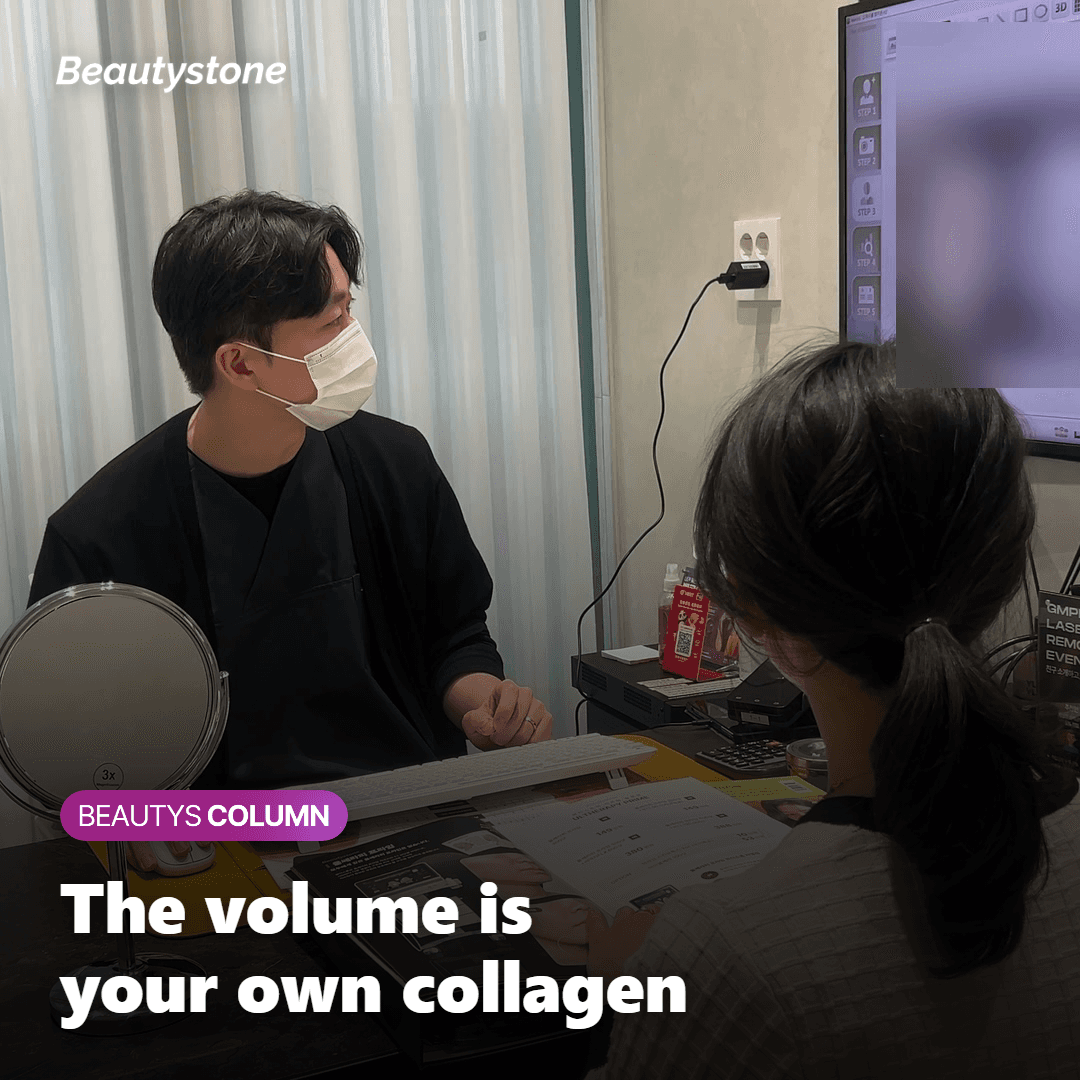
This is usually the part people care about most, so let's tackle it head-on. The key thing to hold onto is that the volume is your own collagen, not a foreign gel waiting to be flushed out.
Collagen is a structural protein that settles firmly into the tissue beneath your skin. At that point it's part of your body, and a few weeks of running or lifting isn't going to dissolve it. So the fear of "I started cardio this month, so it'll all be gone by next month" really isn't something you need to lose sleep over.
That said, it isn't completely unrelated either. Over the longer term, a few factors can influence how long your results hold up:
Sharp weight loss: When facial fat drops significantly, your face can look less full overall, even if the collagen itself is fine.
Natural age-related collagen decline: This happens to everyone over time, treatment or not.
Sun exposure and smoking: Both are well known for speeding up collagen breakdown.
So the more realistic concern isn't "exercise" by itself. It's the significant weight loss that sometimes comes with intense training, plus everyday lifestyle habits that quietly affect your skin.
Does a Fast Metabolism Shorten How Long It Lasts?
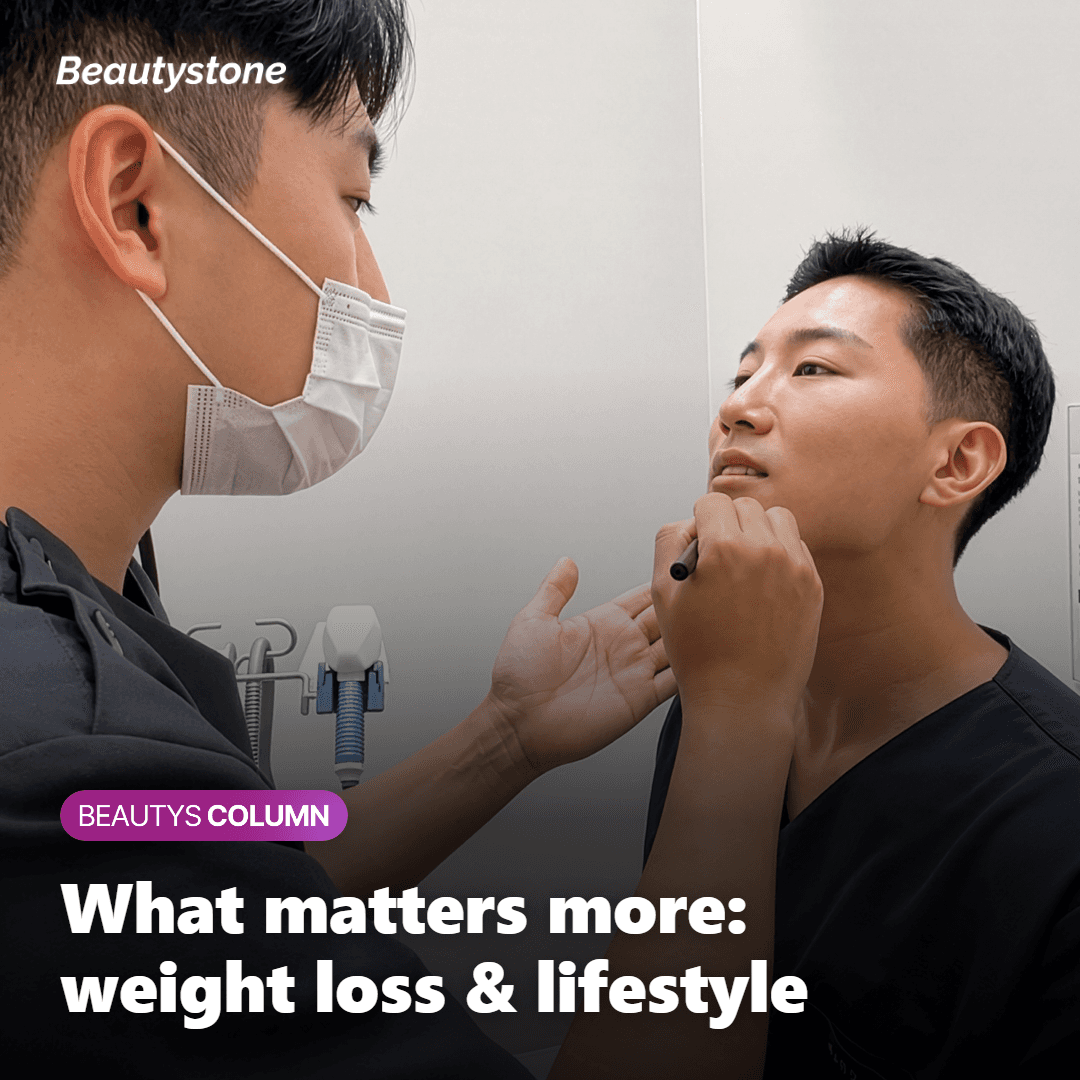
A lot of people picture it this way: if you've got a fast metabolism, your volume must burn off quicker. It's an understandable assumption, and metabolism does play a role in breaking down the PLLA. But that's only a temporary process in the early phase, right after your treatment.
What matters far more is the collagen that remains after the PLLA is gone. The lifespan of collagen that's already been built isn't dramatically dictated by how fast your metabolism runs. So having a quick metabolism, on its own, isn't likely to make finished volume drop off suddenly.
If anything, people who stay healthy through balanced living tend to keep their collagen-producing fibroblasts working well. Moderate exercise as part of an overall healthy routine can actually support the foundation of your skin over the long run, rather than working against it.
Keep in mind, though, that this is a highly individual area. Your skin type, the number of sessions you've had, and the amount injected all shape how long things last. For your specific case, the most reliable answer comes from a consultation, where a doctor can look at your situation directly.
How to Help Your Results Last Longer
Once the mechanism clicks, the practical steps get a lot clearer. None of this is complicated. It's really about protecting the foundation of your skin and your overall health.
Make sun protection a habit: Daily sunscreen is one of the simplest ways to protect your collagen.
Avoid crash dieting: If you're going to lose weight, do it gradually so your face keeps more of its fullness.
Don't smoke, and drink in moderation: This helps keep your skin's repair environment in good shape.
Complete your recommended sessions: Sculptra builds collagen in stages, so finishing the planned course matters for how long your results hold.
And to be clear, you absolutely don't need to give up exercise. Keep living a healthy, active life. Just fold in the habits above, and you're doing the most important things to protect your investment.

Side Effects, Risks, and Safety Notes
Sculptra uses a material your body absorbs, but it's still a medical procedure, so there are things to be aware of. You may see swelling, redness, or bruising at the injection sites, and in rare cases, small lumps known as nodules can form. Results and longevity vary from person to person, and no clinic can promise the exact same outcome for everyone.
Some people aren't good candidates, including those with certain medical conditions and anyone who's pregnant or breastfeeding. Before you decide, see a qualified doctor for an in-person assessment so you get advice matched to your situation, including a realistic picture of downtime and possible side effects. If any unusual symptom lingers longer than expected, don't try to diagnose it yourself. Reach out to your clinic promptly.
The Bottom Line
The volume from Sculptra isn't the PLLA we inject. It's your own collagen, built in response to that gentle stimulus. That's why ordinary exercise won't make it fade fast, and why metabolic speed alone doesn't decide how long it lasts.
The factors that genuinely matter are lifestyle-related: major weight loss, sun exposure, and smoking. So keep exercising, protect the foundation of your skin, and you'll give yourself the best shot at enjoying your results for the long haul. When in doubt about your own case, a quick consultation with your doctor is always the smartest move.
Frequently asked questions
Q. If I start exercising more, will my Sculptra volume fade faster?
A. Ordinary exercise won't make your volume disappear quickly. What you see isn't the injected material, it's your own collagen, which settles firmly into the tissue beneath your skin. That said, if heavy training leads to significant weight loss, your face can look less full because facial fat has dropped, even though the collagen itself is fine.
Q. Does a fast metabolism mean it won't last as long?
A. Metabolism does help break down the PLLA, but that's only a temporary process in the early phase after treatment. The volume is held up by the collagen that remains afterward, and its lifespan isn't dramatically tied to how fast your metabolism runs. So a quick metabolism on its own isn't likely to make finished volume drop off suddenly.
Q. Why does Sculptra take so long to show results?
A. Because the injected PLLA doesn't become volume instantly. Instead, it acts as a stimulus that prompts your body to build collagen gradually, which takes weeks to months. That's why the results appear slowly, and it's also part of why the effect tends to last a comparatively long time once it's there.
Q. Is there anything I can do day to day to help it last?
A. Making sun protection a habit, avoiding crash diets, not smoking, and drinking in moderation all help protect your collagen foundation. You don't need to quit exercising at all. And completing the number of sessions your doctor recommends also plays a real role in how long your results hold up.
![[Wi Young-jin] Sculptra nodules? Why '5-5-5 massage' matters](https://framerusercontent.com/images/s1UCjSsM9psyNPMJmVnU0h0.jpg?width=1080&height=1080)


![[Wi Young-jin] Sculptra 3-Session Package: Why Not at Once?](https://framerusercontent.com/images/05xhMvbOUj2YiU4scHROwwLx1s.jpg?width=1080&height=1080)


Contouring & Volume
Hip Dip Filler Before and After: 4 Checks

Body
Potenza Treatment Interval: Why 4 Weeks?

Lifting
Ultherapy Before and After: Why Wait 90 Days?

Contouring & Volume
Belotero Revive Cost: 2cc Price vs. 3 Sessions

skin
Lip Hyperpigmentation Laser: Does It Work?

Contouring & Volume
Men's Forehead Filler: Hollow or Just Lines?