

Does LDM really work, and who is it for? A specialist on results, cost, and downtime — no hype.
Published -
Updated -

Author
Wi Young-jin · Chief director
Seoul National University College of Medicine · Seoul National University Hospital Specialist
→
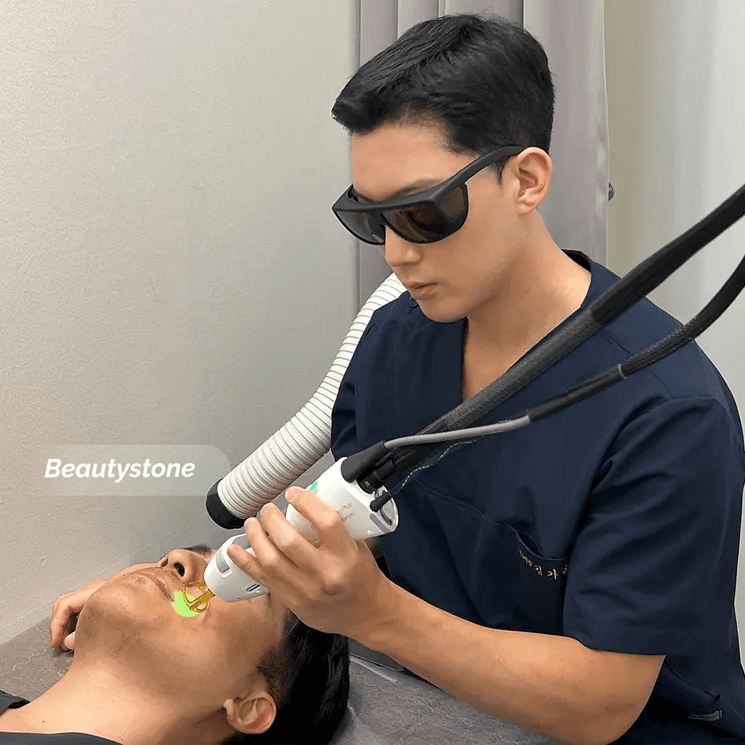
Here is the short answer first: LDM (Local Dynamic Micro-massage) is a low-intensity ultrasound micro-massage that works the skin without heat — it is not a laser. Across the five concerns rated below, it does the most for a damaged skin barrier and for recovery after another treatment, a step less for redness and sensitivity, and only a supporting role for dryness, loss of firmness, and acne-prone skin, where it depends on how inflamed you are. What moves that answer: which concern you have, how inflamed your skin is that day, and whether LDM is used alone or paired. It is not a miracle device, and individual results may vary.
A quick note on who is talking: this is general information from Beautystone, a skin clinic in Seoul. I am Dr. Wi Young-jin, a Seoul National University-trained specialist. I am not in the US, so think of this as educational background rather than a substitute for an in-person consult with a qualified provider near you.
"LDM? What even is that? It doesn't sound like a laser, but something about ultrasound?" That is one of the most common questions I hear. The name is unfamiliar, so even after searching online many people still aren't sure whether it works or where to get it. Below is what I have seen it do, and not do, with patients.
Last updated June 2026.
🧬 1. What LDM Is, in Plain Terms
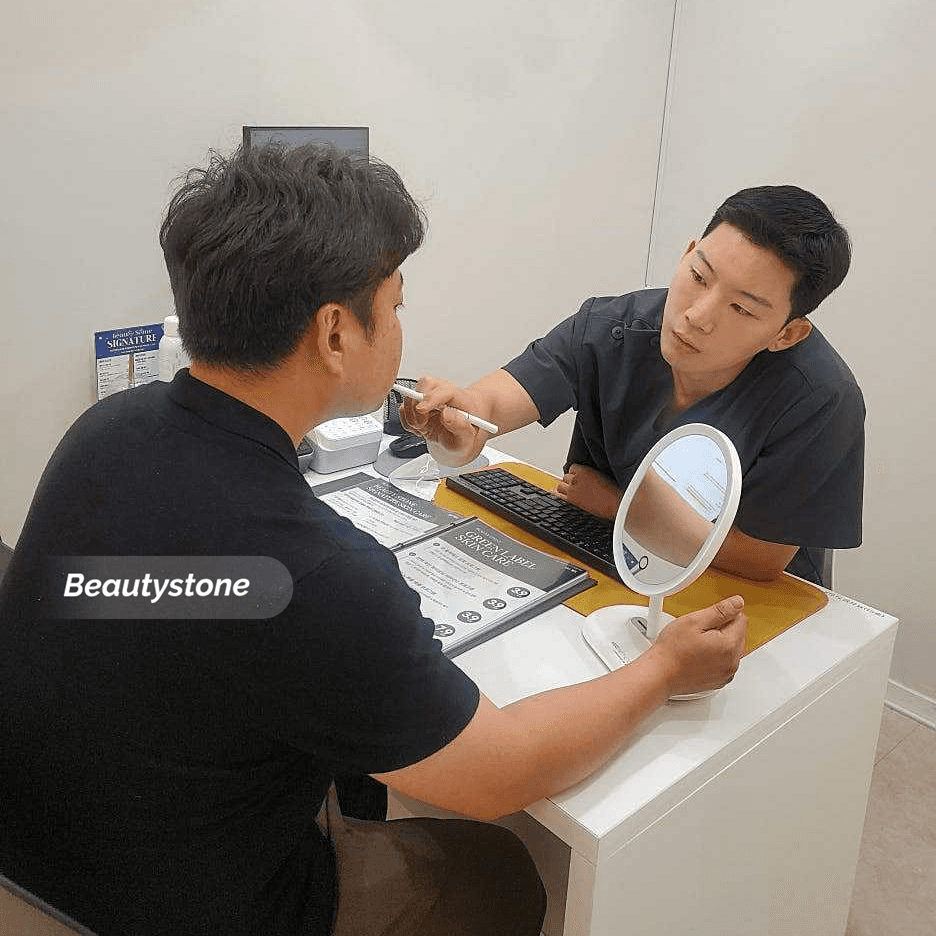
LDM stands for Local Dynamic Micro-massage. In plain terms, it rapidly alternates ultrasound frequencies to create a gentle micro-massage effect deep in the skin.
Unlike a laser, there is no heat and nothing is burned. Instead, the sound-wave vibration nudges the skin to calm down and repair itself. That is why redness or scabbing after a session is rare.
For sensitive or delicate skin, or anyone who can't take much downtime, that gentle, no-heat mechanism is exactly why I reach for it. One honesty note on terminology: there is no well-known US FDA clearance specific to the "LDM" name, so I won't claim an FDA status here — ask your own provider what device they use and how it is cleared in your country.
🎯 2. Which Skin Concerns Does It Actually Help?
From treating patients in Seoul, here is where LDM sits across those five concerns, strongest first:
A compromised, "broken-down" skin barrier — the top indication
Faster recovery after another treatment
Skin that keeps flushing red or stinging, or shows visible capillaries (rosacea-type)
Dryness, loss of firmness, or acne-prone skin — a supporting role only
It is also used as a complementary, supportive treatment for atopic (eczema-prone) and rosacea-prone skin. Individual results may vary, and it is not right for every skin type. Honestly, during an extremely reactive flare it can actually irritate skin — so a consultation to confirm suitability should come first. Why the ratings split that way: the no-heat vibration is aimed at calming and repairing, so it does most where the problem is a stressed or healing barrier, least where it is firmness or active inflammation.
📊 Suitability by skin concern
Skin concern | LDM suitability | Notes |
|---|---|---|
Damaged skin barrier | ⭐⭐⭐⭐⭐ | Top indication |
Redness · sensitivity | ⭐⭐⭐⭐ | Take a gradual approach |
Post-treatment recovery | ⭐⭐⭐⭐⭐ | Shortens recovery when paired |
Dryness · loss of firmness | ⭐⭐⭐ | Best combined with other treatments |
Acne-prone skin | ⭐⭐⭐ | Depends on inflammation level |
⚠️ 3. What to Watch For & How to Choose a Provider
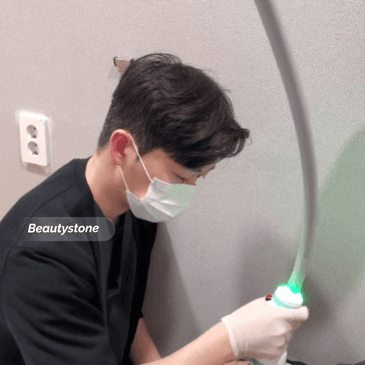
LDM is a relatively safe treatment, but the device settings and the head selection drive the result. How the frequency combination and pressure are applied changes the outcome — so I think "who applies it and how" matters more than "we have a fancy machine."
What to look for in a provider: someone who actually assesses your skin and adjusts the settings before treating you, rather than handing you off. At our clinic the doctor performs the treatment directly — no delegated or technician-only sessions — and I set the parameters after looking at your skin.
What to expect on the day:
Treatment time: about 20–30 minutes
Discomfort: minimal for most people
You can usually cleanse and wear makeup the same day
🚫 When to skip it — avoid LDM right after a laser, over open wounds, or during severe active acne. And a red-flag reminder: spreading redness, increasing pain, warmth, or signs of infection after any treatment are not "normal healing" — contact your provider promptly or seek urgent care.
What does it cost? Pricing depends on the area and how it is combined with other treatments, and it varies a lot by provider, city, and country. As a rough ballpark, gentle ultrasound facial sessions in the US often run somewhere around $150–$400 per session and are frequently sold in packages. LDM is normally a course rather than a one-off, so price the package, not the single visit. Treat any number as an estimate and confirm with your own provider. Before price, I'd weigh "who is doing it" and "what protocol they use." Many US clinics also offer financing such as Cherry or 0% APR plans if that helps.
Is it worth it? Honestly, it depends on the goal. For calming a reactive, barrier-damaged complexion or speeding recovery after another procedure, the low downtime and gentle feel make it an easy yes for many people. If you are chasing dramatic lifting or wrinkle erasure, LDM alone won't do that — it helps reduce the appearance of redness and supports the barrier, and is best paired with other treatments for firmness. Individual results may vary.
💬 Frequently Asked Questions
Q1. Will I see results after just one LDM session?
If the goal is barrier repair, some people notice more hydration or calmer skin after just 1–2 sessions. For steady improvement, 1–2 sessions a week for 4–6+ sessions is typical. It depends on your skin, so a provider should map out a schedule at your first consult. Individual results may vary.
Q2. Does it hurt, and is there downtime?
Most people feel little to nothing — it is a gentle micro-massage, not a heat-based laser, so discomfort is usually minimal and there is little to no visible downtime. You can typically cleanse and wear makeup the same day. If anything, mild temporary redness can occur and settles quickly.
Q3. Can I combine LDM with other treatments?
Yes — combining often gives better results. It pairs well with post-laser or post-peel recovery and with hydrating or calming ampoules. Doing it the same day as a strong laser needs to be judged case by case based on your skin condition, so ask your provider.
If you are researching LDM, the practical move is to have a qualified provider look at your skin in person before you decide. For readers in Seoul, our clinic is open Sundays and I personally handle everything from consult to treatment; otherwise, find a board-certified provider near you and book a quick follow-up with the clinic that treats you.
✦ You might also like
Content


skin
Why Does Fractional CO2 Take Longer to Heal?

Contouring & Volume
How Many cc Does Forehead Filler Need?

skin
Why Is My Skin Oily but Tight in the Fall?

Hair Removal
Underarm Laser Hair Removal Cost: Do the Math

Tattoo removal
Laser Before a Cover-Up: How Many Sessions?

skin
큐어젯 다운타임, 다음 날 출근과 화장은 언제부터 될까요?