

Same ultrasound, different depths. See how Sofwave and Shurink differ on pain and downtime.
Published -
Updated -

Author
Wi Young-jin · Chief director
Seoul National University College of Medicine · Seoul National University Hospital Specialist
→
If you've been looking into ultrasound lifting, you've probably seen "Sofwave" and "Shurink" mentioned side by side and wondered whether they're completely different treatments or two versions of the same thing. The first question most people ask is, "Which one hurts less?"
The short answer: both use ultrasound to concentrate heat deep in the skin and trigger collagen rebuilding, but they deliver that heat at different depths and in different ways. That's why how much they hurt, and the few days of downtime right after, can feel so different. Rather than one being flat-out "better," the right choice comes down to how much discomfort you can tolerate and whether you're trying to lift deeper sagging or gently firm up overall texture.
This article rounds up treatment information from Beautystone in Hapjeong.
What you'll learn
Whether Sofwave and Shurink are the same family or two different approaches
How the two treatments differ on pain, downtime, and results
How to decide which one fits which person
What's worth checking before your appointment
Why it's hard to choose between Sofwave and Shurink
Ultrasound lifting works by concentrating heat in the deeper layers of the skin, without breaking the surface, to draw out collagen renewal. But the single word "ultrasound" actually covers a few different ways of delivering that heat, which is why the question of whether Sofwave and Shurink are the same or different gets so muddled online.
Here's the key point up front: the two heat the skin at different depths. Sofwave uses multiple parallel ultrasound beams to warm the mid-dermis (about 1–2mm), protecting the surface while improving texture and firmness. Research showing that high-intensity parallel ultrasound preserves the epidermis while increasing collagen and elastin in the mid-dermis confirms that this approach focuses on a relatively shallow layer.
downtime*: the stretch of time when traces like redness or swelling linger after a treatment, pushing back your return to normal life. The shorter it is, the easier it is to go about your day right after.
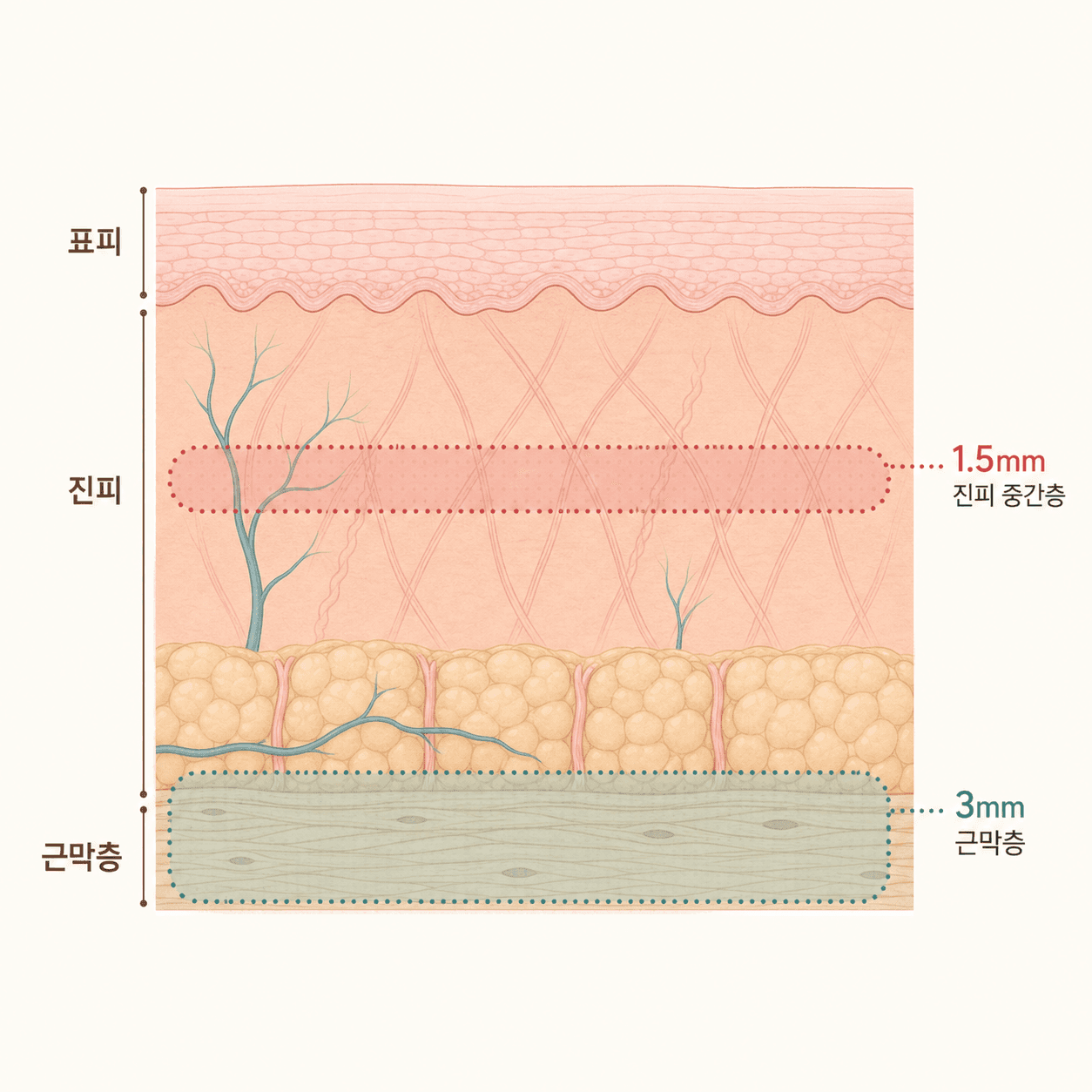

Same ultrasound, so what's actually different? Start with the core gap
The biggest difference is the depth the heat reaches and the beam style. Shurink uses micro-focused ultrasound* to place dots in deeper layers (down to the SMAS), leaning toward lifting sagging structure, while Sofwave uses parallel beams to broadly warm the mid-dermis, leaning toward improving texture and firmness. When the depth changes, the pain and downtime follow.
micro-focused ultrasound*: a method that concentrates ultrasound into tiny dots at a set depth inside the skin. It delivers heat all the way down to the deep SMAS layer to lift sagging structure.
Category | Sofwave | Shurink |
|---|---|---|
Method | Parallel ultrasound beams | Micro-focused ultrasound (dot focus) |
Main depth | Mid-dermis (1–2mm) | Dermis to SMAS (includes deep layers) |
Main strength | Texture, firmness, fine lines | Lifting deeper sagging |
Pain felt | Relatively milder | More noticeable in deeper layers |
Downtime | Short | Short, but redness and dull ache more likely |
Numbing | Light or skipped | Numbing cream recommended |
As the table shows, the two share the same big-picture frame of "ultrasound," but they differ in whether the heat goes shallow and wide or deep and pinpointed. So the direction of the effect (collagen renewal) overlaps, while pain and downtime are where they part ways — that's the easiest way to think about it.

Pain, downtime, and results: where do they really split?
Pain is usually felt more strongly the deeper the heat concentrates, and the closer it is to bone. Shurink places dots all the way down to the deep SMAS layer, so there's more of a sharp, zapping sensation in the moment, which is why numbing cream is recommended. Sofwave warms the mid-dermis broadly, so many people find it relatively less painful. That said, pain varies a lot from person to person, so rather than assuming, it's best to fine-tune the intensity with your provider before the treatment.
Downtime is short for both. A bit of redness or swelling right after, and a dull, pressed feeling for a few days, are common reactions that mostly settle on their own without any treatment. Since Shurink stimulates deeper layers, redness or dull aching may come on a little more, but the return to daily life itself is quick with both.
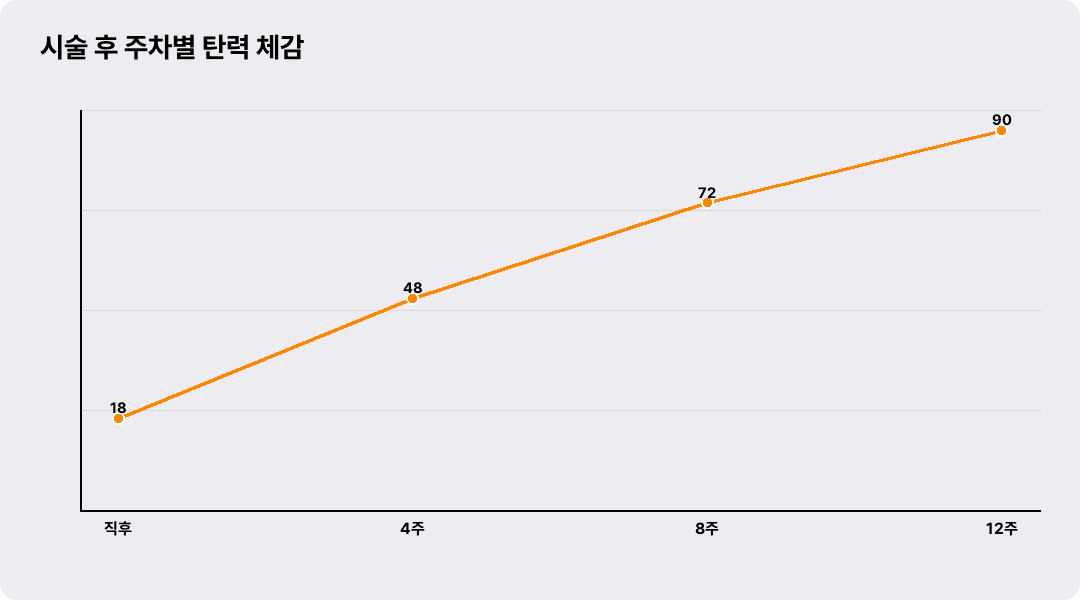
Results show up not right after the treatment but over the weeks to months as new collagen fills in. As research showing that micro-focused ultrasound reweaves collagen and elastin at thermal coagulation points suggests, if deeper sagging is your concern, Shurink's deep stimulation may fit better, and if texture and firmness are the issue, Sofwave's broad stimulation may be the better match.

Why Beautystone in Hapjeong
Rather than leading with "which device is pricier and better," Beautystone in Hapjeong first looks at how much discomfort you can tolerate and whether your concern is deeper sagging or texture and firmness, then decides on the approach. Even with the same ultrasound, going shallow and wide versus deep and pinpointed changes the pain and downtime, so we read your skin condition and pain sensitivity and decide together. It's a small clinic within walking distance of Hapjeong Station, so we can watch each person's recovery pace and plan the next step together.

Worth checking before you go in
Even with the same ultrasound, the right choice shifts depending on your situation, so sorting out a few things ahead of time will put your mind at ease.
Pain sensitivity — if you're quite sensitive, line up the relatively gentler Sofwave and your numbing level in advance
Whether your main concern is deep sagging or texture and firmness — for deep sagging, look at Shurink; for texture and firmness, look at Sofwave
Room for downtime — redness and dull ache can last a few days, so leave some buffer before any big occasion
Spacing between sessions — collagen renewal unfolds over months, so judge results with time on your side
Combining with other treatments — the order with things like filler or Botox is best decided in consultation with your provider
This article rounds up general information, so whether a treatment suits you and which approach to choose are safest decided in consultation with a provider who examines you directly.

Frequently asked questions
Q. I'm scared of pain — does Sofwave really hurt less?
A. Because it warms the mid-dermis broadly, many people find it less painful than Shurink, which places deep dots. That said, pain varies a lot from person to person, so it's hard to say for certain. Either way, settling on your numbing level and energy intensity with your provider before the treatment makes it much more comfortable.
Q. Long downtime would be a problem — how many days does it last?
A. Downtime is short for both treatments, so you can usually get back to daily life from the next day. A bit of redness or swelling right after is common and settles within a few days. Since Shurink stimulates deeper layers, redness and dull ache may come on a little more, so leaving a few days' buffer before any important occasion is reassuring.
Q. When do the results start to show?
A. Both treatments may give a slight tightening feeling right after, but the real change appears slowly over the weeks to months as collagen fills in. You'll usually start to notice it around week 4 and it tends to settle near week 12, so it's best to judge results with time on your side.
Q. For deep sagging, which one fits better?
A. Shurink, which places dots down to the deep SMAS layer, leans toward lifting sagging structure. If your concern is texture, fine lines, and overall firmness, Sofwave, which warms the mid-dermis broadly, may fit better. It's best to look at the degree of your sagging and decide together with your provider.





skin
Fraxel CO2: Why Prices Vary & What to Check

skin
How to Choose an Acne Dermatologist: 5 Signs

Contouring & Volume
Nasolabial Folds: When Lifting Isn't Enough

skin
Sculptra Cost: Why Sessions and Vials Matter

Lifting
After Shurink Universe: Wash, Work Out & Drink

skin
Sofwave Before a Wedding: Timing Guide