

Ultrasound (Sofwave) or microwave (Onda) lifting? Compare depth, feel, and recovery to choose.
Published -
Updated -

Author
Wi Young-jin · Chief director
Seoul National University College of Medicine · Seoul National University Hospital Specialist
→
If you've been researching lifting devices, Sofwave and Onda probably keep coming up. Both promise to lift sagging skin without a scalpel, but once you're in a consultation you hear "it's ultrasound" or "it's radiofrequency-type," and it's easy to walk away unsure what actually sets them apart.
The short answer: both use heat to stimulate collagen, so the big picture is the same. What differs is how that heat is delivered and how deep it reaches. That's why each one suits slightly different concerns, and why they feel a little different afterward. Rather than asking which device is "better," it helps to ask which approach better fits your skin and the change you're after.
This article rounds up treatment information from Beautystone in Hapjeong.
What you'll take away
How Sofwave and Onda deliver heat differently
What skin depth each device reaches, and which concerns each suits
What the pain and recovery actually feel like afterward
What to weigh when choosing so you're less likely to have regrets
Both use heat to wake up collagen, but they reach different depths
Both devices create heat within the skin to trigger collagen remodeling*. When collagen fibers are heated, they contract slightly right away, and over the following weeks fresh collagen fills in, leaving the skin firmer. The difference lies in how far the heat travels, and how it gets there.
collagen remodeling*: the process where heated collagen fibers contract, then over several weeks new collagen forms and skin firmness is restored.
Sofwave focuses ultrasound energy into the dermis. When ultrasound concentrates on a single point, it creates a tiny coagulation point there, and that micro-injury becomes the signal for collagen renewal. This explanation of how ultrasound energy forms micro-coagulation points from the dermis down into deeper layers to drive collagen contraction and renewal makes it clearer why results from a single session reveal themselves gradually over several weeks. Onda uses microwave energy to send heat all the way down into the fat layer beneath the skin, so even for the same goal of lifting, the layer it targets tends to sit a bit deeper and wider.


Ultrasound vs microwave: comparing the two approaches
They fall under the same lifting category, but when the energy type differs, so do the depth and the feel. Lining the two devices up side by side, here's how it breaks down.
Category | Sofwave | Onda |
|---|---|---|
Energy type | Ultrasound | Microwave |
Main layer reached | Dermis-focused | Dermis to subcutaneous fat |
Best-suited concerns | Fine lines, texture, firmness | Sagging contours, localized fat |
Sensation during treatment | Sharp warmth | A warming, heated feeling |
Surface cooling | Built-in cooling | Cooling function included |
The table shows that even within the same "lifting," the two work on different areas. Sofwave tends to shine at the texture and firmness closer to the skin's surface, while Onda is stronger at refining the contour in deeper layers. So rather than seeing them purely as rivals, some cases call for using each on different areas, or even combining them.
Which device fits which concern
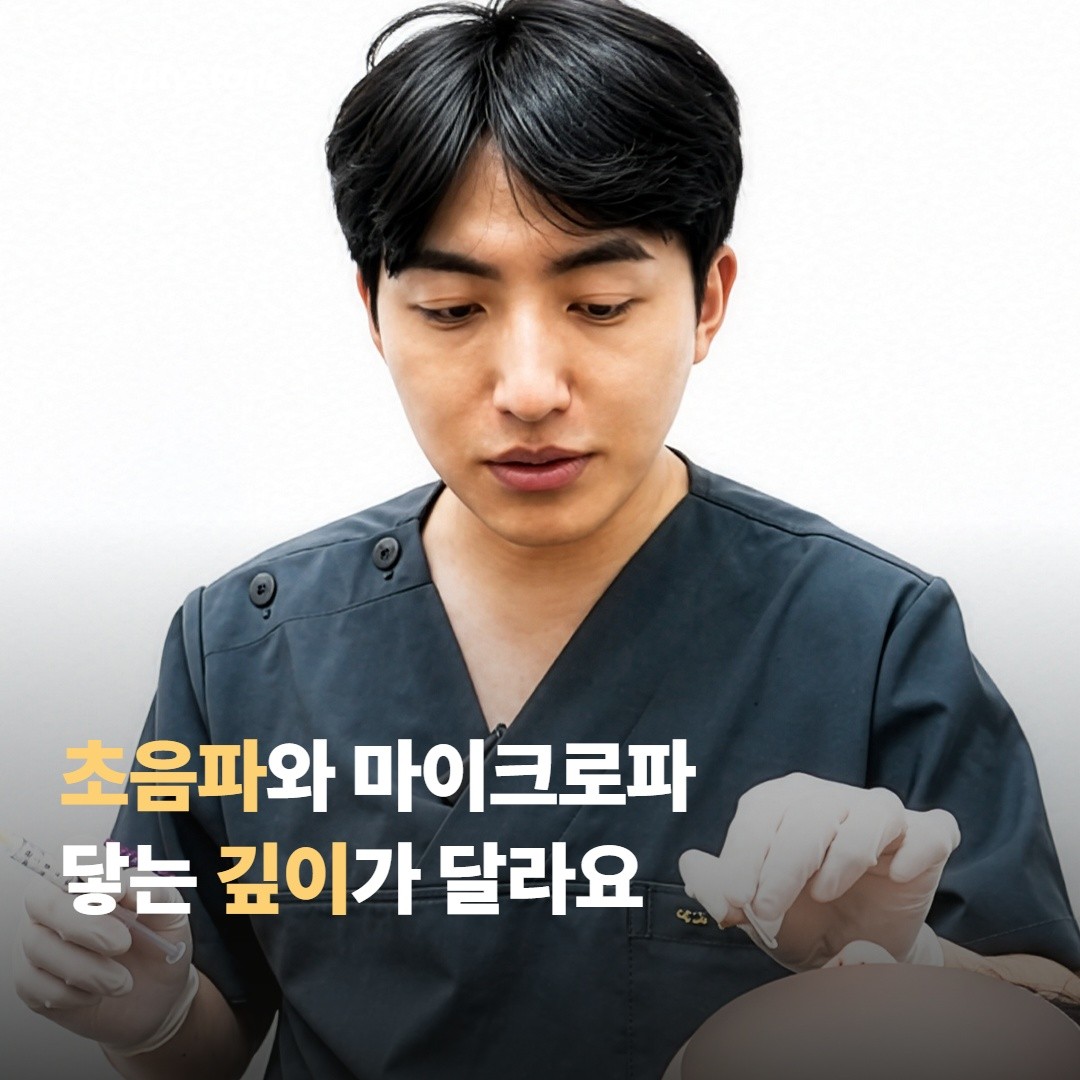
Before the device name, the first thing to look at is which layer your concern lives in. If fine lines and texture near the surface are what bother you, an approach that focuses on the dermis is a good match. If a blunt-looking jawline or sagging below the cheeks is the issue, an approach that sends heat into deeper layers helps.
If your skin is thin and sensitive, the heat during treatment and the recovery feel also factor into your choice. If you're sensitive to pain, you might lean toward the gentler, warming approach; if you prefer one clear, decisive stimulus, the focused approach is worth considering. That said, even with the same device, the output and treatment depth have to be set differently for each person, so the final call is safest made with a clinician who has actually looked at your skin.
Why Beautystone in Hapjeong
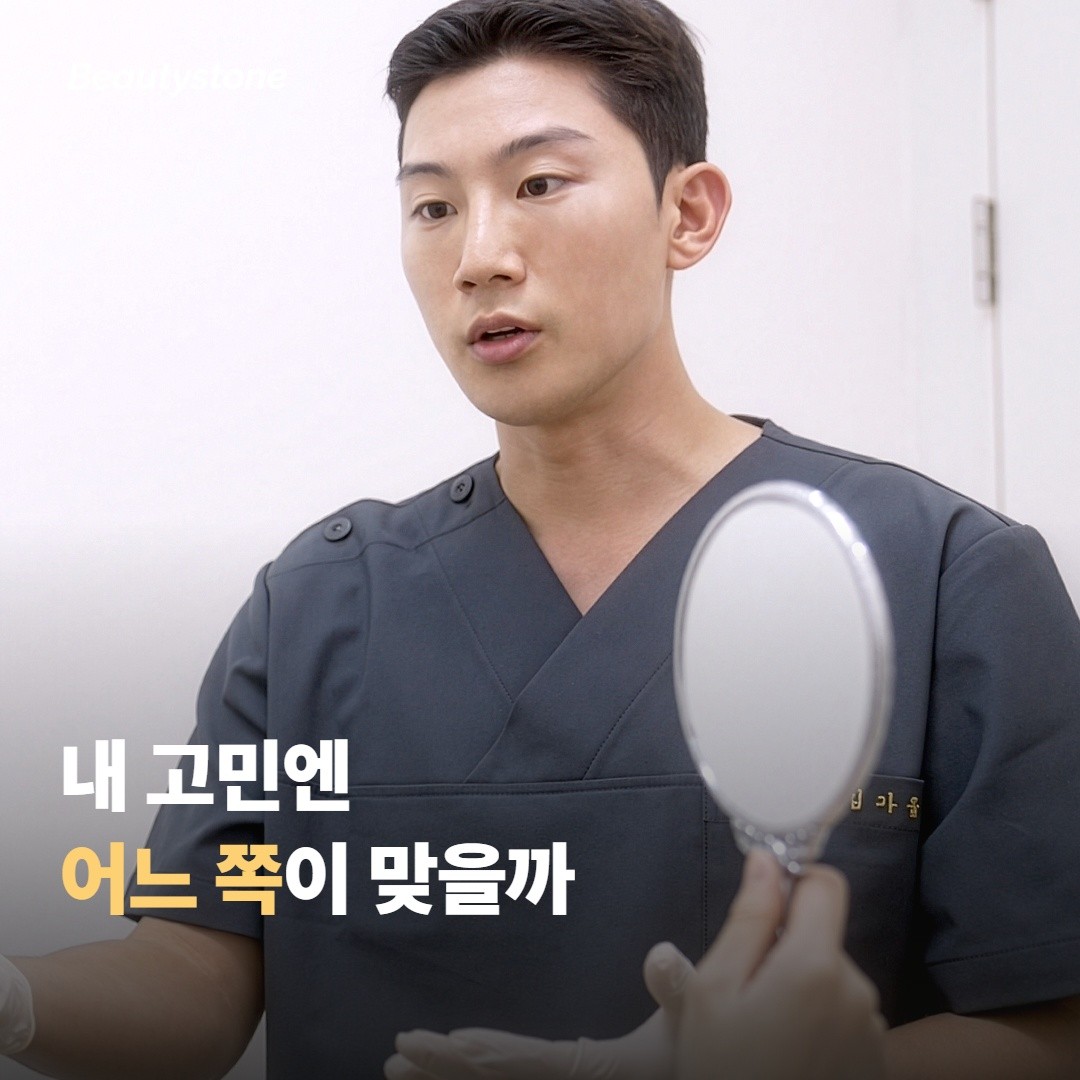
Rather than leading with a device name, Beautystone in Hapjeong tends to first pinpoint which layer your concern belongs to. Even the same sagging can be a matter of dermal firmness or a deeper loss of volume, and the right approach shifts accordingly, so we look at each person's skin thickness and recovery pace before settling on the device and output. As a small clinic within walking distance of Hapjeong Station, we can watch how things progress after treatment and fine-tune the next timing together.

How the treatment and recovery go
Both devices start with numbing cream applied, and the treatment itself runs about 20 to 40 minutes depending on the area. During it you'll feel heat rising and easing, and right after you may have a little redness or a lingering warmth. For most people this settles within a few hours to a day, and you can usually get back to your day the same day.
The results sharpen over time rather than right after the procedure. Since it takes a while for new collagen to fill in, firmness usually climbs in stages over several weeks. Week by week, it tends to trace roughly this curve.
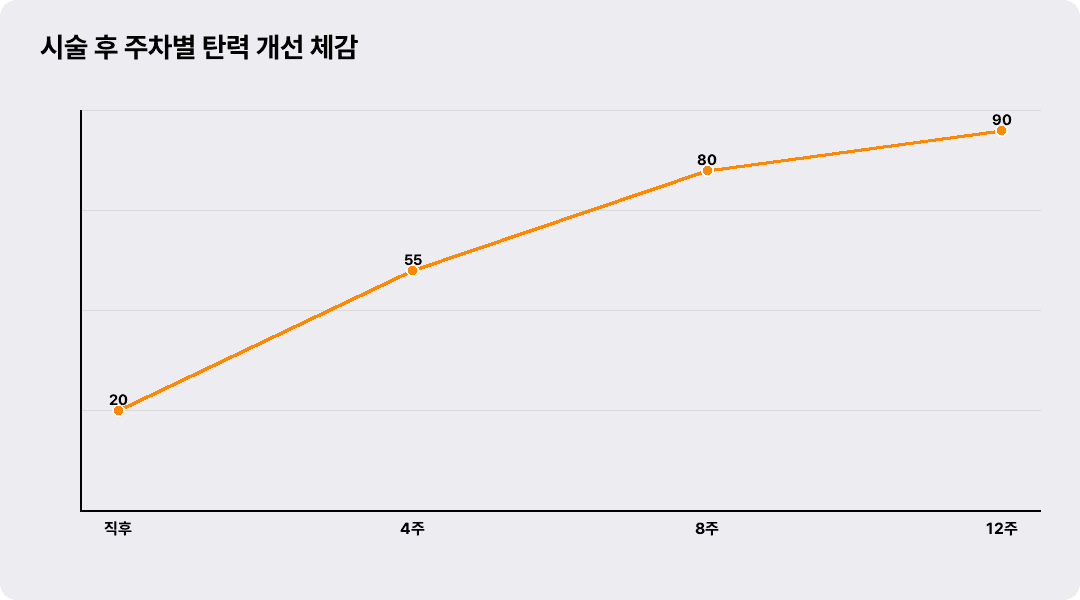
Because the effect rises slowly like this curve, it's better to give it about 8 to 12 weeks and watch the change rather than judging right after one session. How long it lasts varies from person to person, so the timing of your next treatment is safest decided with a clinician as you track progress. This article rounds up general information, so whether a procedure is right for you is best decided in consultation with a clinician who has examined you in person.

Frequently asked questions
Q. Do I have to pick just one between Sofwave and Onda?
A. Not necessarily. The two devices reach different layers, so depending on the area of concern you might split them by region or use them together over time. That said, rather than overdoing both in a single day, it's steadier to decide on your highest-priority concern first and watch how it goes. Which combination fits is best decided with a clinician after looking at your skin.
Q. Will I see results right after the treatment?
A. You may feel a slight tightening right away, but the clear change shows up over time. It takes a few weeks for new collagen to fill in, so results usually peak somewhere between 8 and 12 weeks. That's why it's better to give it about two months rather than judging after a single session.
Q. How much does it hurt?
A. Since it's done with numbing cream applied, it's often not hard to bear. Sofwave is mostly described as a sharp warmth, and Onda as a warming, heated feeling. Pain sensitivity varies from person to person, so if you let us know beforehand, we can adjust the output and pace for you.
Q. Is there anything to be careful about afterward?
A. On the day of treatment, it's best to avoid activities that sharply raise heat and blood flow, like saunas, hot rooms, or intense exercise. Be more thorough than usual with sun protection. Redness or warmth usually settles within a day, but if swelling or pain continues after several days, please check in with the clinician who treated you.


skin
Fraxel CO2: Why Prices Vary & What to Check

skin
How to Choose an Acne Dermatologist: 5 Signs

Contouring & Volume
Nasolabial Folds: When Lifting Isn't Enough

skin
Sculptra Cost: Why Sessions and Vials Matter

Lifting
After Shurink Universe: Wash, Work Out & Drink

skin
Sofwave Before a Wedding: Timing Guide