

Does Onda lifting hurt? Here's what it feels like — and whether you'll need numbing cream.
Published
Updated
Author
Wi Young-jin · Chief director
Seoul National University College of Medicine · Seoul National University Hospital Specialist
→
If you've been researching non-surgical skin tightening, you've probably come across Onda — and wondered whether it's going to hurt. It's one of the most common questions people ask before booking a session, and it makes complete sense. Nobody wants to sign up for something uncomfortable without knowing what they're getting into.
Here's the honest answer: most people find Onda lifting quite tolerable. The treatment uses microwave-based energy that targets the deeper layers of skin, and the sensation is typically described as warmth with intermittent pulses of heat — not the sharp, jolting pain some people fear. That said, everyone's skin and pain threshold are different, and certain areas of the face tend to be more sensitive than others.
In this article, we'll cover exactly what Onda lifting feels like, how clinics manage discomfort, whether numbing cream is necessary, and what to expect in the days after your session. If you're considering Onda at Beautystone, a dermatology clinic in Seoul's Hapjeong area, we'd recommend booking a LINE consultation first — that way, a provider can assess your skin and tell you honestly what your session will involve.
What Is Onda Lifting, Exactly?
Onda is a non-invasive body and facial treatment developed by DEKA that uses what the company calls "Coolwaves" — a proprietary form of microwave energy delivered at 2.45 GHz. Unlike ultrasound devices (which send energy deep into the SMAS layer) or radiofrequency devices (which heat the dermis broadly), Onda's microwave technology is designed to selectively target fat cells and fibrous tissue while keeping the surrounding skin relatively cool.
On the face, it's used primarily to tighten loose skin along the jawline, cheeks, and jowl area. On the body, it's often used for fat reduction and skin laxity. The handpiece simultaneously cools the skin surface while delivering microwave energy underneath — this dual-action design is one of the reasons the procedure tends to feel less intense than older RF lifting treatments.
It's worth noting that Onda is a cleared device for skin treatment in Korea and many markets, but as with any energy-based procedure, individual results vary and the treatment isn't a substitute for surgical intervention if significant sagging is present. Your provider's assessment matters here.
What Does Onda Actually Feel Like?
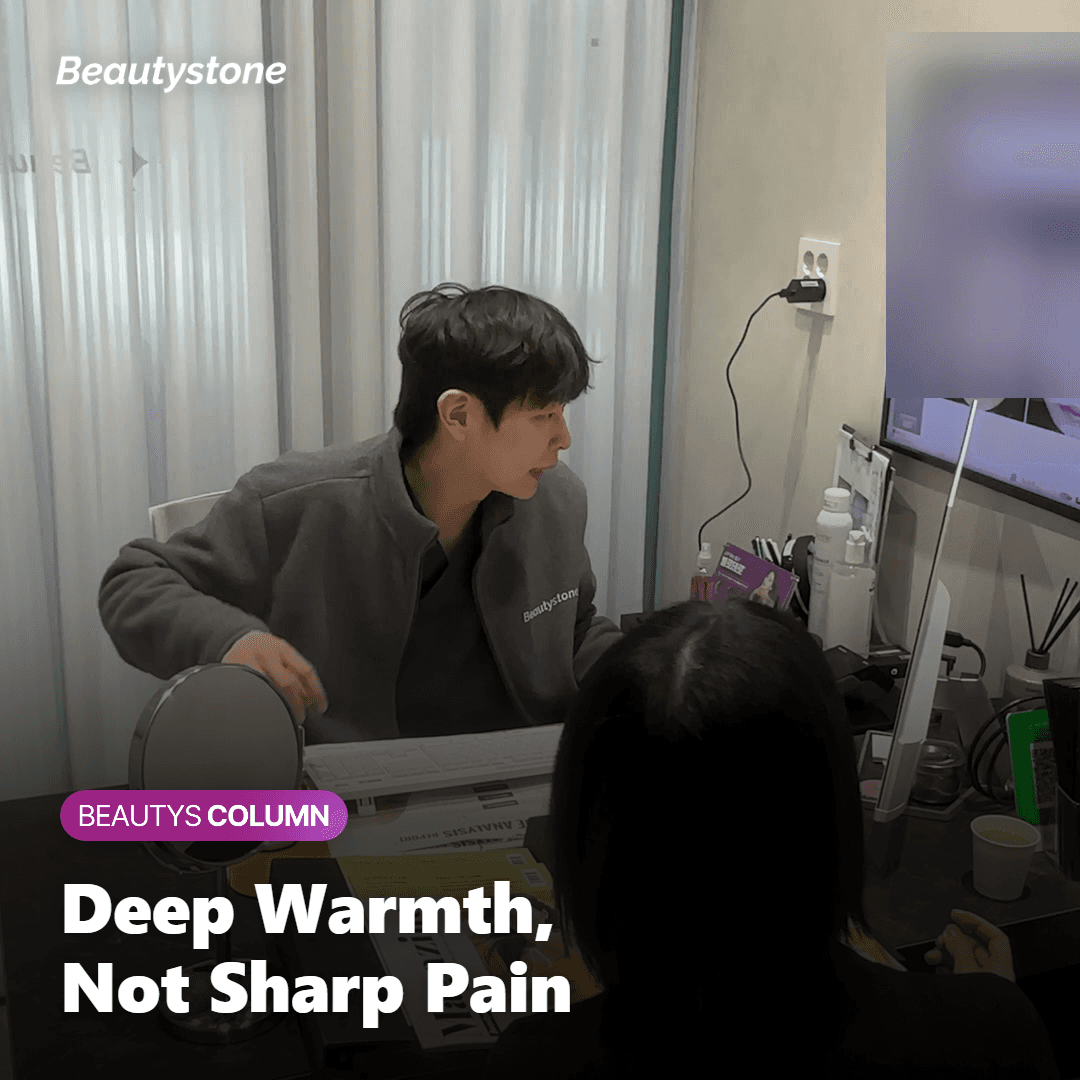
Most patients describe the sensation as a deep, pulsing warmth — similar to a hot stone being pressed briefly against the skin and then cooled. The integrated cooling system in the handpiece keeps the surface of your skin comfortable, so there's rarely a burning feeling. What you're more likely to notice is the internal warmth as the microwave energy reaches the deeper tissue.
Some areas are more sensitive than others. The bony prominences around the cheekbones and jawline tend to feel more intense, while fleshier areas of the cheeks are usually well-tolerated. The neck can be sensitive too, particularly if the skin there is thinner. A skilled practitioner will adjust the energy level based on your skin type, the area being treated, and your real-time feedback during the session.
Overall, the experience sits somewhere between "uncomfortable" and "noticeable" for most people — it's not a relaxing facial, but it's also not something most patients describe as genuinely painful. The session typically takes 20 to 40 minutes depending on the area, and you're able to communicate with your provider throughout so adjustments can be made if anything feels too intense.
Do You Need Numbing Cream for Onda Lifting?
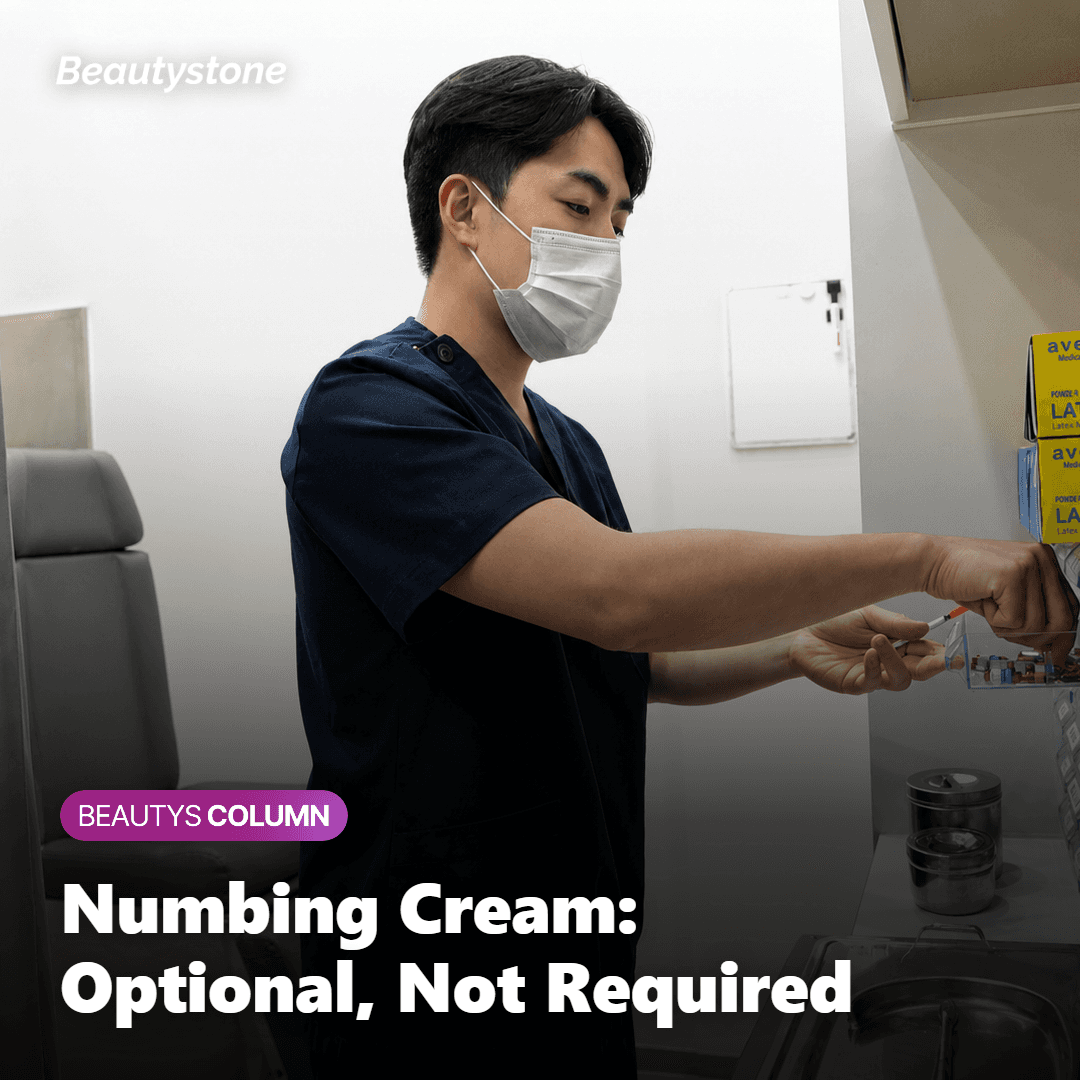
For many patients, topical anesthetic (numbing cream) isn't strictly required for Onda lifting — and this is one of the ways it differs from procedures like microneedling RF, where numbing cream is almost always recommended. The built-in cooling and the nature of microwave energy make the treatment more manageable than you might expect.
That said, clinics often offer numbing cream as an option, especially for patients who are more sensitive to heat or are treating particularly sensitive zones. If you're someone who tends to be pain-sensitive, or if this is your first energy-based treatment, it's absolutely reasonable to ask for topical anesthetic. It won't affect the treatment outcome, and it can make the experience considerably more comfortable.
The practical answer: you can likely get through a standard Onda facial session without numbing cream, but you don't have to. Discuss your concerns honestly with your provider during the consultation, and they'll help you decide what's right for your threshold and the specific areas you're treating. There's no award for toughing it out, and a more comfortable experience often means better cooperation with the provider's technique.
Side Effects, Risks, and What's Normal After Onda
Onda lifting has a relatively low downtime profile compared to ablative treatments, but you should still know what to expect. Here's a realistic breakdown:
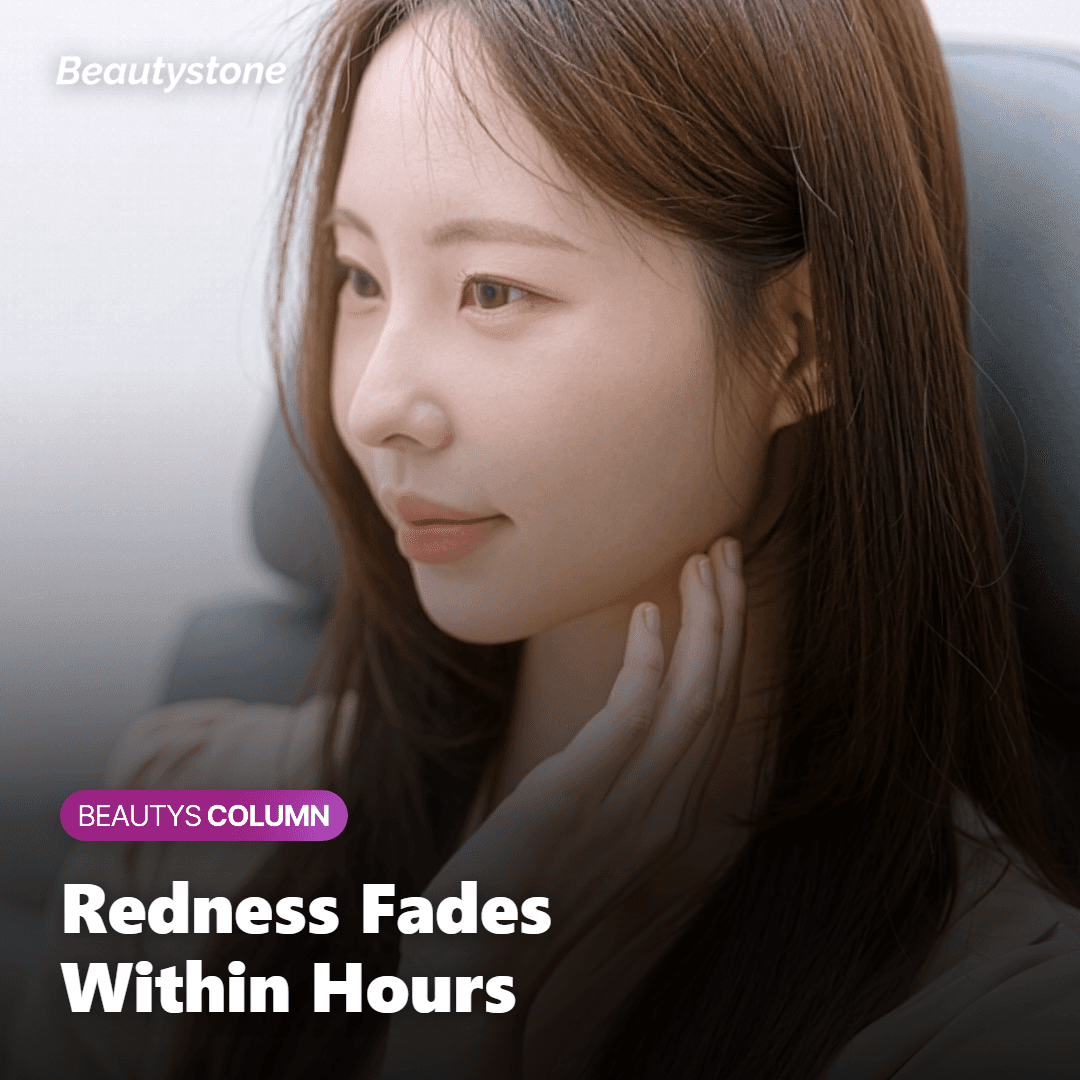
Common reactions (expected): Mild redness and warmth in the treated area are normal immediately after your session and typically resolve within a few hours to a day. Some patients notice a faint tingling sensation or a feeling of tightness in the skin — this is a sign the tissue has been stimulated and usually fades over 24 to 48 hours.
Less common but possible: Temporary swelling, particularly in areas with thinner skin, can occur and usually settles within a few days. Bruising is uncommon with Onda (unlike injectable treatments), but mild bruising can occasionally happen, particularly in sensitive facial zones. Individual results vary, and your provider will advise you on what's typical for your skin.
Red flags — seek medical care right away if you notice spreading redness beyond the treated area, increasing warmth or swelling after the first day, fever, or any blistering. These are not expected outcomes and should be evaluated by your provider promptly. Like any procedure, Onda comes with trade-offs, and working with a qualified practitioner who monitors your skin response is essential.
How Long Does Onda Lifting Take to Work?
It's important to set realistic expectations here. Onda isn't the kind of treatment where you walk out looking dramatically different the same day — in fact, the initial results you see on the day of treatment (if any) may be partly due to mild swelling and will settle as the tissue calms down.
The real lifting and tightening effects come from collagen remodeling, which takes time. Most patients start noticing gradual improvements around four to eight weeks after their session, with the full effect typically visible around three to four months. This is consistent with how energy-based collagen-stimulating treatments work in general — the energy triggers a repair response, and the new collagen forms over the following months.
Whether one session is enough or whether follow-up sessions are beneficial depends on your skin's condition, your goals, and how your tissue responds. Individual results vary considerably, and a provider who's seen your skin in person is in a much better position to advise you than any general guide can be.
Who's a Good Candidate for Onda Lifting?
Onda tends to work best for people who are starting to notice early skin laxity — mild to moderate sagging along the jawline, softening of the cheek contour, or early jowl formation — but who aren't ready for or interested in surgical options. If you're in your late 20s to 40s with relatively good skin quality and realistic expectations about what a non-surgical treatment can achieve, you're likely in the right range.
The procedure may be less suitable if you have significant, established sagging (where surgical lifting would be the standard recommendation), certain medical conditions that affect tissue healing, or active skin conditions in the treatment area. Pregnancy and nursing are also typically listed as contraindications for energy-based treatments.
The best way to know whether you're a good candidate isn't reading a guide — it's having a provider assess your skin directly. Don't skip the consultation step, especially for energy-based treatments where the right settings are as important as the device itself.
The Bottom Line
Here's what you actually need to know about Onda lifting and pain:
Most patients tolerate it well — the built-in cooling makes it more comfortable than many RF lifting treatments, and the sensation is typically described as warmth rather than sharp pain.
Numbing cream is optional — you don't need it to get through a standard facial session, but it's available if you're more sensitive or treating a particularly delicate area.
Results take time — expect gradual improvement over four to eight weeks, with the full effect at around three to four months. Individual results vary.
Downtime is minimal — redness and warmth typically resolve within hours to a day; bruising is uncommon.
Like any energy-based procedure, Onda isn't a one-size-fits-all solution, and outcomes depend on your skin condition, the provider's technique, and how your individual tissue responds. Ultimately, the best way to know whether it's right for you is a face-to-face consultation.
If you're considering Onda lifting, Beautystone is a dermatology clinic in Seoul's Hapjeong area. You can check current offers at /en/promotion or reach out via LINE to talk through whether Onda is the right fit for your skin goals.
Frequently asked questions
Q. How painful is Onda lifting on a scale of 1 to 10?
A. Most patients rate Onda lifting somewhere between a 2 and a 4 out of 10 — noticeable warmth with occasional pulses of heat, but not the kind of sharp or prolonged pain that would make you want to stop the session. The built-in cooling system in the Onda handpiece keeps the surface of your skin comfortable while the microwave energy works underneath. That said, individual pain tolerance varies, and areas like the bony cheekbone or jawline tend to feel more intense than fleshier parts of the face. If you're sensitive to heat or this is your first energy-based treatment, let your provider know so they can adjust settings accordingly.
Q. Can I get Onda lifting without numbing cream?
A. Yes — many patients go through a standard Onda facial session without any topical anesthetic. Unlike microneedling RF, where numbing cream is almost always recommended, Onda's integrated cooling makes the experience more manageable for most people. Clinics typically offer numbing cream as an option rather than a requirement. If you're more sensitive to pain, treating a particularly sensitive area, or simply prefer to be as comfortable as possible, asking for numbing cream is completely reasonable and won't affect your results. The decision comes down to your personal threshold and what you're comfortable with — discuss it during your consultation.
Q. How long does redness last after Onda lifting?
A. For most patients, redness and warmth in the treated area settle within a few hours after the session — sometimes sooner. By the next morning, most visible redness is typically gone. Some patients with more sensitive skin or who receive higher-energy passes may notice mild flushing for up to 24 hours, but this is generally considered within the normal range and isn't a cause for concern. Mild tightness or tingling can persist for a day or two as the tissue responds to the treatment. If redness is spreading, worsening after the first 24 hours, or accompanied by other symptoms like fever, contact your provider right away.
Q. When will I see results from Onda lifting?
A. Onda works by stimulating collagen remodeling in the deeper tissue, which means the most significant improvements come gradually rather than immediately. Most patients start noticing skin tightening and contour improvements around four to eight weeks after their session. The full effect typically becomes visible around three to four months post-treatment as new collagen continues to form. The changes tend to look natural precisely because they develop over time. Whether you'll benefit from additional sessions depends on your baseline skin condition and your goals — your provider can advise you on a realistic plan after seeing how your skin responds to the first treatment. Individual results vary.





Contouring & Volume
Calf Botox Timeline: When to Book Session 2?

Contouring & Volume
Thread Lift Cost: Smile Lines vs. Full Face?

Lifting
Oligio X Jawline Results: Why 3 to 6 Months?

Contouring & Volume
Forehead Botox: 3 Things a Good Clinic Checks

skin
CO2 프락셀 색소침착, 흉터 치료 뒤 갈색 자국은 언제 옅어질까요?

skin
켈로이드 주사와 CO2 레이저, 하얗고 딱딱한 흉터도 같이 하면 풀릴까요?