

Ultherapy vs Ultherapy PRIME, plainly: same FDA-cleared ultrasound lift, newer model. How they differ in depth, pain, downtime, and cost.
Published -
Updated -

Author
Wi Young-jin · Chief director
Seoul National University College of Medicine · Seoul National University Hospital Specialist
→
If you've been researching Ultherapy, the name "Ultherapy PRIME" has probably come up too — and a lot of people aren't sure whether it's a completely different treatment or just part of the same family. It's the first question most people ask at a consult: "So what's the difference between Ultherapy and PRIME?"
Here's the short answer first: they aren't separate machines. They're the earlier and newer models of the same FDA-cleared ultrasound lifting family, and the underlying mechanism is identical. What changes is how the provider handles the device, how efficiently each pulse delivers energy, and, as a result, how the procedure feels in terms of pain and time. So instead of "one is simply better than the other," it really comes down to how well you tolerate discomfort and which areas you most want to target.
A quick note on terminology, since it matters in the US: Ultherapy and Ultherapy PRIME* are ultrasound devices, so the correct phrase is FDA-cleared — "cleared" is the right term for a device, whereas a drug such as Botox is "FDA-approved." Individual results may vary, and no in-office lifting treatment is permanent.
This article shares general educational information from Beautystone, a skin clinic in Seoul. It isn't medical advice — and it isn't a substitute for a provider who has examined you in person.
Key takeaways
Ultherapy and Ultherapy PRIME are the same FDA-cleared ultrasound family — not two different machines.
They differ mainly in how each pulse is delivered, which affects pain, treatment time, and comfort — not the underlying mechanism.
Results build gradually over weeks to months as collagen rebuilds. It's a lift, not a facelift, and individual results may vary.
In the US, Ultherapy commonly runs roughly $1,000–$5,000 per session; a full face-and-neck treatment often averages about $2,000–$3,000 — but it varies by provider and region.
Why people get stuck choosing between Ultherapy and PRIME
Ultherapy is an ultrasound lifting treatment that delivers heat to the deeper layers of skin — without touching the surface — to prompt your own collagen to rebuild. Once a model with "PRIME" added to the same name appeared, the messaging got muddled: is it the same thing, or an upgrade?
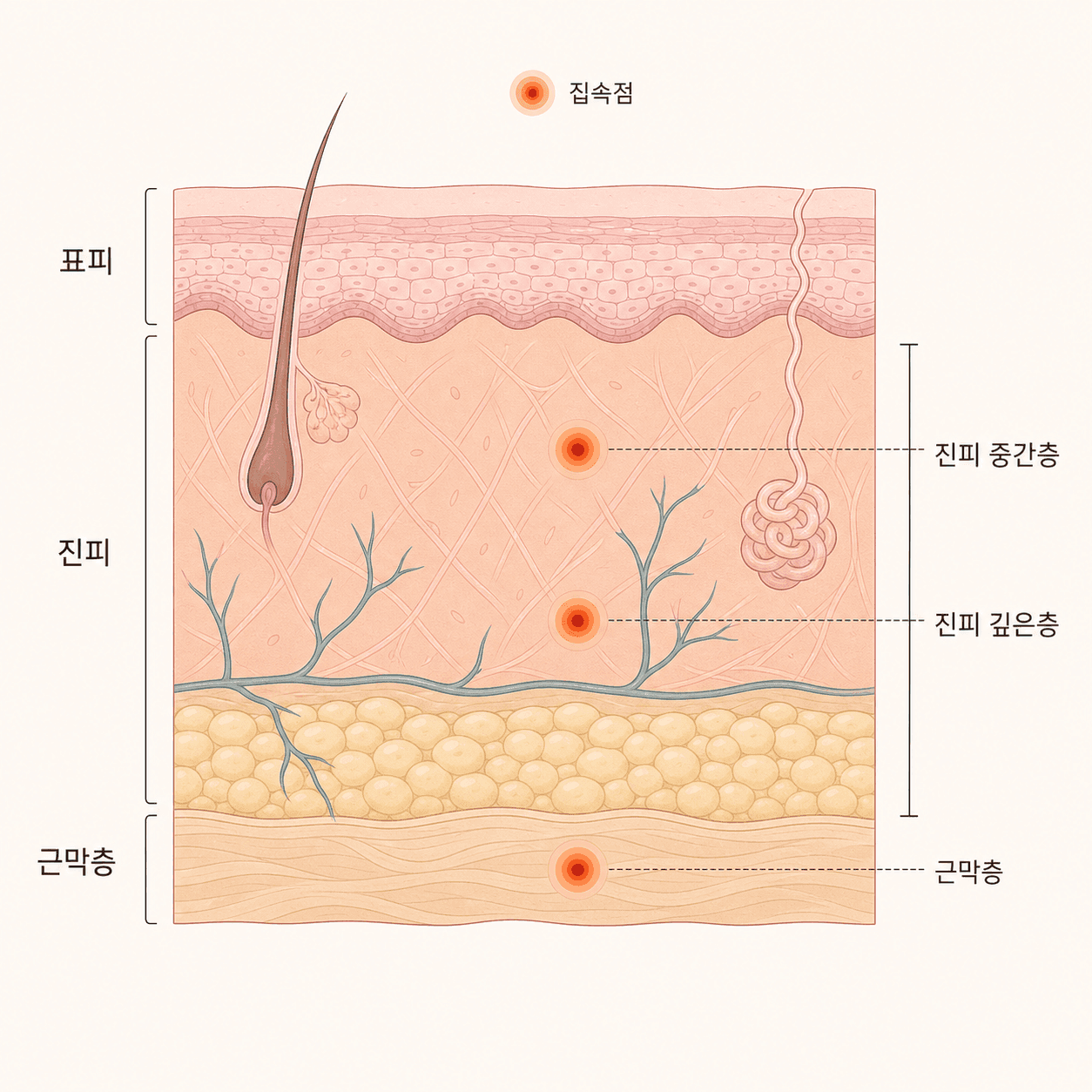
Here's the core of it: both belong to the same micro-focused ultrasound* family. Rather than heating a single point on the skin's surface, they create tiny thermal coagulation points at set depths, prompting fresh collagen and elastin to form right there. According to research on how micro-focused ultrasound helps the skin re-knit collagen and elastin, those thermal points recruit fibroblasts to weave new fibers — and that same process happens in both models. Individual results may vary depending on your skin and the settings used.
* micro-focused ultrasound: a method that focuses ultrasound energy into tiny points at set depths beneath the skin. It passes through the surface yet delivers heat only to the deeper layers, helping prompt collagen renewal.

Same ultrasound — so what actually differs?
The biggest difference is how the provider handles the energy and how efficiently each pulse creates its thermal point. Micro-focused ultrasound typically places thermal points at set depths like 1.5mm, 3.0mm, and 4.5mm — and the PRIME line makes adjusting those depths and the pacing of each point noticeably easier to handle. When you treat the same area at the same depth but the workflow runs more smoothly, both the treatment time and how the pain feels can shift.
Here's a side-by-side look at how the two compare:
What you're comparing | Ultherapy | Ultherapy PRIME |
|---|---|---|
Family / mechanism | Micro-focused ultrasound (FDA-cleared device) | Same micro-focused ultrasound, newer model |
Working depth | 1.5 · 3.0 · 4.5mm layers | Same depth layers, adjusted more flexibly |
Pulse delivery | Standard approach | More efficient, more evenly spread |
Onset of visible results | Gradual — usually around weeks 4–12 | Same gradual timeline; varies by person |
How long it tends to last | Often around a year (varies) | Similar — roughly a year, varies by person |
Treatment time | Relatively longer | Tends to run a bit shorter |
Pain / comfort | Varies a lot person to person | More spread out; tends to feel less sharp |
Downtime | Minimal — brief redness/puffiness | Minimal — same brief reactions |
Best for | Sagging and firmness overall | Sagging and firmness + contour refinement |
As the table shows, these aren't "different treatments" — the difference is in how the same principle gets delivered more comfortably. The direction of the effect (helping restore firmness in the deeper layers) is the same; what really splits the two is the comfort you feel and how efficiently the procedure runs. Individual results may vary.

How depth, pain, and recovery actually split
With micro-focused ultrasound, the key is splitting the energy across different depths. As this explanation of how micro-focused ultrasound targets the dermis and SMAS layer at 1.5mm, 3.0mm, and 4.5mm depths describes, the shallow layers address fine lines and skin texture while the deep 4.5mm layer lifts the sagging fascia. Both models use the exact same depth strategy.
Pain. Discomfort tends to feel stronger near the bone when heat collects in the deeper layers. Because the PRIME line spreads each point out as it delivers energy, many people find that — even at the same energy level — there's less of the sharp jab from energy piling onto one spot. That said, this varies a lot from person to person, so it's worth sorting out numbing cream and pain management with your provider before the procedure.
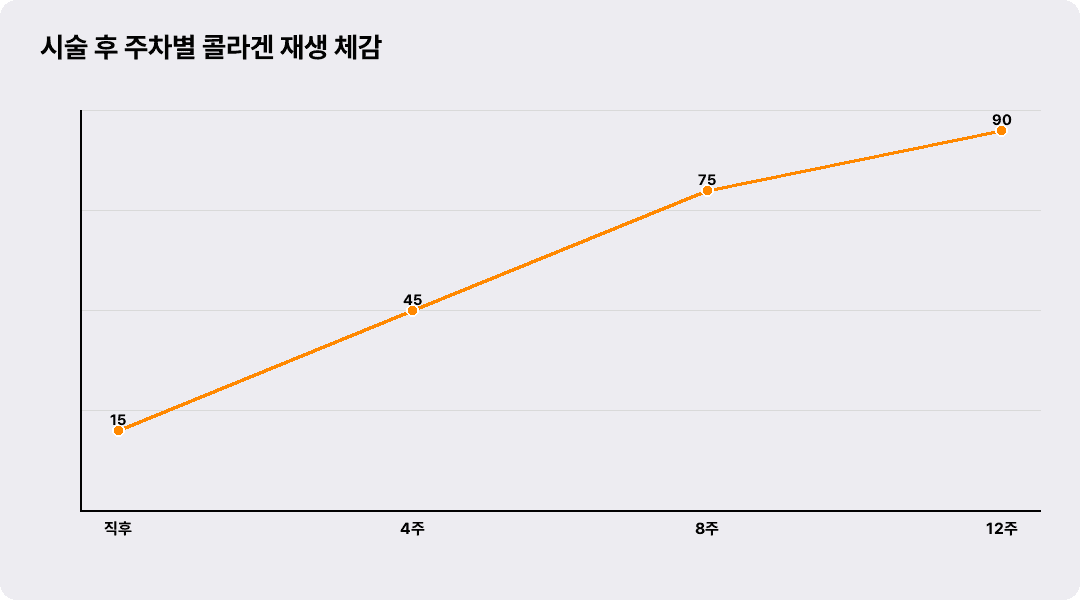
What to expect / timeline. Right after: brief redness or puffiness, sometimes a dull, pressed feeling for a few days. Over the first 24–48 hours those reactions usually settle on their own without extra care. From there, the collagen rebuilds gradually — most people start noticing change around week 4, with results tending to settle by about week 12. This is a treatment whose results you watch unfold over time, not one with an overnight result.
Downtime and red flags. Downtime is minimal with both models, and most people return to daily life right away. Mild redness, swelling, or tenderness is normal. But if you notice severe or spreading pain, blistering, numbness that doesn't fade, or signs of infection, contact your provider right away or seek urgent care — those aren't part of the usual recovery.
How much does it cost? In the US, Ultherapy commonly runs roughly $1,000–$5,000 per session depending on how many areas are treated; a full face-and-neck treatment often averages about $2,000–$3,000. PRIME-line pricing is broadly similar. Treat any figure as a ballpark — it varies by provider, region, and the number of lines delivered, so confirm with your own provider. Some US clinics offer financing (for example, Cherry or care-credit-style plans); ask whether that's available where you go.
Is it worth it? Honestly, it depends on your expectations. Ultrasound lifting is a real, FDA-cleared option for gradual tightening and a modest lift — but it is not a facelift, and it won't erase deep sagging or replace surgery. If you want a no-downtime treatment and you're patient enough to let results build over weeks to months, many people feel it's worth it; if you're hoping for a dramatic, immediate change, you may be disappointed. Individual results may vary, so a candid consult about what's realistic for your skin is the best place to start.
Quick question: which one lasts longer or hurts more? Neither model meaningfully out-lasts the other — both tend to hold for roughly a year, and that varies by person. On comfort, many people find PRIME feels a bit less sharp because energy is spread out rather than concentrated, but pain perception is individual. The honest takeaway: choose based on your areas of concern and pain tolerance, not on a promise that one lasts longer.

Why where you have it done still matters
Rather than leading with "which device is pricier and better," the more useful approach is to look at how much your skin is sagging and how sensitive you are to pain, then map out a depth strategy together. Even with the same micro-focused ultrasound, which layer needs the most attention differs from person to person — so a good provider adjusts where to place more points depending on whether you want to refine your contour or lift your overall firmness.
When you look for a provider, find someone who assesses your skin, explains the depth plan, and adjusts the settings and numbing for your tolerance before treating — and who can track your recovery pace and help you plan the timing of any next session. For transparency: Beautystone is a small skin clinic in Seoul, so if you're outside Korea, use this as general guidance and find a qualified provider near you. If you were treated here, book a quick follow-up with the clinic that treated you.

A few things worth checking before you book
Even within the same family, the right choice shifts with your own situation, so sorting out a few things beforehand makes the whole decision easier.
Whether your main concern is sagging or fine lines — if deep-layer sagging is the bigger issue, the 4.5mm depth does more of the work; if it's texture and firmness, the shallower layers get more weight.
Your pain sensitivity — if you're quite sensitive, ask for a more spread-out delivery and the right level of numbing set up in advance.
Spacing between sessions — collagen renewal unfolds over months, so give it time before judging the results.
Whether you're combining other treatments — talk through the order with filler, Botox, and the like with your provider.
Your recovery schedule — getting back to daily life is fast, but leaving a few days' buffer before an important event puts your mind at ease.
This article shares general information, so whether the treatment is right for you and which depth strategy to use are safest decided together with a provider who has examined you in person. Individual results may vary.
Last updated June 2026.

Frequently asked questions
Q. Is Ultherapy PRIME simply better than Ultherapy?
A. It's less "simply better" and more the newer model in the same family, so handling and spreading out the pain have gotten easier. The direction of the effect is the same deep-layer firmness restoration, so which one suits you better comes down to your pain sensitivity and the areas you want to target. It's best decided in a consult after looking at your situation — and remember, individual results may vary.
Q. I'm really scared of pain — which one is better for me?
A. How pain feels varies a lot from person to person. That said, many people find the PRIME line — which spreads each point out as it delivers energy — feels less sharp. Either way, sorting out numbing cream and pain management with your provider beforehand makes the treatment much more comfortable.
Q. How long does Ultherapy take to work, and how long do results last?
A. You may feel a slight tightening right after, but the real change shows up gradually over weeks to months as collagen rebuilds. Most people start to notice it around week 4 and see it settle by about week 12. Results from one session often last around a year, though this varies from person to person — so give it time before judging.
Q. How often should I get it done, and is it worth the cost?
A. Rather than repeating it too often, it's better to wait until the collagen renewal has settled — usually months — then reassess and decide the next timing with your provider. On value: at roughly $1,000–$5,000 a session in the US, it's worth it for people who want gradual, no-downtime tightening and have realistic expectations, but it isn't a facelift and won't replace surgery for deep sagging. Costs and results vary by provider and person.


skin
Fraxel CO2: Why Prices Vary & What to Check

skin
How to Choose an Acne Dermatologist: 5 Signs

Contouring & Volume
Nasolabial Folds: When Lifting Isn't Enough

skin
Sculptra Cost: Why Sessions and Vials Matter

Lifting
After Shurink Universe: Wash, Work Out & Drink

skin
Sofwave Before a Wedding: Timing Guide