

Not all dermatologists treat acne the same way. Here's what separates an acne-focused clinic from a general practice — and what to ask at your first consult.
Published -
Updated -

Author
Wi Young-jin · Chief director
Seoul National University College of Medicine · Seoul National University Hospital Specialist
→
One of the most common questions we hear is: how do I actually know if a dermatologist is good at treating acne? Not great at laser, not known for fillers — specifically good at acne. The answer is more nuanced than looking at reviews or counting before-and-after photos.
In this article, we'll cover what separates an acne-focused dermatology practice from a general skin clinic, how to evaluate a clinic before you commit, and what to ask at your first consultation to get the most accurate treatment plan. Read on.
What Does an Acne-Focused Dermatology Practice Actually Look Like?
Acne is one of the most variable skin conditions in dermatology — it ranges from mild comedonal breakouts to severe nodulo-cystic acne with scarring risk, and the right treatment differs significantly between those presentations. A clinic that treats acne well typically has a few things in common.
First, they take a diagnostic approach rather than a protocol approach. Instead of defaulting to a standard prescription regardless of your acne type, they assess whether your breakouts are primarily comedonal (clogged pores), inflammatory (red, painful papules and pustules), cystic, or hormonally driven. Each subtype responds to different interventions.
Second, they have a range of both in-clinic procedures and topical/systemic options. Procedures like Potenza (microneedle RF), chemical peels, and extraction-based treatments address different aspects of active acne and scarring. Clinics that rely solely on one tool — or conversely, clinics that push high-cost device procedures before trying evidence-based topicals — aren't typically getting the full picture.
Third, they consider your skin history, not just your current breakout. Hormonal factors, diet research, prior medication history, and current skincare products all affect acne presentation and treatment response. A clinic that skips this context is likely to miss something. Research indicates that individualized treatment planning improves outcomes compared to standardized protocols.
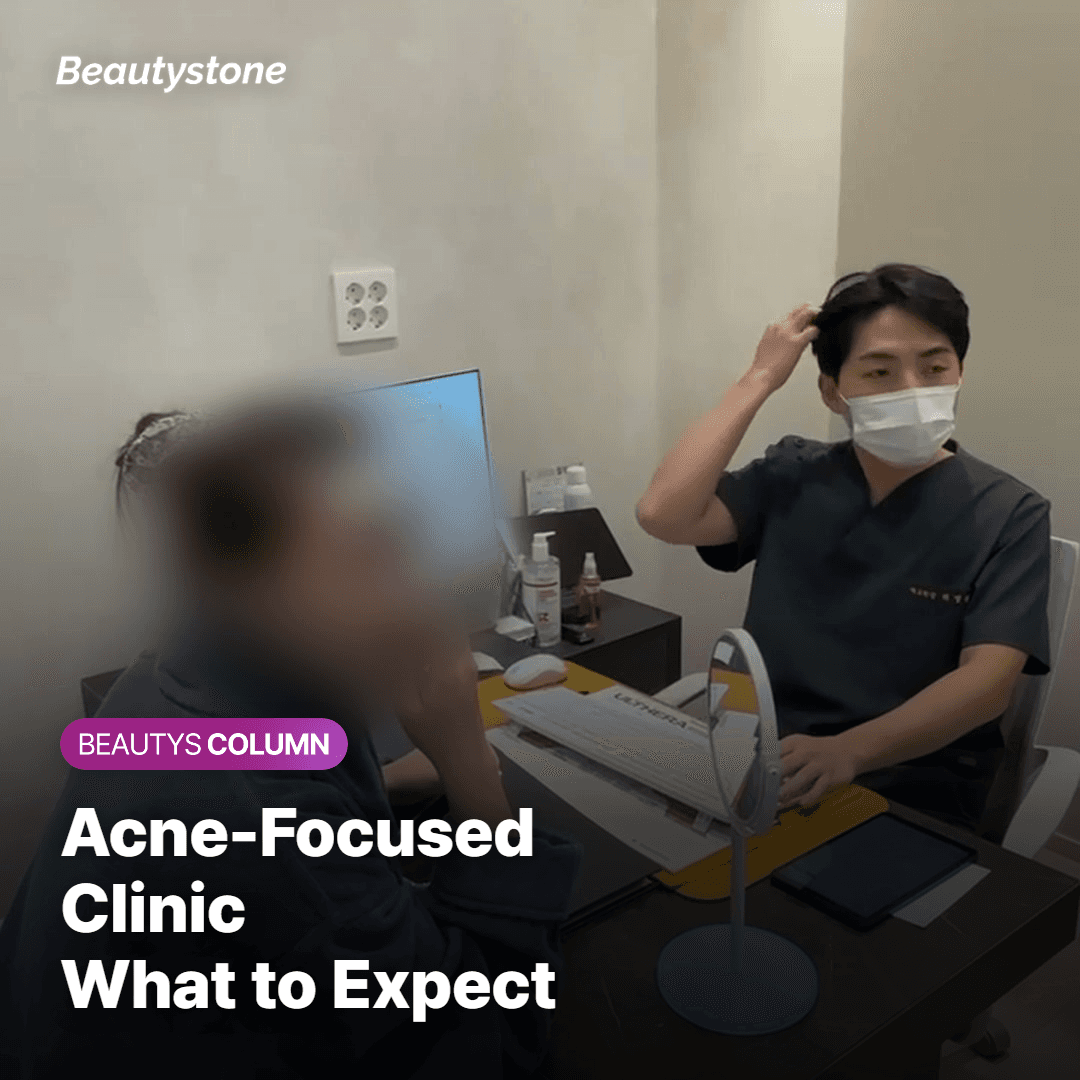
Five Signs a Clinic Is Worth Your Time
You can evaluate a clinic before you even walk in the door. Here's what to look for:
The consultation isn't rushed: Acne evaluation takes time — skin type, breakout location, pattern, triggers, and treatment history all need to be assessed. A first visit under 15 minutes is a red flag. A thorough initial consultation for a complex acne case can take 30–45 minutes.
They explain the diagnosis, not just the prescription: You should understand why you're being given a particular topical or procedure recommendation. If the explanation is vague (just use this), ask for more detail. A good provider connects your skin presentation to the proposed treatment.
They have a protocol for monitoring: Acne treatment often takes 8–12 weeks to show results, and adjustments are common. A clinic that books a follow-up and adjusts the plan based on your response is treating the condition. A clinic that gives you a product and says come back when it's not working is not.
They're candid about device limitations: Procedures can complement acne treatment, but they don't replace it for active inflammatory acne. Clinics that lead with high-cost device recommendations before addressing underlying inflammation aren't prioritizing your skin health.
They coordinate with a clear scope: Severe nodulo-cystic acne, acne with a hormonal driver, or acne in patients on systemic medications may need coordination with an internist or gynecologist. Clinics that acknowledge when the picture is complex and refer accordingly are practicing good medicine.
What to Ask at Your First Consultation
Walking into a first acne consultation with specific questions changes the dynamic. You're not just receiving a recommendation — you're evaluating whether this provider understands your skin. Here's what's worth asking:
What type of acne do I have, and how did you reach that diagnosis? The answer should reference your skin's presentation specifically — not a generic category.
What's the proposed treatment plan, and what's the rationale? Ask whether the plan starts with topicals, procedures, systemic options, or a combination — and why.
What's the realistic timeline? Most topical regimens show meaningful change in 8–12 weeks. Procedures have different timelines. Vague answers (it depends on your skin) aren't wrong, but they should be accompanied by a range.
What triggers or lifestyle factors are relevant to my case? A provider who doesn't ask about diet, stress, sleep, and product use is missing potential contributors. They don't need to interrogate you — but they should ask.
What's the follow-up plan? When do you come back? What are the signs that the plan needs adjusting? Knowing this in advance helps you advocate for yourself between visits.
It's worth mentioning: if you feel dismissed, pressured, or confused after a consultation, that's information too. Trust your instincts about the quality of the interaction — not just the credentials on the wall.
Side Effects & Risks: Acne Treatments Have Trade-Offs Too
Every effective acne treatment comes with trade-offs — and a good clinic will tell you this upfront, not after you've started.
Topical retinoids (retinol and prescription-strength tretinoin) are among the most evidence-based acne treatments available. They also cause initial purging, dryness, and peeling for the first 4–6 weeks in most users. That's not a sign the treatment is failing — it's a predictable skin-adjustment phase. That said, if irritation is severe or doesn't resolve after 6 weeks, talk to your provider about adjusting the strength or frequency.
In-clinic procedures like chemical peels and microneedle RF carry their own recovery considerations — redness, sensitivity, and sometimes temporary breakout flares right after treatment. These are usually short-lived and manageable, but they're worth knowing about before booking.
Oral antibiotics, commonly prescribed for inflammatory acne, are generally safe short-term but aren't meant to be used indefinitely — antibiotic resistance is a real concern, and most guidelines recommend using them in combination with topicals rather than as a standalone. Studies indicate combination therapy outperforms antibiotic monotherapy for long-term remission.
Isotretinoin (commonly known as Accutane) is highly effective for severe or refractory acne, but it comes with significant requirements: monthly blood monitoring, contraception requirements if you can become pregnant, and a list of side effects that your provider should walk you through thoroughly. Any clinic that prescribes isotretinoin without a detailed informed consent conversation is not following standard-of-care guidelines.
If you notice worsening redness, swelling, pain, or warmth that spreads beyond individual pimples — especially after any in-clinic procedure — seek medical care right away. Secondary skin infections, while not common, can occasionally occur and need prompt attention.
How Much Does Acne Treatment Cost in Seoul?
Acne treatment costs depend on what the treatment actually involves. A consultation, topical prescription, and monitoring visits are significantly less expensive than a full in-clinic procedure series.
At Beautystone, acne consultation and treatment planning is integrated with procedure options — you won't be pushed toward expensive device treatments if topicals are the right starting point. Current pricing for procedures is at /en/price, and any active promotions at /en/promotion. These are Seoul clinic prices in Korean won (KRW), subject to change.
One thing worth knowing: the total cost of acne treatment is rarely just one visit. Effective management typically involves a series of consultations, adjustment visits, and in some cases, a procedural series for acne scars once active breakouts are controlled. Building an honest picture of the expected investment is part of what a good first consultation should include.

Who Is a Good Candidate for Professional Acne Treatment?
Almost anyone dealing with persistent acne that hasn't responded to OTC products is a candidate for professional evaluation — but the treatment approach varies significantly based on presentation:
Comedonal acne (whiteheads, blackheads, milia): Often responds well to topical retinoids and in-office extractions. Less likely to need systemic treatment.
Inflammatory acne (papules, pustules, moderate breakouts): Typically benefits from a combination of topicals, possible oral antibiotics short-term, and monitoring. In-clinic procedures can help with texture and sebum control.
Cystic or nodular acne: Higher risk of scarring. Usually requires systemic treatment — isotretinoin is often considered for cases that don't respond to other therapies. Needs careful monitoring.
Hormonally driven acne (jaw, chin, cyclical pattern): May benefit from hormonal treatment options. Worth discussing your cycle pattern and any relevant history at consultation.
Acne scars are a separate treatment category — they're addressed after active acne is controlled, typically with procedures like microneedle RF, fractional laser, or chemical peels. The American Academy of Dermatology notes that multiple treatment options exist for acne scars and that the best approach depends on scar type and depth. Individual results vary.
The Bottom Line
Here's the short version:
A good acne clinic takes a diagnostic approach — matching treatment to your specific acne type and triggers, not defaulting to a standard protocol.
Ask about diagnosis rationale, treatment timeline, and follow-up plan at your first visit. The quality of those answers tells you a lot.
Every effective acne treatment has trade-offs. A provider who explains them upfront — retinoid purging, antibiotic limitations, isotretinoin requirements — is being honest with you.
Acne scars are treated differently from active acne. Don't let anyone rush you into scar treatment before your active breakouts are controlled.
Like any medical condition, acne management comes with individual variation. Ultimately, the right clinic is one where you feel heard, where the plan is explained clearly, and where the follow-up actually happens.
If you're not sure where to start, a consultation is the best first step. Beautystone is a dermatology clinic in Seoul's Hapjeong area — see current offers at /en/promotion.
Frequently Asked Questions
Q. Does seeing a dermatologist for acne actually help?
A. For persistent or moderate-to-severe acne, professional treatment significantly outperforms over-the-counter products. Dermatologists can prescribe topical and systemic treatments not available without a prescription, and they can tailor the plan to your specific acne type. Individual results vary, and most treatment plans take 8–12 weeks to show meaningful change.
Q. How long does acne treatment take to work?
A. Most evidence-based topical regimens (retinoids, antibiotics, benzoyl peroxide combinations) show noticeable improvement in 8–12 weeks. Systemic treatments like oral antibiotics or isotretinoin may show faster improvement in some cases. Your provider should set realistic expectations at your first consultation and schedule follow-ups to assess progress.
Q. How much does acne treatment cost in Seoul?
A. Cost depends on whether treatment involves topicals, procedures, or both. Consultation and prescription management is significantly less expensive than a device procedure series. Current pricing for in-clinic procedures is at /en/price. These are Seoul clinic prices in Korean won (KRW), subject to change.
Q. When should I consider acne scar treatment?
A. Scar treatment is typically started after active acne is well-controlled — pursuing procedures while you still have active breakouts can make outcomes less predictable. Microneedle RF, fractional CO2 laser, and chemical peels are common options depending on scar type and depth. Your provider can assess which approach suits your specific scars.


skin
Fraxel CO2: Why Prices Vary & What to Check

skin
How to Choose an Acne Dermatologist: 5 Signs

Contouring & Volume
Nasolabial Folds: When Lifting Isn't Enough

skin
Sculptra Cost: Why Sessions and Vials Matter

Lifting
After Shurink Universe: Wash, Work Out & Drink

skin
Sofwave Before a Wedding: Timing Guide