

Planning Sofwave before a wedding or big event? How many weeks ahead to book, when effects peak, and what to do if swelling lingers.
Published -
Updated -
Author
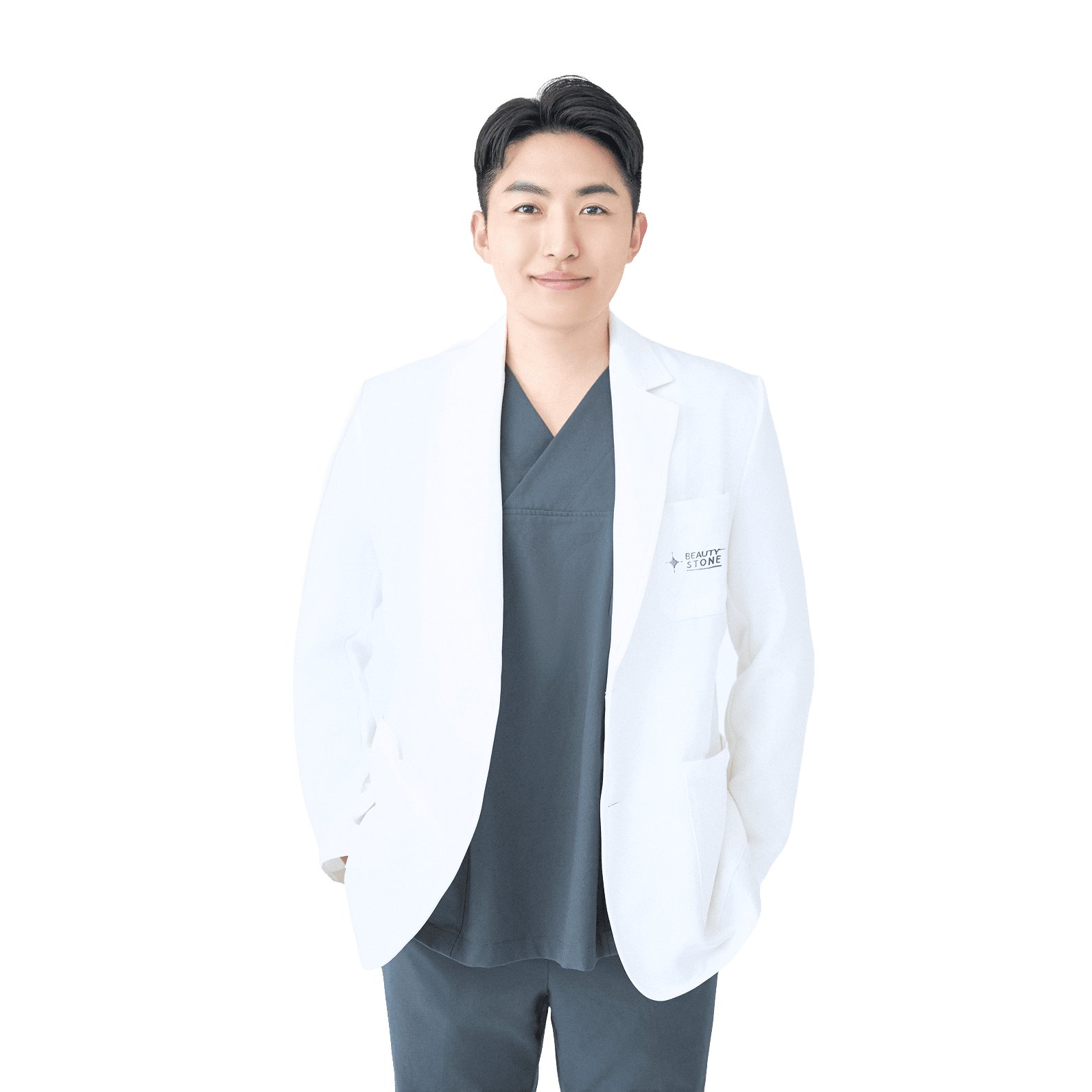
Wi Young-jin · Chief director
Seoul National University College of Medicine · Seoul National University Hospital Specialist
→
You have a date circled on the calendar -- a wedding, a reunion, a milestone birthday -- and you want to look your best. Sofwave, the FDA-cleared ultrasound skin-lifting treatment, is on your list. But the question every event-driven patient asks first is the same: how many weeks ahead should I actually book this?
The short answer is twelve weeks before your event, and ideally no later than eight. The fuller picture is worth understanding, because Sofwave's timeline is different from, say, a filler appointment. The results aren't instant. They build. And if you book too close to your date, you might walk down the aisle (or onto the stage) before the best of the effect has arrived. In this guide, we'll walk through exactly how the timing works, what recovery looks like week by week, and how to protect your results once you've planned carefully.
How Sofwave Works and Why Timing Isn't Obvious
Sofwave uses a patented ultrasound technology called SUPERB (Synchronous Ultrasound Parallel Beam Technology) to deliver heat precisely into the mid-dermis -- the layer of skin where collagen and elastin fibers live. The device's integrated cooling system protects the surface of the skin during treatment, which is one of the reasons downtime tends to be mild compared to deeper-targeting devices like Ultherapy.
Here's the part that makes pre-event planning tricky: Sofwave doesn't produce immediate lifting. What it actually does is create a controlled thermal injury in the dermis, and then your body responds by remodeling collagen over the following weeks. A clinical study published in PMC (2024) found that collagen remodeling after focused ultrasound typically peaks between 8 and 16 weeks post-treatment. That's a meaningful window. It means the optimal result may not arrive until two to four months after your appointment.
Sofwave is FDA-cleared for the temporary improvement in the appearance of facial lines and wrinkles, and for non-invasive facial lifting. It isn't FDA-approved in the drug sense -- it's a cleared medical device, and the distinction matters. Individual results may vary, and no outcome is guaranteed.
The Week-by-Week Timeline Before Your Event
Below, we'll map out what typically happens in the weeks after Sofwave, so you can position your appointment on your calendar with confidence.
Timeframe | What is happening | What you will notice |
|---|---|---|
Day 0 (treatment) | Ultrasound heat delivered to mid-dermis | Mild redness, warmth, possible light swelling |
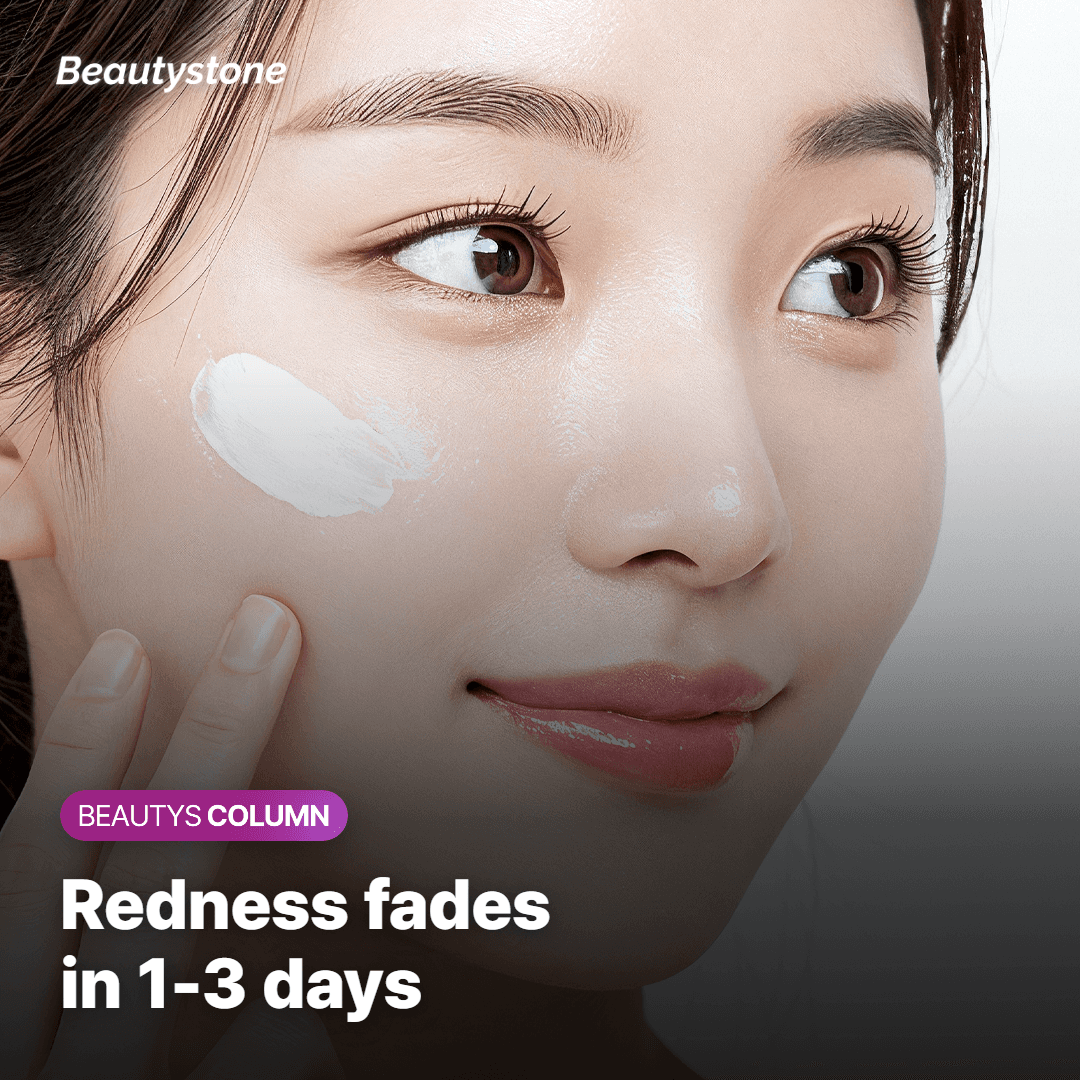
Days 1-3 | Inflammatory response begins healing | Redness usually fades; skin feels normal |
Week 1-2 | Initial collagen remodeling starts | Skin looks and feels like normal; no visible change yet |
Weeks 4-6 | New collagen fibers forming | Some people notice early firmness or glow |
Weeks 8-12 | Collagen remodeling accelerates | Lifting and tightening becomes more visible |
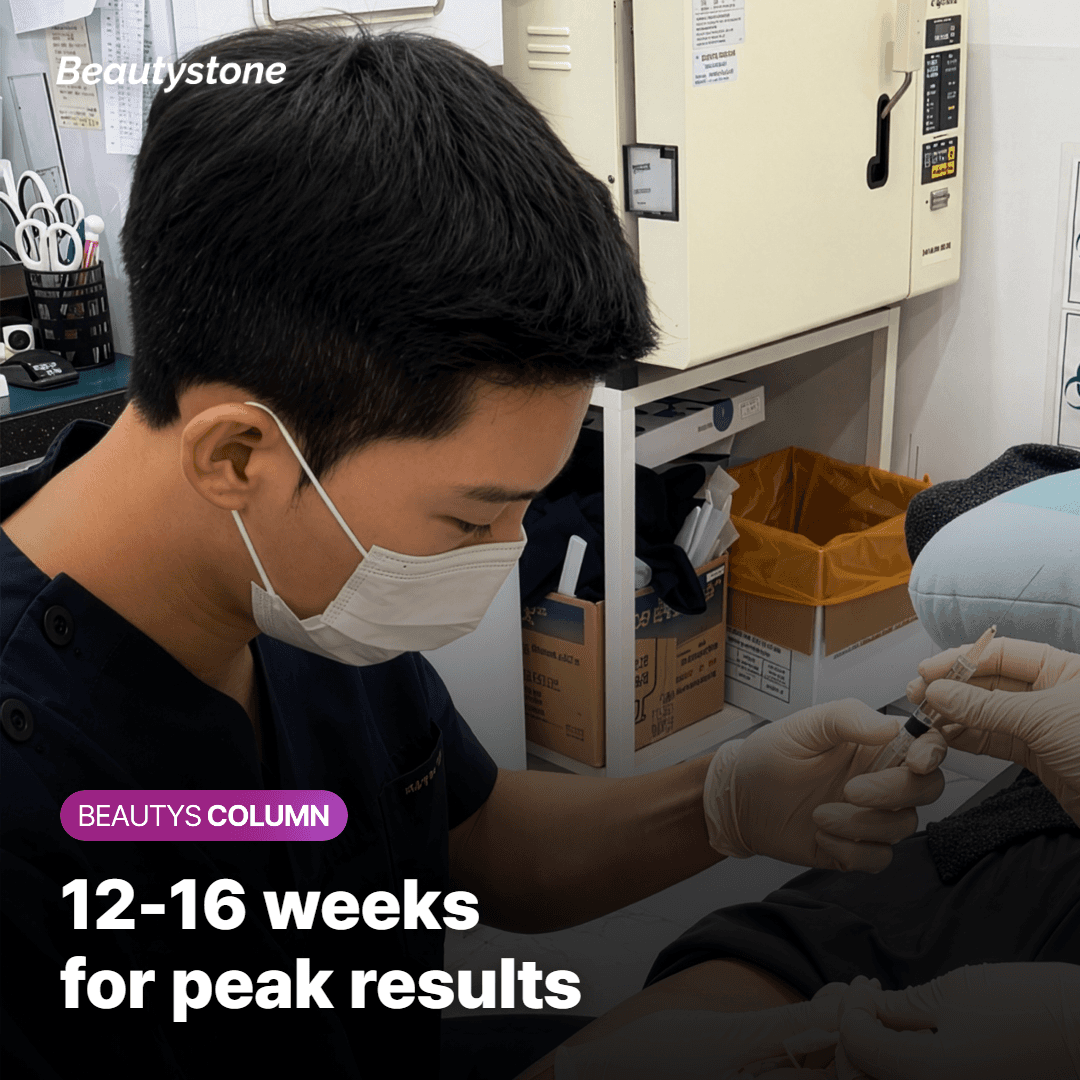
Weeks 12-16 | Peak collagen maturation | Full effect most apparent; optimal window |
6-12 months out | Results gradually taper | Some patients see benefit up to a year or more |
If you're planning a wedding, the sweet spot is to have your Sofwave appointment between twelve and sixteen weeks before the date. That puts your peak collagen maturation right at or just before the event. If your timeline is tighter -- say, eight to twelve weeks -- you're still likely to see meaningful results, though you may not catch the absolute peak. Inside of eight weeks, the risk is that you've paid for a treatment that hasn't fully delivered yet on your big day.
A key note: don't book your Sofwave appointment less than three weeks before the event. While most patients experience only mild redness and swelling that resolves within a day or two, there is normal variation. If your skin takes a little longer to settle, you want buffer days between treatment and photographs.
Side Effects, Risks, and the Recovery Window
One of Sofwave's advantages for the pre-event patient is that it's relatively low-downtime. Most people can return to work or daily activity the next day. That said, low downtime doesn't mean zero side effects, and it's worth knowing what's normal versus what isn't before you plan around a fixed date.
Common side effects include:
Redness and warmth on the skin surface (treatment day, usually resolved within hours)
Mild puffiness or swelling in the treated area (typically settles within one to three days)
A sense of tightness or tenderness under the skin (can persist one to two weeks, varies by individual)
Occasional mild bruising (uncommon but possible, especially near the jawline)
A second study published in PMC (2025) noted that adverse events from non-invasive ultrasound skin treatments are generally mild and temporary, but that patients with thinner or more sensitive skin may experience more pronounced reactions. Individual results may vary.
Red flags that warrant medical attention -- not waiting to see if they resolve on their own -- include:
Swelling that is worsening rather than improving after 48 hours
Blistering, crusting, or open skin
Fever, spreading warmth, or redness that expands beyond the treated zone
Numbness or nerve-sensation changes that persist beyond two weeks
If you experience any of the above, seek urgent care or contact your treating provider the same day. Don't wait to see if it passes on its own when the symptoms are escalating. The American Academy of Dermatology (aad.org) advises that any skin procedure carries some risk of adverse reaction, and that prompt follow-up with a qualified provider is always appropriate when symptoms are unusual or worsening.
Who Benefits Most From Pre-Event Sofwave and Who Should Skip It
Sofwave is a good option for the pre-event patient who has mild to moderate skin laxity, wants to improve jawline definition or overall skin firmness, and is willing to plan at least two to three months in advance. It's not a last-minute treatment.
Good candidates include:
People with early to moderate skin sagging who want a non-surgical option
Patients who have been advised they aren't ready for surgical lifting but want to improve skin quality
Anyone planning an event three to four months out who can commit to the timeline
People with a history of good healing after minimally invasive procedures
Should consider skipping or postponing:
Active skin infections or open wounds in the treatment area
Recent filler in the area (discuss timing with your provider -- some clinics prefer a gap of several weeks)
Pregnancy or breastfeeding (insufficient safety data for this population)
Active autoimmune conditions affecting the skin or connective tissue
Anyone with a pacemaker or electronic implant in or near the treatment area
People who have had a prior significant adverse event from heat-based devices
Realistic payoff: Sofwave improves skin firmness and can produce a modest lifting effect. It's not a substitute for surgical lifting in patients with significant laxity, and it won't dramatically change deep nasolabial folds driven primarily by volume loss. For the right candidate with the right timeline, it's a solid non-surgical choice. For someone expecting dramatic transformation, that expectation needs recalibrating before you book.
Cost, Comparisons, and Questions to Bring to Your Consultation
In the US, a full-face Sofwave session typically costs between $2,500 and $4,500, though prices vary significantly by provider, region, and the number of areas treated. Some clinics offer neck or jawline-only sessions at lower price points. Clinics in Seoul, South Korea, commonly list Sofwave at prices that are generally lower than US pricing, though exact figures depend on the clinic, exchange rate, and what is included. Always confirm directly with your provider and treat any estimate as a ballpark, not a guarantee.
Device | Modality | FDA Status | Depth | Onset | Peak Effect | Downtime |
|---|---|---|---|---|---|---|
Sofwave | Ultrasound | FDA-cleared | Mid-dermis (~1.5mm) | 4-6 weeks | 8-16 weeks | 1-3 days mild |
Ultherapy | Ultrasound (HIFU) | FDA-cleared | SMAS (~4.5mm) | 4-8 weeks | 3-6 months | 1-7 days |
Thermage FLX | Radiofrequency | FDA-cleared | Dermis + subcutis | 1-3 months | 3-6 months | Minimal |
Dermal filler | Injectable HA | FDA-approved | Subdermal | Immediate | Immediate | 1-5 days mild |
Questions worth bringing to your consultation:
How many shots do you recommend for my concern areas, and will that be documented in my chart?
What's your protocol if I have visible swelling or redness at seven days?
Do you recommend combining Sofwave with Botox or filler on the same day, or staged separately?
What sun protection and skincare adjustments do you recommend for the four weeks after?
These aren't trick questions -- they're practical ones. A provider who answers them clearly and without dismissing your concerns is the kind of provider you want performing a heat-based treatment on your face.
If you're visiting Seoul for this treatment and flying home shortly after, it's worth confirming with your provider whether they recommend waiting 24-48 hours before a long flight. Most patients tolerate flying within a day or two without issue, but your provider should weigh in based on how your skin looks at follow-up.
The Bottom Line on Pre-Event Sofwave Timing
If you're planning Sofwave before a wedding or any fixed-date event, the most important number is twelve -- as in, twelve weeks ahead. That's the minimum comfortable window for the treatment's collagen remodeling to reach its peak before your date. Sixteen weeks is even better. Under eight weeks, you're cutting it close and may not see the full effect by your event. Under three weeks, don't do it.
Recovery itself is manageable for most people -- a day or two of redness and mild swelling, with most patients back to their normal routine the next day. But timing the appointment well is what converts that mild inconvenience into a meaningful result in your photos.
Sofwave is FDA-cleared for non-invasive lifting, not FDA-approved as a drug, and no outcome is guaranteed. Individual results vary. If you're considering this before a major event, bring a realistic timeline to your consultation and ask your provider directly what to expect based on your skin, your goals, and your calendar. That conversation -- not the marketing -- is what actually sets you up for success.
At Beautystone, a skin clinic in Hapjeong, Seoul, we see patients who are planning around events and need honest timing guidance. If you have questions about whether your timeline works, it's worth having that conversation with a qualified provider before you book rather than after.
Frequently Asked Questions
Q. How many weeks before a wedding should I get Sofwave?
A. Ideally 12 to 16 weeks before your event. That gives the collagen remodeling enough time to peak before your date. Eight weeks is workable but leaves less buffer. Under three weeks before the event, it's generally not recommended.
Q. When does Sofwave actually start working?
A. Most patients start to notice early firmness around weeks four to six. The effect builds over weeks eight to twelve, with peak collagen maturation typically between twelve and sixteen weeks post-treatment. It's not an immediate result -- the process takes time. Individual results may vary.
Q. What are the side effects of Sofwave?
A. Common side effects include redness, warmth, and mild swelling on treatment day, usually settling within one to three days. Tenderness under the skin can last one to two weeks. Bruising is uncommon but possible. Serious side effects are rare -- seek urgent care if swelling worsens after 48 hours, blistering occurs, or you develop fever or expanding redness.
Q. Is Sofwave worth it before a big event?
A. For patients with mild to moderate skin laxity who plan ahead, yes -- it can deliver meaningful firming by the event date if booked twelve or more weeks in advance. It doesn't replace surgical lifting for significant laxity, and results aren't guaranteed. If your timeline is under eight weeks, the risk is that the peak effect arrives after your event.


