

Higher cheek-to-jaw ratio or thin skin? Extra anesthesia is advised: options for your case.
Published
Updated
Author
Wi Young-jin · Chief director
Seoul National University College of Medicine · Seoul National University Hospital Specialist
→
When looking into lifting treatments, you might hear people say, "I heard Sofwave is really painful." It is only natural to wonder how much difference a numbing cream* makes, or if a stronger form of anesthesia is needed.
Numbing cream*: A topical local anesthetic applied to the skin's surface to dull sensation. Typically, it is applied for 30 minutes to 1 hour before the treatment and wiped off before beginning.
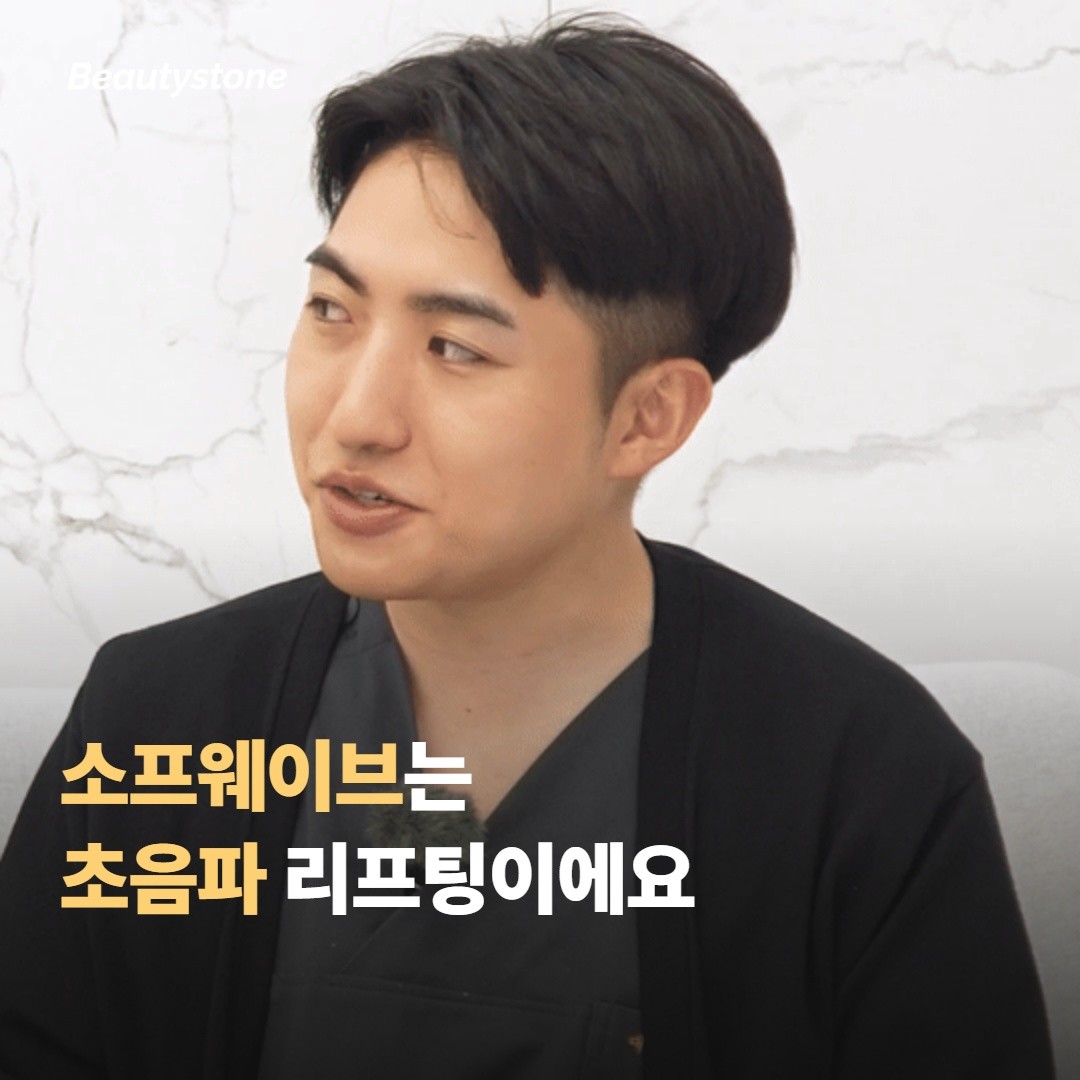
To give you a quick answer, Sofwave is typically performed after applying a numbing cream, and many people undergo the procedure with just this topical anesthesia. However, because pain varies depending on the treatment area, intensity, and individual sensitivity, it is better to choose an anesthetic method tailored to your personal sensitivity rather than assuming "numbing cream is always enough."
This content compiles treatment information from Beautystone Hapjeong.
In this post, you will learn:
How Sofwave works and which layer of the skin it targets
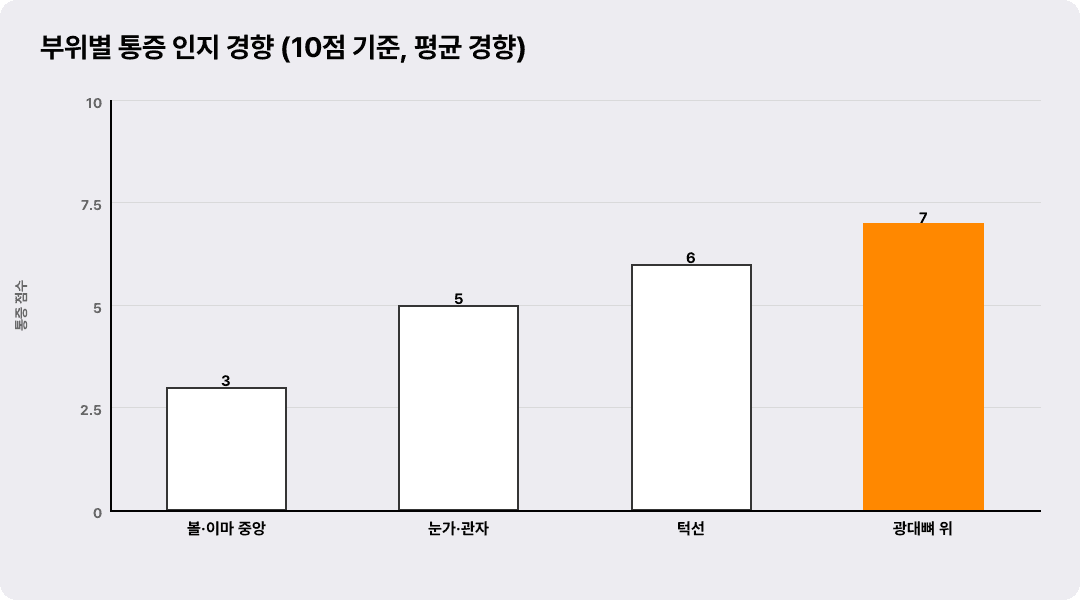
The level of pain to expect and why it varies from person to person
When numbing cream alone is sufficient and when it might not be
Key points to consider when choosing your anesthesia method before treatment
Sofwave creates thermal stimulation in the shallow layers of the skin
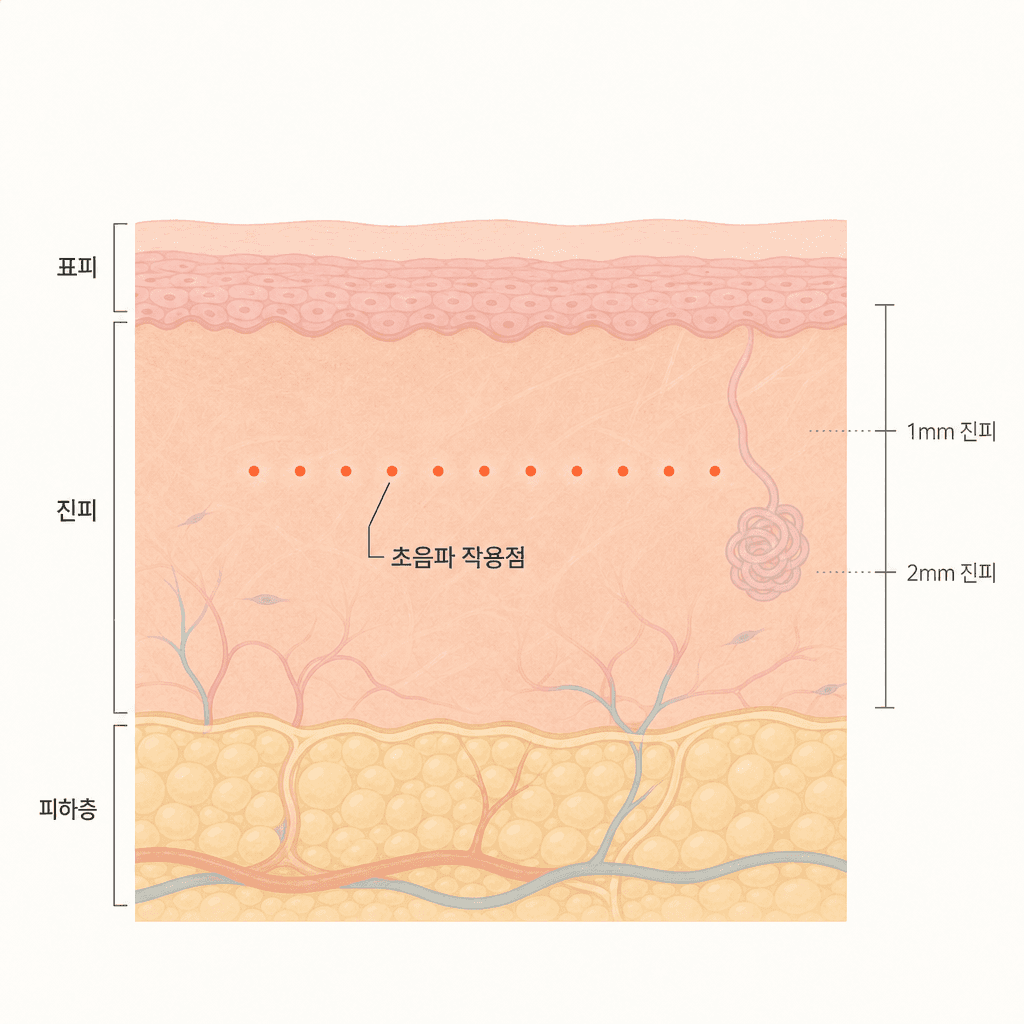
Clinical studies on Sofwave explain that it uses multiple parallel transducers* to concentrate thermal effects at a depth of 1 to 2 mm in the dermis* while preserving the epidermis. Protecting the epidermis while delivering thermal stimulation solely to the dermis is the core mechanism of Sofwave.
The same study notes that no significant side effects, such as fat atrophy, persistent redness, or bruising, were observed after the treatment. This is why the recovery process tends to be relatively quick.
Dermis*: The layer below the epidermis, rich in collagen and elastic fibers. Lifting treatments primarily target this layer.
Transducer*: A converting device that delivers ultrasound energy. Sofwave arranges multiple transducers in an array to adjust the depth of action in parallel.
Pain varies by person and treatment area
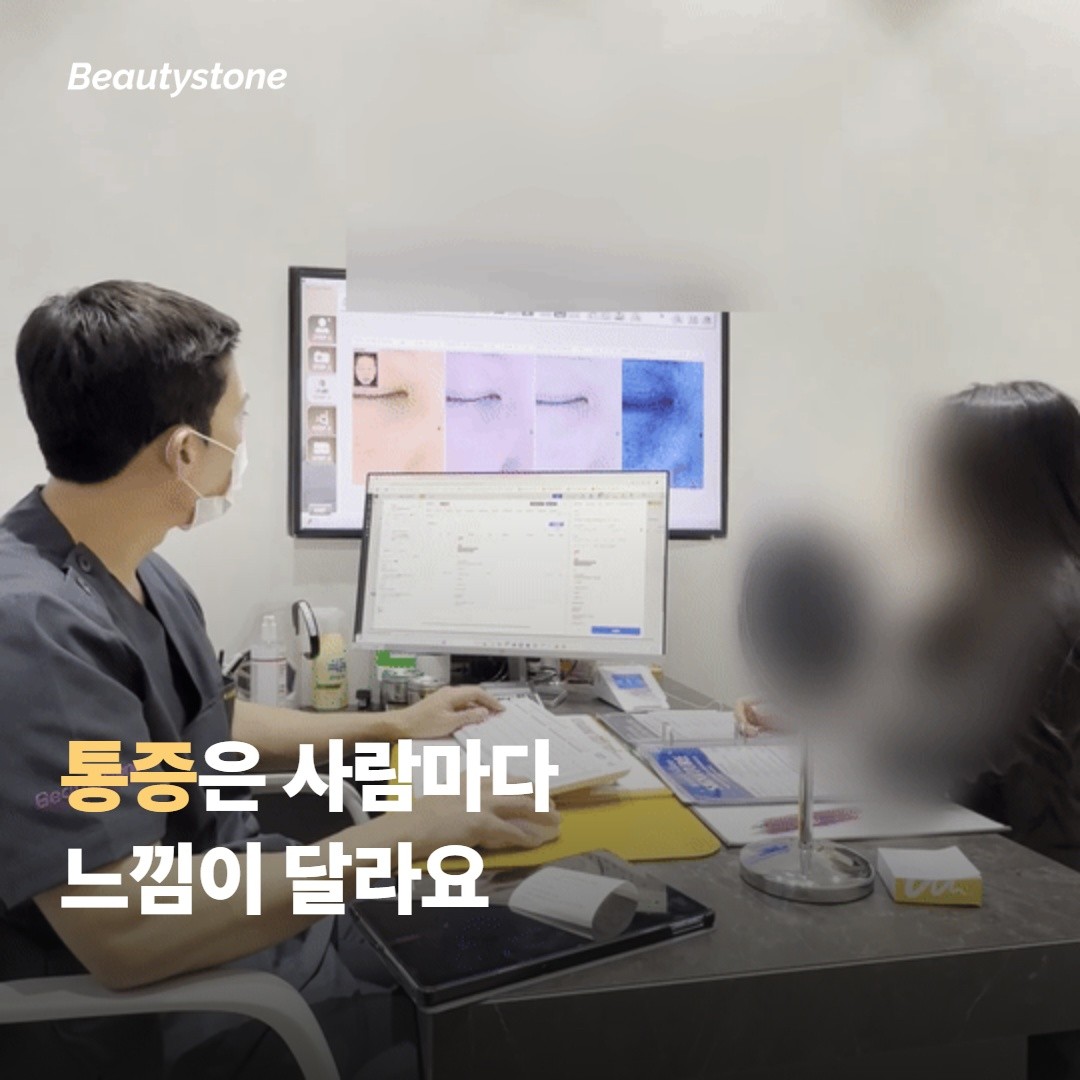
According to a study on patient satisfaction with ultrasound lifting, pain and tingling were reported as the most common discomforts, followed by redness and swelling. However, the same study concluded that there was no clear correlation between experiencing these discomforts and overall treatment satisfaction.
The level of pain also depends on the treatment area. In areas with thin fat layers, such as the cheek area just below the cheekbones, the stimulation feels closer and more intense. Conversely, areas with more tissue provide a bit of a buffer. The intensity of the treatment is another variable.
Ultimately, the reason the experience differs even for the same procedure is due to overlapping factors. When we say the pain levels are low, it doesn’t mean it is completely "painless," but rather that it can be managed at a highly tolerable level.
When numbing cream is enough vs. when it is not
In the Sofwave clinical study mentioned above, participants followed a protocol where a lidocaine* numbing cream was applied for about an hour before the procedure. If the surface sensation is sufficiently dulled, many people find that topical numbing cream is all they need.
Lidocaine*: The main active ingredient in topical local anesthetics. It temporarily blocks sodium channels on the skin's surface to reduce nerve signal transmission.
However, there are situations where numbing cream alone might feel insufficient.
If you have a high sensitivity to pain, the numbing cream can be left on for over an hour, or additional anesthetic options can be considered. The same applies if you choose to receive the treatment at a higher intensity. Some may also feel more discomfort if the treatment area involves thin skin or areas close to the bone.
On the other hand, if you have an average pain threshold and undergo the treatment at a standard intensity, leaving the numbing cream on for a sufficient amount of time is usually more than enough to make it manageable. The key is to customize the anesthetic method based on your personal sensitivity and treatment settings.

Why Beautystone Hapjeong?
Rather than taking a one-size-fits-all approach of "same intensity, same numbing for everyone," Beautystone Hapjeong recommends assessing your pain sensitivity and target areas first to customize your anesthesia and energy levels. It is a tailored approach suited to your individual skin condition. As a cozy clinic located just a short walk from Hapjeong Station, you can easily drop by on the day of your appointment to address any pain concerns and confirm your treatment settings in advance.
This content outlines treatment information provided by Beautystone Hapjeong. For your safety, it is best to consult with a medical professional to determine the appropriate anesthetic option and treatment intensity for you.
Helpful points to consider before your treatment
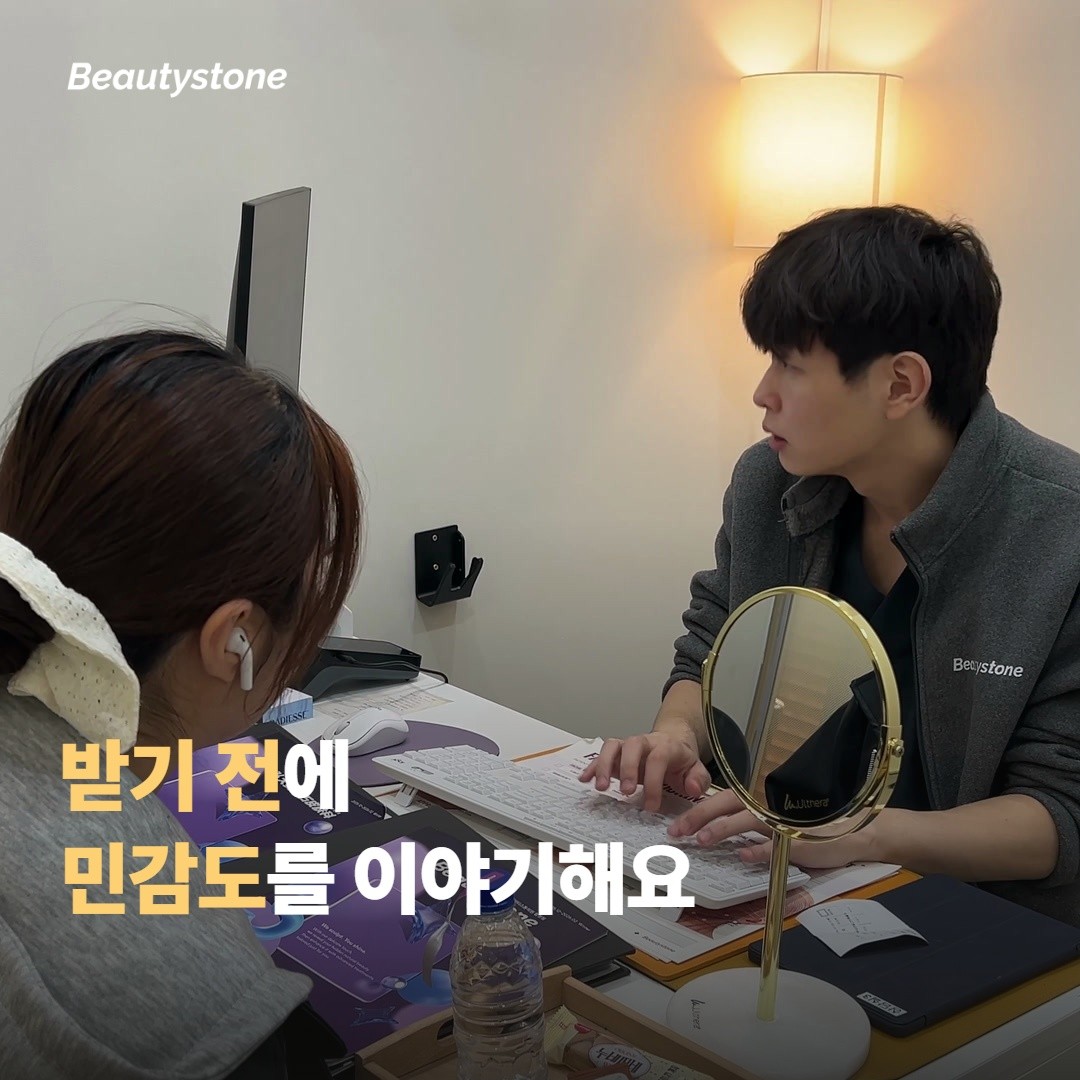
Discussing your usual pain sensitivity openly before the procedure is the best way to ensure a comfortable experience. This allows the medical team to adjust the numbing time and treatment intensity accordingly.
Some redness or mild swelling is normal and typically subsides within a day or two. Recovery time varies by individual, and higher intensity settings may require slightly longer recovery. To avoid irritation, it is best to avoid intense facial massages or activities involving strong heat (such as saunas or hot baths) while your skin is recovering.
In terms of results, Sofwave is not about instant dramatic changes right after the procedure. Instead, it triggers gradual skin rejuvenation through collagen remodeling over a span of 8 to 12 weeks. Raising the intensity excessively does not guarantee proportionally better results; choosing the right settings for your skin type is what matters most. This information is for general reference, and determining your suitability and customized settings should be done in consultation with a qualified medical professional.

Frequently Asked Questions
Q. Is Sofwave performed with only a numbing cream?
A. Yes, it is typically done with a numbing cream. In clinical studies, participants applied a lidocaine numbing cream for about an hour before the treatment. If you are highly sensitive to pain, we can extend the numbing time or explore other options together.
Q. Is Sofwave less painful than other ultrasound lifting treatments?
A. Since Sofwave targets the dermis at a depth of 1 to 2 mm, it is generally less painful than Ultherapy-type treatments that reach all the way down to the SMAS layer (4 to 4.5 mm). However, because pain is subjective and depends heavily on the treatment area and intensity, we cannot generalize that it is always more comfortable for everyone.
Q. How long does the redness last after the treatment?
A. Mild redness or swelling usually lasts about a day or two. This can vary depending on the intensity of the treatment and your skin type. Following post-treatment care instructions will help support a smooth recovery.
Q. Does a higher intensity setting provide better results?
A. While higher intensity might seem like it would deliver better results, it also increases discomfort. Sofwave works through collagen remodeling over 8 to 12 weeks, so choosing settings aligned with your skin condition and sensitivity yields safer, more stable results than pushing for an excessively high intensity.


Contouring & Volume
Hip Dip Filler Before and After: 4 Checks

Body
Potenza Treatment Interval: Why 4 Weeks?

Lifting
Ultherapy Before and After: Why Wait 90 Days?

Contouring & Volume
Belotero Revive Cost: 2cc Price vs. 3 Sessions

skin
Lip Hyperpigmentation Laser: Does It Work?

Contouring & Volume
Men's Forehead Filler: Hollow or Just Lines?