

Had Ultherapy or Shurink and eyeing Sofwave? All three use ultrasound, but depth differs. Compare targets, pain, recovery, and how to pick by your sagging layer.
Published
Updated
Author
Wi Young-jin · Chief director
Seoul National University College of Medicine · Seoul National University Hospital Specialist
→
Already had Ultherapy or Shurink and wondering if Sofwave should be your next lifting treatment? Short answer: it depends on which layer you want to treat. All three are ultrasound lifting treatments, but the energy reaches a different depth and takes a different shape. If your main concern is skin texture and fine lines, Sofwave may be the closer fit. If the line below your cheekbones is already heavy and sagging, a focused device that can reach the SMAS layer, like Ultherapy or Shurink, is worth considering.
Sofwave keeps coming up when people plan their next procedure, next to comments like "isn't it all the same ultrasound?" Here is how to decide.
SMAS*: the superficial musculoaponeurotic system, a fibrous layer under the skin that supports the face. When it loosens, the jawline and cheeks look like they are sliding down.
The quick comparison
| Sofwave | Ultherapy | Shurink |
|---|---|---|---|
Method | SUPERB parallel beams | MFU-V focused + imaging | HIFU focused |
Depth | Mid-dermis (about 1-2 mm) | 1.5, 3.0, 4.5 mm | 1.5, 3.0, 4.5 mm |
Main target | Texture and fine lines | Deep SMAS sagging | SMAS and dermis |
Real-time imaging | No | Yes | No |
Pain | Varies | Varies | Varies |
Good fit when | Texture, fine lines | Deep sagging, precise targeting | SMAS and dermis together |
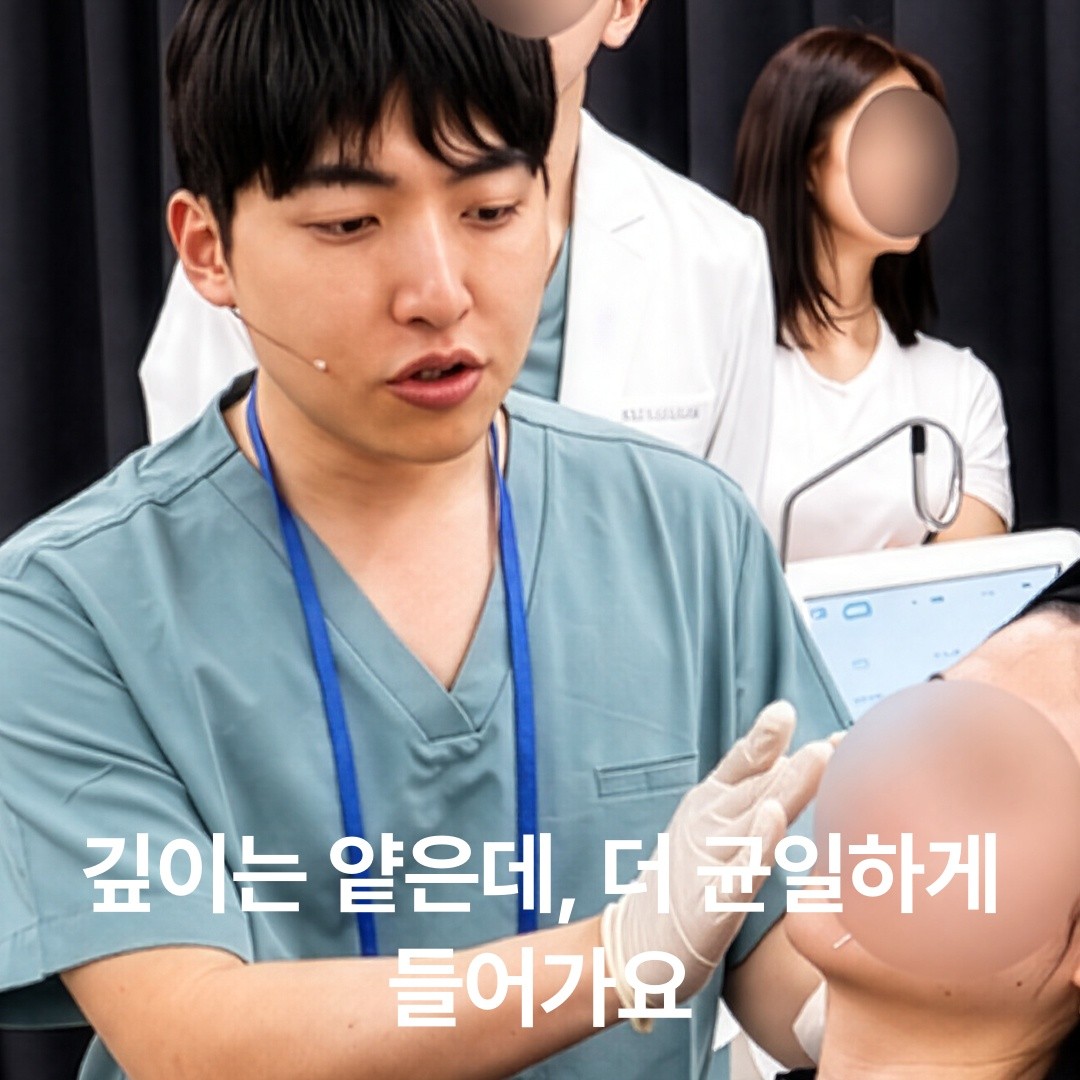
Same ultrasound, different energy shape: focused vs. parallel beams
All three use ultrasound heat to trigger collagen renewal. The split is the shape of the energy. Ultherapy (MFU-V) aims while the doctor watches a real-time image. Shurink (HIFU) aims without imaging. Both focus energy into a single point.
Sofwave uses seven parallel transducers that send energy into the mid-dermis. The heat forms long zones parallel to the collagen fibers instead of one point.
MFU-V*: micro-focused ultrasound, which gathers energy into a tiny point at a set depth.
Imaging lets the doctor see the skin layers, place energy at the intended depth, and steer around spots to avoid. Shurink and Sofwave are aimed using anatomical landmarks.
Depth decides what kind of result you get
Ultherapy can target 1.5, 3.0, or 4.5 mm, from the dermis to the SMAS. Shurink, also HIFU, offers 1.5, 3.0, and 4.5 mm depending on the cartridge. Sofwave heats the mid-dermis, about 1 to 2 mm deep.

Settings that reach the SMAS can help with heavier sagging. Sofwave's mid-dermis work leans toward refining texture and shallow fine lines.
Shallower does not mean weaker. Even heat in the mid-dermis suits texture, fine lines, and early loss of firmness. But if the area below your cheekbones is already heavy, the shallow layer alone may hit a limit. Depth is not a ranking. It matches the treatment to where your sagging is.
Pain and recovery depend on depth, area, and you
Pain changes with the area, energy level, and person, so ranking these three directly is hard.
Sofwave is known for relatively short downtime, and some people return to light daily activities the same day. Treatment time, recovery, and numbing are best confirmed at consultation.
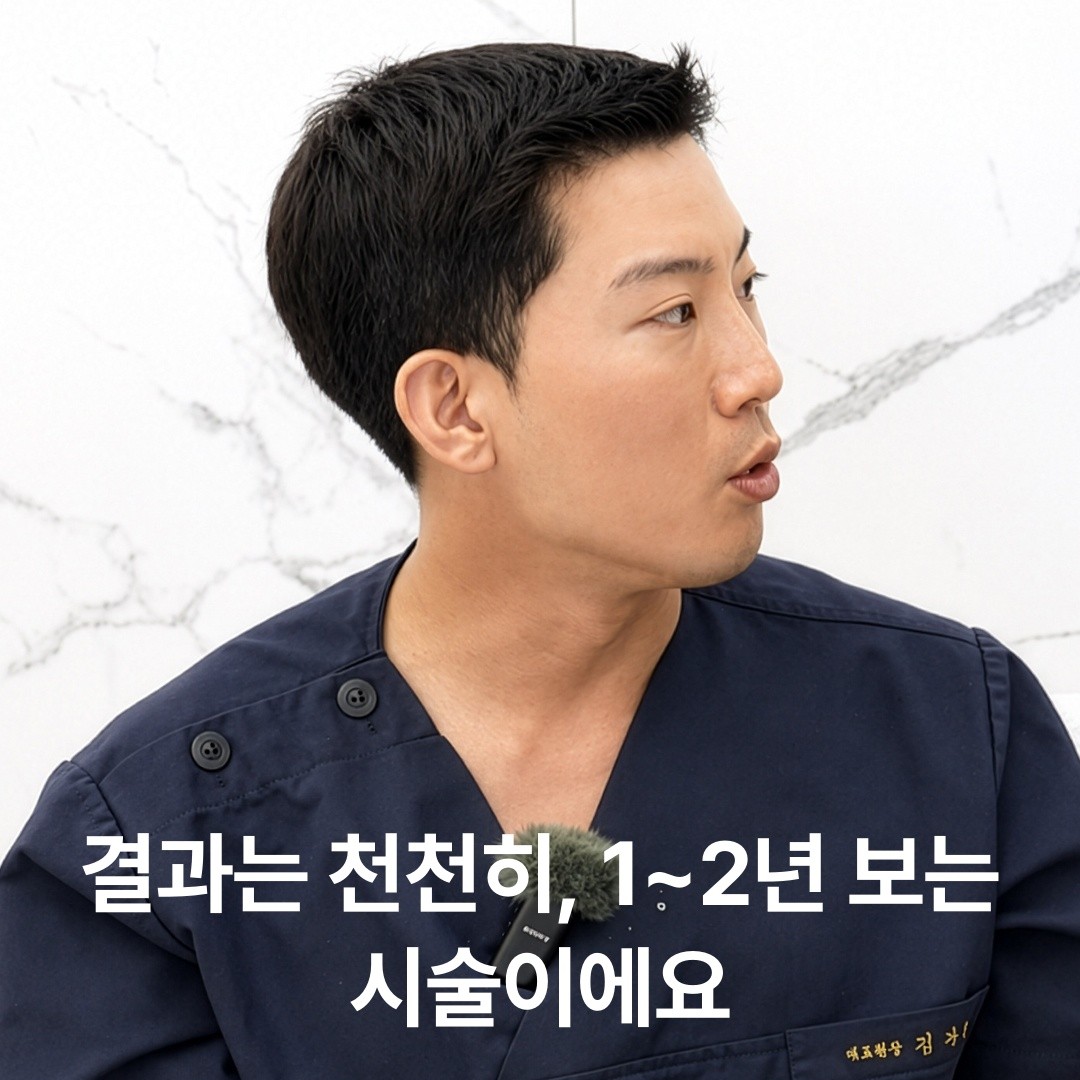
Short downtime does not mean a weaker effect or instant results. Collagen needs time to rearrange, so results become clearer over a few months.
Deeper is not automatically more painful. Topical numbing and pain relievers often help. Choose the layer first, not just the one that hurts less.
So which one should you choose next?
Ultherapy alone among the three has real-time imaging, a feature of MFU-V that sets it apart from focused HIFU.
Heavy sagging below the cheekbones: consider Ultherapy or Shurink.
Texture and shallow fine lines: Sofwave may fit better.
Both: planning the two together is a natural option.

Bring your history: which device, when, and which area.
Why Beautystone in Hapjeong
At Beautystone in Hapjeong, the plan depends on your skin thickness, firmness, and the layer where sagging shows up. The consultation decides between a single treatment and a combination.
Care is one-on-one, so there is time to plan the order of combined treatments. The doctor checks which layer you want to treat before choosing with you.
Frequently asked questions
Q. I had Ultherapy recently. Can I get Sofwave right away?
A. The gap depends on the intensity, area, and your recovery. Heat stacking in one area can slow recovery, so tell the clinic what you had and when. Timing and order are decided by a doctor who has examined your skin.
Q. Can one Sofwave session make a difference?
A. Some people notice a change after one session, but results and session count vary. Change builds over a few months. Extra sessions are decided after a skin check.
Q. Sofwave costs more than Shurink. Is it worth it?
A. For shallow texture and fine lines, Sofwave is worth a look. For deep SMAS sagging, Ultherapy or Shurink, which reach 4.5 mm, may suit better. Decide the layer before comparing price.
Q. When do Sofwave results show, and how long do they last?
A. Results usually appear gradually over weeks to months. How long they last varies widely and is discussed at consultation. It does not lift deep SMAS sagging all at once.
Q. Is Ultherapy suitable for volume loss around the chin after weight loss?
A. It can be a good fit. After fast weight loss the skin around the chin can sag more, and less collagen and elastin with age adds to it. Ultherapy aims to improve sagging and support collagen, with depth checked by ultrasound and only sagging areas treated.




Lifting
Eye Thermage Results: Is 1 Session Enough?

skin
Rejuran vs. Juvelook Cost: What 1 Session Buys

Lifting
XERF for a Thin Face: Depth vs. Hollowing?

Lifting
Thread Lift Swelling: What's Normal in 5 Days?

Lifting
Thermage Cost: 4 Lines to Check on a Quote

Contouring & Volume
Xeomin Cost: Why Do 50-Unit Quotes Differ?