

Cold narrows vessels and helps most in the first 24 to 48 hours. Once a bruise has set in, the better move changes, as does how long you hold it on.
Published -
Updated -

Author
Wi Young-jin · Chief director
Seoul National University College of Medicine · Seoul National University Hospital Specialist
→
After a procedure, you've probably heard that a cold compress helps swelling go down faster. But once you're home, it's easy to feel unsure: when should you start, how long should you hold it on, and is too cold a bad thing?
Here's the short answer first: yes, a cold compress really does help reduce swelling and bruising right after a procedure. The cold briefly narrows your blood vessels, which keeps swelling and bruising from spreading. That said, timing and technique matter, and holding it on too long can actually stress your skin.
So instead of just reaching for something cold, it's better to look at your specific procedure and how you're recovering first, then decide on the timing and intensity. In this article, we'll walk through when to start, when to stop, and how to do it safely and effectively.
This article gathers treatment information from Hapjeong Beautystone.
What you'll learn
Why a cold compress reduces swelling and bruising
When it's best to start and when to stop
How to do it safely and what to watch out for
When a cold compress isn't the right call
Why a cold compress helps with swelling
Swelling and bruising after a procedure happen as blood and fluid pool in the treated area. Applying cold triggers vasoconstriction*, which reduces the blood flow rushing to that spot, so less swelling and bruising spreads.
* vasoconstriction: a temporary narrowing of the blood vessels. It's triggered by cold and helps calm swelling and bruising by cutting back the blood flow to that area.
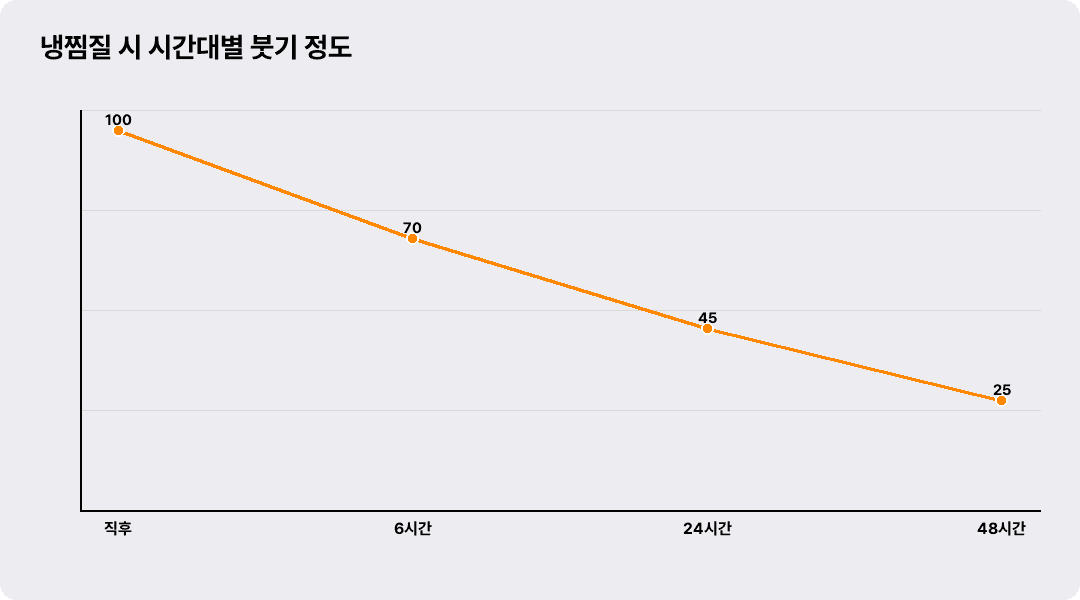
If you look at this explanation of how cold compresses cause vasoconstriction and help reduce post-procedure bruising, it becomes clearer why cold is recommended right after a procedure. The key is cooling things down early, before blood flow ramps up, which makes the first few hours to a day or two the window where a cold compress helps most.
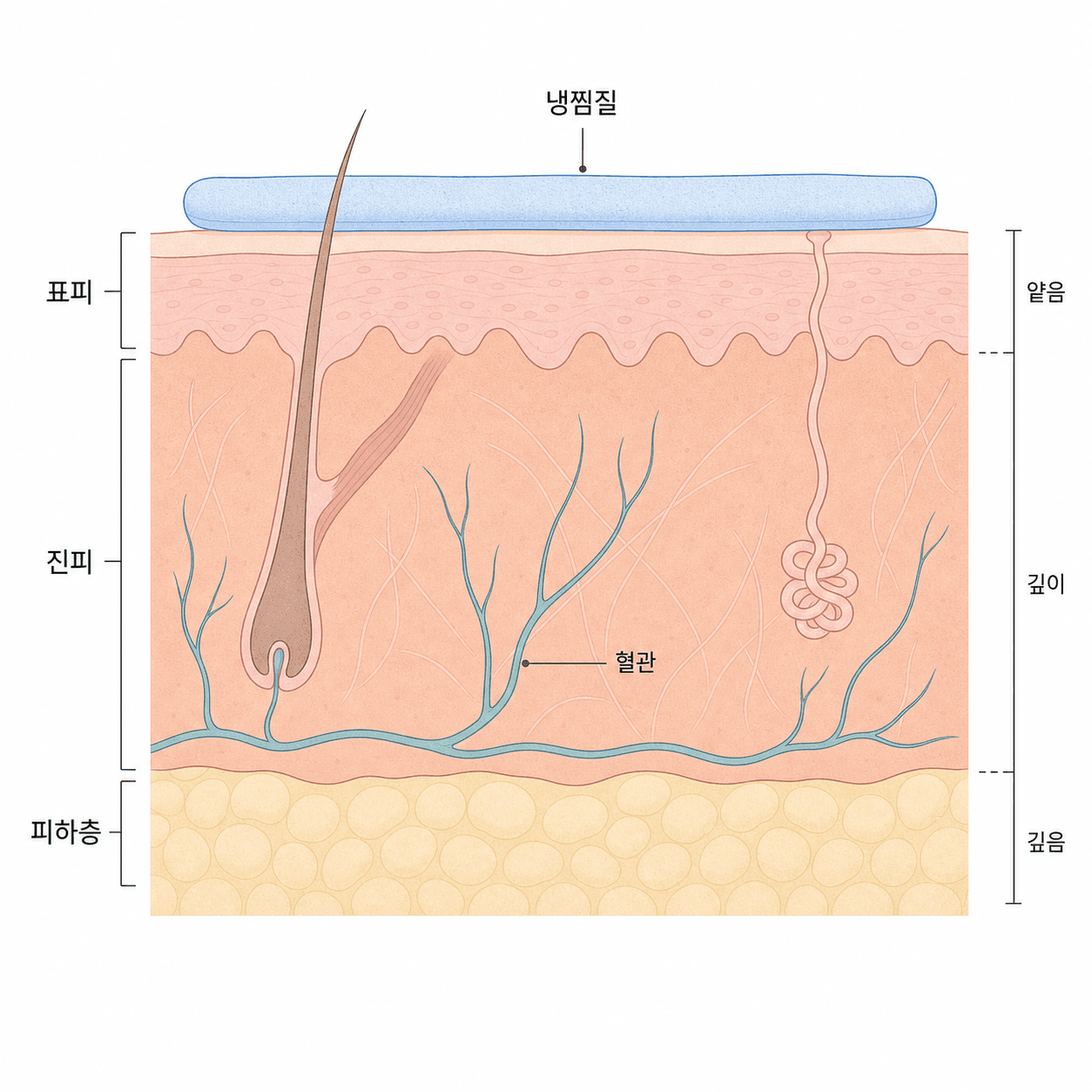
That said, it doesn't apply equally to every procedure. How much a cold compress is recommended varies by treatment type, and if your clinic gave you specific instructions, those come first. It's safest to understand the general principle, then apply it to your own procedure.

When to start and when to stop
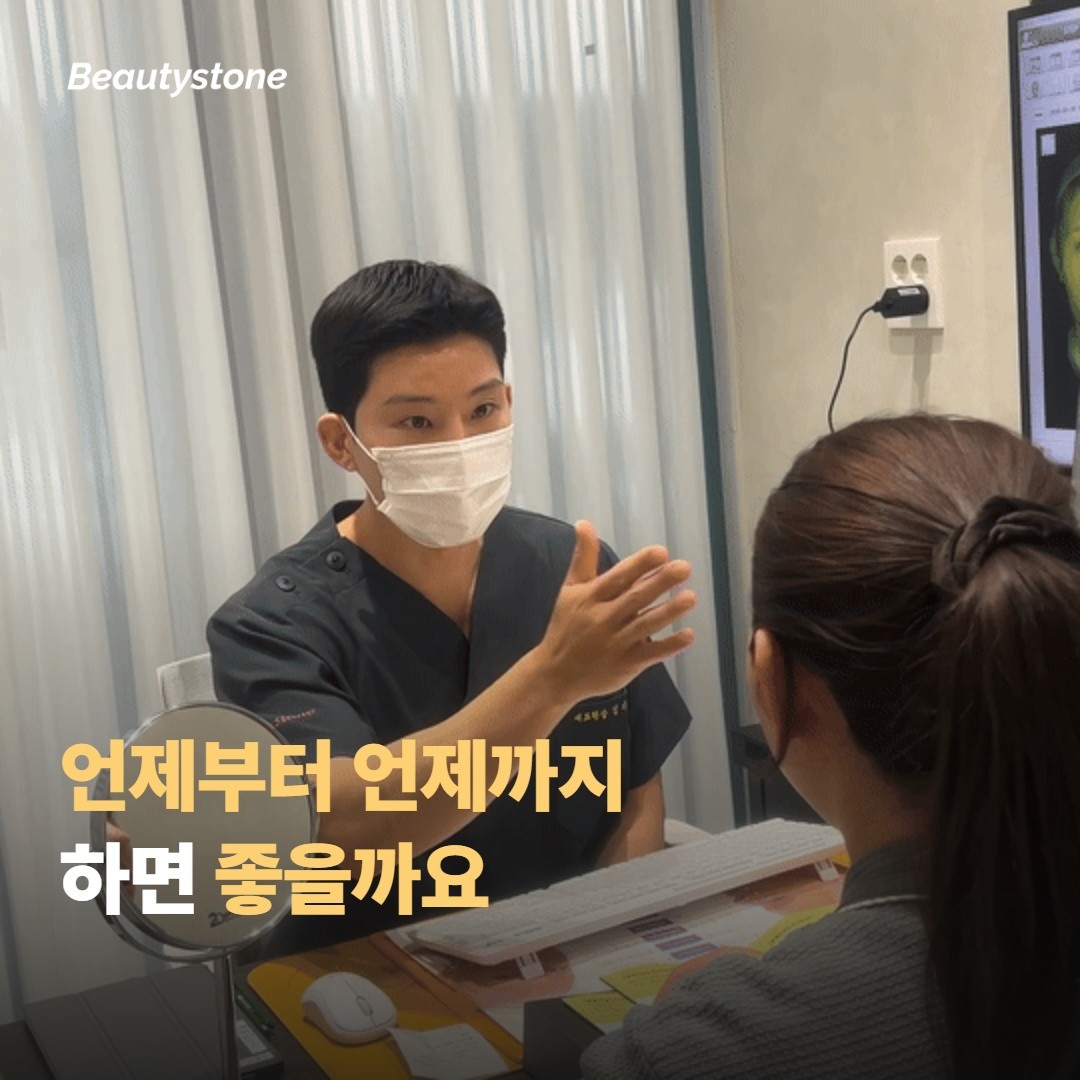
How much a cold compress helps depends on the timing. Here's a breakdown by stage.
Stage | Cold compress | How to do it |
|---|---|---|
Right after, first few hours | Helpful | Gently, briefly |
First 24-48 hours | Most effective | Several times a day |
Day 3 onward | Less effective | Lightly, if needed |
Once bruising sets in | Warm may be better | Ask your provider |
In general, the window from right after your procedure through about 48 hours is when a cold compress helps most. Keeping swelling and bruising from spreading during this time makes recovery a lot smoother. On the flip side, once three days have passed and the bruise has already set in, a warm compress can actually help the body reabsorb it faster than cold does. That switch-over point varies by procedure and area, though, so it's best to decide with your clinic.
How to do it safely and what to watch out for
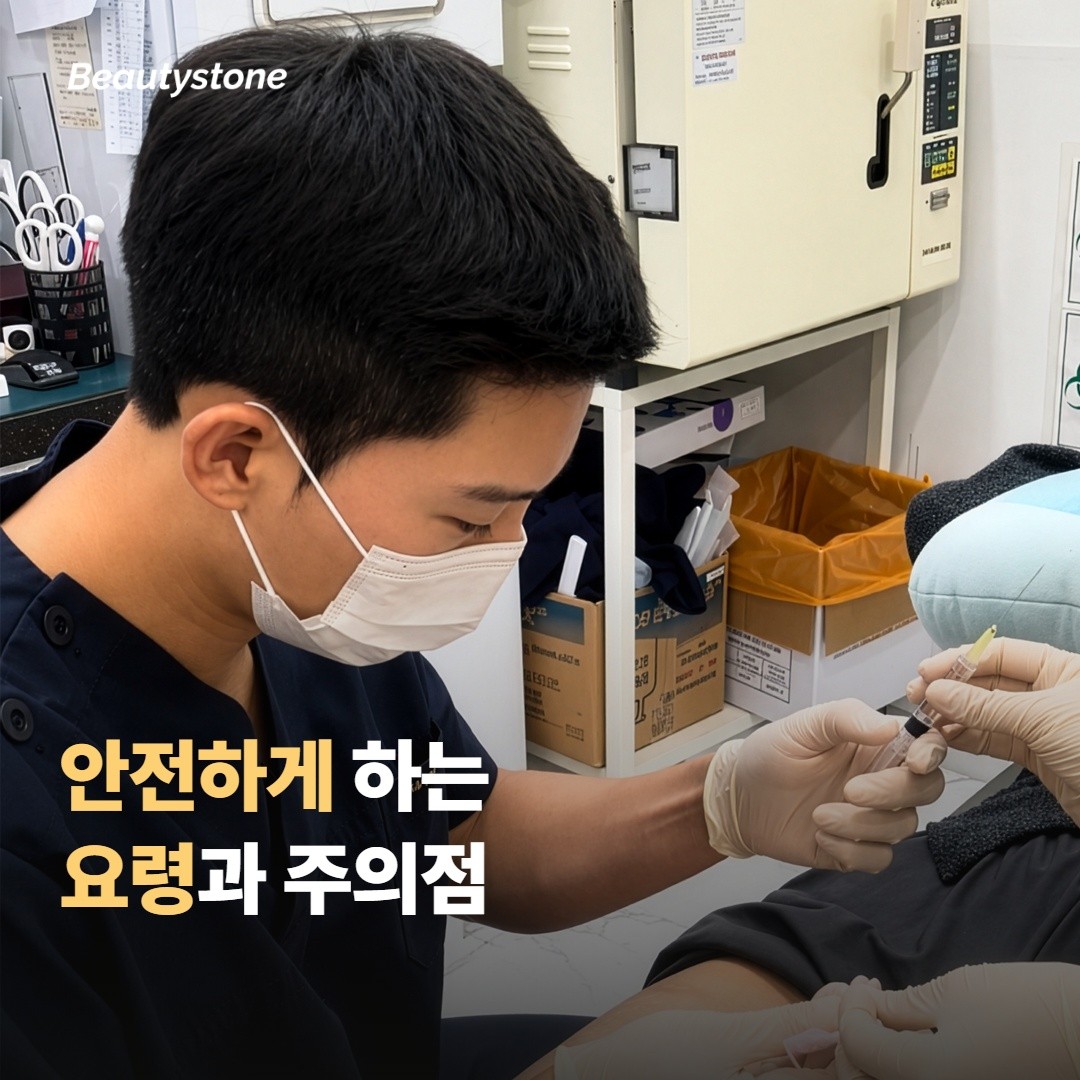
Technique matters with a cold compress. Done wrong, it can actually stress your skin. Keep these in mind.
Wrap it in cloth — don't put an ice pack straight on your skin; wrap it in a clean cloth or towel
Keep sessions short — about 10-15 minutes at a time, with breaks in between
Go light — don't press hard; just rest it on gently
Don't overdo it — holding it in one spot too long risks frostbite* or nerve irritation
Mind numb areas — if numbing cream is still working or the area feels numb, be extra careful with temperature
In particular, avoid pressing down hard. With filler or injectable areas, firm pressure can shift things out of place, so resting the compress on gently is safest. Don't apply it directly over open wounds or weeping spots; just cool the area around them.
Why Hapjeong Beautystone
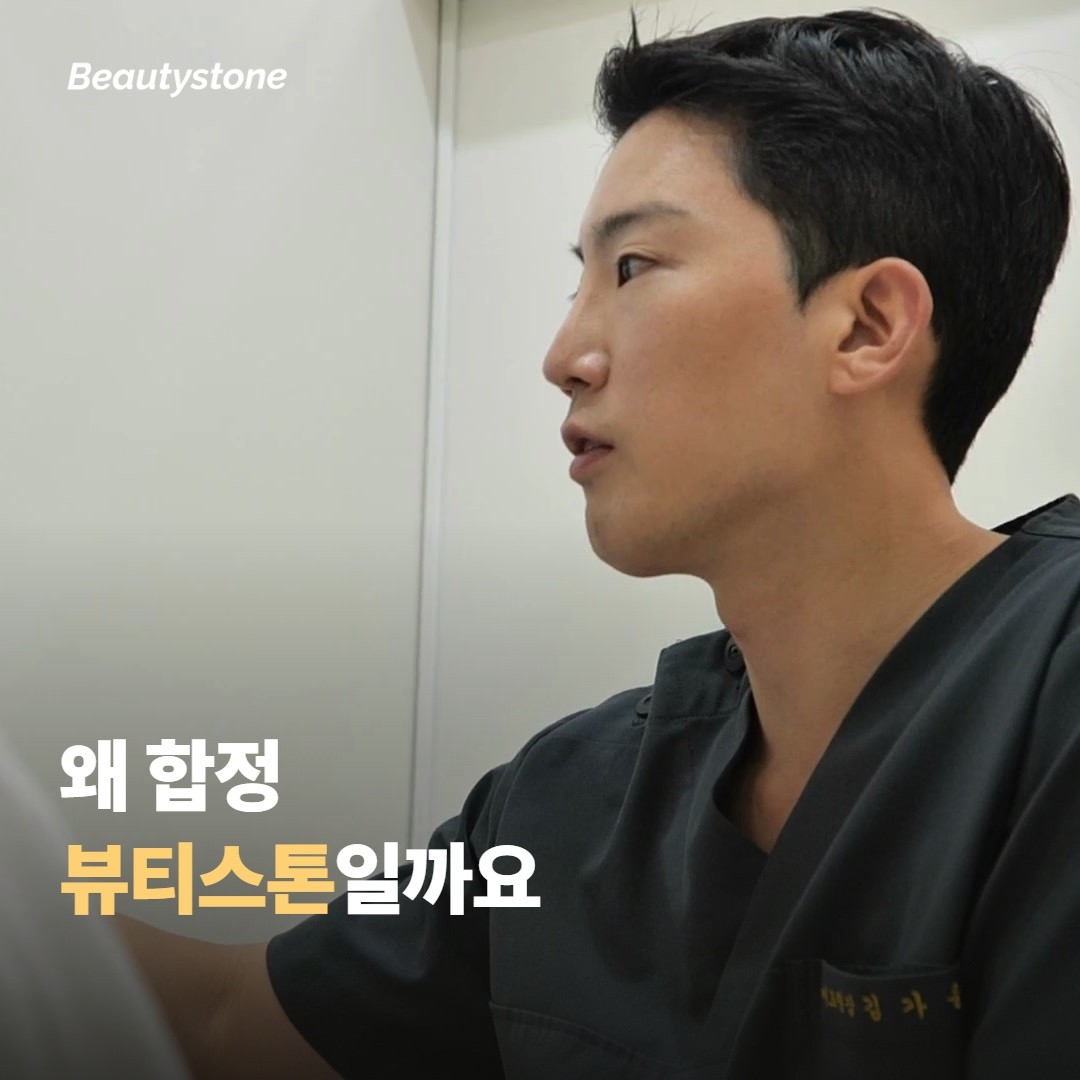
When Hapjeong Beautystone gives post-procedure care guidance, we tend to recommend looking at which procedure you had and how the swelling is coming up first, then deciding on the timing and intensity of a cold compress, rather than reaching for cold right away. Since how much a cold compress helps varies by treatment and area, we tailor the guidance to how each person is recovering. As a small clinic within walking distance of Hapjeong Station, we can watch how your recovery unfolds and plan the next steps together.
When a cold compress isn't the right call
A cold compress isn't always the answer. In these cases, it's better to skip the cold or check with your provider first.
Once a bruise has set in — a warm compress may help reabsorption better than cold
If your skin reacts to cold — if you tend to break out in hives from cold, skip it
Numb areas — you may not feel the temperature, so there's a frostbite risk; be extra careful
When your clinic gave specific instructions — those take priority over the general principle
If swelling keeps getting worse — if it grows instead of settling, don't tough it out with cold; reach out
This article gathers general information, so the right cold-compress timing and method for your specific procedure is something to decide with the provider who treated you. If swelling or bruising goes beyond what's normal and keeps worsening, or comes with heat and pain, it's better to contact your clinic quickly rather than manage it on your own.

Frequently asked questions
Q. How many days after a procedure should I keep using a cold compress?
A. Usually the most helpful window is from right after your procedure through 48 hours. Keeping swelling and bruising from spreading during this time makes recovery smoother. After three days, once a bruise has already set in, the benefit drops off, and a warm compress may actually help the bruise reabsorb better.
Q. Can I put ice directly on my skin?
A. Please don't apply it directly. An ice pack should be wrapped in a clean cloth or towel. Putting something cold straight on your skin for too long risks frostbite or nerve irritation. It's safest to keep sessions short, about 10-15 minutes at a time, with breaks in between.
Q. Is pressing harder with a cold compress more effective?
A. No. Firm pressure is actually something to avoid. With filler or injectable areas in particular, hard pressure can shift things out of place. Just resting something cold on gently is enough; the benefit comes from the temperature, not the pressure.
Q. I have a bruise already. Will a cold compress help?
A. In the first day or two as a bruise is forming, a cold compress keeps it from spreading. But for a bruise that has already set in, a warm compress tends to help it reabsorb better than cold. The switch-over point varies by procedure and area, so it's best to decide with your clinic.
Further reading


skin
Ellanse Cost: Duration Beats Price Per Visit

Lifting
Alltite RF: Two Effects, Two Timelines

Contouring & Volume
Why Juvelook Volume Quotes Vary by Clinic

men's
Nose Pore Treatment: Aftercare Timing Guide

skin
How Many Sessions Does Eyeliner Removal Take?

Hair Removal
Laser Hair Removal While Pregnant or Nursing