

Want your collagen treatment to last? See how sleep, protein, and quitting smoking help.
Published -
Updated -

Author
Wi Young-jin · Chief director
Seoul National University College of Medicine · Seoul National University Hospital Specialist
→
After a collagen-boosting treatment, it's natural to wonder, "What should I do day to day to make the results last?" Two people can get the same procedure, yet one heals faster and keeps a smoother result longer, and lifestyle plays a real part in that.
The short answer: collagen treatments work by prompting your skin to rebuild its own collagen, so the habits that support that regeneration affect how long the results hold. Enough sleep, plenty of protein, and not smoking all create an environment where collagen forms well. It's less "get the treatment and you're done" and more that your everyday habits help shape the result alongside it.
This article rounds up treatment information from Hapjeong Beautystone.
In this article
Why collagen treatment results depend so much on lifestyle
Which habits support the results and which ones chip away at them
How to handle sleep, protein, and quitting smoking
What's worth checking before and after your treatment
Why collagen results hinge on your daily habits
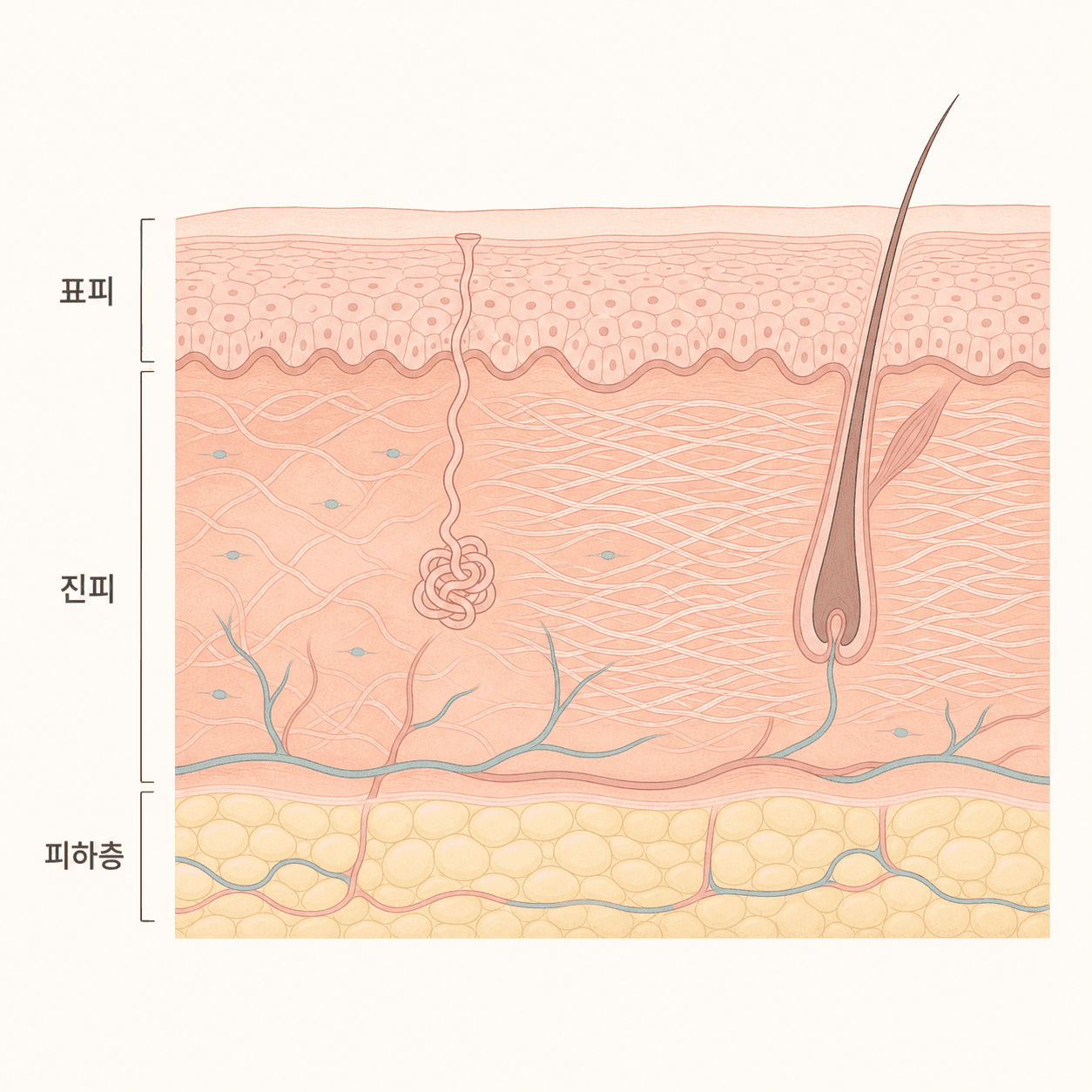
Collagen* is the protein that holds your skin's firmness and texture in place. A collagen-boosting treatment gives the skin the right kind of stimulus so your body starts weaving fresh collagen on its own. That's why the results don't show right after the procedure but build over several weeks as collagen fills in. Your nutrition and recovery environment play a part in that rebuilding process. Research showing vitamin C is a nutrient needed for collagen synthesis, and that smoking lowers those levels points to the same idea: lifestyle factors shape how collagen forms.
* Collagen: the protein that holds your skin's firmness and texture in place. It declines with age or stress on the skin, which is why treatments help your body rebuild it.
Put another way, if the treatment sends the signal to "make more collagen," your lifestyle supplies the materials and environment that let your body actually follow through. So even with the same procedure, your everyday habits change how much of a difference you feel.
Which habits help and which hold you back
The habits that help collagen rebuild and the ones that get in the way are fairly clear-cut. To make collagen, your body needs protein and vitamin C as raw materials, plus the sleep where recovery happens. Smoking, on the other hand, lowers the nutrients collagen synthesis needs and restricts blood flow, working against regeneration.
Habit | Effect on collagen rebuilding | What we suggest |
|---|---|---|
Enough sleep | Supports recovery and regeneration | Sleep deeply on a regular schedule |
Protein intake | Supplies the building blocks for collagen | Include it at every meal |
Vitamin C | Essential for synthesis | Top up with vegetables and fruit |
Smoking | Hinders synthesis and blood flow | Cut back or quit if you can |
Heavy drinking | Slows recovery | Ease off around the treatment |
As the table shows, collagen rebuilding benefits from habits that "supply the materials and support recovery." The flip side is that cutting back on habits that work against synthesis and recovery, like smoking and heavy drinking, is the way to keep results longer.

Sleep, protein, and quitting smoking: how to handle each
Sleep is when recovery concentrates, so getting enough of it on a regular schedule helps. Protein is the raw material for collagen, so build it into every meal with foods like lean meat, fish, eggs, and beans, and pairing those with vitamin C-rich vegetables and fruit supports synthesis. Smoking gets in the way of both collagen synthesis and blood flow, so cutting back or quitting even just around the treatment gives recovery a boost. As a study where supplementing collagen and vitamin C together through diet improved skin markers suggests, nutrition and lifestyle care can back up your results.
These habits don't have to change overnight. Since collagen fills in over several weeks, supporting it steadily through that window helps the result more than going all-in once.

Why Hapjeong Beautystone
Rather than leaving it at "just get the treatment right," Hapjeong Beautystone tends to walk through how to fit collagen-supporting habits, like sleep, protein, and not smoking, into your own routine. Because the same procedure can land differently depending on everyday habits, we give specific guidance you can realistically keep up. As a small clinic within walking distance of Hapjeong Station, we can watch how your recovery progresses and fine-tune the care you need along the way.

What's worth checking before you go in
To keep the results longer, sorting out a few things before and after your treatment can put your mind at ease.
Sleep rhythm — Build a routine of deep, regular sleep around your treatment
Protein and vegetables — Plan to include protein and vitamin C at every meal
Smoking — Think through how to cut back or quit, even just around the treatment
Drinking schedule — Avoid heavy drinking around the treatment to support recovery
When to judge results — Collagen fills in over several weeks, so give the result time
This article is general information, so it's safest to decide your own lifestyle plan and treatment details with the medical team who examines you directly.

Frequently asked questions
Q. How much protein do I need for it to help my collagen?
A. Consistency at every meal matters more than an exact amount. Add protein to each meal with foods like lean meat, fish, eggs, and beans, and pair it with vitamin C-rich vegetables and fruit to support synthesis. Spreading it out regularly works better than loading up all at once.
Q. I can't fully quit smoking. Will it really make a big difference?
A. Smoking lowers the nutrients collagen synthesis needs and restricts blood flow, working against regeneration. If quitting completely is hard, cutting back even just around your treatment helps recovery. Cutting back at all is a better direction than not cutting back.
Q. Will taking collagen supplements alongside it improve the results?
A. There's research where supplementing collagen and vitamin C together through diet improved skin markers. That said, supplements are better seen as a backup than a replacement for balanced meals, and they may not suit your existing health, so it's safest to check with your medical team before starting them.
Q. When will I start to notice results?
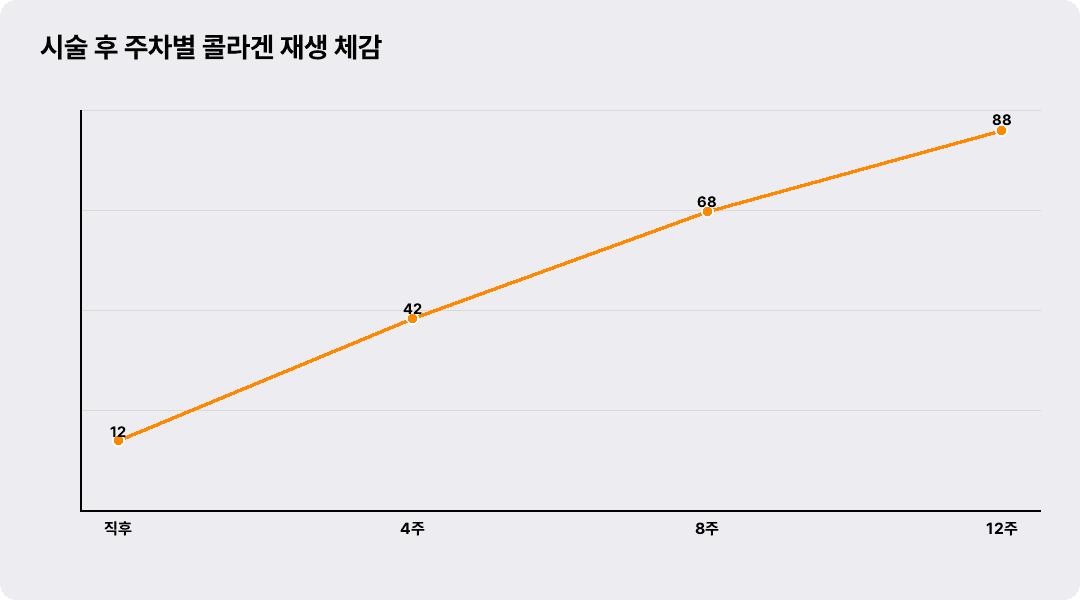
A. Collagen treatments don't show right away; results build over several weeks as collagen fills in. People usually start to feel it around week 4, and it tends to settle by about week 12, so supporting habits like sleep, protein, and not smoking through that window helps the result last longer.





skin
Fraxel CO2: Why Prices Vary & What to Check

skin
How to Choose an Acne Dermatologist: 5 Signs

Contouring & Volume
Nasolabial Folds: When Lifting Isn't Enough

skin
Sculptra Cost: Why Sessions and Vials Matter

Lifting
After Shurink Universe: Wash, Work Out & Drink

skin
Sofwave Before a Wedding: Timing Guide