

Key things to know when removing semi-permanent eyebrows that have turned bluish over time.
Published
Updated

Author
Wi Young-jin · Chief director
Seoul National University College of Medicine · Seoul National University Hospital Specialist
→
If your semi-permanent eyebrow makeup from a few years ago has started to turn bluish or looks slightly out of place over time, you may find yourself looking into removal. When you search for "tattoo removal lasers," you will find plenty of information, but actual eyebrow removal cases are quite different from standard tattoo removal reviews.
To put it simply, removing semi-permanent eyebrows involves different variables than removing typical body tattoos. Even though the pigment is placed shallower, the location introduces challenging variables: it is right in the center of the face and very close to the eyes. Additionally, the ink used often contains flesh-toned or brown tones, which poses a higher risk of darkening*, requiring customized output settings and session counts even with the same device.
Paradoxical darkening*: A phenomenon where flesh-toned, brown, or red inks temporarily become darker after laser treatment. This is commonly seen in semi-permanent inks containing iron oxide.
The pigment depth is shallower than regular tattoos
Semi-permanent eyebrow makeup is a procedure where pigment is placed shallowly into the upper dermis. Compared to regular tattoos, which penetrate into the mid-to-deep dermis, the pigment sits at about half that depth. While this means a larger percentage of pigment fades per session, the amount of fading in subsequent sessions might decrease.
Being shallower also means the skin surface is more sensitive to irritation. If the skin is irritated by scabs during the recovery period, it can easily lead to scarring, and sun exposure can bring about hyperpigmentation. Therefore, post-treatment care between sessions is actually trickier than for a standard tattoo.

Flesh-toned and brown inks carry a high risk of darkening
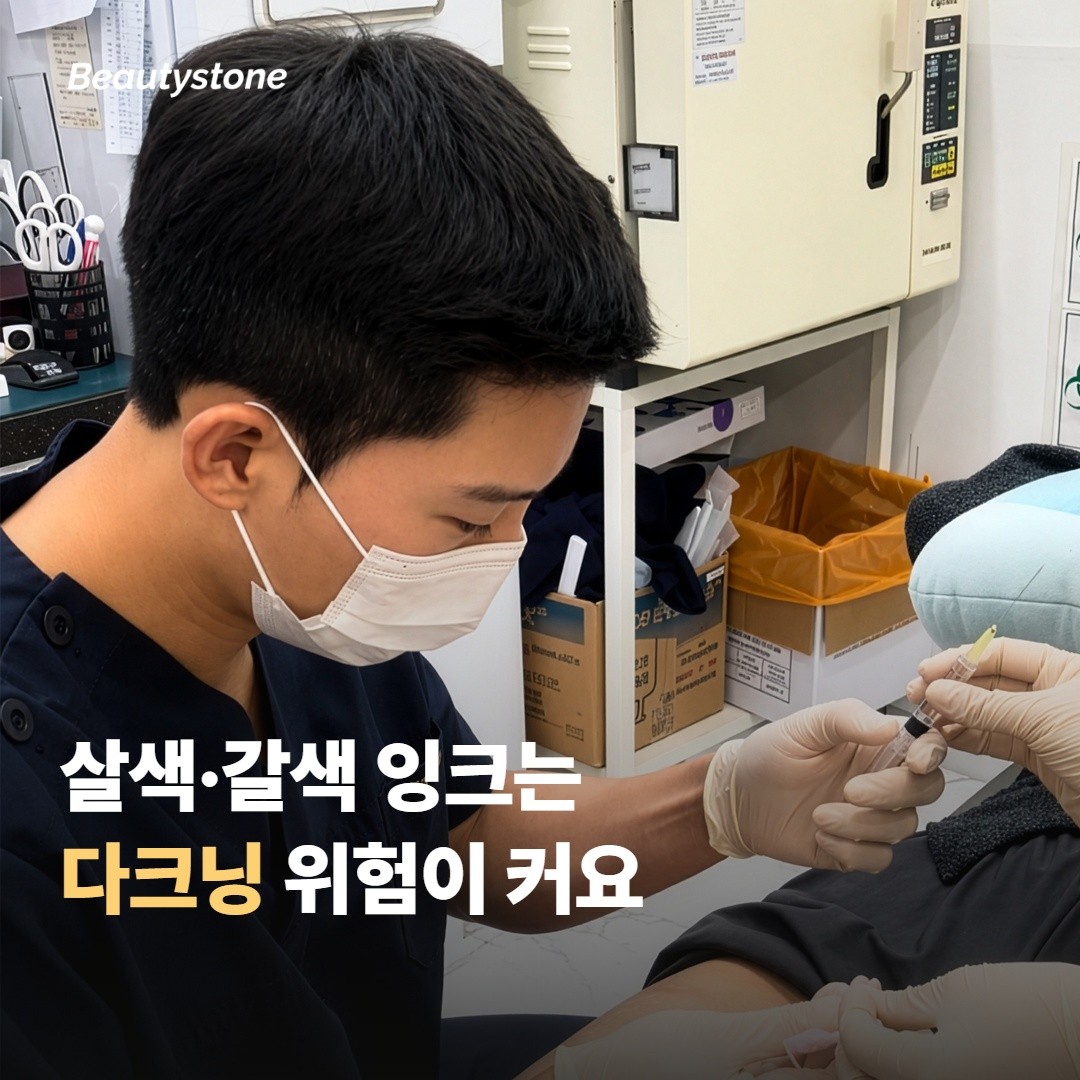
Semi-permanent eyebrow inks are usually a mix of flesh-toned, brown, and light brown shades. These inks frequently contain iron oxide, which can undergo a chemical reduction under the laser's heat, causing a darkening effect where the ink turns gray or black.
If darkening occurs, you may need one or two extra sessions, or a different wavelength of laser to target the discolored ink. That is why performing a test shot on a small, hidden area before the first full session is standard practice. Knowing whether your doctor proactively explains this darkening risk is a great way to gauge the clinic's trustworthiness.
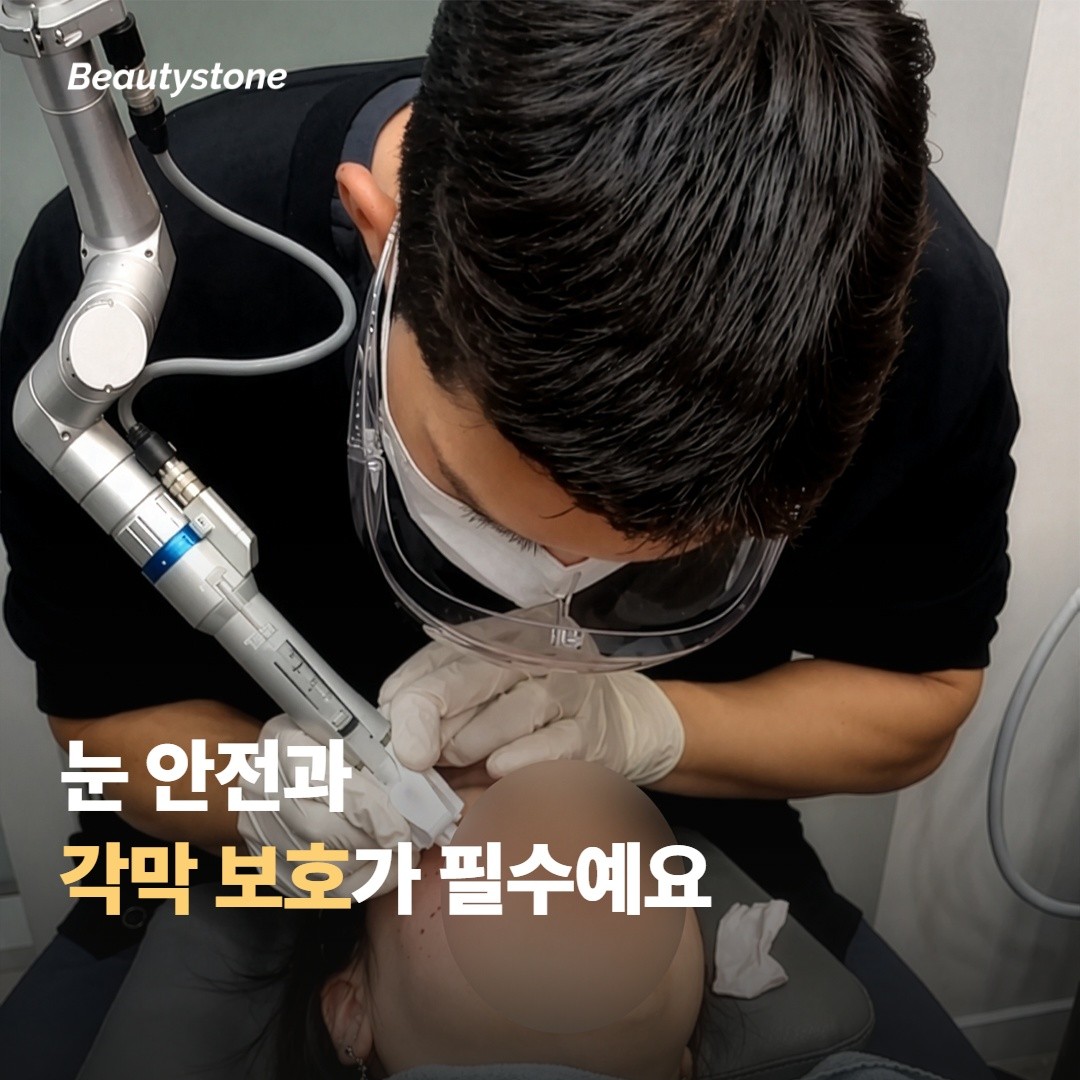
Eye safety and corneal protection are absolute priorities
Due to the location of the eyebrows, protective eye shields (contact lens style) are often worn during the procedure to ensure the laser output does not directly touch the eyes. These metal or ceramic shields cover the cornea, and are typically inserted after evaluating the eyes through a brief pre-procedure check.
If a clinic performs this procedure using only standard protective goggles without corneal shields, it may be a sign of weaker safety standards. Laser treatments on the face are safest when combined with careful energy control, protective shields, and proper pre-treatment checks. Asking briefly about this protocol during your consultation will show you the clinic's level of care.
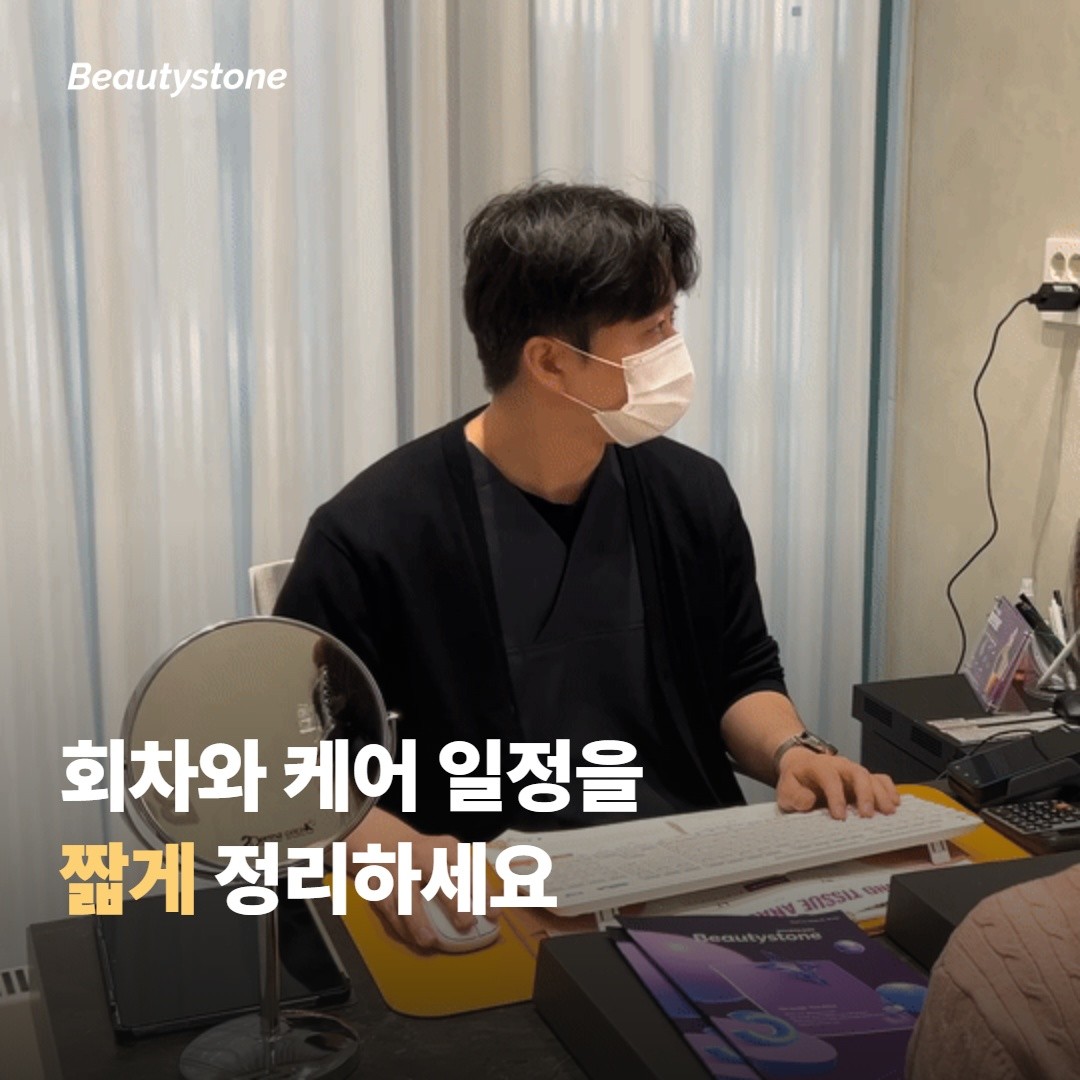
A quick look at sessions and care schedules
For semi-permanent eyebrow removal, most people see significant fading in about 3 to 6 sessions. While results appear in fewer sessions compared to standard tattoos, an extra 1 to 2 sessions may be required if darkening or discoloration occurs. For safety, it is best to maintain an interval of 6 to 8 weeks between sessions.
Between treatments, sun protection is absolutely critical. Since eyebrows are directly exposed to sunlight, forgetting sun care can lead to post-inflammatory hyperpigmentation, compromising your results. Please note that this information is for general reference; your final diagnosis and treatment plan should be decided in close consultation with a physician who has personally evaluated your ink type and depth.
Frequently Asked Questions
Q. Won't semi-permanent eyebrows just fade on their own over time?
A. While they do fade over time, they rarely disappear completely on their own, often leaving behind a bluish tint or a distorted, out-of-place shape.
Q. Can darkened eyebrows be treated the same way as regular tattoos?
A. It can be difficult to treat with a single device because switching to a different wavelength is often necessary. A multi-wavelength device or a combination of two different lasers may be required.
Q. Is the price the same for every session?
A. If the treated area and the laser settings per session are the same, the price is generally similar. However, some clinics may charge extra for treating paradoxical darkening if it occurs. Please be sure to confirm this during your consultation.
Recommended Readings
"Others got it removed in 5 sessions?" The real reason your tattoo removal costs more
Why is Irezumi tattoo removal considered especially difficult?
Lettering tattoo removal*: It's gentle and straightforward… no need to worry!
To those wanting to remove color tattoos*: Why more sessions are truly needed
With semi-permanent brows, clinical suitability and safety are judged separately from estimating how many sessions may be needed. If removal is appropriate, Beautystone uses the Kirby–Desai assessment in consultation, covering skin type, location, ink amount, layering, scarring and colour, to discuss an expected range. The estimate is revised as the area responds.





Lifting
XERF for a Thin Face: Depth vs. Hollowing?

Lifting
Thread Lift Swelling: What's Normal in 5 Days?

Lifting
Thermage Cost: 4 Lines to Check on a Quote

Contouring & Volume
Xeomin Cost: Why Do 50-Unit Quotes Differ?

skin
Back Acne That Won't Clear? It Might Be Fungal

Tattoo removal
Bad Brow Tattoo: Cover It Up or Fade It First?