

Bumps arriving days after a session usually track hairs shedding, not a burn. Where the line sits between one that settles and one worth a doctor's look.
Published -
Updated -

Author
Wi Young-jin · Chief director
Seoul National University College of Medicine · Seoul National University Hospital Specialist
→
A few days after a laser hair removal session, small red bumps come up across the treated area and the immediate thought is that something has gone wrong. In most cases this is folliculitis, it is a common reaction, and it usually has nothing to do with the session having failed.
What is genuinely unsettling is not knowing whether you are looking at something that passes on its own or something that needs a clinician. So this article covers why folliculitis happens after laser hair removal on a device like GentleMax, what is actually going on underneath, how to care for it at home, and where the line sits for getting it looked at.
This article is general information from Beautystone, a skin clinic in Hapjeong, Seoul.
What you will learn
Why folliculitis shows up after hair removal, mechanically
What a GentleMax laser is actually targeting
How to tell a passing reaction from a sign that needs review
What you can do at home to care for it and reduce the odds next time
Why folliculitis shows up after hair removal
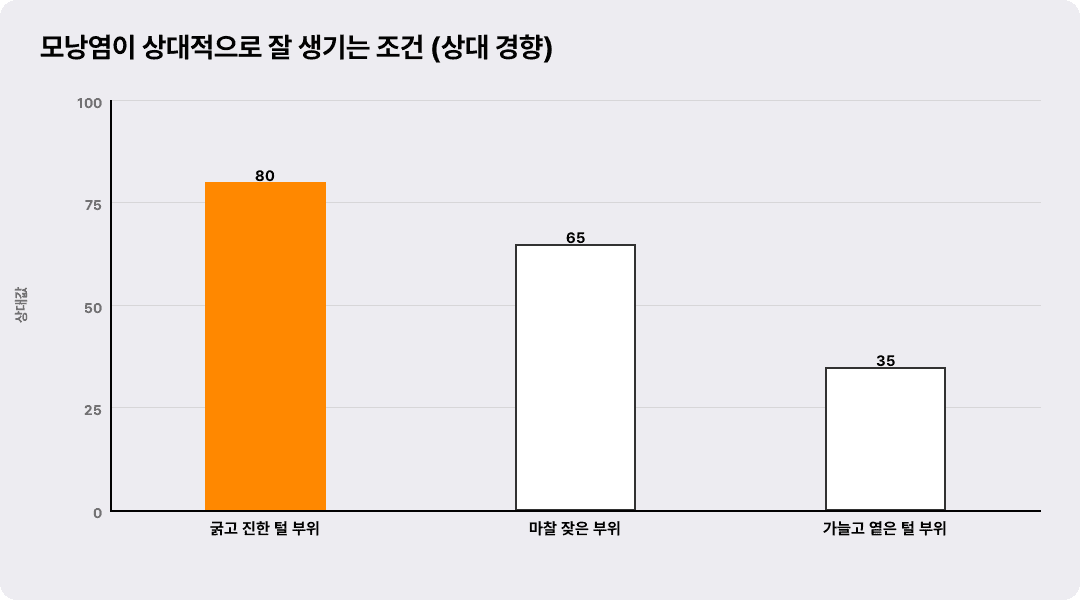
Folliculitis after laser hair removal is less a burn from the heat than a reaction to hairs working their way out of the follicle afterwards. The laser weakens the hair, the hair gets pushed out, and the body reads it as foreign material and mounts a mild inflammatory response around it. The mechanism is close to pseudofolliculitis*, where a shaved hair curls back into the skin. A case study suggests that laser-induced folliculitis may be a foreign body inflammatory reaction to extruding hairs, and that it can be more likely in people with coarse, dark hair, which shows this is tied to the shedding process rather than being a straightforward burn.
Pseudofolliculitis*: inflammation around the follicle when a hair cut by shaving grows through the skin or curls back into it. It has a tendency to occur more in coarse, curly hair.
Which is why areas with a lot of coarse, dark hair tend to see more of it. Areas shedding a lot of hair, and areas subject to frequent friction, are where it turns up most. Knowing the cause is tied to the natural process of hair falling out, rather than to a failed treatment, makes the whole thing considerably easier to look at calmly.
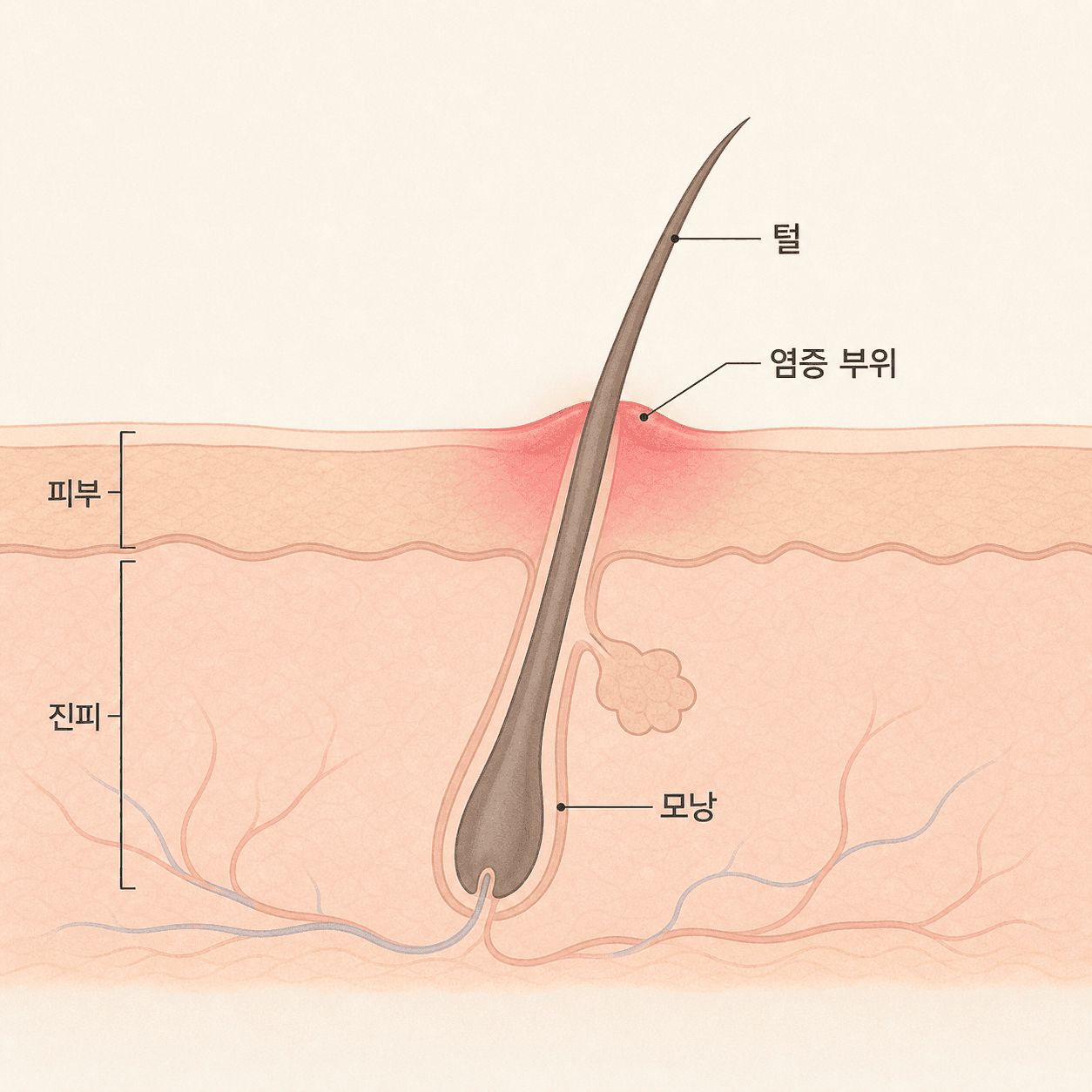

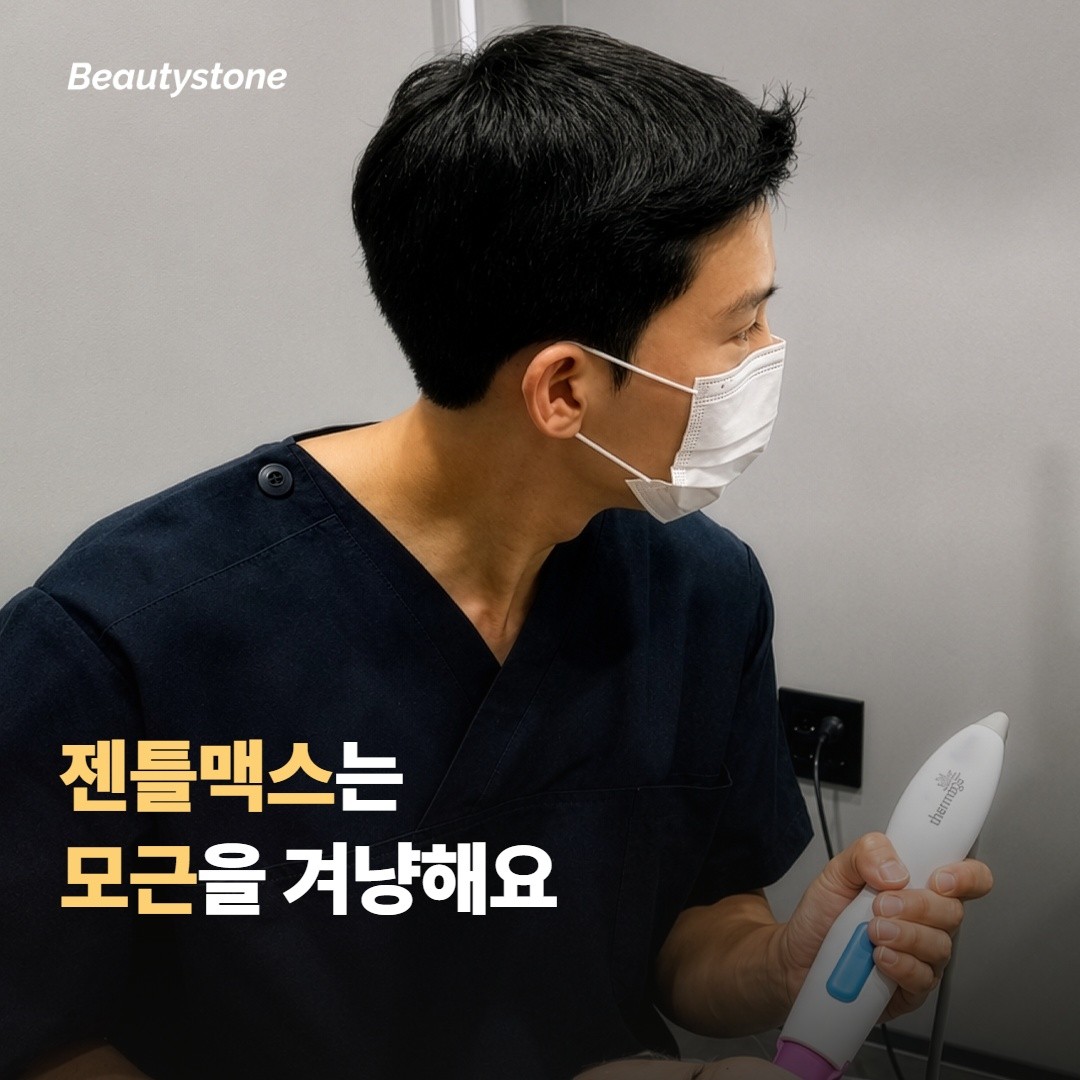
GentleMax targets the root, not the skin surface
Laser hair removal on a device like GentleMax works by having melanin inside the hair absorb light energy, using that heat to weaken the growth function of the root. The target is the follicle and root underneath, not the surface of the skin. Through this process the weakened hairs shed gradually over days to weeks, and it is precisely during that shedding stage that folliculitis becomes likely. In the US, GentleMax Pro is an FDA-cleared laser, and clearance in this category covers lasting hair reduction rather than getting rid of every hair for good.
Which explains the pattern where the skin looks fine straight after the session and the bumps arrive a few days later. That timing overlaps with the hairs being pushed out. How much of a reaction you get shifts with the area, the coarseness of the hair and the state of your skin, and the same person can respond differently on different parts of the body. Individual results and recovery vary.
A passing reaction versus a sign worth reviewing
Not all folliculitis is the same. Most of it sits lightly on the surface and settles within days, but anything that goes deep, fills with pus or spreads needs separate handling. The table sorts out where the line falls.
Feature | Passing reaction | Sign worth reviewing |
|---|---|---|
Appearance | Small red pinpoint bumps | Large pustules or a firm lump |
Pain | Mild stinging or itching | Deep pain when pressed |
Course | Fades within a few days | Spreads or worsens over time |
Other symptoms | None | Weeping, fever, or redness spreading widely |
Superficial irritant folliculitis generally fades within a few days, and pausing hair removal on that area tends to settle it faster. Dermatology references note that superficial folliculitis is often irritation from regrowing hair and improves within days, while infection reaching deeper produces a painful boil that needs antiseptic or antibiotic treatment, which is why separating the shallow reaction from a deeper infection matters.
If you see pus, significant pain or spreading, do not squeeze or scratch it. Have the clinician who treated you or a dermatologist look at it. Most of these reactions are mild, but knowing the dividing line lets you set aside the unnecessary worry and catch the signals that actually matter.

Caring for folliculitis at home, and heading it off
For mild folliculitis, the core of the care is reducing irritation and keeping the area clean rather than applying anything special. The following help both recovery and prevention.
Keep the area clean and dry — gentle cleansing helps clear shedding hairs and dead skin without force
Do not scratch or squeeze — added irritation can spread the inflammation or leave pigmentation behind
Skip tight clothing — repeated friction makes follicle irritation worse
Pause hair removal and shaving on that area — repeated irritation slows recovery
If you are prone to it, raise it in advance — anyone who gets this repeatedly should plan the before and after care with their provider
If it does not settle with that, or gets worse instead, treatment appropriate to the state of it may be needed, so get it looked at. In particular, if folliculitis keeps recurring in the same area, adjusting the treatment parameters or the aftercare routine tends to help.

Why the provider you choose still matters
The habit worth looking for is a clinic that checks hair coarseness and skin condition per area before setting parameters and advising on aftercare. If an area carries a lot of coarse, dark hair and is prone to folliculitis, the before and after routine is worth agreeing in advance rather than improvising afterwards. At Beautystone, a small clinic a short walk from Hapjeong Station in Seoul, session count and aftercare get matched to how each area actually responded. If you are travelling for treatment, plan for aftercare where you live, since folliculitis often appears a few days later and may need a local provider to look at it.
Common reactions after hair removal, and how recovery runs
After a GentleMax session, mild reactions in the treated area are common. Most settle on their own without any intervention.
Mild redness and stinging — usually easing within a few hours to a day
Slight swelling around the follicles — the hair is reacting, and this can last a few days
Pinpoint bumps appearing a few days later — these usually overlap with the hairs shedding
These signs, on the other hand, are worth raising with the clinician who treated you.
Large pustules or a firm lump you can feel
Redness that spreads or worsens over time — contact your provider promptly or seek urgent care
Weeping, or bumps accompanied by fever — these can signal infection, so seek urgent care
Folliculitis after hair removal is usually a mild reaction tied to the hairs shedding, but the course varies with the area and the state of the hair. This is general educational information rather than medical advice, so the right care for your own reaction is a decision to make with the clinician who has examined you.
Frequently asked questions
Q. If I get folliculitis, can I still have my next session?
A. Once the reaction has settled, most people carry on, but checking the state of it comes first. If folliculitis keeps recurring in an area, the parameters or the aftercare routine may get adjusted. Rather than going ahead while inflammation is active, it is safer to plan the next session once it has calmed down.
Q. Can I squeeze the spots?
A. Squeezing and scratching are best avoided. Added irritation can spread the inflammation or leave pigmentation behind. Cleansing gently, reducing irritation and watching it is better for recovery, and if it worsens, get it looked at.
Q. The bumps appeared days later. Did the session go wrong?
A. A reaction arriving a few days later rather than immediately is actually the common pattern. The weakened hairs are shedding at that point, which sets off a reaction around the follicle. Most of it settles within days, but if it fills with pus or spreads, have it looked at.
Q. Is there any way to prevent folliculitis?
A. Keeping the area clean and dry and cutting down on tight clothing and repeated friction both help. If you are prone to it, discussing the before and after care in advance is worth doing. That said, the realistic aim is reducing the severity and settling it faster rather than preventing it entirely.
Content



skin
Why Does Fractional CO2 Take Longer to Heal?

Contouring & Volume
How Many cc Does Forehead Filler Need?

skin
Why Is My Skin Oily but Tight in the Fall?

Hair Removal
Underarm Laser Hair Removal Cost: Do the Math

Tattoo removal
Laser Before a Cover-Up: How Many Sessions?

skin
큐어젯 다운타임, 다음 날 출근과 화장은 언제부터 될까요?