

A dual-wavelength system covers a wider range of skin tones, and laser toning often needs 4–8 sessions. Two more things worth checking before you book.
Published -
Updated -

Author
Wi Young-jin · Chief director
Seoul National University College of Medicine · Seoul National University Hospital Specialist
→
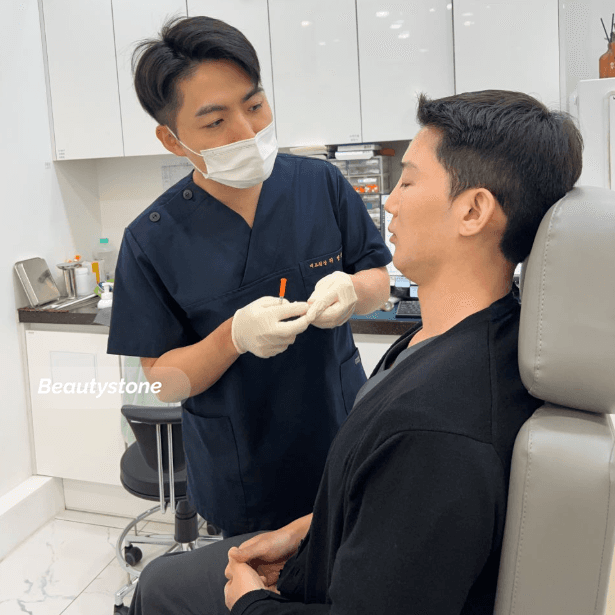
Picking a skin clinic is a bit like picking a restaurant in a new city — you scan the reviews, look at the photos, and hope for the best.
Here is the short answer first: the clinics worth your time are the ones where a doctor actually assesses your skin and runs the laser, the device suits your skin tone, and someone is honest with you about what a treatment can and can't do.
This is general information from Beautystone, a skin clinic in Seoul. The city is packed with well-known clinic districts — Hongdae, Hapjeong, Myeongdong, Gangnam — so if you are visiting and thinking about a treatment, telling a good clinic from an average one can feel impossible. Below are five signs that actually matter.
1. Why Seoul has so many skin clinics —
and why they are not all the same
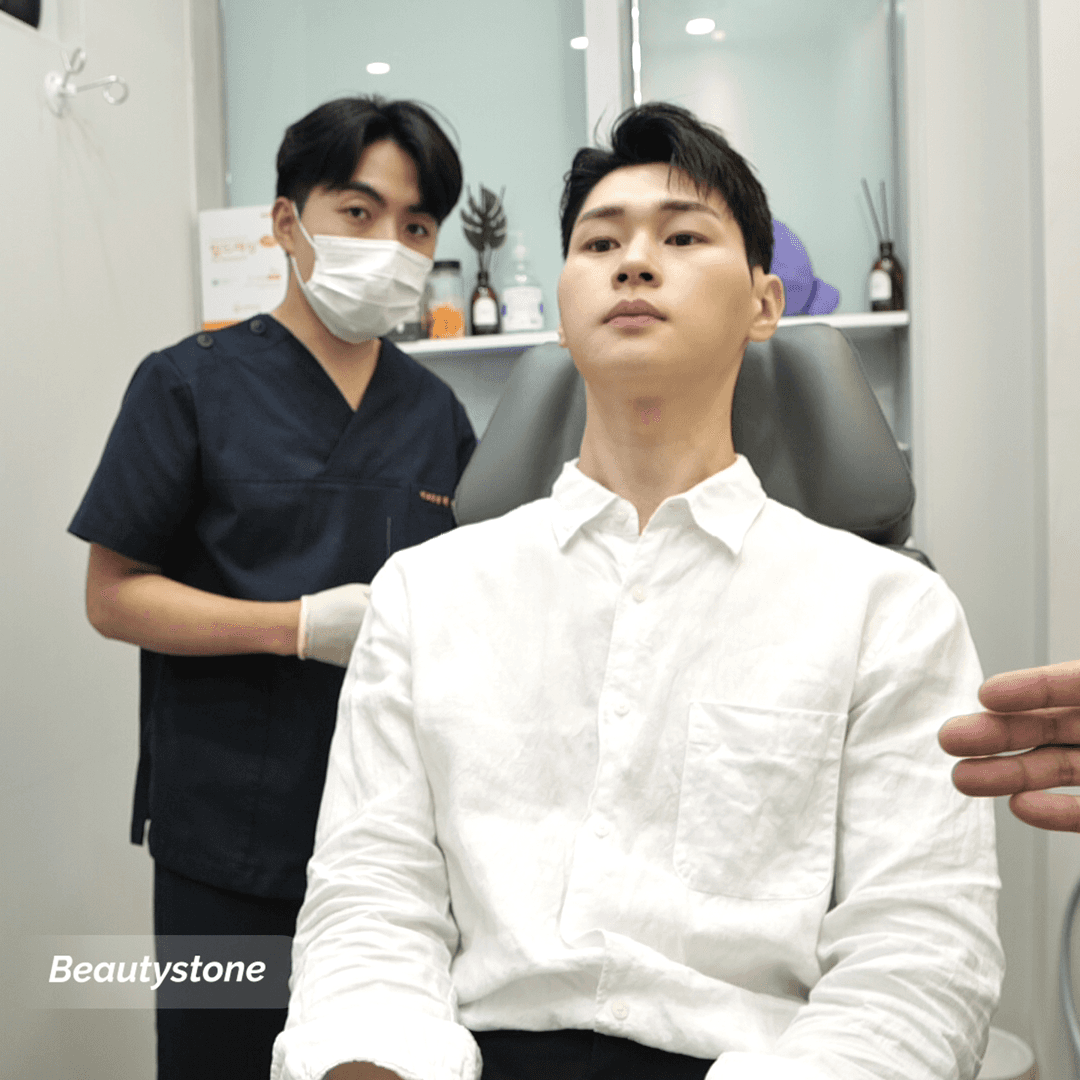
Districts like Hongdae, Hapjeong, Sinchon, Ewha and Mangwon have one of the highest densities of skin clinics anywhere in Seoul. Within a roughly 2 km radius you can find dozens of them, which is exactly why choosing is so hard.
From the outside, they all look the same. The laser menus overlap, the device names sound alike, and the prices land in a similar range.
Step inside, though, and the experience is very different. A lower price often just means less time — a quicker consult and a faster session.
Because I treat patients myself, the biggest difference I see comes down to how much time a clinic actually spends on you.
At many clinics, a coordinator handles the consult and the planning while the doctor only fires the laser. That model isn't wrong — but you deserve to know how a clinic runs before you choose it.
2. What actually matters
when you choose a clinic
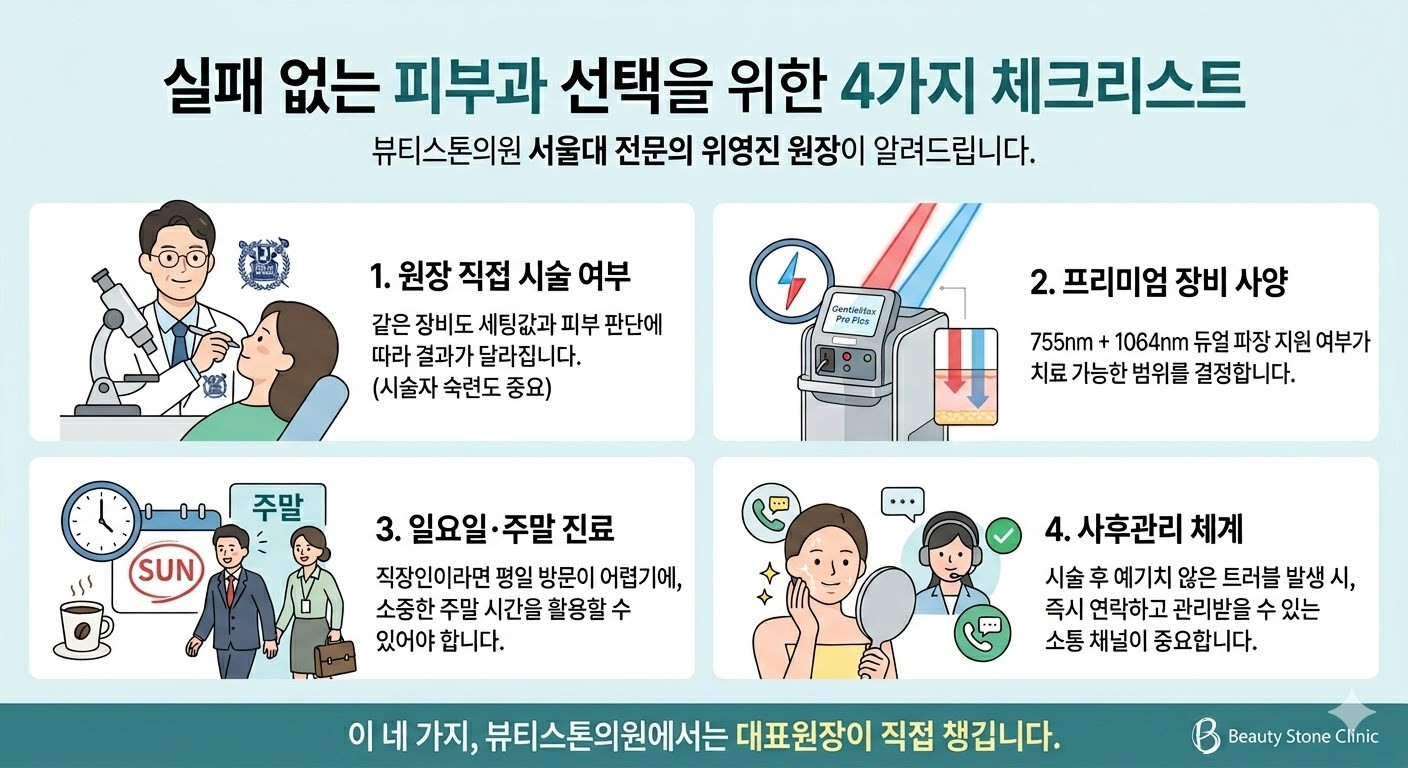
"How do I pick a good skin clinic?" is one of the questions I hear most in the exam room.
Five things really separate a good clinic from an average one. Four you can check before you book — they're in the table below — and the fifth, whether they're honest about a treatment's limits, is what you'll notice during the consult (more on that in the next section).
What to check | Why it matters |
Does a doctor treat you? | With the same device, the settings and the read on your skin change the result completely |
Device and wavelength | A dual-wavelength platform like GentleMax Pro Plus covers a wider range of skin tones and concerns |
Weekend or Sunday hours | If you're traveling or working weekdays, weekend availability is often the deciding factor |
After-care access | If something flares up after a session, you want to be able to reach the clinic quickly |
A quick word on the device, since it comes up a lot. The GentleMax Pro Plus we use combines two wavelengths in one system — Alexandrite 755 nm and Nd:YAG 1064 nm — so it can be matched to lighter and darker skin tones alike.
In the US, lasers like this are FDA-cleared — "cleared" is the correct term for a device, whereas a drug such as Botox is "FDA-approved." Dual-wavelength platforms of this type are generally cleared for uses such as hair removal and treating certain benign vascular lesions; the exact cleared indications vary by device, so it's worth confirming the specifics with any clinic.
On cost: prices vary widely by clinic and country, so treat any figure as a ballpark and confirm directly before you book. Laser treatments are also commonly sold in packages rather than as one-offs.
3. The honest limits
a good clinic will tell you
A lot of people expect one visit to fix everything. It usually doesn't work that way — and a clinic worth choosing will tell you so up front.
Take laser "toning," which is used to help break down melanin and reduce the look of dullness and spots. In the US it's often used off-label — meaning outside a device's specifically cleared indications, at the clinician's judgment — most commonly for melasma.
It also tends to need repeating: often around 4–8 sessions before there's a meaningful change. That number varies widely from person to person and is not a guaranteed count. Individual results may vary.
If someone expects a dramatic change from a single visit, I make a point of setting that expectation early.
It isn't right for everyone, either. If you are pregnant, taking certain medications, or your skin barrier is significantly compromised, the timing may need to be adjusted. Sorting this out at the first consult matters more than anything.
The approach should also change with your skin type. Sensitive skin in particular does better with lower energy spread across more visits.
Pushing high energy too quickly is how you run into trouble: blistering, spreading redness, signs of infection, or worsening burns or pigment changes are reasons to contact your provider right away or seek urgent care.
So is it worth it? For thinning, dullness, or uneven tone, a properly run series can genuinely help — as long as you go in expecting gradual change rather than a one-visit transformation. If you want an overnight fix, or you can't commit to a series, it may not be the right choice for you right now.
Frequently asked questions
Q1. It's my first visit —
is a consult-only appointment okay?
A. Absolutely. The consult itself is done by the doctor, and we work through an approach that fits your skin together. There's no pressure to book a treatment on the spot.
Q2. Are you open on Sundays?
A. Yes, we see patients on Sundays. It's popular with people who can't get away on weekdays — book ahead and you can usually be seen without a wait.
Q3. Can I go back to normal
right after a laser session?
A. It depends on the treatment, but with laser toning most of the flushing settles within a few hours. Skip the sauna and you should be fine the next day.
Choosing a skin clinic feels hard mostly because it's not obvious which information to trust.
At Beautystone in Seoul, I look at your skin myself and tell you honestly what I see, right there in the room.
If you're weighing a treatment, come in for a consult first — no pressure. And if you're visiting from abroad, it's worth confirming language support and hours before you go, wherever you choose.
Last updated: July 2026. This article is general information and not a substitute for a personal medical consultation.
Related reading: Nose filler: side effects, results, and how long it lasts | Thermage 600 shots: why custom design beats a cheap price | Mounjaro vs. Saxenda: an honest comparison
Content


skin
Why Does Fractional CO2 Take Longer to Heal?

Contouring & Volume
How Many cc Does Forehead Filler Need?

skin
Why Is My Skin Oily but Tight in the Fall?

Hair Removal
Underarm Laser Hair Removal Cost: Do the Math

Tattoo removal
Laser Before a Cover-Up: How Many Sessions?

skin
큐어젯 다운타임, 다음 날 출근과 화장은 언제부터 될까요?