

What to check before choosing a dermatology clinic in Seoul, how Gangnam, Hongdae/Hapjeong, and Myeongdong actually differ, and who Beautystone fits well.
Published -
Updated -

Author
Wi Young-jin · Chief director
Seoul National University College of Medicine · Seoul National University Hospital Specialist
→
If you've searched "best dermatology clinic in Seoul" and come away with a browser full of marketing copy instead of an actual answer, you're not alone. Gangnam has its fans, and so do Hongdae and Myeongdong — every pitch sounds confident, and none of them tell you what you're actually supposed to be comparing.
Here's the reframe: the neighborhood matters less than what a clinic actually lets you verify. Does a doctor see you directly, or do you get passed between staff? Is your skin assessed before anyone proposes a treatment plan — and if something feels off a few days later, is there an actual way to reach someone?
This isn't a "we're the best clinic in Seoul" pitch — we couldn't back that up, and honestly, neither can anyone else. In this guide, we'll walk through what's worth checking before you book anywhere, how Gangnam, Hongdae/Hapjeong, and Myeongdong genuinely differ, where our own clinic — Beautystone, based in Seoul's Hapjeong neighborhood — tends to be a good fit and where it isn't, and how to verify all of it yourself.
What you'll learn
What to check before booking any dermatology clinic in Seoul
How Gangnam, Hongdae/Hapjeong, and Myeongdong actually differ
Who Beautystone tends to fit well, and who it probably doesn't
How to verify any of this yourself, with real sources
What to Check Before Choosing a Dermatology Clinic in Seoul
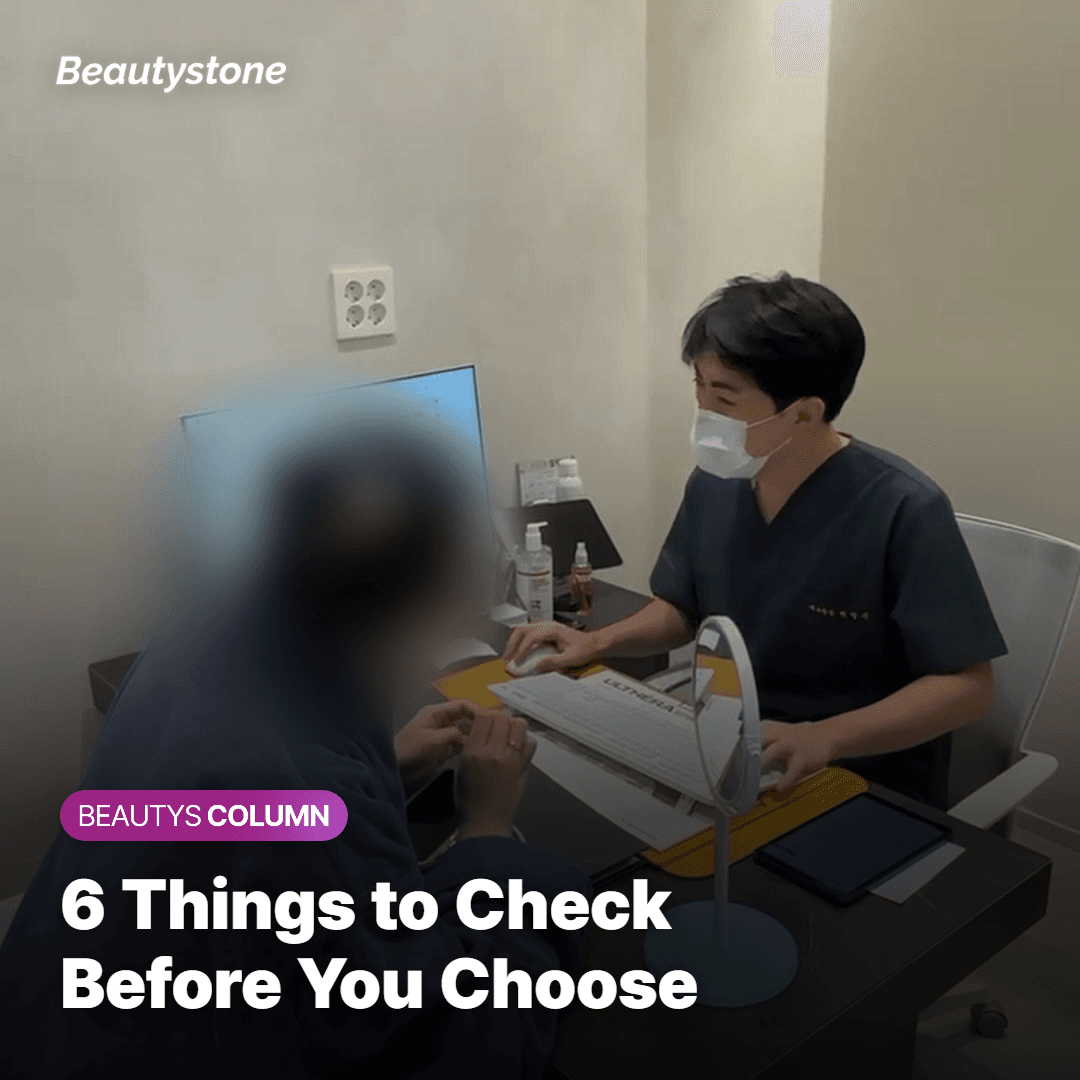
Before you narrow anything down by neighborhood, there's a shorter list of things worth confirming that matters more than location:
The doctor's background: What's their specialty, and how long have they practiced it? A clinic's own bio page is a starting point, not the final word.
Who actually treats you: Ask whether the doctor who consults with you is the same one who performs the treatment, or whether those steps get handed off to different staff.
How skin gets assessed beforehand: A plan built around your skin, checked in person, is a different experience than one built around a fixed menu of add-ons.
How equipment and consumables are managed: It's a fair question to ask out loud, even if it feels a little blunt — a clinic that's confident in its process won't mind.
Whether side effects and downtime get explained upfront: You want this before you commit to anything, not after.
Whether there's a real way to reach the clinic afterward: Recovery doesn't always go exactly to plan, and it helps to know who picks up when it doesn't.
Some of this is checkable outside of whatever a clinic's own website tells you. Korea's Health Insurance Review & Assessment Service (HIRA) runs a public hospital and pharmacy lookup tool that lists a clinic's registered specialty, equipment on file, and evaluation grade by region. It takes about five minutes, and it's worth doing before a consultation — not instead of one.
How Gangnam, Hongdae (Hapjeong), and Myeongdong Actually Differ
Seoul's dermatology and aesthetic clinics cluster mainly around three areas: Gangnam, Hongdae (and Hapjeong, right next to it), and Myeongdong. None of the three is objectively better — they're just built for different situations.
Gangnam tends to have the widest selection, from large multi-branch practices down to smaller boutique ones, and a lot of clinics there are set up specifically around international patients. Hongdae and Hapjeong skew younger and more local — smaller, often one-on-one practices with easy subway access, but fewer clinics built specifically around a tourist workflow. Myeongdong leans hard into its tourist-district identity, with the currency exchange counters, signage, and short-stay conveniences that come with it.
Factor | Gangnam | Hongdae/Hapjeong | Myeongdong |
|---|---|---|---|
Tourist accessibility | Large clinics, many built around international patients | Younger, local neighborhood feel; easy subway access | Tourist-district infrastructure nearby (currency exchange, signage) |
Hours | Varies a lot; often appointment-first | Weekday-heavy at smaller practices — worth checking ahead | Some clinics extend into evenings and weekends |
Foreign-language consultation | Larger clinics often have dedicated coordinators | Varies clinic to clinic — confirm rather than assume | Multilingual signage and staff are relatively common |
Clinic size | Large and mid-size, including multi-branch chains | Smaller, often one-on-one practices | Mix of mid-size clinics and visitor-oriented chains |
Pricing structure | Wide range — more procedure types, wider spread | Consultation-based quotes are typical | Some clinics package pricing for short-stay visitors |
Follow-up convenience | Depends heavily on where you're staying | Easiest if you're already based in the area | Can mean more travel for anyone not staying nearby |
If a clinic's pitch leans hard on serving international patients, one way to check whether that's more than a slogan is to see whether it's registered as a foreign-patient-recruitment medical institution*. Korea's Ministry of Health and Welfare (MOHW) requires clinics that actively recruit foreign patients to register formally, and that registration has to be renewed every three years or it lapses. A clinic can talk about international patients without ever holding this status, so it's worth asking directly rather than taking the claim at face value.
Foreign-patient-recruitment medical institution: a formal registration with Korea's Ministry of Health and Welfare for clinics that actively court patients from outside Korea. It isn't automatic, and it isn't permanent unless the clinic renews it.
Who Beautystone Fits Well
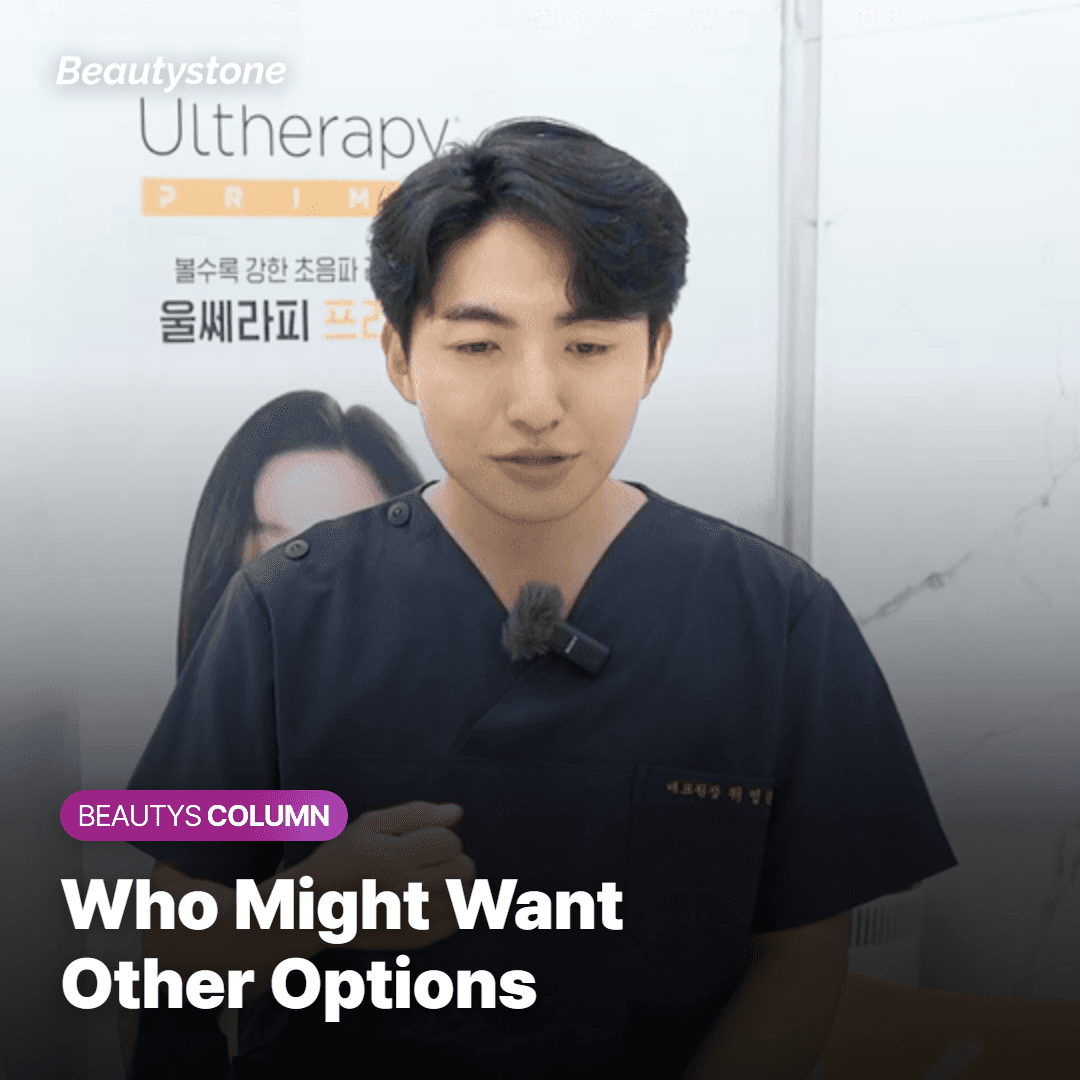
Weigh those differences against your own situation, and Beautystone — our clinic in Hapjeong — tends to make sense for a specific kind of patient:
Hapjeong/Hongdae convenience matters to you: if that's already where you're staying or spending time, the location does a lot of the work.
You want the doctor who consults you to also decide on treatment: not a hand-off between a sales consultation and a separate treatment room.
You prefer an assessment-first process: skin checked in person before anyone proposes what to do about it.
You need consultation in a language other than Korean: at least as a starting point — see below for the specifics.
You care about what happens after treatment, not just during it: follow-up isn't an afterthought for you.
In practice: Beautystone Dermatology Clinic sits in Seogyo-dong, Mapo-gu — about a one-minute walk from Hapjeong Station, inside the Mecenatpolis complex, at 45 Yanghwa-ro, Mapo-gu, Seoul (Mall building, units 133-135 and 215-218). It's a small practice, so consultations tend to be one-on-one with the clinic's doctors, Dr. Kaeul Kim and Dr. Wi Young-jin, rather than routed through separate departments.
You can book through Naver Reservation, KakaoTalk, or by phone at +82-2-3144-0107; a LINE channel is available too, if that's easier for you. Consultations run in Korean and English — for anything beyond that, message ahead through one of those channels to confirm before you show up.
The clinic is open all seven days: Monday through Friday, 10:30 a.m. to 8:30 p.m., and weekends and holidays, 10:30 a.m. to 5:00 p.m. It's worth reconfirming the exact hours for your specific day through the booking channel, since holidays can shift them.

Who Beautystone Might Not Fit
The same setup that works well for some patients isn't the right fit for everyone. If you recognize yourself below, another clinic — quite possibly in Gangnam or Myeongdong — may serve you better:
You want to compare prices across several clinics before anything else: a small, consultation-first practice isn't built for rapid price-shopping.
You'd rather skip the consultation and book a package outright: that's just not how the clinic works.
You're staying in Gangnam or Myeongdong and don't want to cross the city: convenience should count for something, and we're not going to pretend otherwise.
We'd rather tell you that upfront than have you find out mid-visit.
How to Verify This Yourself
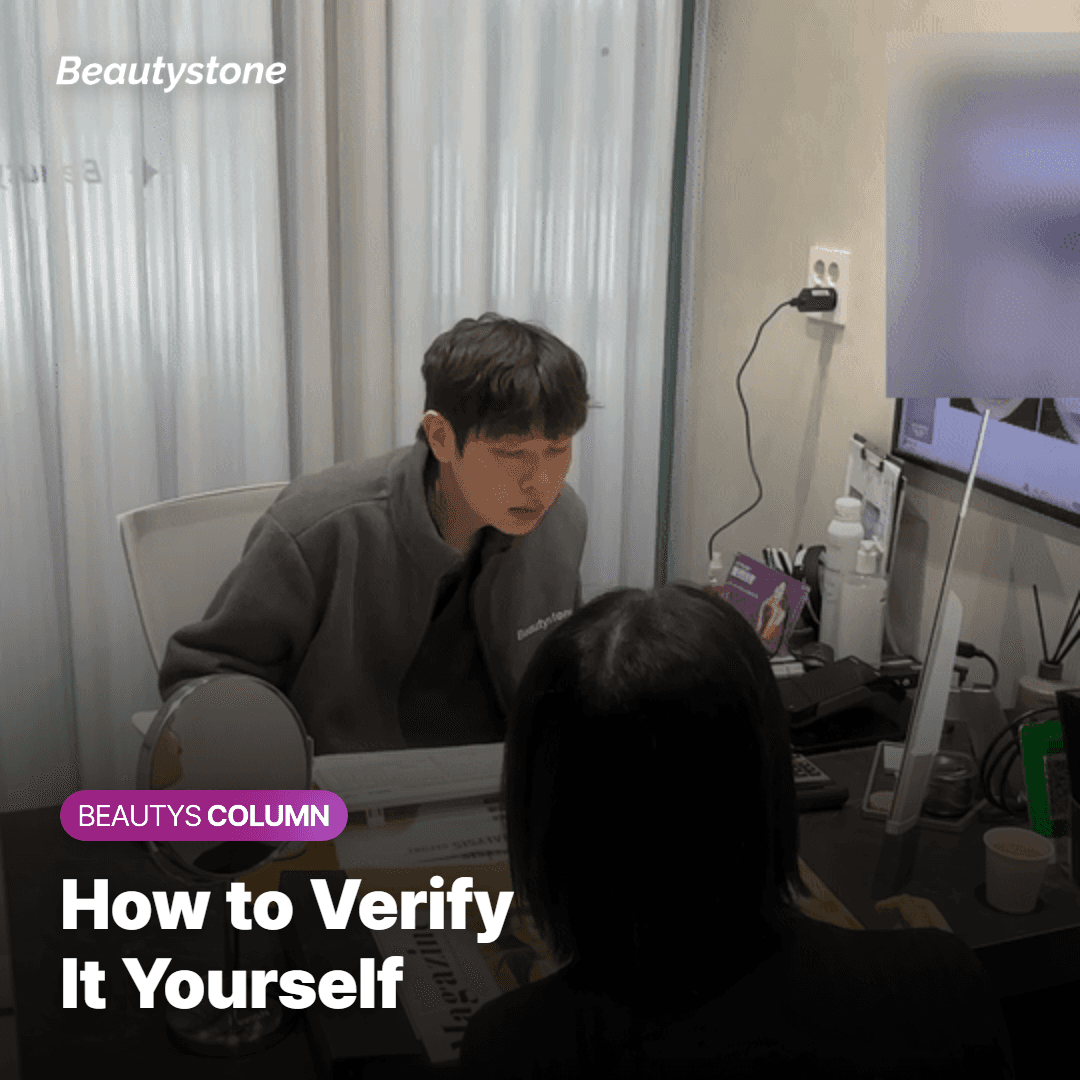
None of the above should be taken on faith — ours included. Here's what to actually check, and where:
Doctor background: cross-check names against the HIRA lookup tool mentioned above, rather than relying only on a clinic's own bio page.
Foreign-patient-registration status: if international patients are part of a clinic's pitch, ask directly whether it currently holds that registration — don't assume from a brochure.
Equipment certification: it's fair to ask, in person, whether the devices a clinic uses carry approval from Korea's Ministry of Food and Drug Safety (MFDS) — the country's rough equivalent of the FDA.
Actual hours for your specific day: posted hours are a general guide; holidays and clinic-specific schedules shift them, so confirm the same-day time slot through the booking channel.
Language support range: confirm ahead of time what's actually supported beyond Korean and English — don't assume from a website badge.
Pre- and post-treatment care process: ask what happens right before treatment (how they check your skin) and right after (how and when you can reach someone).
Published non-covered* pricing: treatments Korea's national health insurance doesn't cover aren't priced the same way everywhere. HIRA's non-covered treatment cost lookup service is a reasonable starting point for a general range before you get an exact quote in consultation.
Last reviewed: this guide reflects what we confirmed as of July 30, 2026 — clinic details change, so treat the specifics above as a starting point, not a guarantee.
Non-covered care*: treatment that Korea's national health insurance doesn't pay for, so each clinic sets its own price. Sometimes called out-of-pocket or self-pay care.
This is a general checklist, not a substitute for asking your own questions in person — your specific situation is something to confirm directly with a provider. If Beautystone's approach above sounds like your fit, a first consultation is the most direct way to find out. If it doesn't sound like your fit, the checklist above should travel well to whichever clinic you do choose.
Frequently asked questions
Q. Is location the most important factor?
A. Not really — or at least, it shouldn't be the first filter. Location is a real convenience factor, but it's worth checking things like whether a doctor sees you directly and how clearly side effects get explained before you narrow anything down by neighborhood. Location is easy to sort out last.
Q. Which district is most foreigner-friendly?
A. It depends what "friendly" means to you. Myeongdong's tourist-district infrastructure often means the most readily available multilingual signage day to day, and Gangnam's larger clinics more often have dedicated language coordinators on staff. Hongdae and Hapjeong are more mixed — smaller practices, so it's worth confirming clinic by clinic rather than assuming.
Q. Can Beautystone do non-Korean-language consultation?
A. Yes, in English. Korean is the default at the clinic, and English consultation is confirmed. For any other language, message ahead through Naver Reservation, KakaoTalk, or the clinic's LINE channel to confirm someone can assist before you book.
Q. Why do non-covered prices vary by clinic?
A. Because no single price list governs them. Non-covered treatments aren't set by Korea's national health insurance, so each clinic prices them independently, and the spread can be wide even for similar procedures. HIRA's non-covered treatment cost lookup service is a reasonable way to check a general range before comparing quotes across clinics.


Hair Removal
레이저 제모 1회에도 남는 몫이 있어요 — 밀도를 모자이크로 보는 법

Tattoo removal
Why Extremity Tattoos Are Slower to Remove

Tattoo removal
Tattoo Removal Cost: Why Quotes Vary by Area

Tattoo removal
Unused Tattoo Removal Sessions: What Happens?

Lifting
Forehead Thread Lifting: How Far Can It Go?

skin
Skin Booster Prices: What to Check in a Quote