

InMode FX's heat can affect HA filler, so order matters. Here's which to do first and how long to wait.
Published -
Updated -

Author
Wi Young-jin · Chief director
Seoul National University College of Medicine · Seoul National University Hospital Specialist
→
If you're weighing InMode and filler together, you've probably wondered, "Can I do both on the same day?" and "Which one comes first?" You want results from both, but you worry that getting the order wrong could shortchange you.
The short answer: InMode uses radiofrequency heat to stimulate the dermis, while filler uses hyaluronic acid to restore lost volume, so the two have very different goals. That means they can pair beautifully, but because heat can affect filler, the order and the spacing between them matter. It's not simply "do both and you're done" — what really counts is which one comes first and how long you leave between them.
This article summarizes treatment information from Hapjeong Beautystone.
What you'll get from this article
What InMode and filler each set out to do
Why order matters, and how heat and filler interact
A rule of thumb for which to do first and how long to wait
What's worth checking before combining the two
Why people consider InMode and filler together
InMode delivers radiofrequency (RF)* into the skin to warm the dermis and trigger collagen renewal, lifting texture and firmness over time. Filler injects hyaluronic acid to directly fill lost volume, so the two work in fundamentally different ways. As research showing that RF energy drives a collagen response in the dermis suggests, InMode is the kind of treatment that builds results gradually.
Radiofrequency (RF)*: energy that delivers heat into the skin to prompt collagen renewal. InMode uses this RF heat to stimulate the dermis.
So using them together lets you tackle two different concerns at once — "fill the volume, lift the texture and firmness." That said, when heat and filler meet in the same spot they can affect each other, so order and spacing deserve some thought.
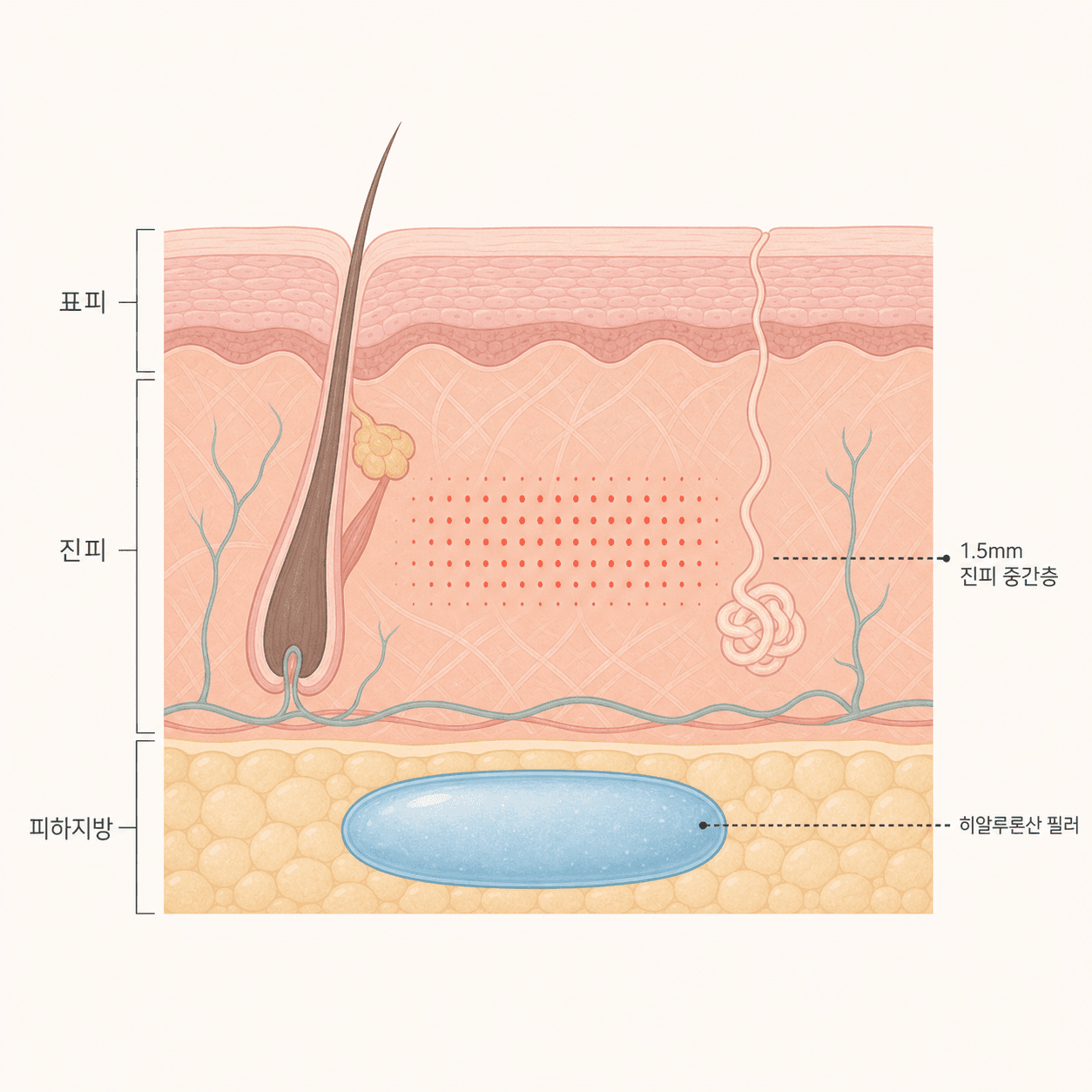

Why order matters — how heat and filler interact
The key point is that hyaluronic acid filler doesn't hold up well to heat. If you apply strong RF heat right over freshly placed filler, that heat can break the filler down faster or distort its shape. That's why the usual approach is to do the heat-based treatment first, then place the filler afterward or leave plenty of time in between.
Approach | What comes first | Why |
|---|---|---|
Recommended | InMode (heat) first | Limits the heat's effect on filler |
Same-day combo | Heat, then filler | Placing filler last protects it |
Spaced out | Filler some time after FX | Lets you recover, then proceed separately |
Order to avoid | Filler first, then heat right away | Risk of distortion and early breakdown |
The directions in this table are general guidelines and can shift depending on the treatment area, the type of filler, and the energy level. So rather than "this order, always," it's safest to map out your plan together with your provider.

So which order, and how long should you wait?
If you're getting both on the same day, the common approach is to apply InMode's heat first and place the filler last, minimizing the heat's effect. If you're splitting them across separate days, some people let the skin recover after InMode and then schedule the filler on its own. A study looking at results from combining RF treatment with hyaluronic acid filler also found that thoughtfully pairing the two can benefit the outcome.
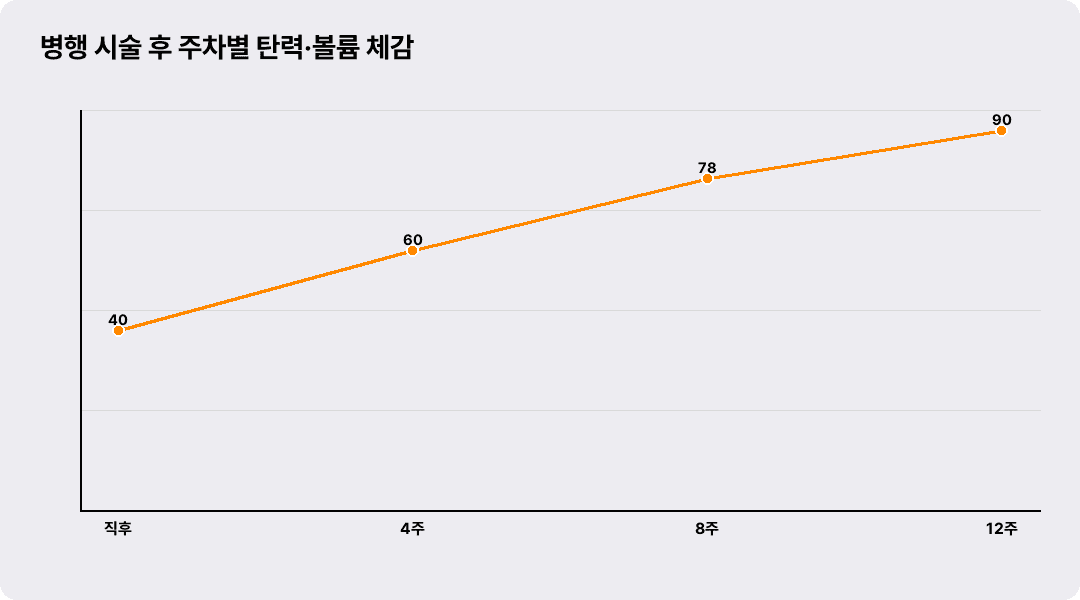
As for timing, it's driven less by a fixed formula and more by recovery and your goals. Texture and firmness come up slowly over several weeks as collagen builds, while filler volume is felt relatively right away — so it helps to plan around the fact that the two effects appear on different timelines.

Why Hapjeong Beautystone?
Rather than simply recommending "do both, it's great," Hapjeong Beautystone starts by looking at whether your real concern is volume or texture and firmness, then decides with you what to do first and whether to combine them on one day or split them up. Because the order in which heat and filler meet can affect the result, we look at your treatment area and filler type to guide a safe order and spacing. We're a small clinic within walking distance of Hapjeong Station, so it's easy to check on your recovery and plan the next step together.

Worth checking before you book
If you're thinking about combining the two, sorting out a few things ahead of time can put your mind at ease.
Is your main concern volume, or texture and firmness? — Setting your priority makes it easier to settle the order
Same day or separate days? — Decide based on your schedule and recovery time
Any existing filler? — If you already have filler, tell your provider where it is and when you got it
Recovery timeline — Texture and firmness show up over several weeks, so give it time before judging the results
Energy level and area — The order and spacing can change depending on the area
This article pulls together general information, so it's safest to decide your own combination order and spacing with the provider who actually examines you.

Frequently asked questions
Q. Can I get InMode and filler on the same day?
A. Sometimes, yes. But since filler can be affected by heat, the usual recommendation is to apply InMode's heat first and place the filler last. It can vary by area and filler type, so it's best to decide with your provider.
Q. I already have filler — is it okay to get InMode?
A. Applying strong heat right over existing filler can affect its shape or how long it lasts. So it's safest to tell your provider where your filler is and when you got it, then leave some spacing or adjust the intensity.
Q. Does changing the order make a big difference?
A. If you place filler first and then apply strong heat right away, the filler can distort or break down quickly. Doing the heat first and adding filler afterward lowers that risk, so the order can affect how stable your results are.
Q. When do the two treatments' effects kick in?
A. Filler volume tends to be felt relatively right away, while InMode's texture and firmness come up slowly over several weeks as collagen builds. The two effects appear on different timelines, so it's good to keep that gap in mind when you plan.


skin
Fraxel CO2: Why Prices Vary & What to Check

skin
How to Choose an Acne Dermatologist: 5 Signs

Contouring & Volume
Nasolabial Folds: When Lifting Isn't Enough

skin
Sculptra Cost: Why Sessions and Vials Matter

Lifting
After Shurink Universe: Wash, Work Out & Drink

skin
Sofwave Before a Wedding: Timing Guide