

InMode and Oligio are both RF lifting, but the method, pain, and sessions differ. Here's how.
Published -
Updated -

Author
Wi Young-jin · Chief director
Seoul National University College of Medicine · Seoul National University Hospital Specialist
→
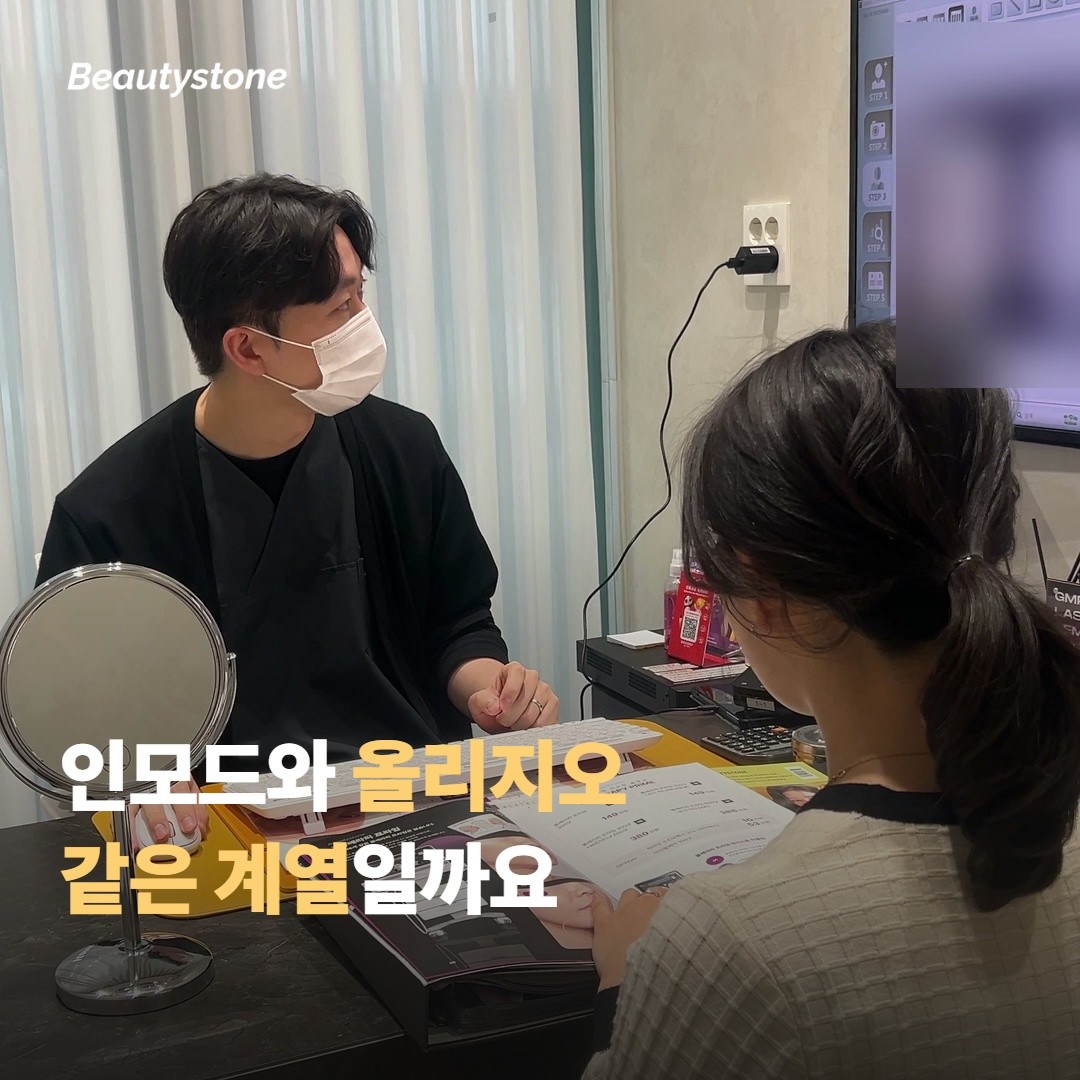
If a softening jawline has you researching RF lifting, you've probably seen "InMode" and "Oligio" pop up side by side and wondered whether they're basically the same thing or two completely different treatments. The first question we hear is almost always, "Which one is better for tightening my jawline?"
The short answer: both use radiofrequency (RF) to deliver heat into the skin and prompt new collagen, so both are lifting treatments — but they differ in how and how deep they deliver that heat. That's why the pain you feel, the number of sessions, and even the character of the results aren't the same. Rather than one being flat-out "better," the right pick depends on whether you also want to address fat under the chin or you're after deeper, lifted firmness.
This article rounds up treatment information from Hapjeong Beautystone.
In this article
Whether InMode and Oligio are the same family or work in different ways
How the two treatments differ in pain, sessions, and results
How to judge which one fits which kind of person
What's worth checking before your appointment
Why people get stuck choosing between InMode and Oligio
RF lifting works by sending heat into the deeper layers of skin — without breaking the surface — to trigger collagen renewal. But that one word "radiofrequency" actually covers a few different ways of delivering heat, which is exactly why so much conflicting information floats around about whether InMode and Oligio are the same thing or not.
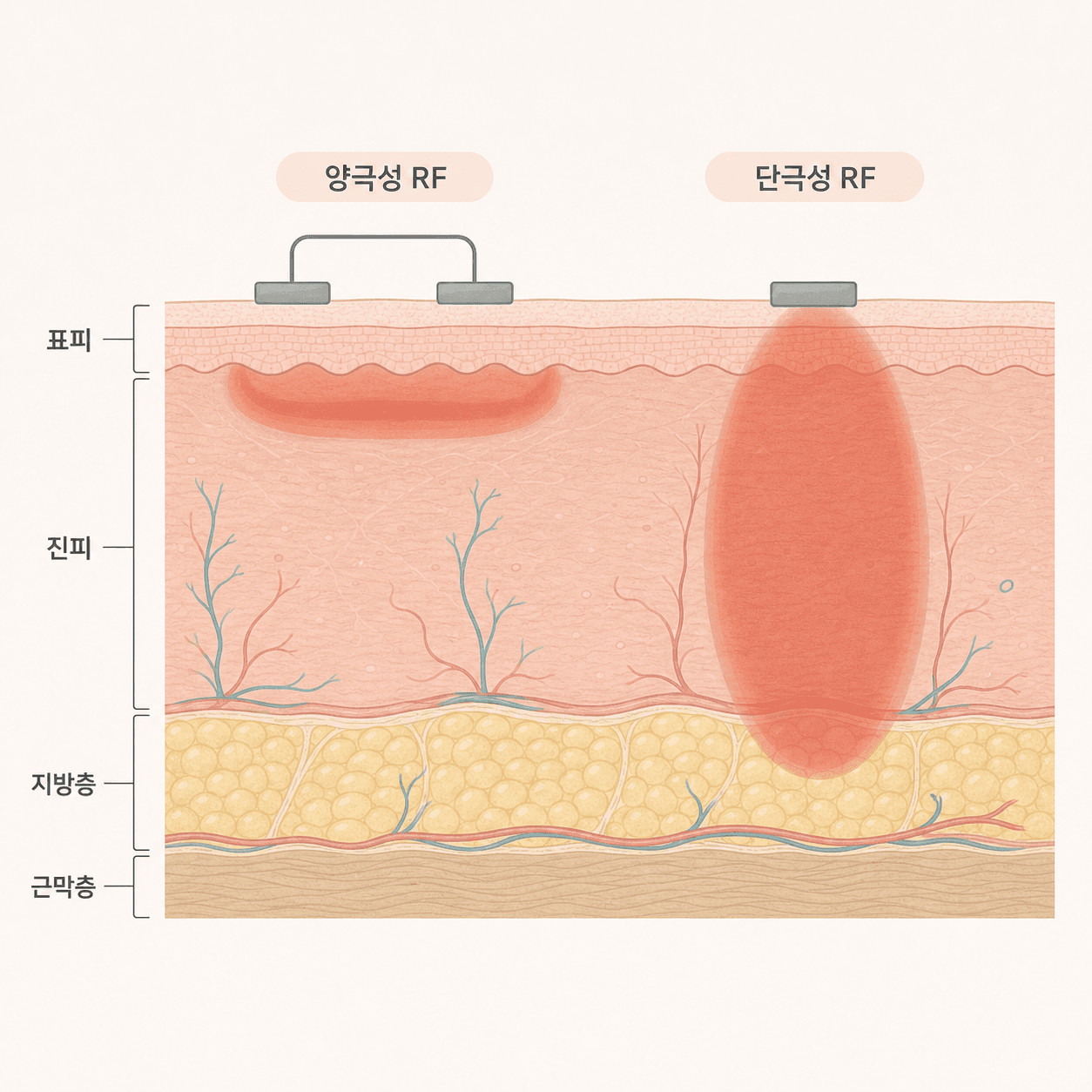
Here's the core difference: the two deliver heat differently. InMode uses bipolar RF*, running heat between two electrodes to warm a relatively shallow, wide area, with the emphasis on tidying up fat and contour under the chin. A study on bipolar RF devices for improving wrinkles and laxity in the lower face shows this approach is used to refine the lower-face contour.
Bipolar RF*: a method that runs radiofrequency between two electrodes to heat the tissue in between. It warms a relatively shallow layer over a wide area, and is used to refine contour and texture.
Same RF, but what's actually different — start with the core gap
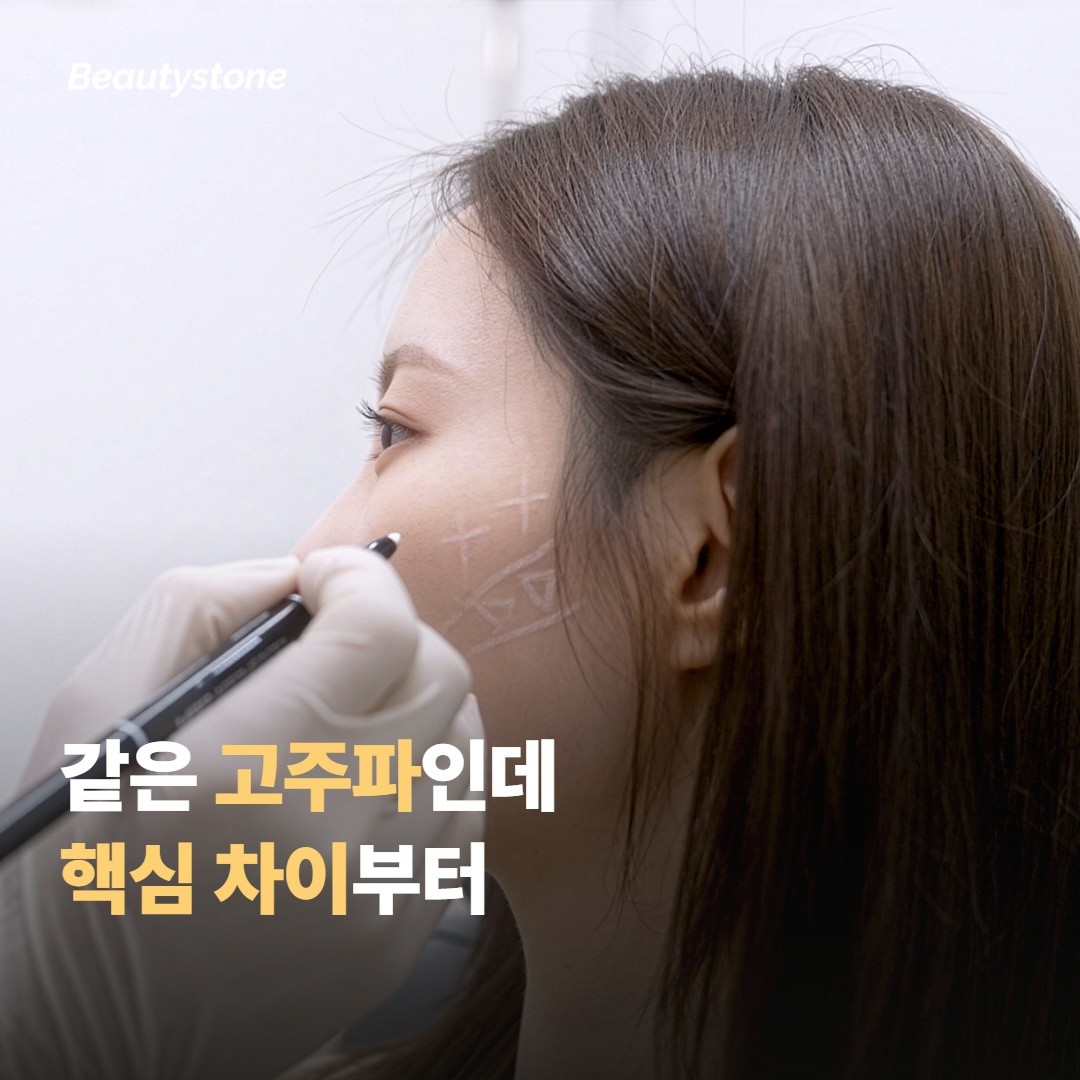
The biggest difference is how the heat is delivered and how deep it goes. Oligio uses monopolar RF*, sending strong heat through a single electrode into the full thickness of the dermis all at once, so it leans toward deep firmness and collagen remodeling. InMode warms a shallow, wide area between two electrodes, leaning toward tidying up fat and contour under the chin. When the method differs, the pain and the number of sessions follow.
Monopolar RF*: a method that runs radiofrequency through a single electrode to deliver deep, intense heat across the entire dermis. It's used to stimulate collagen in the deeper layers all at once.
Aspect | InMode | Oligio |
|---|---|---|
Method | Bipolar RF (between two electrodes) | Monopolar RF (heats the whole dermis) |
Main depth | Shallow and wide | Deep through the whole dermis |
Main strength | Tidying fat and contour under the chin | Deep firmness and collagen remodeling |
Pain felt | Mostly a warm sensation | Strong heat all at once |
Sessions | A multi-session course | Usually one strong session |
Numbing | Light or skipped | Numbing cream recommended |
As the table shows, the two share the same broad frame of "RF," but they split on whether you go shallow and wide over several sessions or deep and strong in one go. So while the direction of the effect (collagen renewal) overlaps, it's easiest to think of pain and number of sessions as the points where they diverge.
Pain, sessions, results — where do they actually differ?
Pain is usually felt more strongly the more heat is delivered in one shot. Oligio sends intense heat into the full dermis all at once, so it tends to feel hotter in the moment and numbing cream is recommended. InMode warms a shallow, wide area, so many people find it relatively gentle. That said, pain varies a lot from person to person, so rather than assuming, it's best to set the intensity with your provider before the treatment.
Sessions are where the two really diverge. InMode is typically split into a multi-session course to refine the contour gradually, while Oligio tends to be one strong session followed by time for collagen to build back up. Which flow feels easier — based on your schedule and your room for recovery — will shape your choice.
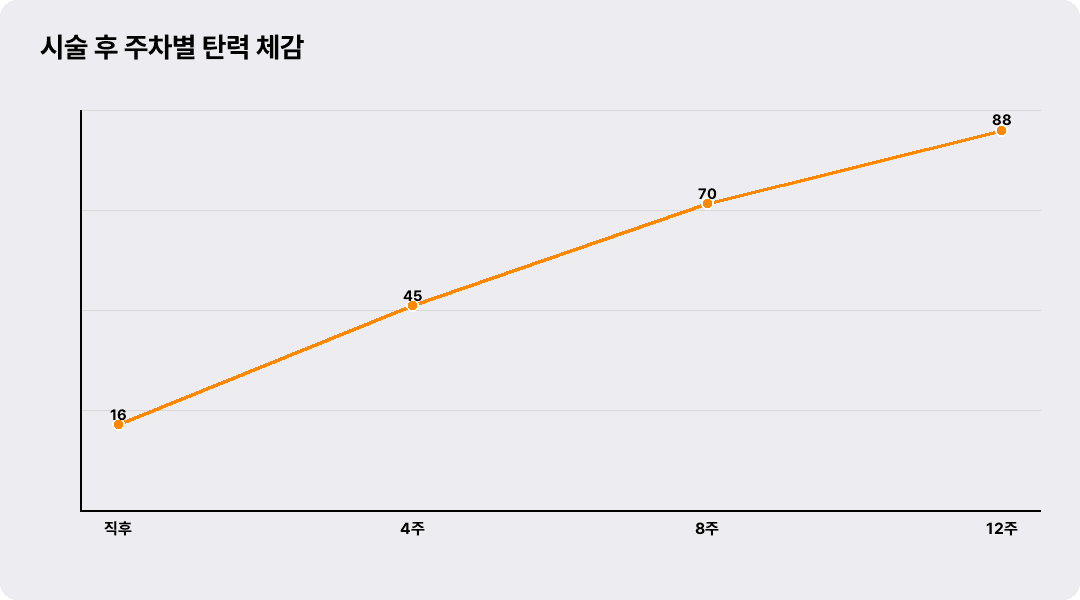
As for results, both show up not right after the treatment but over the weeks to months as new collagen fills in. In a study evaluating monopolar RF for lifting the face, neck, and jawline, 77% of 35 participants reported improvement and 64% reported satisfaction. If deep firmness is your concern, Oligio's stronger stimulation may suit you; if fat and contour under the chin are the issue, InMode's wider stimulation may be the better fit.

Why Hapjeong Beautystone
Rather than leading with "which device is pricier and better," Hapjeong Beautystone first looks at whether your real concern is fat and contour under the chin or deep firmness, then decides on the method from there. Even within the same RF, going shallow and wide over several sessions versus deep and strong in one go changes the pain and the session count, so we decide together based on your skin condition and your sensitivity to pain. As a small clinic within walking distance of Hapjeong Station, we can watch each person's recovery pace and plan the next step together.
Worth checking before you go
Even within the same RF, the right choice splits depending on your own situation, so sorting out a few things beforehand will put your mind at ease.
Is your main concern fat/contour or firmness? — For fat and contour under the chin, look at InMode; for deep firmness, look at Oligio.
Pain sensitivity — If you're quite sensitive, line up InMode's warm-sensation approach and your numbing level in advance.
Room for multiple sessions — InMode is a multi-session course while Oligio is usually one session, so match it to your schedule.
When to judge the results — Collagen renewal unfolds over months, so give it time before judging the effect.
Combining with other treatments — Talk to your provider about the order with things like filler or Botox.
This article rounds up general information, so it's safest to decide whether a treatment suits you and which method to choose together with a provider who has examined you in person.
Frequently asked questions
Q. Which is better for tightening the jawline, InMode or Oligio?
A. If fat under the chin is also a concern, InMode — which warms a wide area between two electrodes to refine the contour — may suit you; if your concern is deep firmness itself rather than fat, Oligio — which heats the whole dermis in one go — may be the better fit. It's best to look at where your concern really sits and decide together with your provider.
Q. I'm scared of pain — which one hurts less?
A. Many people find InMode, which gives a shallow, wide warm sensation, relatively gentle, while Oligio, which sends strong heat into the whole dermis at once, tends to feel hotter in the moment, so numbing cream is recommended. That said, pain varies so much from person to person that it's hard to generalize. Setting the intensity with your provider before the treatment makes it much more comfortable.
Q. How many sessions do I need?
A. InMode is usually split into a multi-session course to refine the contour gradually, while Oligio tends to be one strong session followed by time for collagen to build up. Decide together with your provider which flow feels easier, based on your schedule and your room for recovery.
Q. When will I start to feel the results?
A. With both treatments you may feel a slight tightness right after, but the real change comes on slowly over the weeks to months as collagen fills in. It typically starts to show around week 4 and settles in around week 12, so it's best to give the results time.






skin
Fraxel CO2: Why Prices Vary & What to Check

skin
How to Choose an Acne Dermatologist: 5 Signs

Contouring & Volume
Nasolabial Folds: When Lifting Isn't Enough

skin
Sculptra Cost: Why Sessions and Vials Matter

Lifting
After Shurink Universe: Wash, Work Out & Drink

skin
Sofwave Before a Wedding: Timing Guide