

No sagging yet? See if Oligio X preventive lifting is worth it, when to start, and recovery.
Published -
Updated -

Author
Wi Young-jin · Chief director
Seoul National University College of Medicine · Seoul National University Hospital Specialist
→
In your early 30s, your skin still looks firm in the mirror, but the moment someone says "start now and you'll sag less later," it's hard not to feel a little rushed. Friends are starting to book lifting treatments one by one, and you're left wondering what, if anything, you should actually be doing.
Two questions usually come up here: "Is there any point in lifting before I've actually started sagging?" and "Could getting a treatment like Oligio X early count as prevention?" The short answer: firming treatments aren't only for lifting skin that's already loose, they're also used to slow the rate at which collagen declines. That said, there's no need to rush into them too early, so let's walk through what to expect and when it makes sense to start.
This article summarizes treatment information from Hapjeong Beautystone.
What you'll learn
Whether preventive lifting is worthwhile even without sagging
How Oligio X works to care for your skin ahead of time
The right timing and frequency for a preventive approach
When recovery wraps up and results start to show
Early 30s, no sagging yet: do you really need lifting?
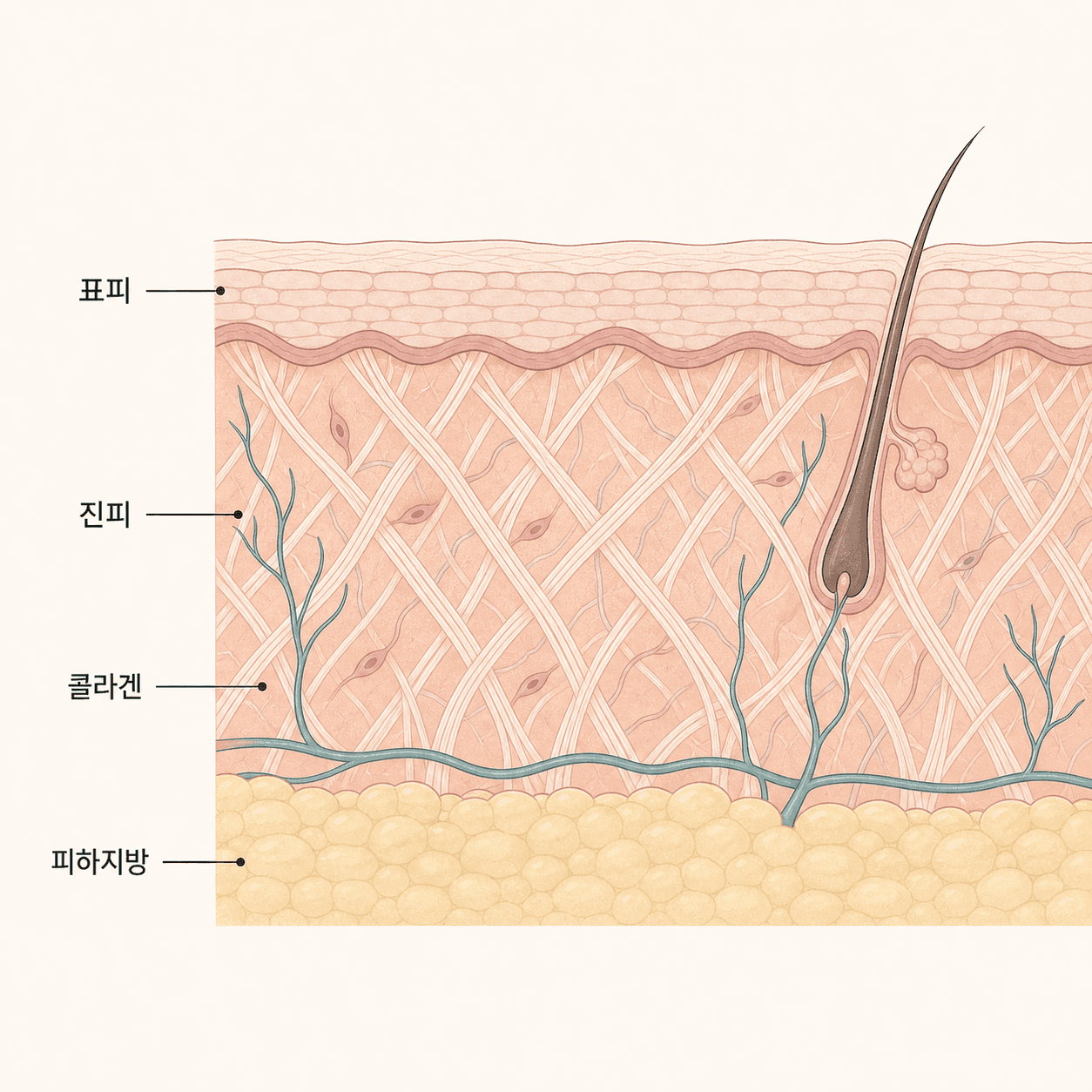
Collagen*, the protein that keeps skin firm, typically starts to decline gradually once you pass your mid-20s. In your early 30s there's no visible sagging yet, but deep in the dermis, collagen production has already begun to slow. So care at this stage is less about "lifting skin that's already loose" and more about "slowing the rate of loss."
Collagen*: the protein in the dermis that supports firmness and volume. It gradually declines after your mid-20s, and skin loses elasticity along with it.
One way to rebuild collagen is radiofrequency* treatment. As this review explains, radiofrequency contracts and remodels collagen in the dermis to tighten skin without surface damage — the key is stimulating collagen in the dermis. Adding that kind of stimulus before sagging truly sets in can reduce how much you'd later have to recover. That's the thinking behind a preventive approach.
Radiofrequency*: a method that delivers heat energy deep into the skin. It stimulates collagen in the dermis to boost firmness without damaging the surface.

How does Oligio X care for your skin ahead of time?
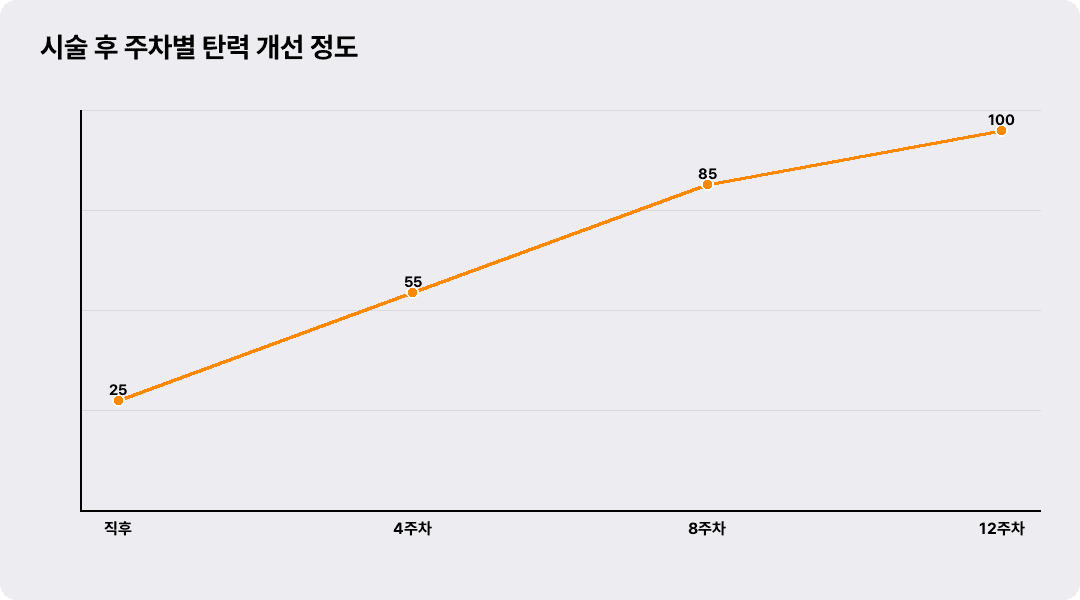
Oligio X is a monopolar radiofrequency treatment that delivers heat energy into the dermis. As that heat stimulates collagen, the existing fibers contract for an immediate tightening effect, and over the following weeks new collagen forms and firmness gradually builds. Because it doesn't damage the surface, recovery tends to be relatively quick, so it's easy to fit in without disrupting your daily routine.
In an animal study showing that monopolar radiofrequency regenerates collagen, collagen content rose from an average of 9.0% to 25.9% three months after treatment. From a preventive standpoint, the idea is that collagen built this way supports your skin's baseline firmness and helps make up, to some degree, for what's lost with age. It's worth knowing in advance, though, that the goal here is different from treating skin where sagging has already progressed significantly.
When and how often should you go for prevention?
With preventive lifting, it's not really a case of "the earlier the better." It makes more sense to set your timing based on your own skin and lifestyle. Here's how the general picture looks.
Category | Preventive approach | Corrective approach |
|---|---|---|
When to start | When you first notice firmness fading | When sagging is visible |
Goal | Slow collagen loss | Lift loose skin |
Frequency | Spaced out for maintenance | Sessions grouped for intensive care |
Intensity | Dialed down to stay gentle | Matched to the degree of sagging |
As the table shows, most people in their early 30s fall closer to the left column. Rather than one strong session, it's more stable to space things out and maintain, watching how your skin responds. Basic care like sun protection and moisturizing should go hand in hand, too, since that's what helps the results last.
Why Hapjeong Beautystone?
For someone with no sagging yet, Hapjeong Beautystone won't push you toward "you have to get this now." Instead, we look at your skin first and talk through whether this is even a meaningful time for prevention. Even with the same Oligio X, preventive care in your early 30s and corrective treatment for someone with progressed sagging call for different intensity and timing, so rather than padding out the number of sessions, we guide you to only what you actually need. As a small clinic within walking distance of Hapjeong Station, we can take the time to look at each person individually and plan the next step together.

Recovery and when results show up
Oligio X causes little surface damage, so getting back to daily life tends to be quick. From the tightening you feel right after the procedure to firmness that improves over several months, here's how the results tend to build.
Day of treatment — mild redness and warmth may last a few hours
From the next day — makeup and everyday activities are usually fine
Around one week — holding off on saunas and intense exercise for a bit makes recovery smoother
Preventive treatment is care you carry over the long run, letting collagen build up rather than expecting one big change at once, so it's best not to judge the results too soon. That said, not every treatment gives everyone the same outcome, and there's no need to rush into one too early. Whether preventive lifting is right for you now, and how often you should go, is safest decided in consultation with a medical professional who has examined you in person.

Frequently asked questions
Q. If I have no sagging at all, isn't getting it a waste?
A. It's less a waste than a matter of a different goal. Treatment at a stage with no sagging is closer to slowing collagen loss than to lifting. You don't have to start right now, though, so it's best to look at your skin first and use a consultation to check whether this is a meaningful time for prevention.
Q. How long do the results last after one session?
A. The collagen built by treatment gradually declines again over time, so one session won't last forever. The usual approach is to maintain it with sessions spaced apart. How long results hold depends on your skin and lifestyle, and basic care like sun protection and moisturizing helps them last longer.
Q. Does the treatment hurt a lot?
A. With radiofrequency you may feel warm heat and, depending on the area, a slight prickling. Most people report it as tolerable, and we adjust the output to how your skin responds. If you're sensitive to pain, let us know during the consultation and we can dial down the intensity as we go.
Q. How often should I go?
A. For preventive care, it's more natural to maintain it with sessions spaced apart than to cram them together. The right frequency varies with your skin, age, and lifestyle, so it's good to work out the interval that suits you during the consultation. Treatments that are too frequent can be a strain, so it's safest to get only as much as you need.


skin
Fraxel CO2: Why Prices Vary & What to Check

skin
How to Choose an Acne Dermatologist: 5 Signs

Contouring & Volume
Nasolabial Folds: When Lifting Isn't Enough

skin
Sculptra Cost: Why Sessions and Vials Matter

Lifting
After Shurink Universe: Wash, Work Out & Drink

skin
Sofwave Before a Wedding: Timing Guide