

Shallow horizontal lines respond. Deep folds and vertical bands are a different problem.
Published -
Updated -

Author
Wi Young-jin · Chief director
Seoul National University College of Medicine · Seoul National University Hospital Specialist
→
You take care of your face and the neck gets skipped. Then a photograph, or the moment you look down, puts the horizontal lines across the neck and the blurred boundary between jaw and neck in front of you, and it reads older than the face above it.
Neck skin is thin and folds constantly, so lines can settle there before they do on the face. Add the habit of looking down at a phone all day and neck lines now come up at a younger age than they used to. Knowing how radiofrequency lifting approaches this makes it easier to work out a direction.
This article covers how radiofrequency lifting works on neck lines and a blurred neck contour, and which types it actually suits. Individual results and recovery vary, so read it as background for a conversation.
This is general information from Beautystone, a skin clinic in Hapjeong, Seoul.
What you will learn
Why neck lines form and the jaw-to-neck line blurs
How radiofrequency lifting works on neck skin
How the approach changes with the type of neck line
What to know before and after, and which recovery signals matter
Why neck lines and a blurred contour show up
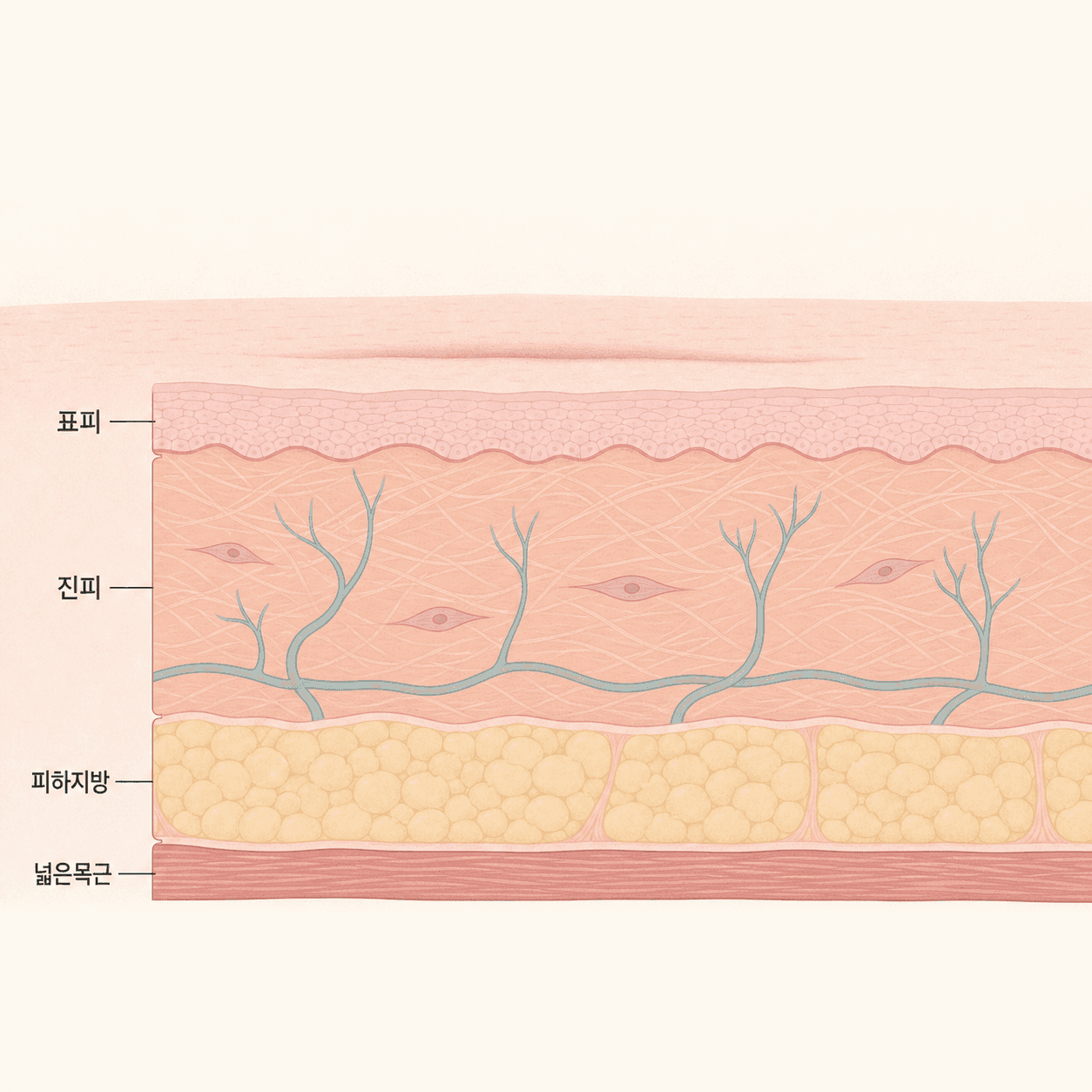
Neck skin is thinner than facial skin and carries less fat underneath, so changes in firmness surface there quickly. As collagen in the dermis* falls with age and the habit of bowing your head repeats, horizontal lines settle in easily. Add reduced support beneath the chin and the boundary between jaw and neck starts to read blurred.
Dermis*: the skin layer beneath the epidermis, filled with a mesh of collagen and elastin fibers that give skin its thickness and elasticity.
Clinical literature describing how the heat produced as radiofrequency passes through tissue contracts and denatures collagen and supports new collagen and elastin synthesis, acting on wrinkles and laxity of the face and neck sets out how an area as thin and mobile as the neck can still be approached this way. Which is why surface moisturizing alone has limits on neck lines, and looking at firmness at the level of the dermis is what tends to help.

How radiofrequency lifting works on neck skin
Radiofrequency lifting does not burn the surface. It delivers the heat generated as current passes through tissue down to the depth of the dermis. That heat contracts collagen, and the stimulus prompts fibroblasts* to make new collagen, so firmness comes up gradually.
Fibroblasts*: the cells in the dermis that produce collagen and elastin. Given the right stimulus, they increase new collagen production.
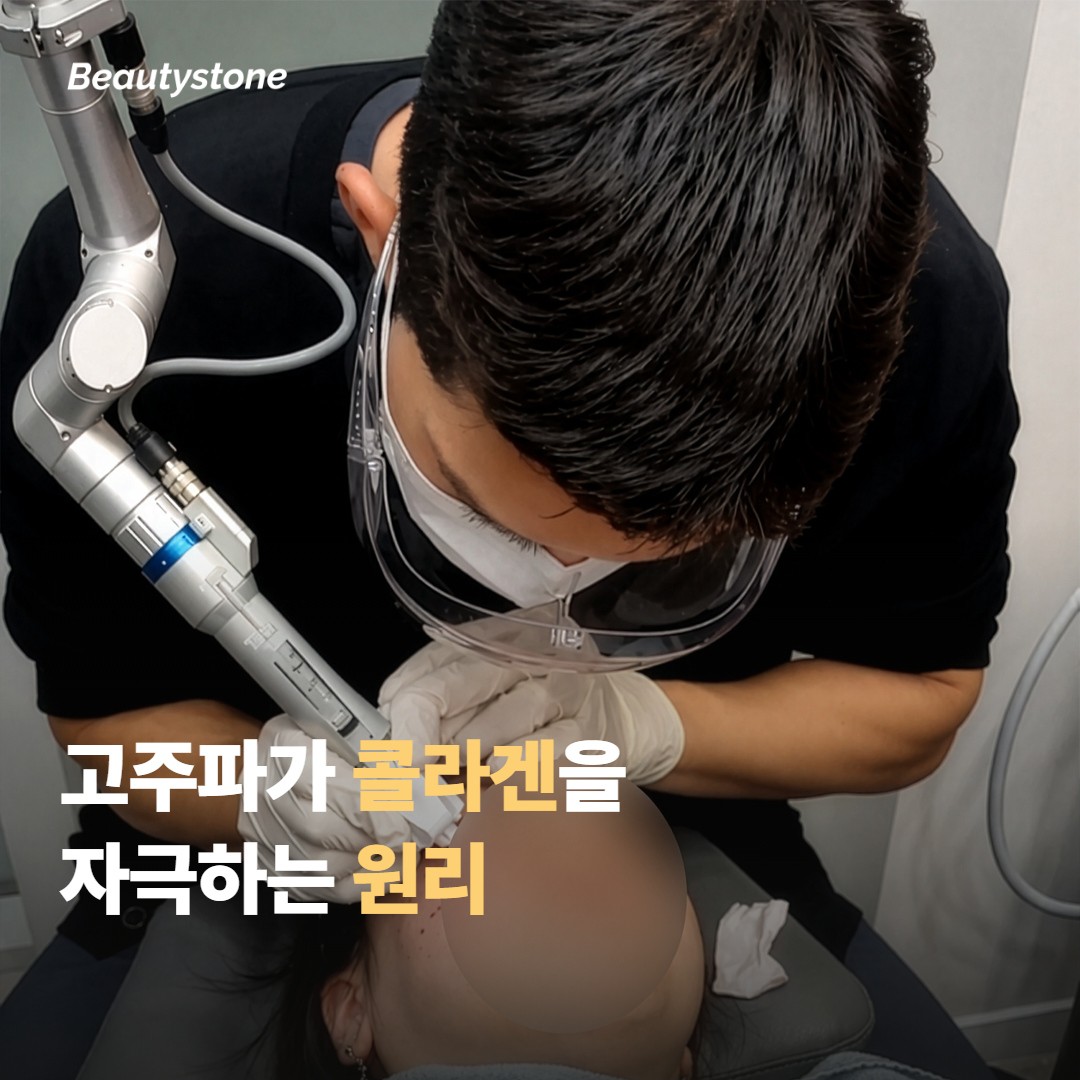
Research showing that monopolar radiofrequency delivers uniform heat to a consistent depth in the dermis to contract collagen, after which type I and type III collagen increase describes the same sequence that plays out on the neck: the heat lands, and then the collagen fills in over time. In the US, the radiofrequency devices used for this kind of treatment are FDA-cleared, since cleared is the correct word for a device while approved applies to drugs. Because of that lag, the change appears gradually over weeks to months rather than straight after the session, and individual results vary.
Which neck lines respond, and which do not
Neck lines are not one problem, and the approach splits by cause. Broken out by type, it looks like this.
Type of neck line | Radiofrequency lifting | Worth considering alongside |
|---|---|---|
Shallow horizontal lines, early stage | A good fit | Correcting posture habits alongside |
A jaw-to-neck line blurred by loss of firmness | A fit | Under-chin care alongside if needed |
Vertical bands standing out on the neck | Partial help only | Discuss approaches to the expression muscles |
Deep, long-standing folds | A supporting role | Discuss several approaches in stages |
Shallow horizontal lines at an early stage and a contour blurred by loss of firmness are where radiofrequency lifting generally suits. Vertical bands and deep-set folds have a different cause, so it is worth having the type confirmed at an examination before choosing a direction. Costs vary by clinic and by the area treated, so ask for the specifics rather than working from a headline number.

Why where you have it done still matters
At Beautystone, a small clinic a short walk from Hapjeong Station in Seoul, the first step is not recommending radiofrequency because the concern is neck lines, but sorting out whether the lines are horizontal or vertical bands, and whether the blurred contour is the main issue. Depending on the type, radiofrequency may suit well, or something else may need to come first. Being small is what makes it practical to look at one person neck and agree on the order. Wherever you go, ask which type your clinician thinks yours is, and what they would expect a session to change.

What to expect, and the recovery signals
Radiofrequency lifting on the neck is done without an incision, so getting back to normal is quick. The collagen takes time to fill in, though, so the change appears gradually.
Worth knowing beforehand.
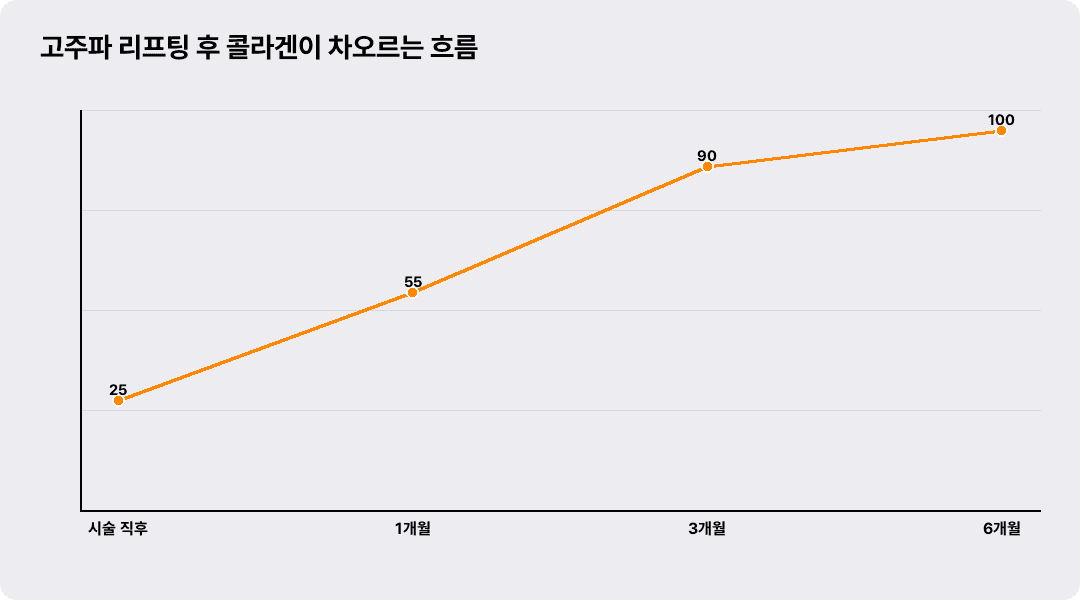
When it shows — the change across one to three months matters more than the tightness right afterward
Common reactions — mild redness or a warm feeling usually settles within a day
Aftercare — be thorough with sun protection and moisturizer on the neck for the first few days
When to check back — if swelling or pain worsens rather than easing after a few days, contact the clinician who treated you, and seek urgent care for severe or rapidly worsening symptoms
How much changes and how long it holds differ from person to person with skin condition and the depth of the lines. Rather than expecting a dramatic shift from a single session, it is better to look at the firmness of your own neck and agree the timing and number of sessions with a clinician. If you are travelling for treatment, plan for follow-up where you live as well, since a clinic in Seoul cannot assess something that develops after you fly home. This article is general information, so whether the treatment suits you is for the clinician who examined you to decide with you.

Frequently asked questions
Q. When does radiofrequency lifting on the neck start to show?
A. You may feel some tightness right after the session, but the real change in firmness arrives as new collagen fills in. It usually comes up gradually over one to three months and tends to carry through to around the six-month mark. Individual results vary, so it is better to give it room than to judge it early.
Q. My neck lines are fairly deep. Is radiofrequency enough on its own?
A. It helps with shallow horizontal lines and with a jaw-to-neck line blurred by loss of firmness. Deep, long-standing folds and vertical bands have a different cause, so radiofrequency alone has limits there. Since the approach splits by type, it is better to have the type confirmed and then decide the direction.
Q. Can I go back to normal life the same day?
A. There is no incision, so most people return to their usual routine from the day of treatment. Mild redness or a warm feeling can appear briefly but generally settles within a day. Sauna and hard exercise are worth skipping on the day itself.
Q. Is there anything I can do day to day to prevent neck lines?
A. Cutting down on long stretches with your head bowed helps, as does carrying sunscreen down onto the neck rather than stopping at the jaw. Extending your moisturizer to the neck is worth doing too. Habits and treatments play different roles, though, so a line that has already set is worth discussing at an examination.
Content





skin
Why Does Fractional CO2 Take Longer to Heal?

Contouring & Volume
How Many cc Does Forehead Filler Need?

skin
Why Is My Skin Oily but Tight in the Fall?

Hair Removal
Underarm Laser Hair Removal Cost: Do the Math

Tattoo removal
Laser Before a Cover-Up: How Many Sessions?

skin
큐어젯 다운타임, 다음 날 출근과 화장은 언제부터 될까요?