

How pain varies by area and ink color, and how to prep anesthesia for PicoWay removal.
Published -
Updated -

Author
Wi Young-jin · Chief director
Seoul National University College of Medicine · Seoul National University Hospital Specialist
→
When you make up your mind to get a tattoo removed and start looking into consultations, the very first question that comes to mind for many is, "Does it hurt a lot?" It's completely natural to worry that if you still remember the pain of getting the tattoo, removing it might hurt even more.
To give you a quick answer, removing a tattoo with a picosecond laser like PicoWay* does involve a warm, stinging sensation, but how you prepare for anesthesia can make a big difference in how it actually feels. Even for the same treatment, areas close to the bone like the wrist will feel different from fleshier areas like the forearm, and black ink reacts differently than colored ink. Knowing in advance how much stimulation to expect by area and color, and understanding how to prepare for anesthesia, will help you feel much more at ease on the day of your treatment.
PicoWay*: This is a laser device that shatters tattoo ink using ultra-short pulses measured in picoseconds (one-trillionth of a second). It is one of the FDA-cleared picosecond lasers for tattoo and pigmented lesion removal.
This content is a helpful guide compiled from treatment information at Hapjeong Beautystone.
In this article, you will learn:
How much PicoWay tattoo removal actually hurts
How the sensation varies by body area and ink color
How to prepare to minimize discomfort, such as using numbing cream and cooling systems
How to determine your next session based on treatment intervals and recovery cycles
PicoWay Tattoo Removal*: How much does it actually sting?
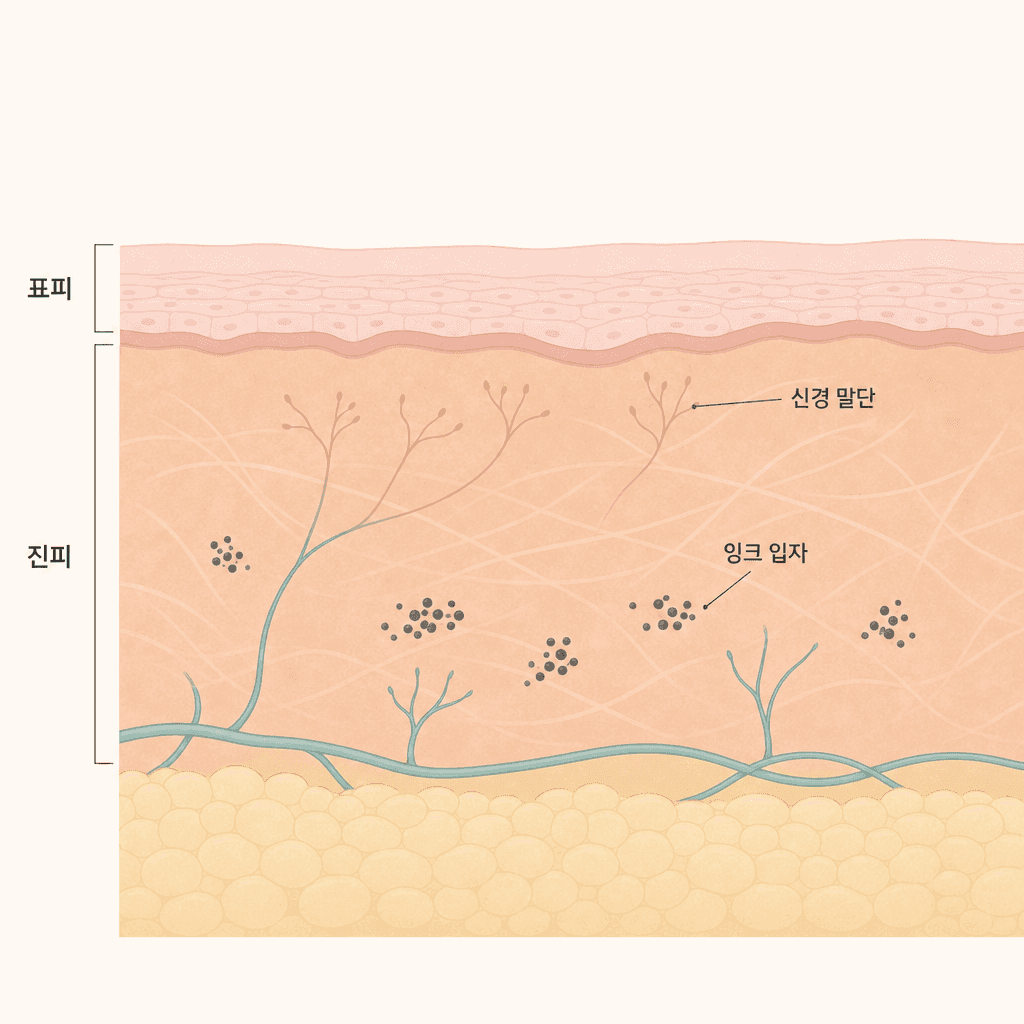
Tattoo removal lasers work by delivering short, powerful bursts of energy to shatter ink particles into tiny pieces. During this process, you may feel a warm, stinging sensation on the skin's surface, similar to being snapped with a rubber band or getting splashed with a tiny drop of hot oil. Because this is quite different from the scraping sensation of a needle when getting a tattoo, many patients describe it as a "snapping" or "popping" feeling rather than a "piercing" pain.
Looking at clinical reports, it is true that this treatment is not completely painless. Studies show that all patients who underwent black tattoo removal with a picosecond laser experienced some pain during the procedure, but for most, it was mild to moderate, and the discomfort was successfully minimized by applying numbing cream beforehand and cool compresses afterward. In other words, rather than being "unbearable," it is highly manageable with the right preparation. Additionally, as picosecond lasers operate primarily through a photoacoustic effect to gently shatter only the target pigment rather than burning it with heat, this specialized mechanism reduces damage to the surrounding skin, making the recovery process relatively light and comfortable.
How does the sensation vary by body area and ink color?
Even with the same PicoWay treatment, how it feels can vary depending on where the tattoo is located and what color ink was used. In areas where the bone is right beneath the skin, the vibration can transfer to the bone, making it feel a bit more sensitive, whereas fleshier areas tend to be relatively dull. Color also plays a role: black ink absorbs laser energy exceptionally well and responds quickly, though the sensation can be quite distinct, while colored inks like red, yellow, and green absorb energy more slowly, often requiring more sessions.
Area & Color | Felt Sensation | Common Anesthesia | Notes |
|---|---|---|---|
Forearm, Thigh (Fleshier areas) | Moderate | Numbing cream | Larger areas may be treated in sections |
Wrist, Ankle, Malleolus | More noticeable | Numbing cream + Cooling | Close to the bone, so vibrations may feel sensitive |
Fingers, Collarbone | More noticeable | Numbing cream + Cooling | Skin is thin, making it more sensitive |
Black Ink | Noticeable but responds quickly | Numbing cream | Requires relatively fewer sessions |
Colored Ink (Red, Green) | Depends on the body area | Numbing cream | Tends to require more sessions |
It is also helpful to understand the expected number of sessions beforehand. A systematic review analyzing multiple picosecond laser tattoo removal studies showed that 69% to 100% of cases achieved more than 70% clearing of the ink within 1 to 10 sessions. Because this is a process of shattering pigment step-by-step over several visits rather than a one-time treatment, preparing properly for anesthesia for each session will keep you comfortable. Darker or larger tattoos may require more sessions, so it is realistic to consider the overall comfort level in relation to the total number of visits.
Why choose Hapjeong Beautystone?
At Hapjeong Beautystone, we believe in thoroughly explaining the expected pain level and recovery process before starting any treatment. Because every tattoo feels different depending on its location, color, and your skin thickness, we guide you beforehand on how much stimulation to expect and how to prepare for anesthesia. As a warm, welcoming clinic located just a short walk from Hapjeong Station, we take the time to look at your unique skin and tattoo condition to customize the best numbing methods and session intervals for you.
What is the step-by-step process for numbing and treatment?
PicoWay tattoo removal follows a structured flow, from private numbing preparation to professional post-treatment care. If you are worried about pain, knowing these steps in advance can help ease your mind on the day of your visit.
Consultation & Assessment — We look at the location, color, and depth of your tattoo to estimate the number of sessions and expected sensitivity. If needed, we can perform a small test spot first.
Numbing Cream Application — We apply a topical numbing* cream about 30 minutes before the treatment and let it absorb. This step is especially important for more sensitive areas.
Cooling & Treatment — We perform the laser treatment while soothing the skin's surface with cool air or a specialized cooling device. While you may feel a brief, repeating stinging sensation, the actual treatment time for each area is quite short.
Soothing & Aftercare Guide — Immediately after the treatment, we apply cold compresses to soothe the warm sensation and provide you with detailed instructions on ointment application, sun protection, and blister care.
Topical Numbing*: A local anesthetic cream applied directly to the surface of the skin to temporarily dull sensation. It contains active ingredients like lidocaine and is typically applied 20 to 30 minutes before the procedure.
It is essential to allow the numbing cream enough time to sit before the procedure to ensure it takes full effect. Rushing the process can mean less absorption, which may lead to more sensitivity during the treatment.
As the ink fades with each passing session, the sensation you feel will also gradually diminish, following a general trend like this:
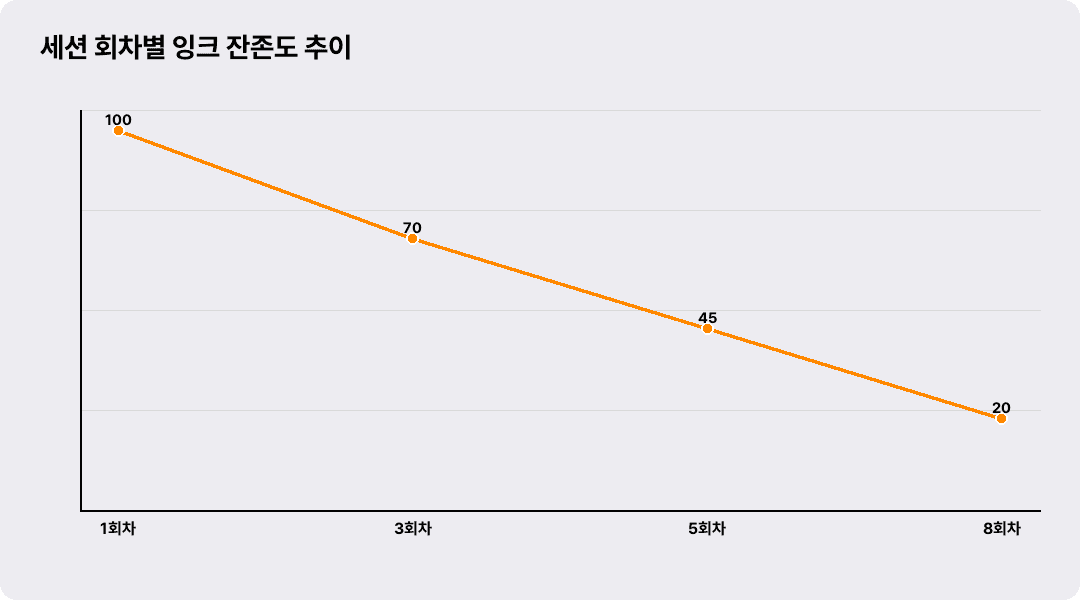
We typically recommend spacing your sessions 6 to 8 weeks apart, allowing the skin to recover fully before the next treatment. Rushing the next session on skin that has not fully healed can add unnecessary irritation and increase the risk of hyperpigmentation, so it is safest to schedule your visits based on your skin's personal recovery speed.
Common post-treatment reactions & essential care
It is very common to experience mild reactions for a few days after PicoWay tattoo removal. Most of these will naturally subside on their own.
Redness, warmth, and mild swelling in the treated area — Typically lasts from a few hours up to a day or two.
Whitening of the skin surface (frosting) — This appears temporarily immediately after the laser and quickly fades.
Tiny blisters or scabs — These can occur in highly sensitive areas. Please do not pick at them; let them shed naturally.
Temporary pigment changes — The area may lighten or darken temporarily before restoring to its normal skin tone.
Sun protection is incredibly important during your recovery. If the treated area is exposed to UV rays, the risk of hyperpigmentation increases. Be sure to apply sunscreen thoroughly when going out, and cover the area with clothing or a bandage if possible. For areas with blisters or scabs, avoid rubbing and focus on applying your prescribed ointment. Please contact your medical team if you notice any of the following warning signs:
Pain or swelling that progressively worsens
Pus, severe redness, or localized heat — Signs that may suggest an infection.
Blisters or oozing that do not subside even after 2 weeks
Tattoo removal is a journey of gradually fading pigment over several sessions, rather than a one-time fix. By carefully managing discomfort and recovery with each session and adjusting the intervals to suit your skin, you can achieve beautiful, safe results with peace of mind. As this guide provides general information, it is always safest to consult with your caring medical team to determine your individual suitability, pain management, and personalized recovery plan.

Frequently Asked Questions
Q. Will numbing cream alone be enough to manage the pain?
A. It depends on the area. For fleshier areas like the arms or thighs, numbing cream alone is often more than enough to make it comfortable. For areas closer to the bone, such as the wrist or ankle, combining numbing cream with a cooling device makes the experience much easier. If you are particularly sensitive to pain, let us know during your consultation so we can organize extra comfort measures for you.
Q. Which hurts more, black tattoos or colored tattoos?
A. The sensation itself is influenced more by the body area than the color. However, because black ink absorbs the laser beautifully, it generally requires fewer sessions. Colored inks like red and green absorb energy more slowly, often requiring more visits. Because more visits mean undergoing the treatment more times, it is helpful to look at the overall journey for colored tattoos in terms of the total session count.
Q. Can I return to my daily routine the day after the treatment?
A. Yes, most patients can return to their daily activities right away. However, since the treated area may remain red and warm for a day or two, please avoid saunas, intense exercise, and hot water for a few days. Remember to apply sun protection diligently, and if any blisters or scabs form, please do not rub them and let them heal naturally.
Q. How long should I wait before my next session?
A. We generally recommend an interval of 6 to 8 weeks. Your skin needs to fully recover before the next treatment to minimize the risk of pigmentation. Rushing into the next session on unhealed skin can cause irritation, so it is safest to plan the timing with your medical provider after checking how well your skin is healing.
Recommended Reads
Full Back & Sleeve Tattoo Removal*: Can It Really Be Done in 1 Year?
They Say a Small Tattoo Can Be Removed in One Session—Is That True?
PicoWay Tattoo Removal*: Why the Number of Laser Sessions Varies by Ink Color
How much a session stings, and which numbing approach suits you, is judged by the doctor examining the area; it is not something a scoring form answers. Separately, Beautystone uses the Kirby–Desai assessment in consultation to estimate sessions from skin type, location, ink amount, layering, scarring and colour. Knowing that range helps you plan how many appointments fit into a stay, though it remains an estimate.


Hair Removal
레이저 제모 1회에도 남는 몫이 있어요 — 밀도를 모자이크로 보는 법

Tattoo removal
Why Extremity Tattoos Are Slower to Remove

Tattoo removal
Tattoo Removal Cost: Why Quotes Vary by Area

Tattoo removal
Unused Tattoo Removal Sessions: What Happens?

Lifting
Forehead Thread Lifting: How Far Can It Go?

skin
Skin Booster Prices: What to Check in a Quote