

If Shurink seems underwhelming, here's why results show up late, plus shots, sagging, and what to check before a redo.
Published -
Updated -

Author
Wi Young-jin · Chief director
Seoul National University College of Medicine · Seoul National University Hospital Specialist
→
When a few days pass after Shurink and the face in the mirror looks much the same as before, it's easy to think, "Did I just spend money for nothing?" You were told in the treatment room that your skin would firm up, but with no visible change, you start wondering if you did something wrong.
First things first: a high-intensity ultrasound treatment like Shurink isn't one that transforms you dramatically the moment you're done. It works by delivering heat to the deep layers of your skin so new collagen builds up, and that takes weeks to months to become visible. So the "I don't see much difference" feeling right after the procedure is actually very common.
That said, if enough time has passed and the change still feels weak, there are a few things worth looking into. Checking three things first — timing, number of sessions, and expectations — makes it much clearer whether "this is just how it is" or "something needs adjusting." In this article, I'll walk through those benchmarks one by one.
This article pulls together treatment information from Hapjeong Beautystone.
In this article
Why it's normal for Shurink results to show up late
A few common reasons the effect can feel weak
How to think about timing and number of sessions to get the full effect
What's worth checking before you book a repeat treatment
When Shurink feels underwhelming, start here
Shurink focuses high-intensity ultrasound* energy into the deep layers of your skin to create heat points. That heat contracts collagen and prompts new collagen to build up. The key is that it's not about "tightening right now" but "building up over the coming months," so it's natural to feel almost no change right after the procedure.
high-intensity ultrasound*: a method (HIFU) that focuses ultrasound energy on a single point to create heat in the deep layers of the skin. Without touching the surface, it stimulates collagen underneath to boost firmness.
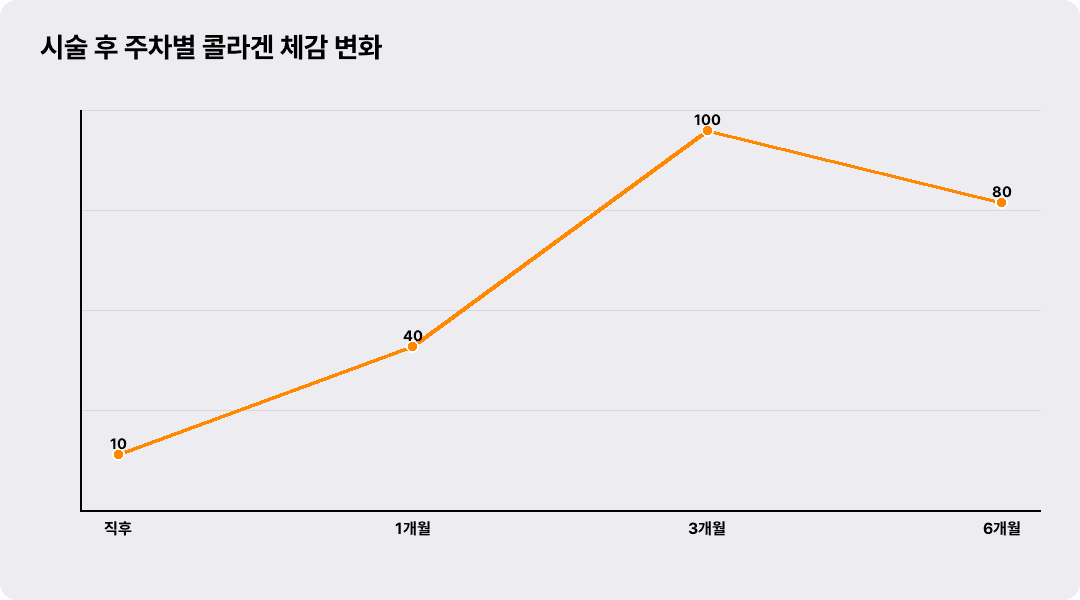
This explanation of how high-intensity ultrasound creates heat in the deep layers to denature and regenerate collagen, with new collagen taking time to form makes it even clearer why the slow onset is normal. Changes typically build over two to three months and tend to be most noticeable around the three-month mark.
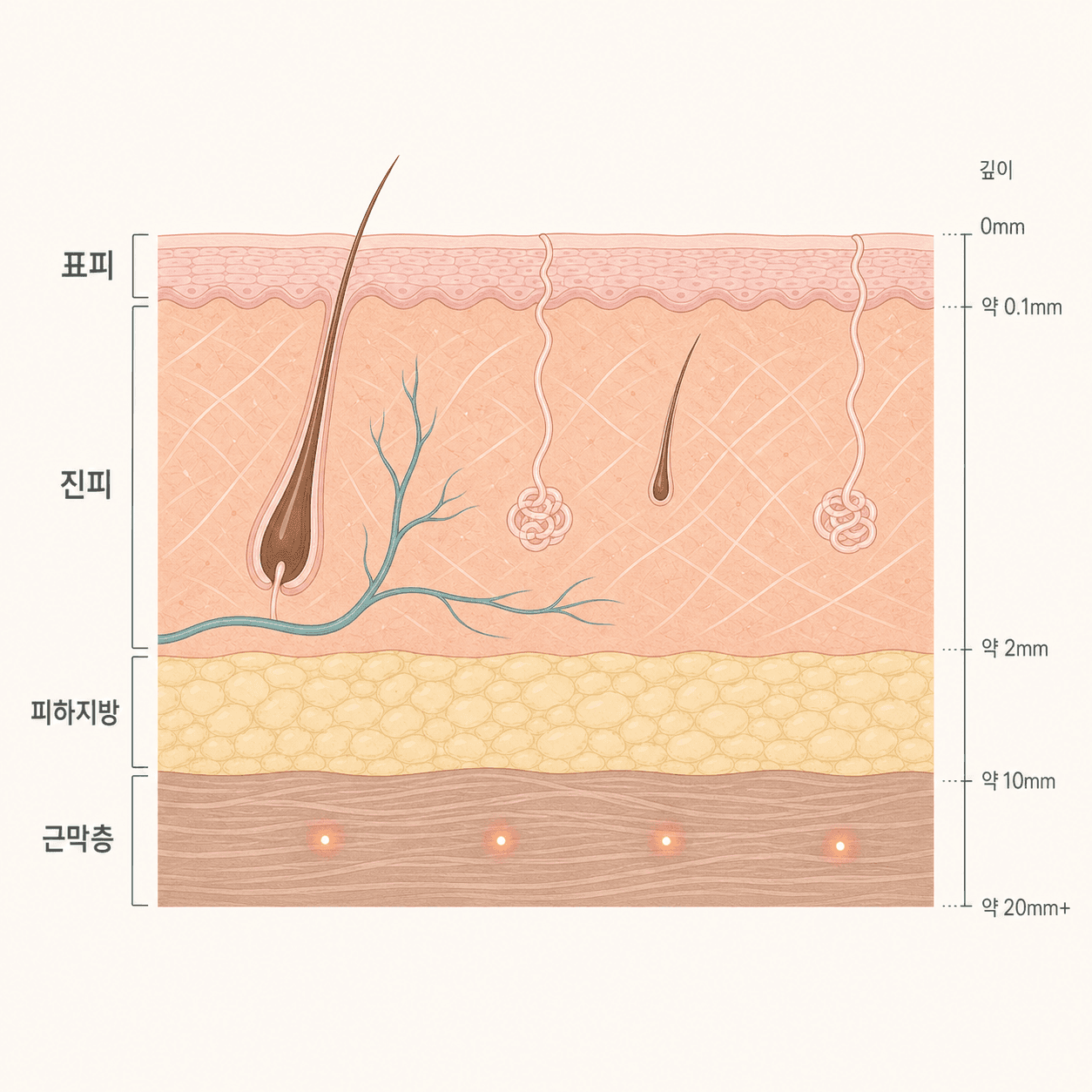
In other words, deciding "it didn't work" just a week after the procedure is far too early. You need to give collagen enough time to build up before judging the change, so you can tell whether the effect is genuinely weak or simply still emerging.

A few common reasons the effect looks weak
If you've waited long enough and the change still feels weak, here are some reasons worth checking. Most aren't a matter of "doing something wrong" but relate to how the treatment was planned or to expectations.
You judged too early — collagen hasn't filled in yet, so the change simply isn't visible at this stage
Not enough shots — if the energy is light relative to the area and degree of sagging, the effect feels weak
Sagging runs deep — skin with a lot of laxity may need more than one session
Different expectations — Shurink lifts and firms, which is a different kind of change from removing fat or reshaping contours
Individual variation — even under the same conditions, collagen response differs from person to person
The last two often overlap. Shurink's strength is in "lifting for firmness," so if you're expecting volume loss or an actual change in your contours, the same result can feel weak. Sorting out whether your concern is about firmness or about volume helps point you in the right direction.

Timing and number of sessions matter for the full effect
How much you feel from Shurink varies a lot by timing. Here's roughly how much change is common at each point.
Timing | Collagen buildup | Noticeable change |
|---|---|---|
Right after | Barely any | A slight tightening feeling |
Weeks 2–4 | Just starting | Subtly more defined |
Months 2–3 | Picks up | Most noticeable |
Month 6 | Stable | Holds or gradually eases |
The number of sessions matters too. If your sagging isn't deep, one session may be enough to satisfy you, but if you have a lot of laxity, spacing out a few sessions tends to feel more effective. Rather than going hard all at once, prioritizing timing and session count tailored to your skin gives more stable results.

Why Hapjeong Beautystone
At Hapjeong Beautystone, before recommending Shurink, we tend to first check how much sagging you have and whether the change you're hoping for is about firmness or volume. Even with the same treatment, deep sagging may need more than one session, so we guide you with timing and session planning as the priority. As a small clinic within walking distance of Hapjeong Station, we can watch how one person's skin responds and decide the next timing together.

What's worth checking before a repeat treatment
Instead of jumping straight to a repeat treatment because the effect feels weak, it's worth checking a few things first. It separates what time will resolve from what needs a change in plan.
Has it been three months? — if not, give the change a little more time
Were the shots enough for your degree of sagging? — it helps to check your treatment record
Is the change you want about firmness or volume? — if it's a volume concern, a different approach may fit better
Lifestyle check — UV exposure and smoking tend to slow collagen recovery
Talk to your provider — review together whether a repeat is needed, or whether pairing with another treatment is better
This article is general information, so whether the treatment suits you and when to repeat it are safest decided with the provider who examined you in person. The weaker the effect feels, the better it is to set your direction by reviewing your treatment record and skin condition together, rather than judging on your own.

Frequently asked questions
Q. When is the Shurink effect usually most noticeable?
A. Changes typically build over two to three months and feel most noticeable around the three-month mark. New collagen takes time to fill in, so there's barely any visible change right after the procedure. That's why judging the effect at one or two weeks is a bit early.
Q. If one session felt weak, do I need another?
A. It depends on how much sagging you have. With a lot of laxity, spacing out sessions tends to feel more effective, but if it hasn't been three months yet, the first step is to give the change a little more time. Whether to repeat is best decided with your provider after reviewing your treatment record and skin condition.
Q. Can Shurink slim the cheeks or reshape the contour?
A. Shurink's strength is lifting for firmness, which is a different kind of change from removing fat or carving the contour. If volume or contour is your main concern, a different approach may fit better, so sorting out whether your concern is about firmness or volume helps point you in the right direction.
Q. How should I care for it to make the results last?
A. Lifestyle habits that support collagen recovery help. Keep up with sun protection, and cut back on smoking and heavy drinking. Moisturizing and sleep also affect your skin's condition. How long it lasts varies from person to person, but since the effect of a single session usually fades gradually, it's good to get a check-in at the right time.
Further reading


skin
Ellanse Cost: Duration Beats Price Per Visit

Lifting
Alltite RF: Two Effects, Two Timelines

Contouring & Volume
Why Juvelook Volume Quotes Vary by Clinic

men's
Nose Pore Treatment: Aftercare Timing Guide

skin
How Many Sessions Does Eyeliner Removal Take?

Hair Removal
Laser Hair Removal While Pregnant or Nursing