

Paid for a tattoo removal package but the ink is clearing faster? Here's what happens to unused sessions, the refund reality, and what to ask before you sign.
Published -
Updated -

Author
Wi Young-jin · Chief director
Seoul National University College of Medicine · Seoul National University Hospital Specialist
→
One of the most common questions we hear at Beautystone is some version of this: "I bought a ten-session package, but my tattoo is almost gone after six. Am I just losing the money I paid for those last four?" It's a fair question, and the answer is more nuanced than a simple yes or no.
In this article, we'll cover why packages are spaced the way they are, what your real options are when a tattoo clears before the sessions run out, the refund reality you should know before signing a contract, and the four questions to ask at your consultation. Read on.
Why Sessions Are Spread Out in the First Place
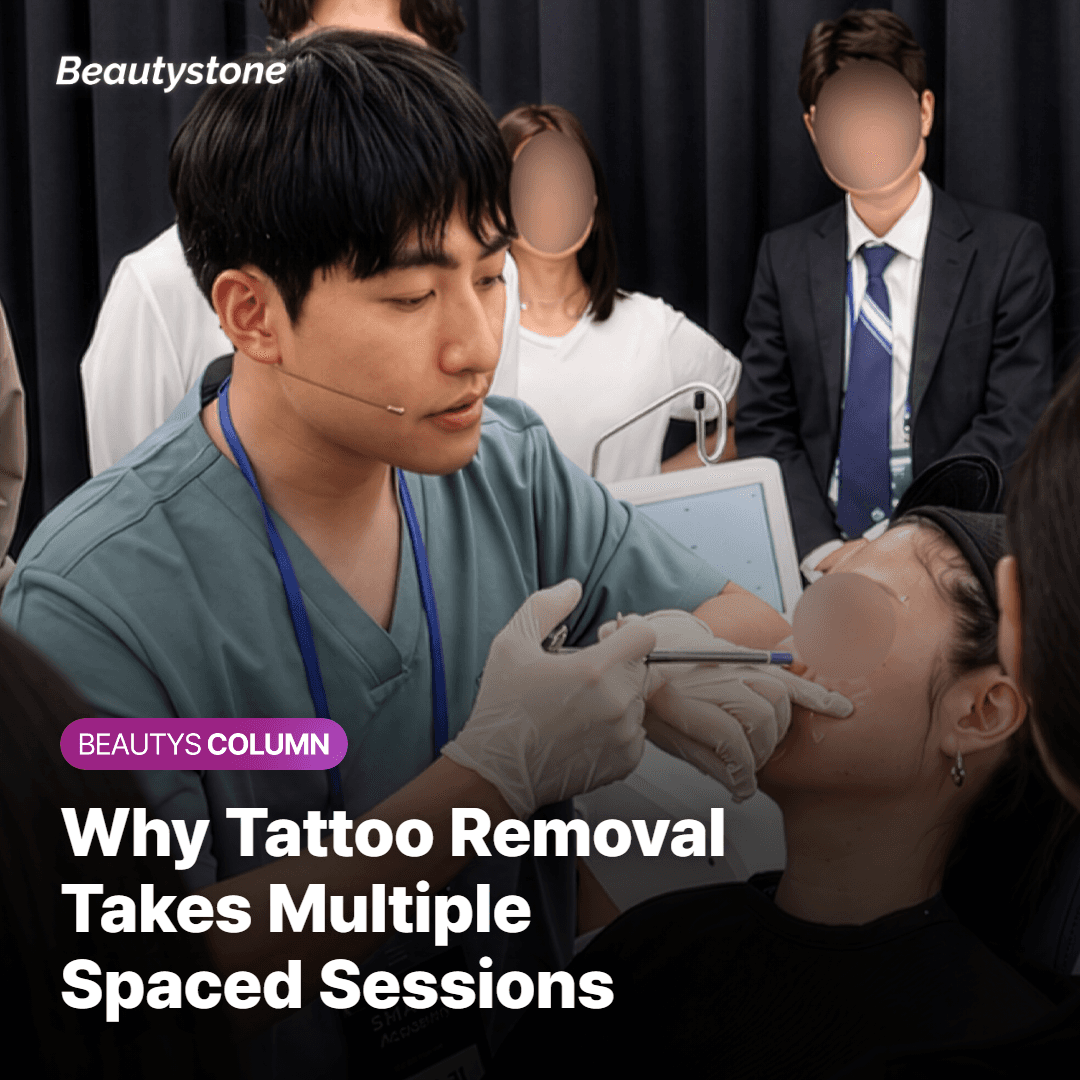
Tattoo removal doesn't work like hitting delete on a file. Each laser session — at Beautystone we use the PicoWay picosecond laser — shatters the ink particles in your skin into smaller fragments. Your immune system then has to cart those fragments away, which takes time.
Most providers schedule sessions 6 to 10 weeks apart for exactly this reason. The laser can only do so much in one pass; pushing sessions closer together doesn't speed up fading — it just increases the risk of side effects like blistering, prolonged redness, or post-inflammatory hyperpigmentation (PIH*).*
A package sold upfront isn't a gimmick. It exists because:
Fading is unpredictable. Professional tattoos with dense, layered ink almost always need more sessions than amateur work. Certain colors — especially light blues, greens, and yellows — respond more slowly regardless of laser type.
Interval integrity protects your skin. Forcing sessions back-to-back to "use them up" is not recommended and most reputable clinics won't do it.
Volume pricing reflects commitment on both sides. A package locks in a discounted per-session rate. Clinics accept lower margins per session because you're committing to a full course.
What Happens If Your Tattoo Clears Before the Package Ends?
This is the crux of the question, and it depends entirely on the contract you signed — not on what anyone told you verbally before the sale. Here's what's typically true in Korean aesthetic clinics:
Unused sessions can often be transferred to a different body area. This is the most common flexibility clinics offer. You bought eight sessions of tattoo removal; if your wrist tattoo clears after five, the remaining three sessions may be applied to a different area — say, an ankle piece or an upper arm design. This isn't a given, and it's not always written into standard contracts, but it's a negotiation you can have before you sign.
Transfers between different treatment types are rare and clinic-specific. Some clinics will let you redirect unused sessions toward a related laser service (like pigmentation toning). Others won't. There's no industry-wide rule. If this matters to you, ask explicitly and get it in writing.
Splitting sessions across multiple tattoos from the start is common. If you have two tattoos you want removed — say, one on each forearm — a single package can often be structured to alternate between them from day one. The per-area pricing still applies (smaller areas cost less per session), but combining them into one package conversation can work in your favor.
Side Effects and Risks Worth Knowing
Before we get to the money side, let's be straightforward about what the process involves. Understanding the risks also explains why intervals can't just be compressed to "finish faster."
Common, expected reactions:
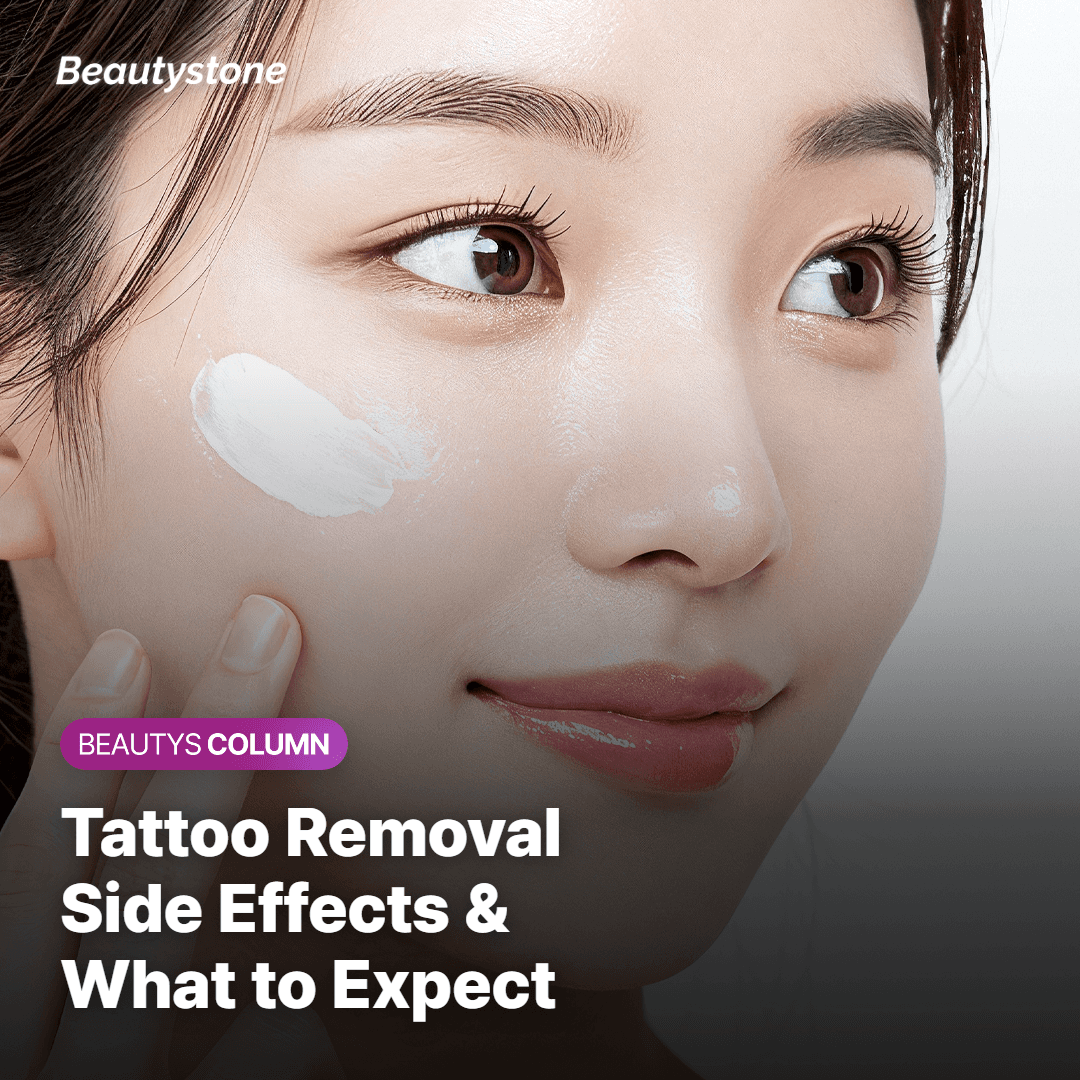
Redness and swelling at the treated site, typically settling within 24 to 72 hours.
Blistering — especially with darker inks or denser coverage — is a normal part of the inflammatory response. Do not pop blisters; let them resolve on their own.
Scabbing and flaking as the broken-down ink clears. Never pick at scabs; doing so significantly increases the risk of scarring.
Temporary darkening (oxidation effect) can occur with certain flesh-toned or white inks after the first session. Your provider should screen for this risk beforehand.
Risks to take seriously:
Post-inflammatory hyperpigmentation (PIH) — dark patches where the laser treated skin — is more common in people with medium to deep skin tones and in anyone who doesn't protect the area from UV exposure between sessions. Sunscreen is non-negotiable.
Hypopigmentation — the treated area becoming lighter than the surrounding skin — is less common but can occur, especially with aggressive settings or frequent sessions. Individual results vary.
Scarring is rare with properly operated picosecond lasers but remains a possibility, particularly in areas prone to keloids (chest, shoulders, earlobes).
If you notice spreading redness beyond the treated zone, fever, increasing pain after 48 hours, or signs of infection, seek medical care right away.
The Refund Reality
Let's be honest about this part, because it's where the most frustration lives.
In Korea, prepaid aesthetic service contracts are governed by consumer protection regulations, but practical refunds on partially used packages are difficult to obtain — and upfront packages typically price in non-refundability as a condition of the discount. This isn't unique to Korea; it's how package pricing works in most markets.
Here's what that means in practice:
If you've used six of ten sessions, the price you paid was likely based on a per-session rate lower than the walk-in single-session rate. A refund calculation would typically revalue the used sessions at the higher single-session price, then subtract that from what you paid — which often results in little to no refund.
Some clinics write explicit no-refund terms once the first session has been used. Others allow pro-rated refunds with a fee. Read the contract before you sign.
Medical or allergy contraindications are generally treated differently and may entitle you to a fuller refund. Document everything in writing if this applies to you.
The practical takeaway: Don't buy a ten-session package if you only expect to need five. Buy what you realistically need. Most clinics offer four-, six-, eight-, and ten-session tiers. Pricing per session steps down as you buy more — but only if you'll actually use them.
How Much Does Tattoo Removal Cost at Beautystone?
Tattoo removal pricing at Seoul's Beautystone clinic is structured by area size and shot count — not by a flat session fee regardless of tattoo dimensions. This means a small wrist design and a large back piece are priced very differently per session.
As a general reference point for planning purposes, single-session picosecond laser treatment (PicoWay) at Beautystone typically starts in the range of ₩100,000–₩200,000 per session for smaller, simpler designs, with larger or multicolor tattoos priced higher. Multi-session packages offer volume discounts. Pricing is subject to change, and the exact figure depends on the area size, color complexity, and ink density assessed at your consultation.
For current pricing and active promotions, check /en/promotion or /en/price. Seoul clinic pricing — subject to change; consult pricing varies by case.
Four Questions to Ask Before You Sign a Package
If you're about to commit to a multi-session package, these four questions protect you before you pay a won:
"Can unused sessions be transferred to a different area on my body?" Ask for this in writing, not just verbally. If the answer is yes, confirm whether there's a price difference if the second area is larger than the first.
"What is the refund policy after I've used some sessions?" Ask for the exact calculation method. If they can't explain it clearly, that's a red flag.
"What is the recommended interval between my sessions, and what happens if I need to pause for personal reasons?" Life happens. Confirm whether sessions have an expiry date and whether pausing for a few months resets your eligibility.
"Can you show me the written contract terms before I pay?" A reputable clinic will hand you the contract and give you time to read it. Pressure to pay before reviewing is a warning sign.
The Bottom Line
Here's the short version:
Tattoo removal packages are spaced intentionally — your immune system needs the gap between sessions to clear fragmented ink, and compressing the schedule raises your risk of side effects.
If your tattoo clears before the package ends, your most realistic option is transferring unused sessions to a different area. Refunds on partially used packages are legally complicated and practically limited.
Side effects like redness, blistering, and scabbing are expected and temporary; PIH and hypopigmentation are real risks that proper aftercare (especially sun protection) significantly reduces.
Four questions — transfer policy, refund calculation, pause flexibility, and written contract review — can protect you from the most common frustrations before you commit.
Like any procedure, tattoo removal comes with trade-offs. Individual results vary, and the number of sessions you'll need depends on factors — ink color, density, your skin tone, and immune response — that are genuinely hard to predict in advance.
Ultimately, the choice depends on your skin, your goals, and your budget. If you're considering a package, a consultation is the best first step — not just to assess the tattoo, but to review the contract terms before any money changes hands. Beautystone is a dermatology clinic in Seoul's Hapjeong area. See current offers at /en/promotion.
*PIH*(post-inflammatory hyperpigmentation): a darkening of skin in the treated area caused by excess melanin production after inflammation. More common in medium-to-deep skin tones and in sun-exposed areas. Preventable with consistent broad-spectrum SPF 50+ sunscreen.
Frequently Asked Questions
Q. Can I transfer unused tattoo removal sessions to a different area?
A. It depends on your clinic's contract. Many Korean aesthetic clinics allow unused sessions to be redirected to a different body area, but this isn't a guaranteed right — it needs to be negotiated and written into the agreement before you pay. Ask explicitly during your consultation.
Q. Do tattoo removal sessions expire if I need to take a break?
A. Session expiry terms vary by clinic. Some contracts allow an open-ended pause; others impose a 12- or 24-month validity window. Ask your provider for the written terms. A medically necessary pause (illness, pregnancy) is typically handled more flexibly than a voluntary one.
Q. How much does a PicoWay tattoo removal package cost in Seoul?
A. Pricing at Beautystone is based on tattoo area size and ink complexity, not a flat rate. Smaller, simpler tattoos generally start at lower per-session rates; larger or multicolor pieces are higher. Multi-session packages offer volume discounts. Check current pricing at /en/price — Seoul clinic pricing is subject to change.
Q. Why can't I just do tattoo removal sessions closer together to finish faster?
A. Because the fading between sessions is largely handled by your immune system, not the laser. After each session, your body needs several weeks to transport the fragmented ink particles away from the skin. Compressing sessions doesn't speed that process — it increases the risk of blistering, PIH, and potential scarring.


Hair Removal
레이저 제모 1회에도 남는 몫이 있어요 — 밀도를 모자이크로 보는 법

Tattoo removal
Why Extremity Tattoos Are Slower to Remove

Tattoo removal
Tattoo Removal Cost: Why Quotes Vary by Area

Tattoo removal
Unused Tattoo Removal Sessions: What Happens?

Lifting
Forehead Thread Lifting: How Far Can It Go?

skin
Skin Booster Prices: What to Check in a Quote