

Does Thermage dissolve facial bone? What RF actually reaches, and how often is too often.
Published -
Updated -

Author
Wi Young-jin · Chief director
Seoul National University College of Medicine · Seoul National University Hospital Specialist
→
If you have been researching Thermage, you have almost certainly run into the claim that repeated radiofrequency lifting dissolves the bones of the face. It is an unsettling thing to read right before booking, and when the wish to treat collides with a fear that specific, most people simply postpone the decision.
Here is the short answer first. Thermage energy is designed to work in the skin and the fascial layer beneath it, not to reach bone. What helps is separating where the rumor came from and what the published work actually describes, because once you can tell those apart the fear shrinks considerably. This article walks through both, plainly and without overpromising.
This is general information from Beautystone, a skin clinic in Hapjeong, Seoul.
What you'll learn
Where the Thermage bone-loss rumor started
How the rumor differs from what the research actually reports
How deep radiofrequency energy travels in the skin
What to confirm with your provider before you book
Where the bone-loss rumor came from
Thermage is a lifting treatment that uses radiofrequency* energy to heat the deeper layers of skin, contracting the collagen already there and prompting the body to lay down new collagen afterwards. Because the treatment feels genuinely warm, sometimes hot, it is an easy leap to assume heat like that must be reaching bone. Add a handful of reviews from people whose faces looked hollower after several rounds, and you have every ingredient for a rumor that pins the change on the device. Thermage is an FDA-cleared device in the US, which is the correct term for a device, whereas a drug such as Botox is FDA-approved.
Radiofrequency*: current in the radio band that generates heat inside tissue. In aesthetics it is used to warm the deeper layers of skin and drive collagen change.
In practice, a face that looks hollower usually reflects several things happening at once: the volume that naturally recedes with age, changes in the fat layer, and weight loss. Work describing how radiofrequency changes the molecular structure of collagen to produce immediate contraction and then stimulate new collagen growth makes the target obvious: the collagen-rich layers of skin. Individual results vary, and looking at where the energy actually goes is far more useful than taking the rumor at face value.
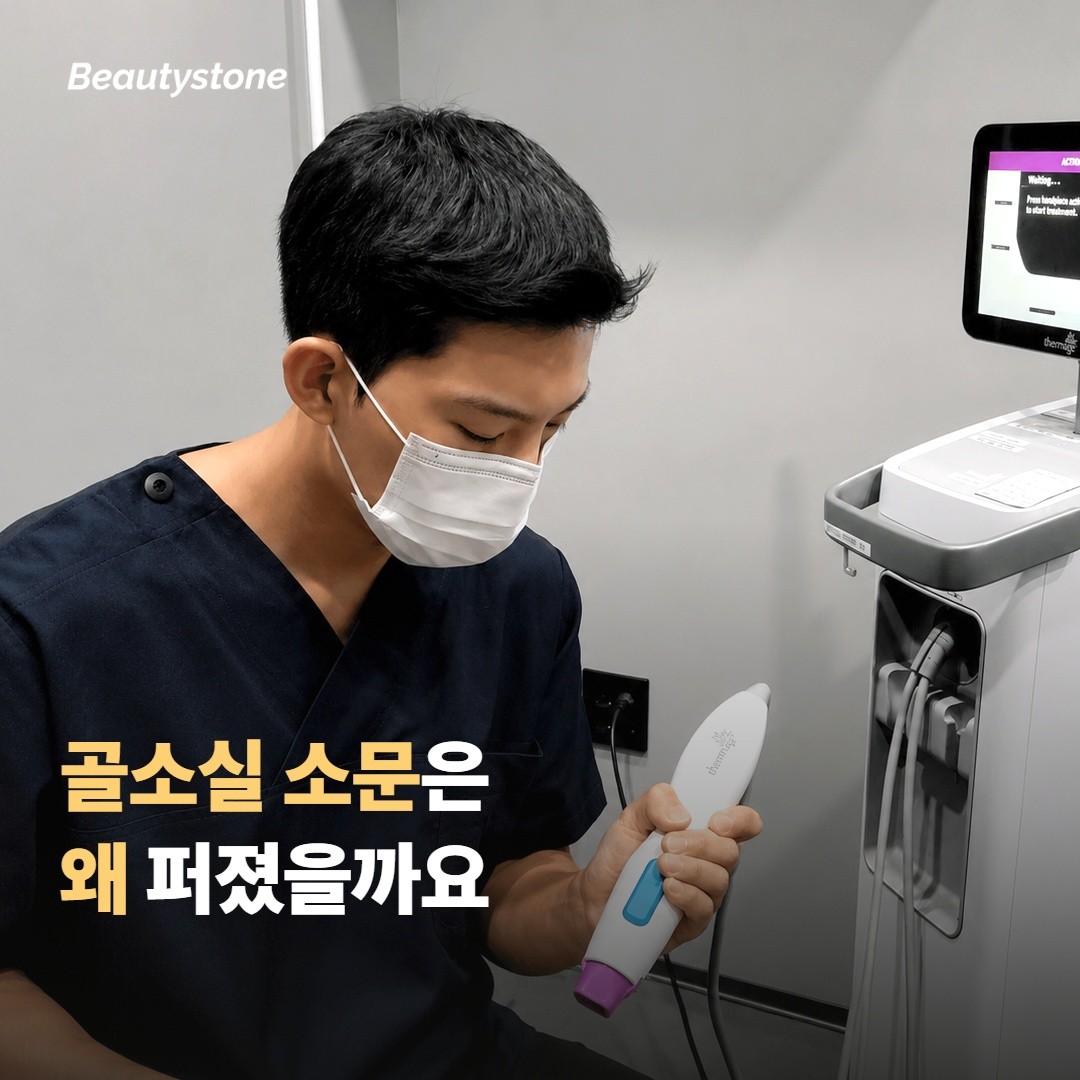
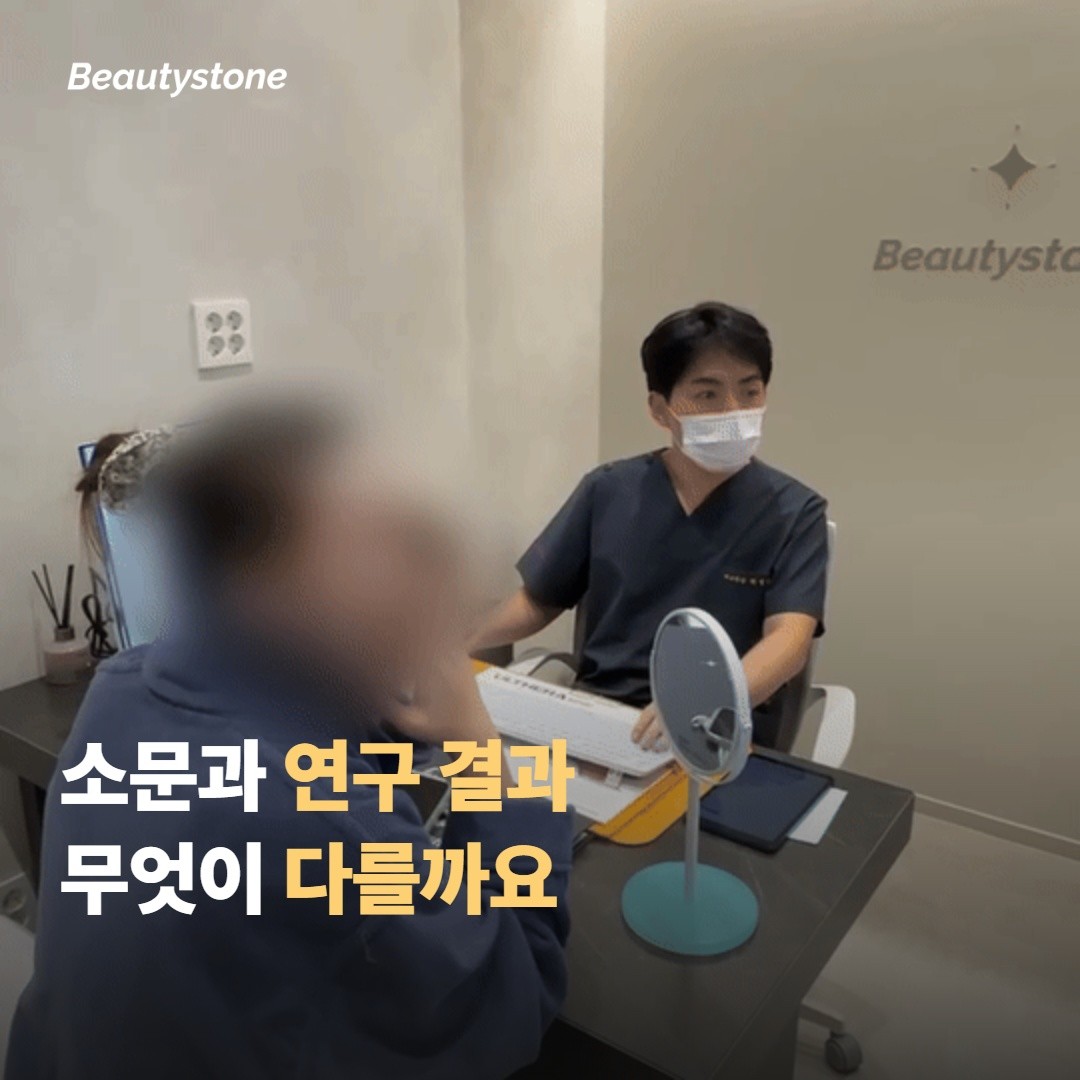
Rumor versus what the research shows
Set the two side by side and the gap is obvious. It comes down to two questions: how deep the energy actually goes, and what is really behind a face that looks hollower.
Question | The rumor | Research and clinical use |
|---|---|---|
Treatment depth | Heat travels all the way to bone | Works mainly in the dermis and fascial layer* |
Bone loss | Radiofrequency dissolves bone | No known clinical evidence demonstrates bone loss |
Hollow look | The treatment removed bone | Ageing and fat-layer change, among other factors |
Safety | It is dangerous either way | Manageable with sensible settings and spacing |
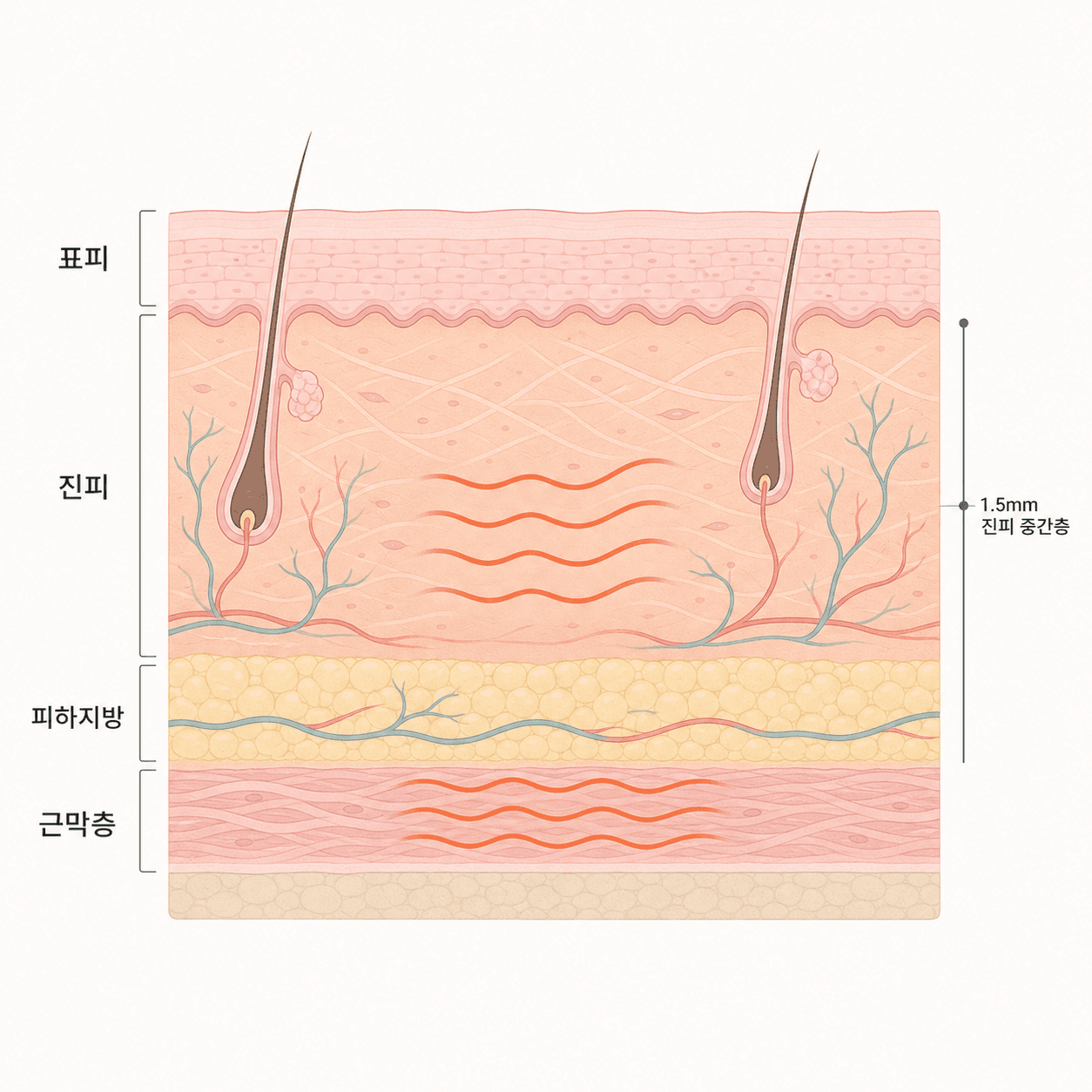
Fascial layer*: the connective tissue sheet under the skin that wraps and supports the muscles. Because it links the muscles of expression to the skin above, it is a main target for lifting treatments.
It is true that Thermage warms tissue well below the surface. The point is that the depth is engineered and controlled to land in the skin and fascial range. Unless sessions are stacked far too close together at excessive settings, the vague bone-loss worry is a long way from what the treatment does. If change is on your mind, agree on intensity and spacing with your provider before the first pass rather than after it.
How deep does radiofrequency actually reach?
Radiofrequency lifting works in two stages. During the session, heat makes collagen fibres contract on the spot, so the skin feels slightly tighter straight away. Over the following weeks to months, fibroblasts respond to that stimulus by producing new collagen, and firmness comes up gradually rather than overnight.
What matters here is that both the depth the energy travels and the temperature it reaches are controlled variables. As in a description of how radiofrequency tissue tightening adjusts energy delivery depth, target temperature and application time to act on a chosen layer, these systems are built to manage surface temperature and deep temperature separately. So rather than the simple assumption that hot equals bone damage, the range the heat reaches is deliberately designed and kept inside it.
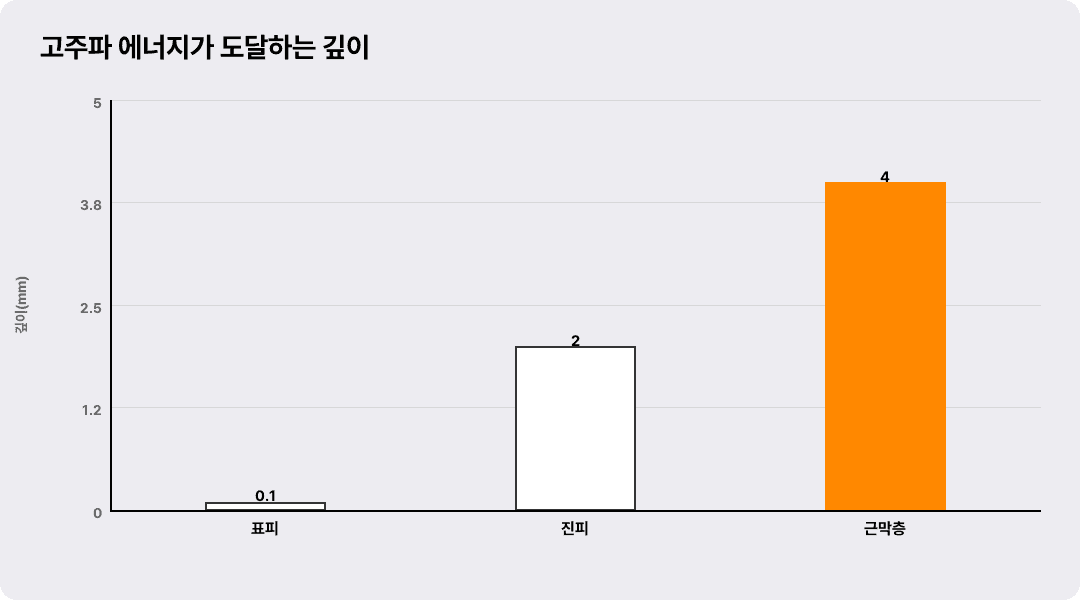
Seeing the depths drawn out makes it easier. The epidermis is a very thin surface layer; the dermis and the fascial layer are where radiofrequency does its work. Bone sits far below that, in a different tier entirely from the working range of a standard lifting treatment.

Why where you have it done still matters
At Beautystone we would rather hear about your skin and what is worrying you than lead with a recommendation. With radiofrequency lifting the same device can feel like two different treatments depending on how intensity and spacing are set, so if something like the bone-loss rumor is sitting in the back of your mind, that is worth putting on the table in the consultation rather than carrying into the room. We are a small clinic within walking distance of Hapjeong Station in Seoul, so there is time to watch how one person's skin responds and decide the next session together. If you are visiting from abroad, ask before booking how the clinic handles questions once you have flown home, and line up a provider where you live in case something needs to be looked at in person.
Frequently asked questions
Q. Can repeated Thermage sessions really dissolve facial bone?
A. There is no known clinical evidence demonstrating bone loss. Thermage radiofrequency is designed to act on the dermis and the fascial layer, and it is not a treatment that touches bone directly. A face that looks hollower is usually the combined result of several factors, such as age-related volume loss and changes in the fat layer.
Q. The heat feels intense during the session. Is that safe?
A. Warmth, or a passing burst of heat, is the normal sensation of radiofrequency heating the deeper layers of skin. These systems are built to manage surface temperature and deep temperature separately. That said, if pain is excessive or a burning feeling lingers, tell your provider straight away.
Q. How often should Thermage be repeated?
A. Rather than stacking sessions close together, it is better to leave room for the skin to recover and for collagen production to run its course. Skin and goals differ from person to person, so settle the exact interval with the clinician who has actually examined you.
Q. What should I ask before treatment?
A. Ask which device is being used, what intensity is planned, how far apart sessions will be, and what range suits your skin. If bone loss is on your mind, say so plainly in the consultation, and ask which reactions are expected afterwards and which are signals to come back. Individual results vary, so a clear answer to those questions is worth more than any general figure.
Content


skin
Why Does Fractional CO2 Take Longer to Heal?

Contouring & Volume
How Many cc Does Forehead Filler Need?

skin
Why Is My Skin Oily but Tight in the Fall?

Hair Removal
Underarm Laser Hair Removal Cost: Do the Math

Tattoo removal
Laser Before a Cover-Up: How Many Sessions?

skin
큐어젯 다운타임, 다음 날 출근과 화장은 언제부터 될까요?