

Clinic drainage uses a tiny 18G opening so the pressure escapes upward; fingers spread it sideways. Redness usually settles in 24 to 48 hours.
Published
Updated

Author
Wi Young-jin · Chief director
Seoul National University College of Medicine · Seoul National University Hospital Specialist
→
🔗 Read more
The Reality of Acne — 1.1 Folliculitis vs Acne
The Crossroads of Scarring — 2.1 Scar Risk by Size and Type
How to Stop It Now — 3.2 Understanding Intralesional Injections properly
Managing Residual Marks — 4.1 PIH · PIE · Atrophic · Hypertrophic
You might have heard that you should never pop a pimple. That is absolutely true for deeper stages like nodules or cysts. However, a pustule with a visible yellow head in the center is a different story. If you do not clear out the pus and inflammatory substances inside in a timely manner, they can spread to the adjacent dermis, leaving long-lasting marks that eventually harden into shallow scars. The truly critical factors that determine scarring are 'when to pop' and 'how to pop'.
You might have heard that you should never pop a pimple. That is absolutely true for deeper stages like nodules or cysts. However, a pustule with a visible yellow head in the center is a different story. If you do not clear out the pus and inflammatory substances inside in a timely manner, they can spread to the adjacent dermis, leaving long-lasting marks that eventually harden into shallow scars. The truly critical factors that determine scarring are 'when to pop' and 'how to pop'.
"Leaving it alone will make it absorb" — this is only half true
Small pustules near the surface do naturally absorb within a few days. However, once they grow larger and become filled with thick pus, the pressure pushes against the pore wall and spreads sideways. This causes the inflammation to spread to adjacent pores and the dermis, and what was once a single pustule can turn into a cluster of small nodules in just a few days.
Many people experience their acne suddenly spreading all at once, and it often happens this way. If you catch it when the first pustule appears as a warning sign, you can break the cycle of it spreading sideways.

When you see a yellow head, it is time to squeeze
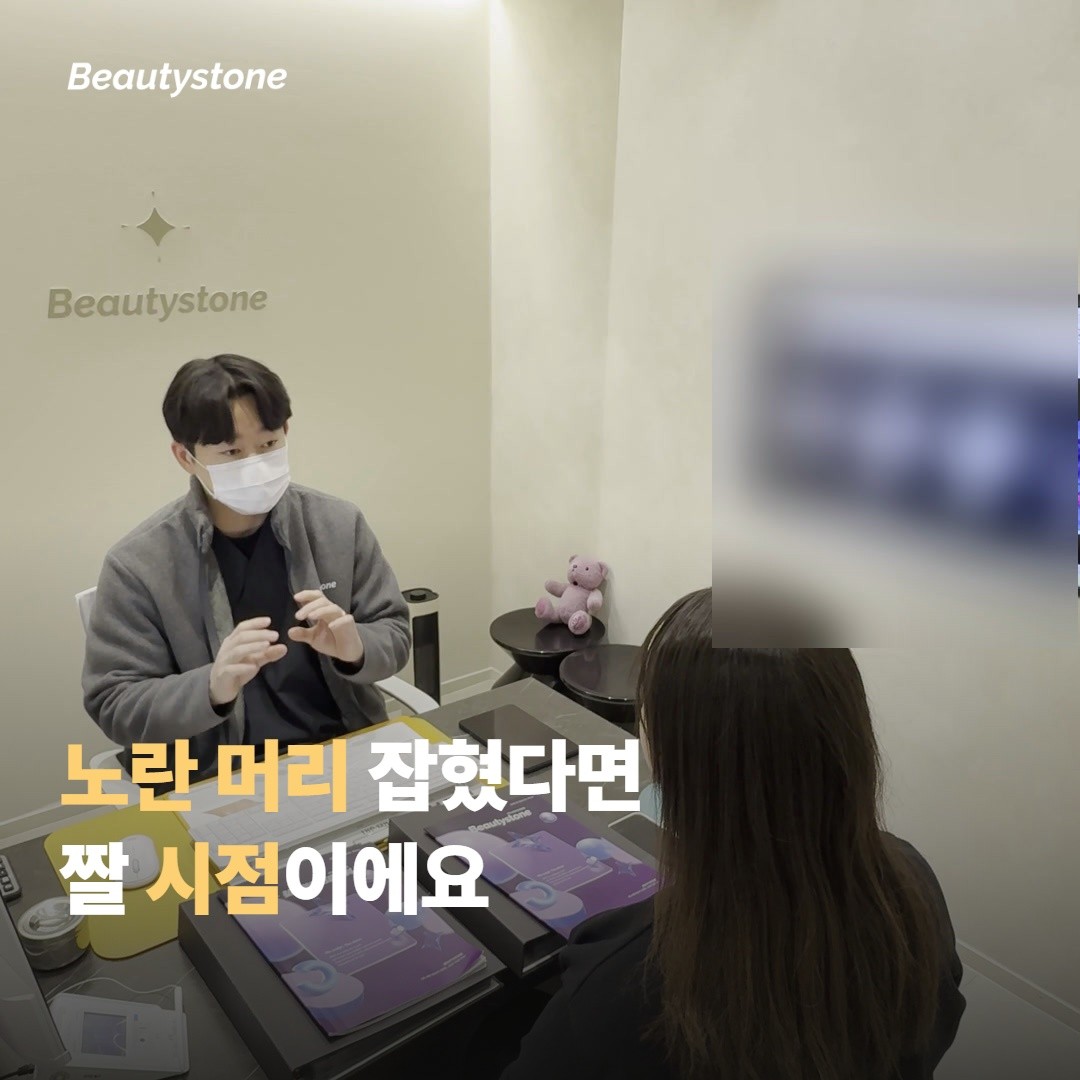
For a pustule, it is safe to squeeze when it rises near the surface and a yellow head becomes visible in the center. A visible head means the contents have risen to a 'shallow location'. At this point, applying gentle pressure will cause the force to escape only upwards.
On the other hand, do not squeeze if the surface is flat, red, and hard. The contents are still too deep, so they will not come up; instead, the pressure will push them sideways or downwards. This is the most common starting point of a scar.
Why squeezing with your fingers makes scars deeper
Your fingers have a wide surface area, making it difficult to control the direction of the pressure precisely. The moment you squeeze, some pressure goes up, but far more pressure is directed sideways and down into the dermis. The pus and inflammatory substances forced into the neighboring dermis trigger new inflammation, while the downward pressure crushes the dermal collagen*, causing it to harden into a depression*.
If you pinch and twist with your fingernails, it can scrape the epidermis, leaving long-lasting brown marks (PIH). That is why the saying "it is better not to pop" actually means "it is better not to pop if you are going to do it this way."
* Dermal Collagen: The protein network in the dermis layer that supports your skin. When a certain area collapses all at once, it is difficult to regrow, and if that spot hardens in its sunken state, it becomes an atrophic scar.

What makes professional clinic extraction different?
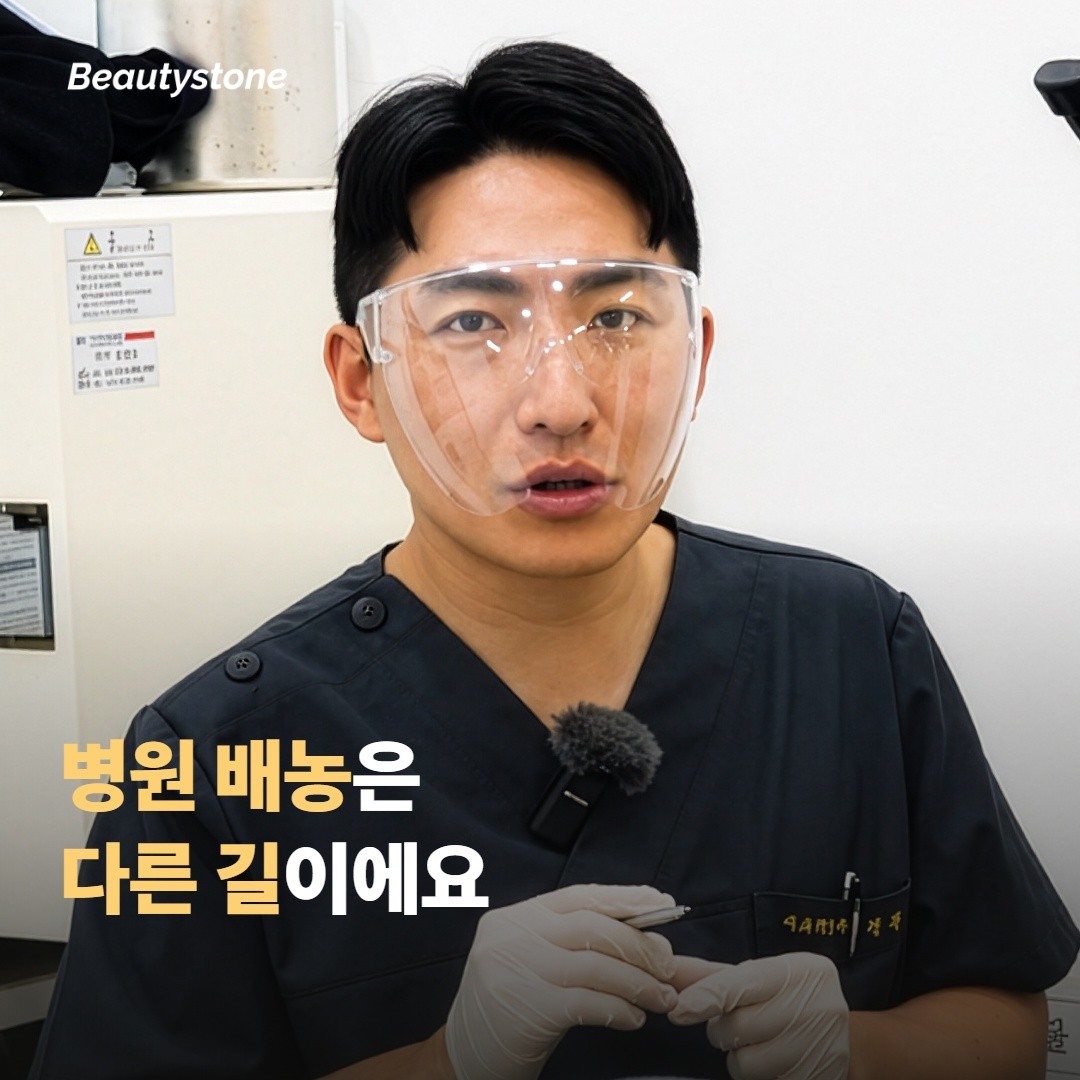
The clinical method of Incision & Drainage (I&D)* involves making a tiny incision on the surface using a thin needle (around 18G) or a No. 11 scalpel blade, and then releasing the pressure with sterile tools. Unlike the broad pressure of fingers, the tiny incision acts as an 'upward exit,' significantly reducing the pressure directed sideways and downwards.
The difference in recovery is even more obvious when it comes to the risk of scarring than in photographs. Even with the same pustule, if it is extracted through a hygienic incision and drainage, it often ends with just a temporary brown mark, whereas squeezing it by hand greatly increases the chance of it hardening into a shallow boxcar scar. This clinical difference is also highlighted in the Korean Dermatological Association General Practice Guidelines.
* Incision and Drainage (I&D): A clinical procedure where a small incision is made on the surface of a pustule or cyst using an 18G needle or a No. 11 scalpel blade, followed by emptying the contents. By creating an upward exit, it minimizes damage to the dermis by reducing pressure that would otherwise go sideways and down.
Please also keep in mind the stages where you should never squeeze
Never try to 'squeeze' hard nodules without a head or highly painful cysts, regardless of the method style. The contents are located too deep, so no matter what kind of exit you try to make, the pressure will always go sideways and downwards. For this stage, intralesional steroid injections to calm the inflammation first are necessary. We will cover this in detail in the next article of the series.
Here is a summary table of the appropriate treatments for each stage:
Stage | Squeezing by hand | Clinic Extraction | Appropriate Treatment |
|---|---|---|---|
Comedone | △ (Only hygienic extraction) | ○ | Retinoids · Salicylic Acid |
Superficial Pustule (Yellow Head) | △ (Risky method) | ○ Safest | Relieving pressure with sterile tools |
Deep Pustule (No Head) | ✗ | △ Depending on progress | Topical Antibiotics · BPO |
Nodule | ✗ | ✗ | Triamcinolone Injection |
Cyst | ✗ | Emptying after incision | Injection + Incision & Drainage |
Whether you should pop a pimple or not is not a matter of 'yes' or 'no', but a matter of the stage and method. For pustules with a visible head, have them extracted hygienically at the right time. For nodules and cysts, leave them alone and visit a clinic. Just keeping this distinction in mind will greatly reduce your risk of developing permanent scars.
Frequently Asked Questions
Q. Is it really better to pop pustules?
Yes, but it is much better to have it done 'hygienically at a clinic'. For superficial pustules with a yellow head, releasing the pressure helps speed up recovery and lowers the risk of scarring. However, if you squeeze it at home with your fingernails or fingers, it can tear the epidermis and pores, actually causing more scarring. If you feel like it needs to be popped, please visit the clinic instead of trying it yourself.
Q. Is there any situation where it is okay to pop it at home?
We do not recommend self-extraction. Attempting to squeeze it yourself can tear the epidermis and the area around the pore, which often leaves a scar. Rather than trying to figure out 'how to squeeze it well,' the real secret to avoiding scars is 'coming to the clinic quickly without popping it.' For temporary relief, cover it with a clean acne patch to reduce irritation, and seek medical attention as soon as possible.
Q. How many days does it take for it to go down after professional extraction?
For superficial pustules, the redness and swelling usually subside within 24 to 48 hours. Although marks (PIH or PIE) may remain in the same spot for a month or two, it is rare for them to turn into permanent scars. For nodules and cysts, extraction alone is often not enough, so we also use intralesional acne injections.


![[Wi Young-jin] Duoderm heals acne 2× faster than bandages](https://framerusercontent.com/images/K9F2JPCz3PJkpHFmSCDrbIcg6Wc.jpg?width=1080&height=1080)



Lifting
Ultherapy Before and After: Why Wait 90 Days?

Contouring & Volume
Belotero Revive Cost: 2cc Price vs. 3 Sessions

skin
Lip Hyperpigmentation Laser: Does It Work?

Contouring & Volume
Men's Forehead Filler: Hollow or Just Lines?

Contouring & Volume
Calf Botox Timeline: When to Book Session 2?

Contouring & Volume
Thread Lift Cost: Smile Lines vs. Full Face?