

How collagen boosters work—and the right time to start in your 20s, 30s, and 40s.
Published -
Updated -

Author
Wi Young-jin · Chief director
Seoul National University College of Medicine · Seoul National University Hospital Specialist
→
When you start to feel like your skin isn't what it used to be, questions like "Should I start collagen boosters now, or is it too early?" naturally follow. With advertisements claiming that earlier is always better, while others advise waiting until a certain age, it is easy to get confused.
To give you a quick answer, collagen boosters do not have a set starting age. Instead, it is a treatment you start according to the speed at which your skin's collagen is decreasing and the specific concerns you want to address. Because the skin changes we experience vary across different age groups, the expected results and the actual purpose of the treatment will differ slightly, even for the same procedure.
This content compiles treatment information from Beautystone Hapjeong.
In this article, you will learn about:
Understanding the natural decline of collagen as we age
How collagen boosters work on the skin
How expected benefits and treatment choices differ by age group
A helpful summary of things to know before starting the treatment
How Collagen Decreases as We Age
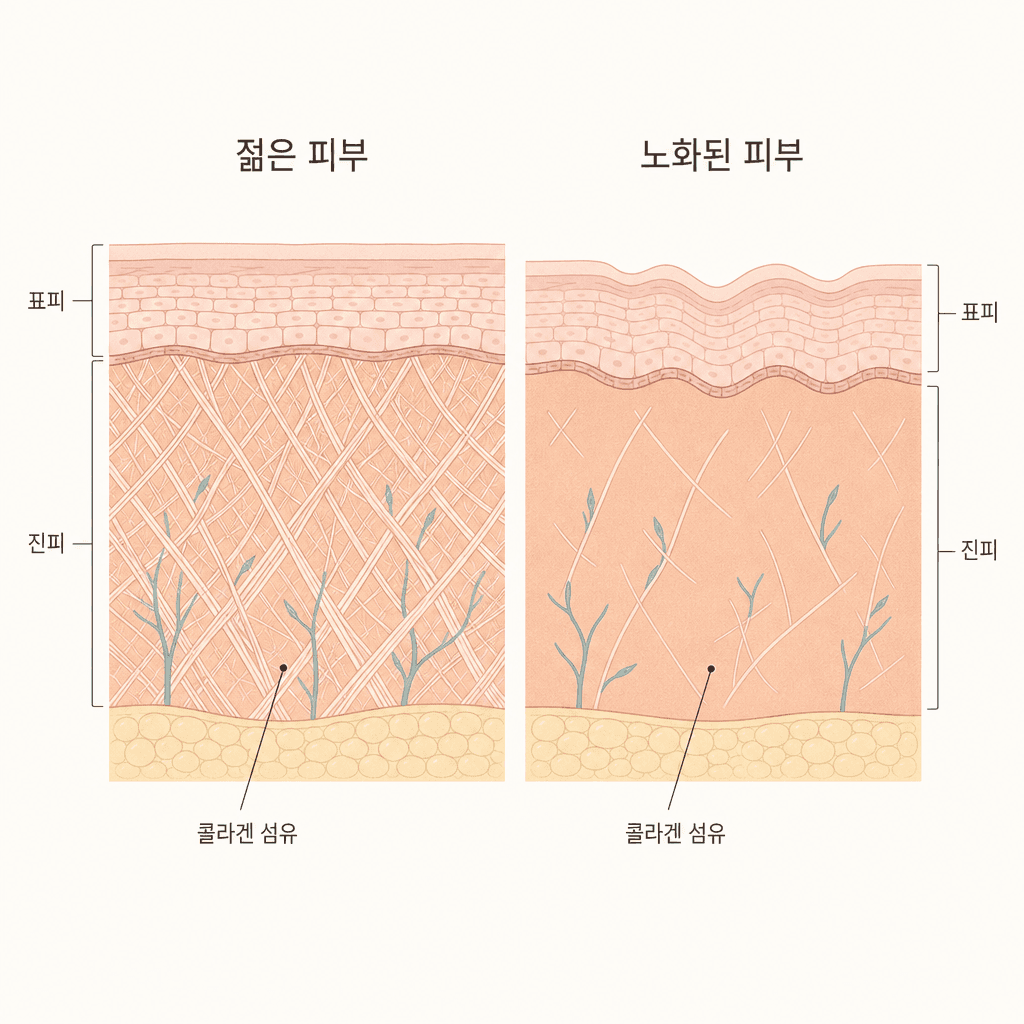
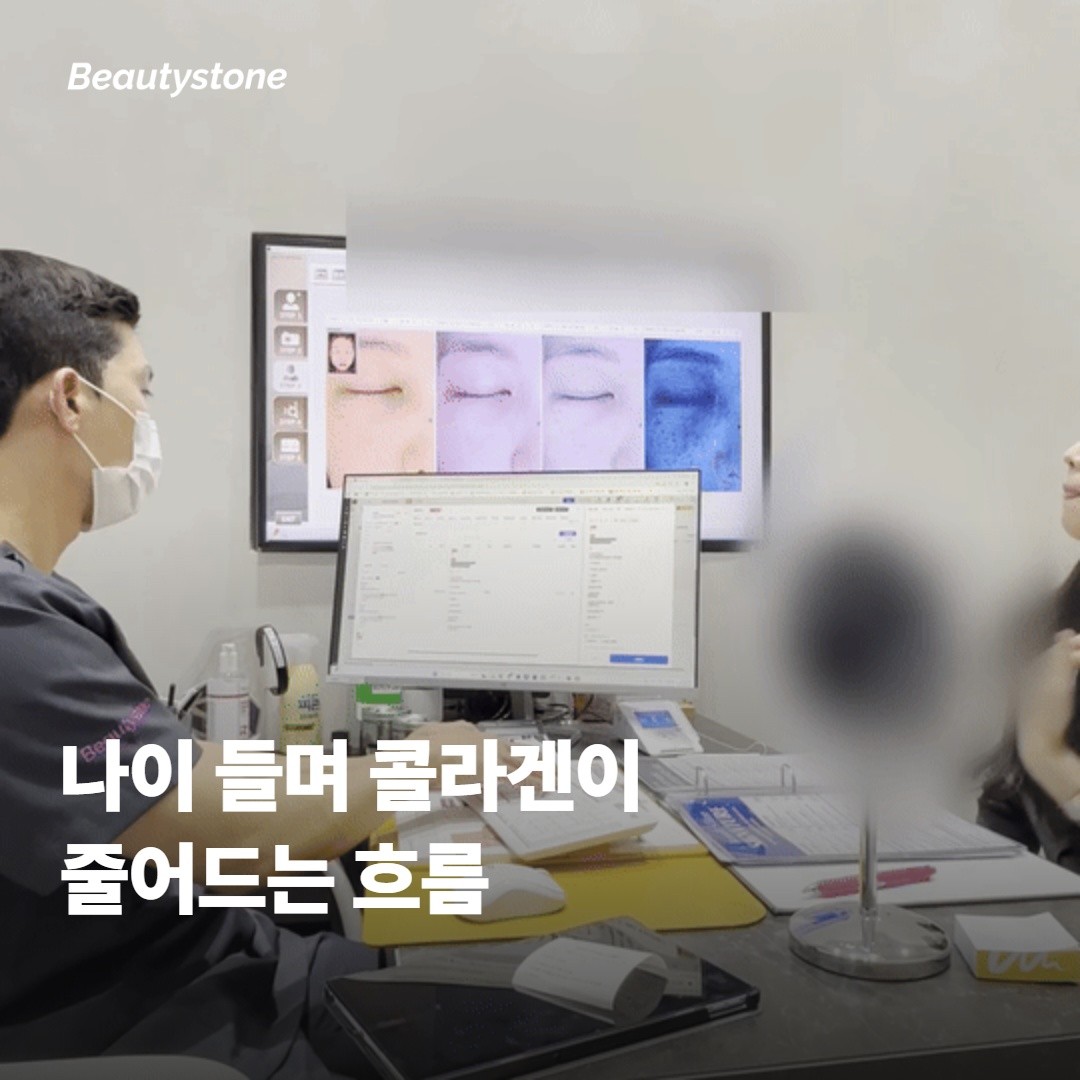
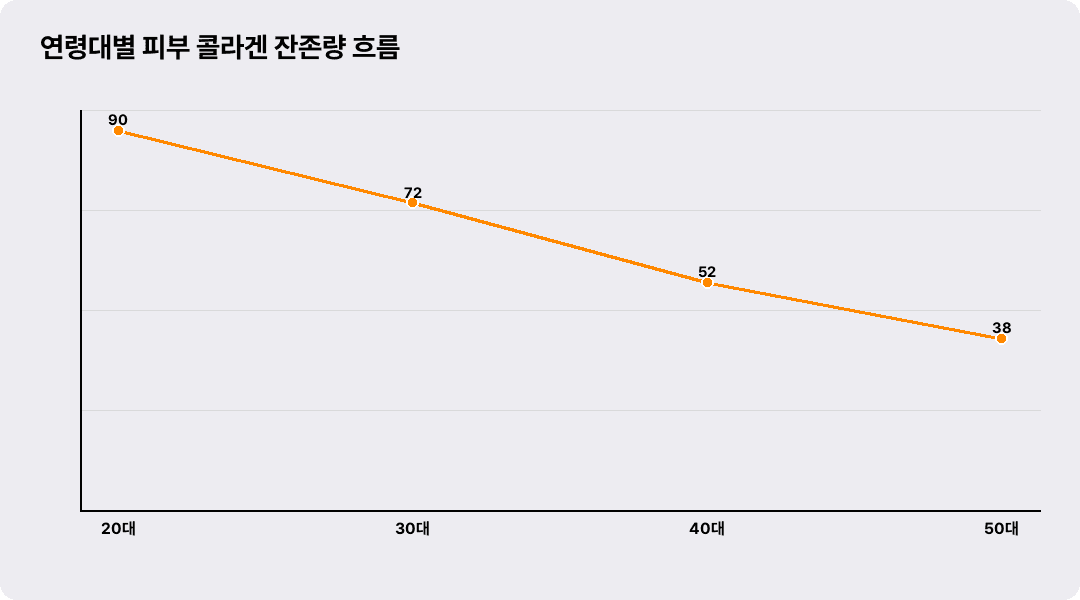
Skin elasticity is created by collagen and elastic fibers within the dermis. These components are constantly renewed by fibroblasts* in the skin. However, as we age, the activity of these cells slows down, and collagen production can no longer keep up with the rate of breakdown. As a result, starting in our late 20s, collagen slowly begins to decrease, making our skin gradually lose its firmness and volume.
Fibroblasts*: Cells in the skin's dermis that produce collagen and elastic fibers. As we age, their activity slows down, leading to a decrease in collagen.
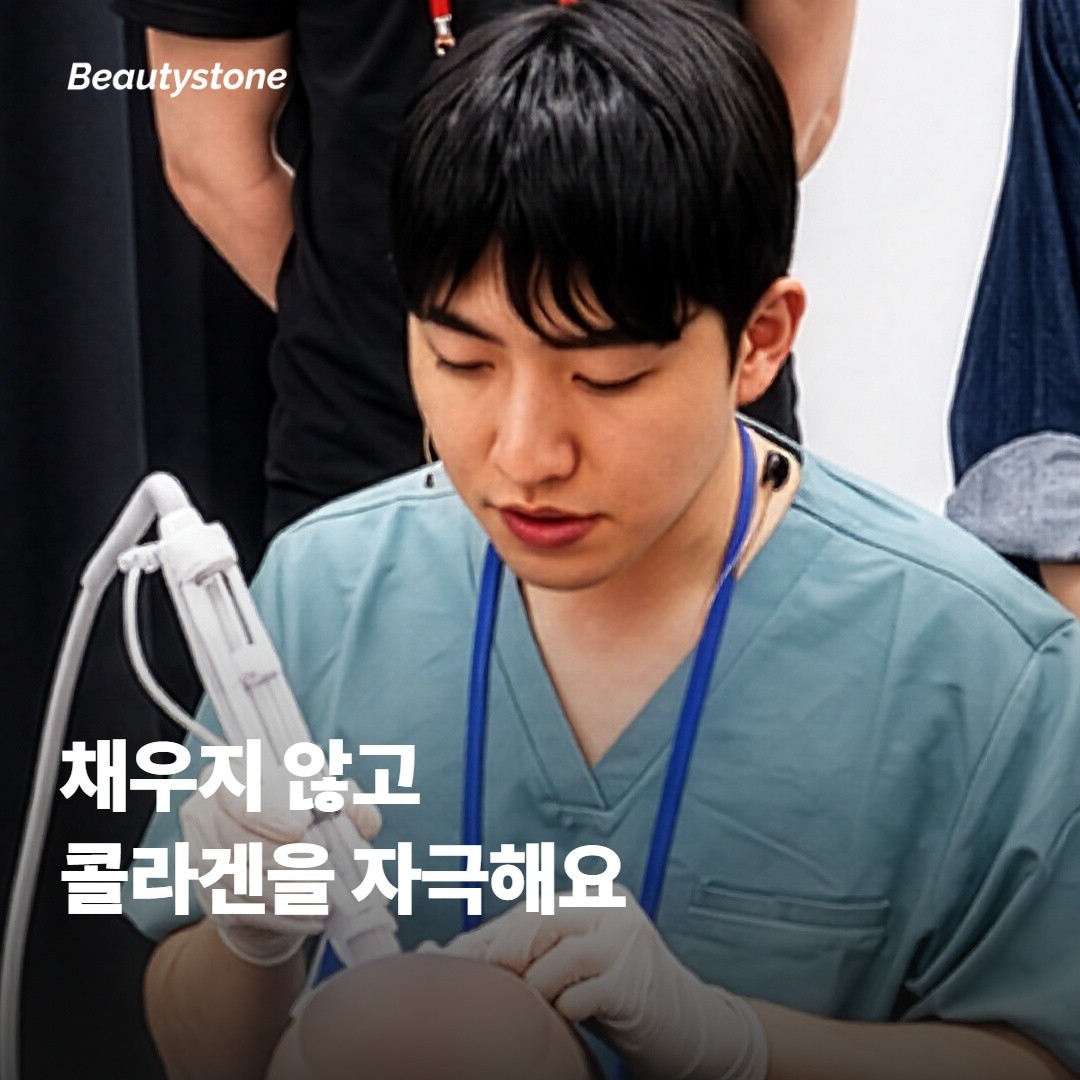
Collagen boosters are treatments designed to stimulate these cells to produce collagen once again. As explained by how one of the representative ingredients, polylactic acid, stimulates new collagen production in the skin with effects gradually appearing over several months, it is a method that helps the skin create its own collagen rather than simply filling it in.
How Do Collagen Boosters Work?
Different types of collagen boosters contain slightly different ingredients. There are PLA-based boosters like Sculptra, PN-based boosters like Rejuran, and other collagen-stimulating ingredients like Juvelook. What they all have in common—unlike dermal fillers—is that they stimulate the natural process of collagen production within the skin.
Because of this, the results do not appear immediately after the treatment but rather settle in gradually over several weeks to months. The treatment is typically given over multiple sessions to guide the collagen buildup, and the results tend to be relatively long-lasting. If your primary goal is immediate volume, other procedures might be a better fit, so it is important to first clarify whether your goal is skin elasticity or volume.
How Goals and Choices Change by Age Group
Even with the same collagen booster, the primary concerns and goals for the treatment vary depending on age. Here is a general breakdown of how they compare:
Age Group | Primary Changes | Common Approach |
|---|---|---|
Late 20s | Early signs of losing elasticity | Preventative care & light boosters |
30s | Fine lines & loss of elasticity | Elasticity-focused boosters |
40s | Accompanied by volume loss | Combining boosters & volume treatments |
50s & Above | Sagging skin & deep wrinkles | Plan in combination with lifting treatments |
As shown in the table, the goal at a younger age is prevention and maintaining elasticity, whereas volume loss and sagging become larger considerations as we age. Your current skin condition is a much more important factor than your chronological age.
Why Choose Beautystone Hapjeong?
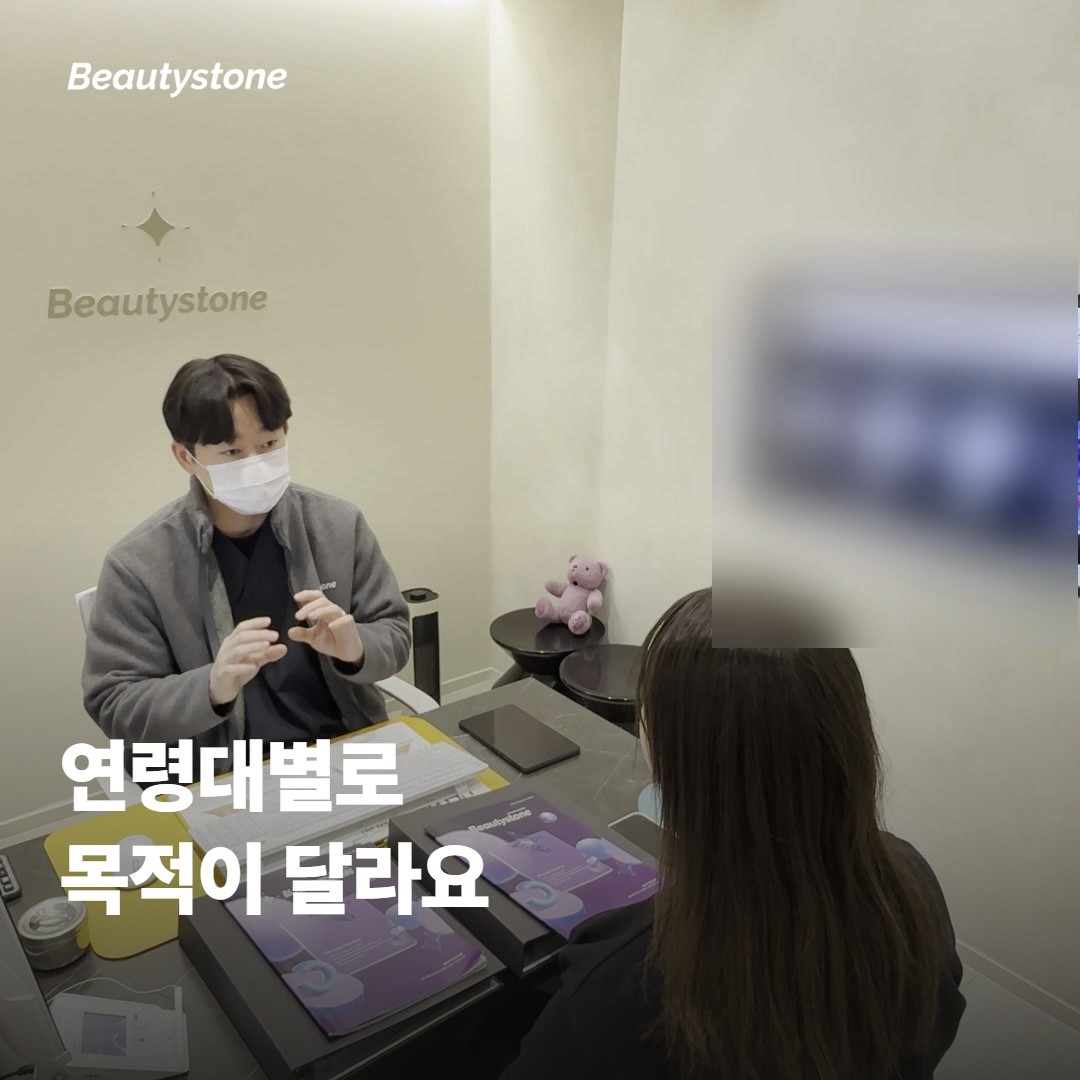
During collagen booster consultations, Beautystone Hapjeong assesses your skin condition before looking at your age. Even for individuals in their 30s, the rate of collagen loss and lifestyle habits differ. Rather than offering a one-size-fits-all recommendation, we focus on working together to determine the ingredients and session frequency that are right for you. As we are a cozy clinic located close to Hapjeong Station, we can monitor your collagen regeneration progress and plan your next session together.
Good Things to Know Before You Begin
Keeping the following points in mind can help you feel more comfortable before starting your collagen booster treatment:
Results appear gradually — The effects settle in over several weeks to months, so there is no need to make hasty judgments.
Multiple sessions are often recommended — Rather than a one-time fix, it is best viewed as a continuous process.
Know if your goal is elasticity or volume — If you are looking for immediate volume, other treatments may be more suitable.
Swelling and bruising may last for a few days — If you have an important event coming up, it is a good idea to schedule your session with time to spare.
Mild swelling, bruising, or redness at the injection site right after the procedure usually subsides within a few days. However, if you experience worsening pain or if the swelling persists, please consult your medical team. This article provides general information, so it is always safest to determine the right ingredients and starting point through a personal consultation with a medical professional.

Frequently Asked Questions
Q. I'm in my 20s. Is it too early for me to start collagen boosters?
A. There is no set starting age. If you start to notice early signs of losing elasticity in your late 20s, you can certainly start with a light booster as preventative care. However, since the need depends entirely on your unique skin condition, we highly recommend confirming through a personalized consultation.
Q. How do collagen boosters differ from dermal fillers?
A. Fillers directly fill in sunken areas to provide immediate volume, whereas collagen boosters stimulate your skin to produce its own collagen, gradually restoring elasticity and firmness. Your choice will depend on whether you prioritize immediate volume or natural elasticity.
Q. How long do the effects last?
A. While it varies by individual and the type of booster used, the results tend to be relatively long-lasting because the treatment works by generating new collagen. However, since collagen naturally decreases over time, many people choose to receive touch-up treatments periodically for maintenance.
Q. Can I see results after just one session?
A. Some individuals notice positive changes after a single session, but collagen generally builds up more stably when the treatment is performed over multiple sessions spaced a few weeks apart. The recommended number of sessions varies depending on your skin type and the ingredients used, which is best decided during your consultation.
Recommended Readings


Hair Removal
레이저 제모 1회에도 남는 몫이 있어요 — 밀도를 모자이크로 보는 법

Tattoo removal
Why Extremity Tattoos Are Slower to Remove

Tattoo removal
Tattoo Removal Cost: Why Quotes Vary by Area

Tattoo removal
Unused Tattoo Removal Sessions: What Happens?

Lifting
Forehead Thread Lifting: How Far Can It Go?

skin
Skin Booster Prices: What to Check in a Quote