

Bruising, swelling, tenderness and redness each follow their own curve, and two specific signs mean you should call the clinic instead of waiting it out.
Published -
Updated -

Author
Wi Young-jin · Chief director
Seoul National University College of Medicine · Seoul National University Hospital Specialist
→
When looking into skin boosters, many people hesitate, worrying, "It's supposed to be good for my skin, but what if there are side effects?" The idea of injecting something into the skin can bring about a sense of vague anxiety, and because reviews vary so much regarding bruising and swelling, it is hard to gauge what is considered normal.
In this article, we will take you step-by-step through how skin boosters work within the skin, the types and severity of side effects actually reported, and key points to check during your consultation for a safe experience. We hope this helps you build realistic expectations rather than vague anxiety.
This content covers treatment information from Beautystone Hapjeong.
By reading this article, you will:
Understand the mechanism of how skin boosters work deep within the skin
Learn about the types and severity of commonly reported side effects
Be able to distinguish rare but noteworthy reactions that require attention
Know what to check during your consultation to ensure a safe procedure
Let's start with how skin boosters work deep within the skin
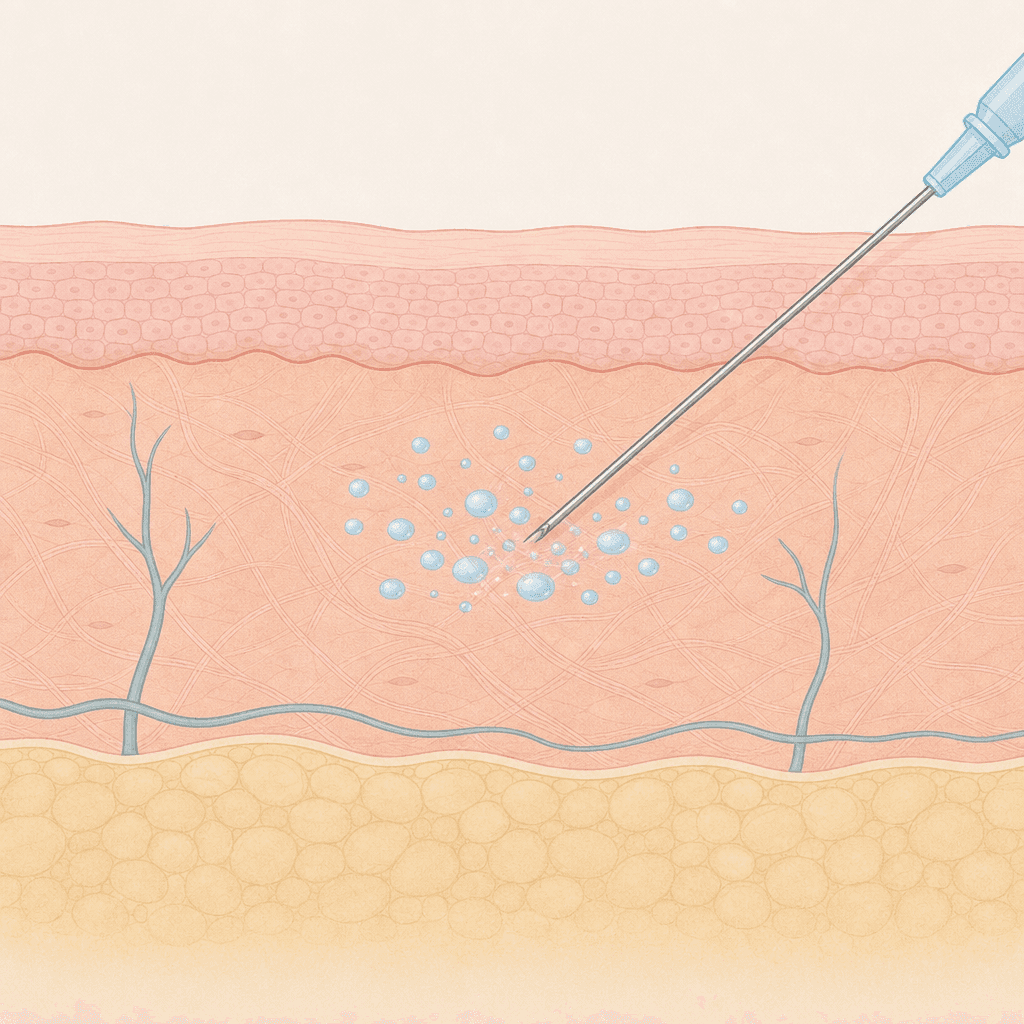
Unlike regular dermal fillers that focus on adding volume, skin boosters are designed to improve the skin's internal environment by shallowly injecting ingredients like hyaluronic acid into the dermis layer to boost hydration and refine skin texture. According to medical literature detailing the mechanisms of injectable skin boosters, hyaluronic acid holds hundreds of times its own weight in moisture and stimulates the extracellular matrix of the dermis to promote collagen production.
Dermis*: The layer of skin beneath the epidermis that retains collagen and moisture to create the skin's elasticity and texture.
Extracellular Matrix (ECM)*: The mesh-like network within the dermis that fills the space between cells and supports the skin structure. This includes collagen and hyaluronic acid.
Since this procedure directly targets the skin’s internal layer, both its efficacy and side effects are closely linked to "where, how much, and how" the injection is administered. Consequently, when understanding side effects, the treatment process and aftercare tend to be more crucial than the product ingredients themselves.

How common are the reported side effects?
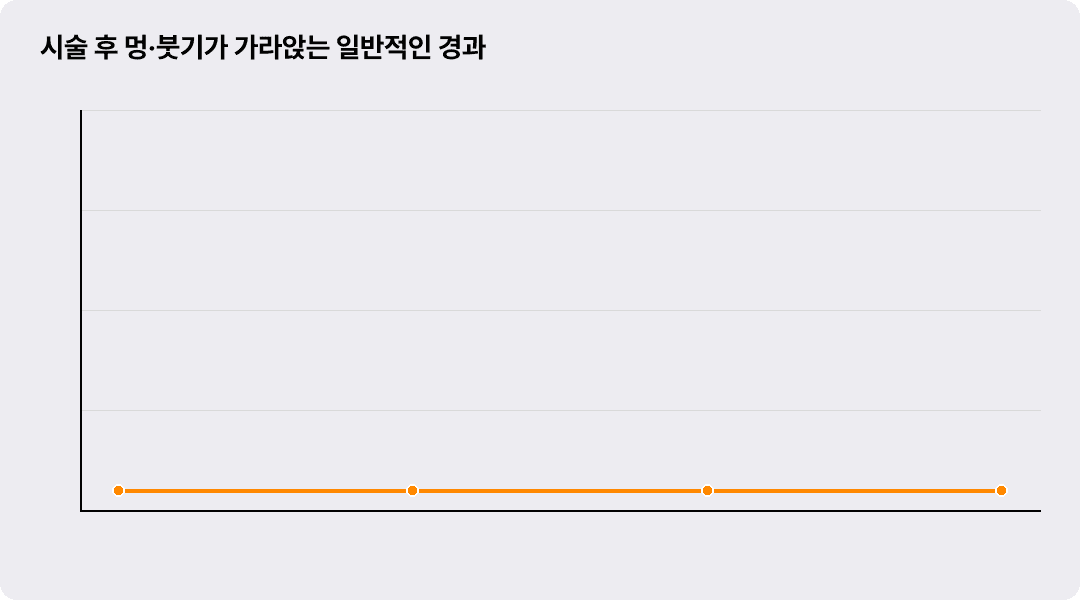
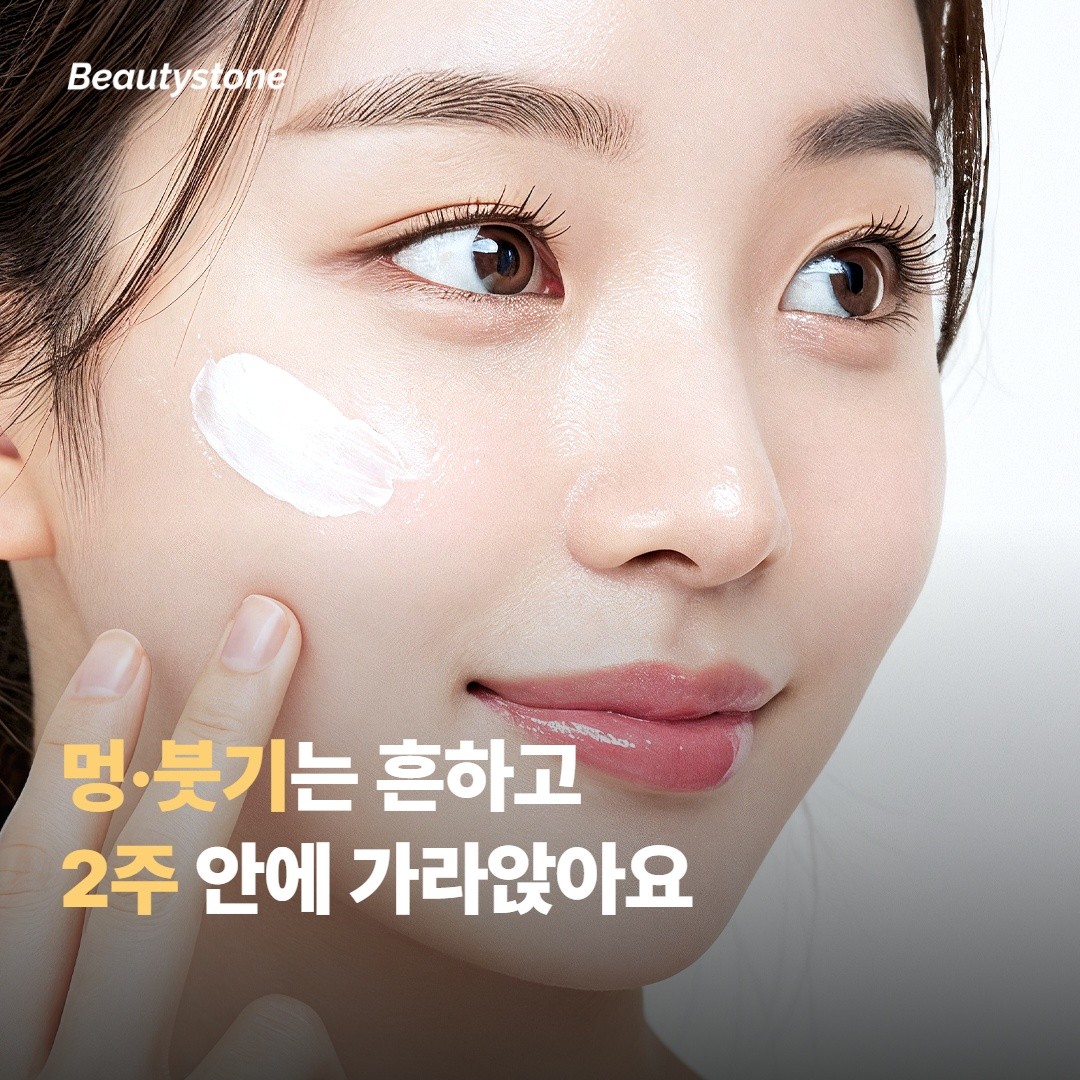
The most common reactions to skin boosters are immediate post-treatment bruising, swelling, and mild tenderness when pressed. Even in a systematic review on the safety of injectable hyaluronic acid, the majority of side effects are reported to be mild, temporary reactions that typically subside within two weeks. Given the nature of a treatment involving multiple injection points, minor bruising and redness are very common.
Below is a summary of frequently reported reactions and their typical course. Knowing what lies within the "normal range" beforehand can help ease unnecessary anxiety after your treatment.
Reaction | Commonality | Typical Course |
|---|---|---|
Bruising | Common | Fades within a few days to 2 weeks |
Swelling | Common | Usually subsides within a few days |
Tenderness (to touch) | Common | Generally short-lived |
Redness | Common | Calms down within 1–2 days |
Distinguishing rare but noteworthy reactions
While most experiences involve mild reactions, rare occurrences such as nodules (small lumps), prolonged inflammation, or pigment changes can happen. The same literature review notes that such reactions are uncommon, and hyaluronic acid carries a relatively lower risk of nodule formation compared to other ingredients. However, if swelling persists for more than 2 weeks, or if pain and redness gradually worsen, it is safer to seek a professional medical follow-up rather than just waiting it out.
These rare reactions are often related to hygiene, depth of injection, and aftercare rather than the product itself. This is why "where and how you receive the treatment" is just as critical to safety as "which product is used."
Why choose Beautystone Hapjeong?
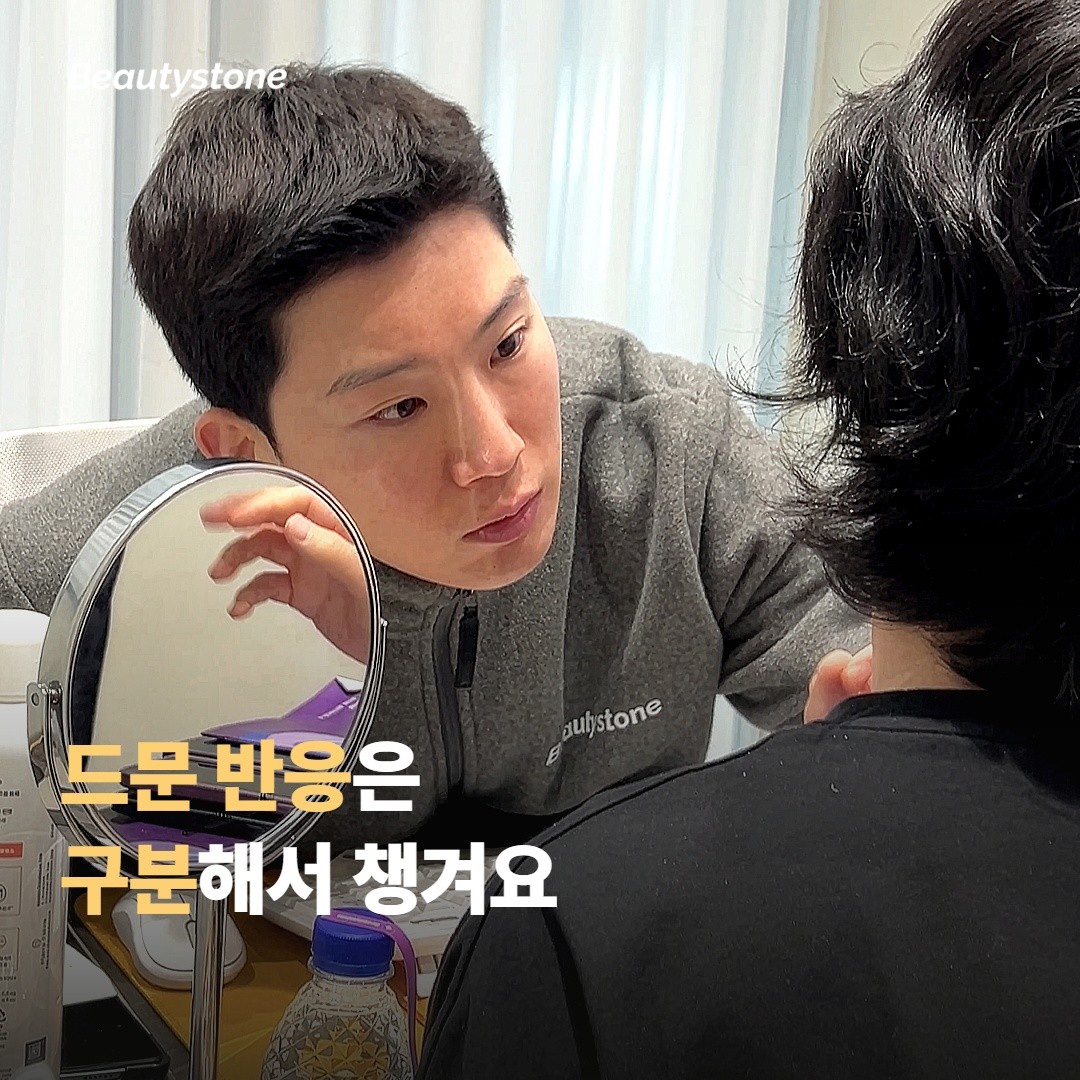
Even with the exact same ingredients, the results and side effects of skin boosters can vary greatly depending on injection depth, volume control, and hygiene protocols. At Beautystone Hapjeong, we focus on assessing your skin condition and expectations thoroughly before the procedure, guiding you carefully through the injection method and post-treatment care.
Instead of simply claiming there are "no side effects," we believe in being completely transparent about common and rare reactions, and pointing out exactly which signs mean you should contact us. We find that realistic honesty, rather than vague reassurance, truly builds long-term satisfaction and peace of mind.

Key points to check for a safe treatment
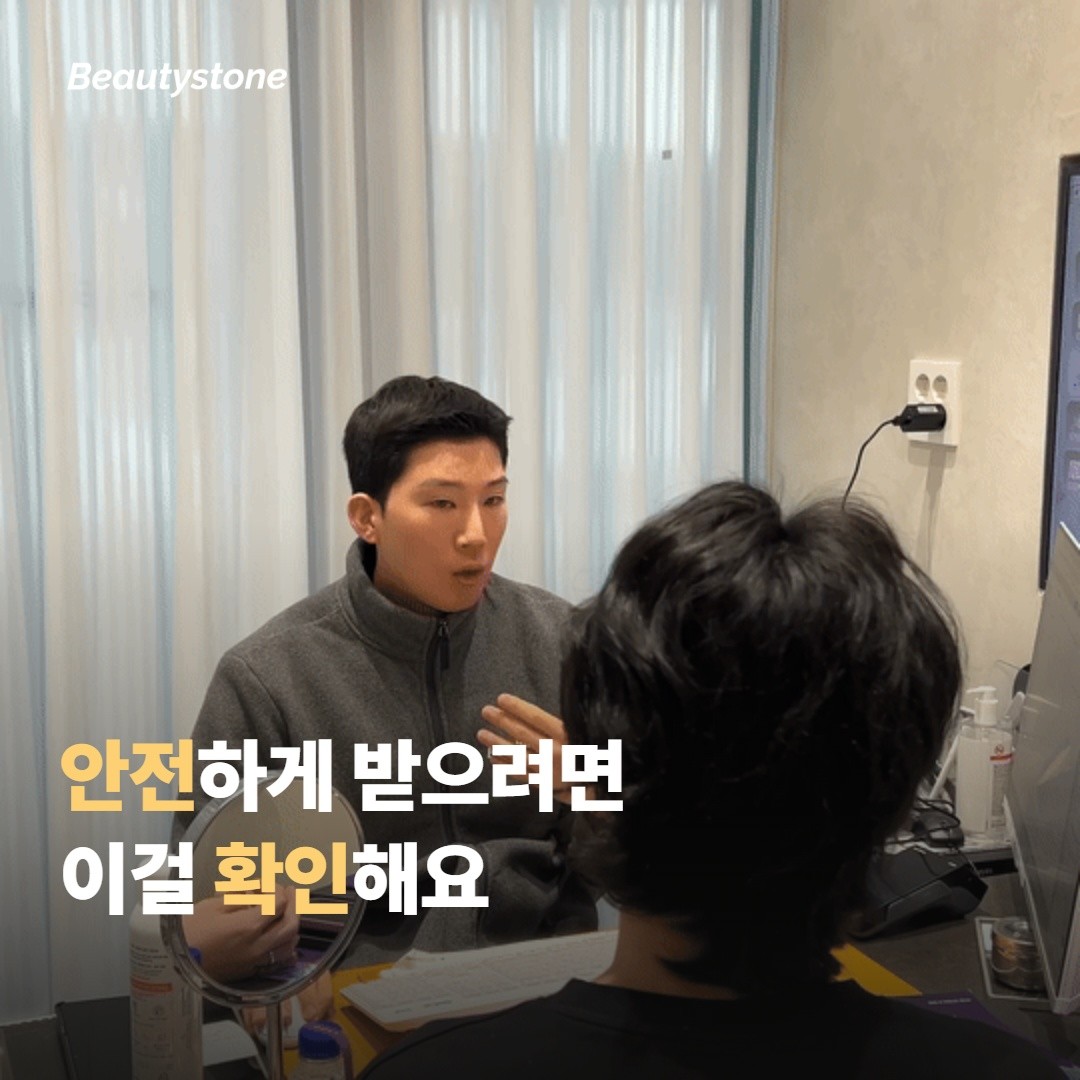
Before your appointment, please let us know if you are taking any medications, tend to bruise easily, or have any active inflammation or skin troubles in the treatment area. Since minor bruising and swelling are common, we suggest scheduling your treatment with a comfortable buffer of a few days before any important events.
After the procedure, try to avoid touching or irritating the treated area excessively, and simply monitor the swelling and bruising as they subside over a few days. However, if pain or redness intensifies or lingers, it is always safest to contact your clinic for guidance rather than self-diagnosing.
Frequently Asked Questions
Q. Do skin boosters have a lot of side effects?
A. Most reactions are mild and temporary, such as bruising, swelling, and mild tenderness. Literature reviews show that the vast majority of side effects resolve within 2 weeks. However, because it involves multiple tiny injections, minor bruising and redness are quite common in the initial days.
Q. How long do bruising and swelling last?
A. They generally fade within a few days to 2 weeks at most. If they persist beyond 2 weeks or steadily worsen, it is safest to have a follow-up assessment with the clinic.
Q. I heard stories about lumps forming. Is that common?
A. No, it is not common. Hyaluronic acid is documented to have a relatively lower risk of lump or nodule formation compared to other booster ingredients. However, because it can happen rarely, if you feel a persistent lump, it is best to have it evaluated by your provider.
Q. What is the most important factor for a safe treatment?
A. The depth and volume of injection, along with sterile hygiene, are just as crucial as the formulation itself. Your safety depends on speaking honestly about your skin and health condition beforehand, and choosing a clinic that is easily reachable should you notice any atypical signs afterward.
Recommended Reads


Hair Removal
레이저 제모 1회에도 남는 몫이 있어요 — 밀도를 모자이크로 보는 법

Tattoo removal
Why Extremity Tattoos Are Slower to Remove

Tattoo removal
Tattoo Removal Cost: Why Quotes Vary by Area

Tattoo removal
Unused Tattoo Removal Sessions: What Happens?

Lifting
Forehead Thread Lifting: How Far Can It Go?

skin
Skin Booster Prices: What to Check in a Quote