

A reference photo helps at a filler consultation, but it can't be copied, and a close-up selfie can make your nose look 30% wider. Here's what to expect.
Published
Updated

Author
Wi Young-jin · Chief director
Seoul National University College of Medicine · Seoul National University Hospital Specialist
→
A photo of a face you like is a useful starting point at a filler consultation, but it can't be copied onto your face. Filler adds volume to your own bone structure and soft tissue, so the same amount in the same spot looks different on a different face. The photo works best when you use it to point at one feature and one direction, such as a softer chin line or less hollow temples.
Your own selfie can mislead you, too, because a phone held close changes how your proportions look. In this article, we'll cover what a reference photo can and can't tell the doctor, why close-up selfies distort, how to put your goal into words, which side effects to ask about and what to share on consultation day.
Quick summary
Use a reference photo to show one feature and the direction you want, not as a face to copy.
Selfie distortion: a photo taken about 12 inches away made the nose look 29% to 30% wider than a distortion-free view; at 5 feet, the difference all but disappeared.
Swelling and bruising after filler usually appear soon after injection, and many resolve within a few days to weeks.
Skin turning white, unusual pain or any change in vision after filler needs medical care right away.
Can Filler Make You Look Like the Face in Your Photo?
Not exactly, and it helps to know why before you fall in love with a picture. Filler sits on top of what you already have: the width of your cheekbones, the length of your chin, how thick your skin and fat layers are. Two people can get the same product in the same spot and end up with two different shapes.
The face in a photo also comes with lighting, angle, makeup and sometimes editing. What looks like a full cheek may be a highlight, and what looks like a sharp jawline may be a shadow. So when you show me a photo, I look at which part caught your eye and in which direction it differs from your face, rather than at the whole face.
I also look at the balance of your entire face and any difference between your left and right sides before suggesting an area or an amount. Changing one feature shifts how the others read. A fuller chin, for example, can change how your nose and lips look in profile.
Can You Trust Your Own Selfie to Judge Your Face?
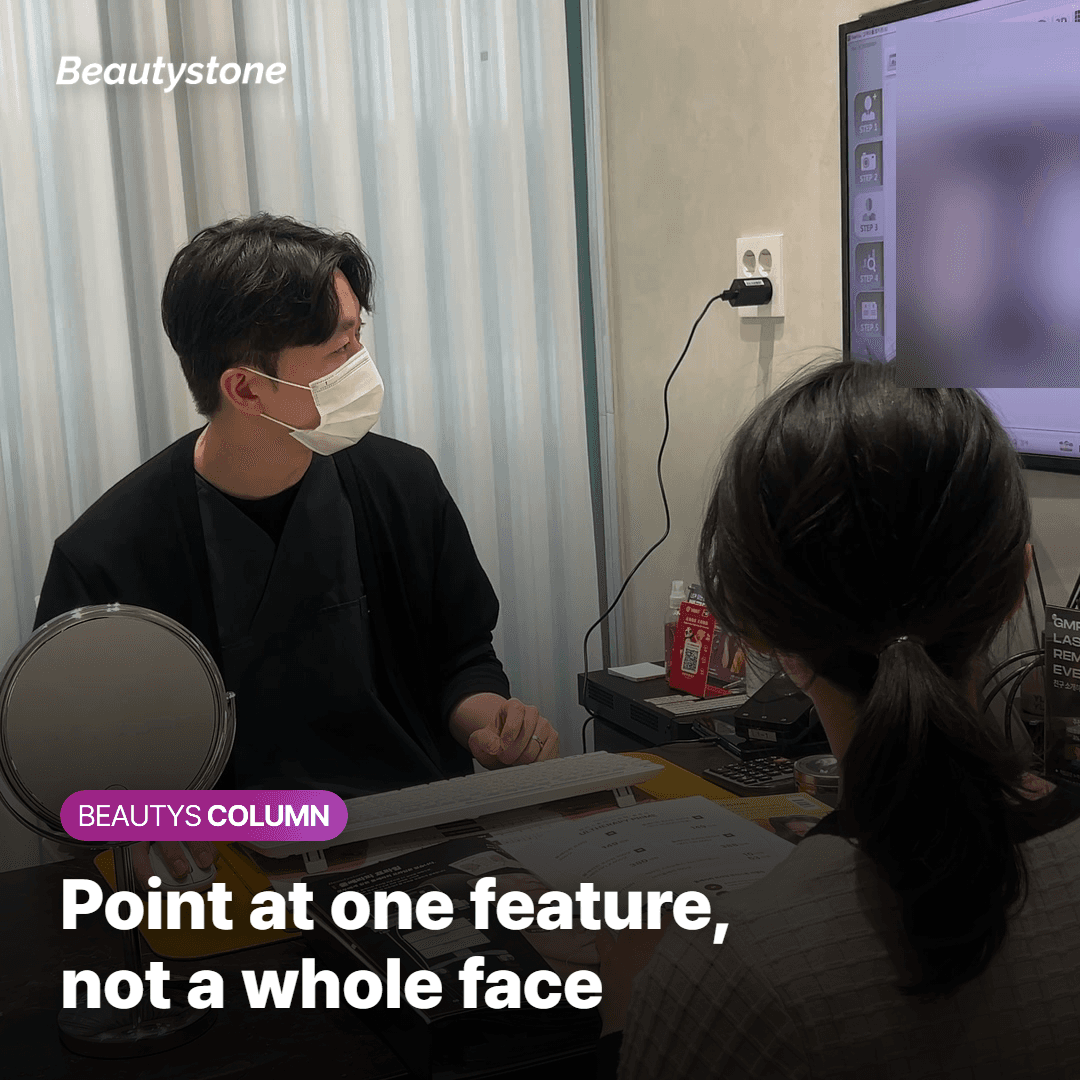
A close-up selfie isn't a neutral picture of your face. When the camera is close, whatever is nearest the lens looks bigger. In a model of selfie distortion, a photo taken about 12 inches (30 cm) away made the nose look 30% wider in men and 29% wider in women than a distortion-free view. At 5 feet (1.5 m), a typical portrait distance, there was essentially no difference.
That means a front-camera selfie can make your nose look wider and your cheeks and jaw look narrower than they are. If you've decided you need filler based on selfies alone, it's worth checking again with a photo taken from farther away.
Filters change things further. In a survey of 223 people shown five photos of the same woman, filtered selfies were most often picked as the most attractive, while a regular camera photo from 3 feet away was picked as the most confident and the most intelligent. The way a face is photographed changes how people read it, so a filtered image is a poor target.
For your consultation, take two photos in daylight: one straight on and one in profile, with the camera at eye level and a few steps away, or ask someone else to take them.
How Should You Describe the Filler Shape You Want?
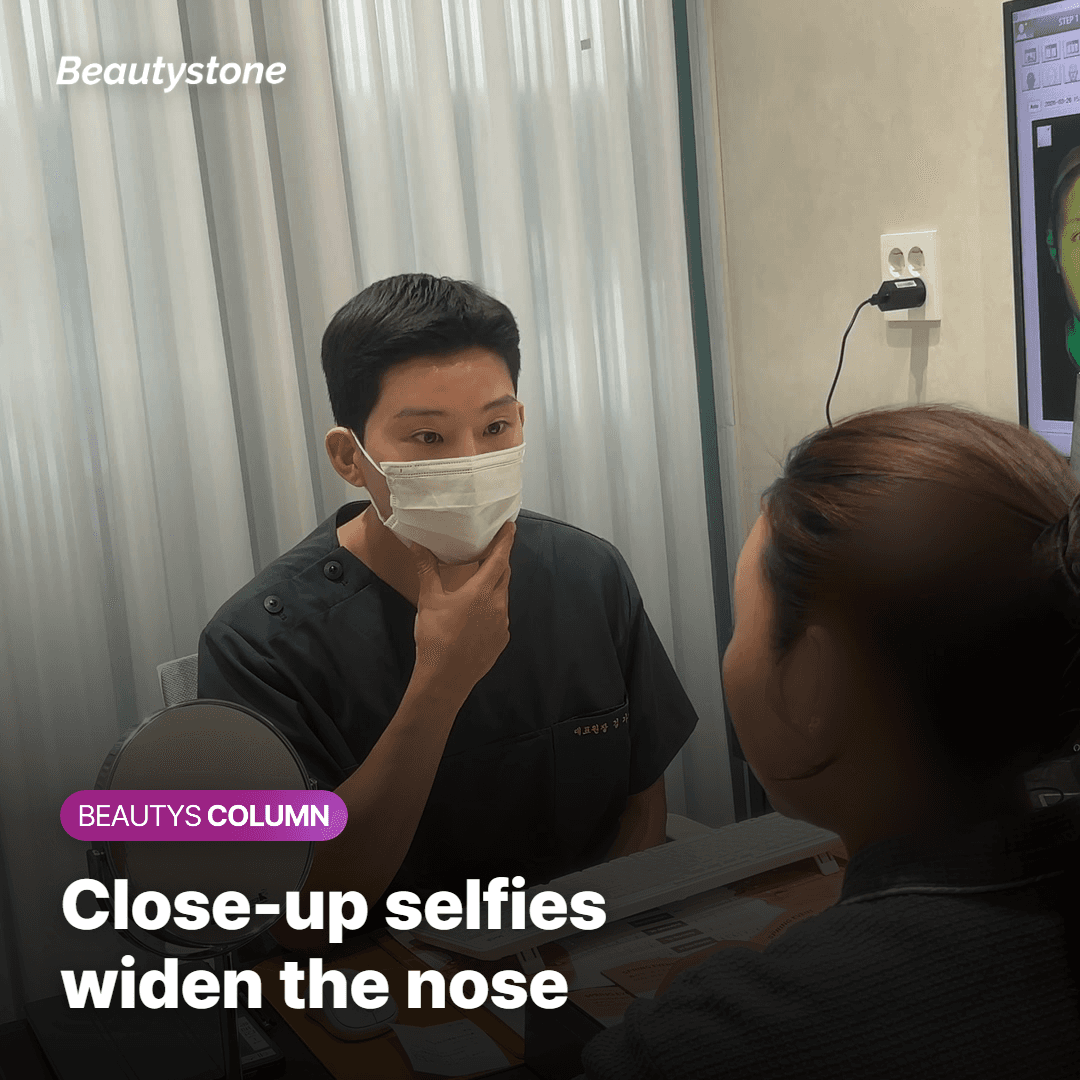
Describe the change in plain words, one area at a time. "My temples look sunken from the front" or "my chin disappears in profile" gives me far more to work with than "I want to look like her." Pointing at the spot in a mirror helps, too.
Which area bothers you most, and from which angle (front, side, smiling)
The direction you want: softer, fuller, less tired, more defined
What you don't want, such as looking puffy or a change friends would notice right away
A photo of yourself from a few years ago, if what you miss is volume you used to have
An older photo of you is often more useful than a photo of someone else, because it shows what your own face looked like with more volume. It also helps to say how much change you're comfortable with. Some people prefer to start with a smaller amount and decide on more once the swelling has gone down.
Filler Side Effects: Which Warning Signs Should You Ask About?
Ask what's normal afterward and what isn't, and ask about each area being injected. Swelling and bruising usually appear soon after injection, and many resolve within a few days to weeks. Redness, tenderness, itching or a rash at the injection points can also happen*.
*Based on US FDA guidance on dermal fillers.
Filler that enters a blood vessel is rare but serious, and the signs can appear during treatment or shortly after. Seek medical care immediately if you notice any of these:
Skin near the injection site turning white (blanching)
Unusual pain
A change in your vision
Signs of a stroke: sudden difficulty speaking, numbness or weakness in your face, arms or legs, difficulty walking, face drooping, severe headache, dizziness or confusion
If your skin changes color or the pain feels unusual, see a doctor right away. If your vision changes or you notice any sign of a stroke, go to the nearest emergency room. A message to the clinic doesn't replace that care.
It's also fair to ask which product is being used and whether it can be dissolved. Hyaluronic acid (HA) filler can be broken down with an enzyme called hyaluronidase, which is used both for nonurgent problems such as lumps and, at high doses, right away when a vessel is blocked.

What Should You Tell the Doctor on Consultation Day?
Tell the doctor about your health first, because some conditions mean filler should wait. Mention it if any of these apply:
The skin where filler would go is inflamed or infected
You have a bleeding disorder
You have severe allergies or a history of anaphylaxis
You're allergic to collagen, eggs, animal products, lidocaine or bacteria-derived materials
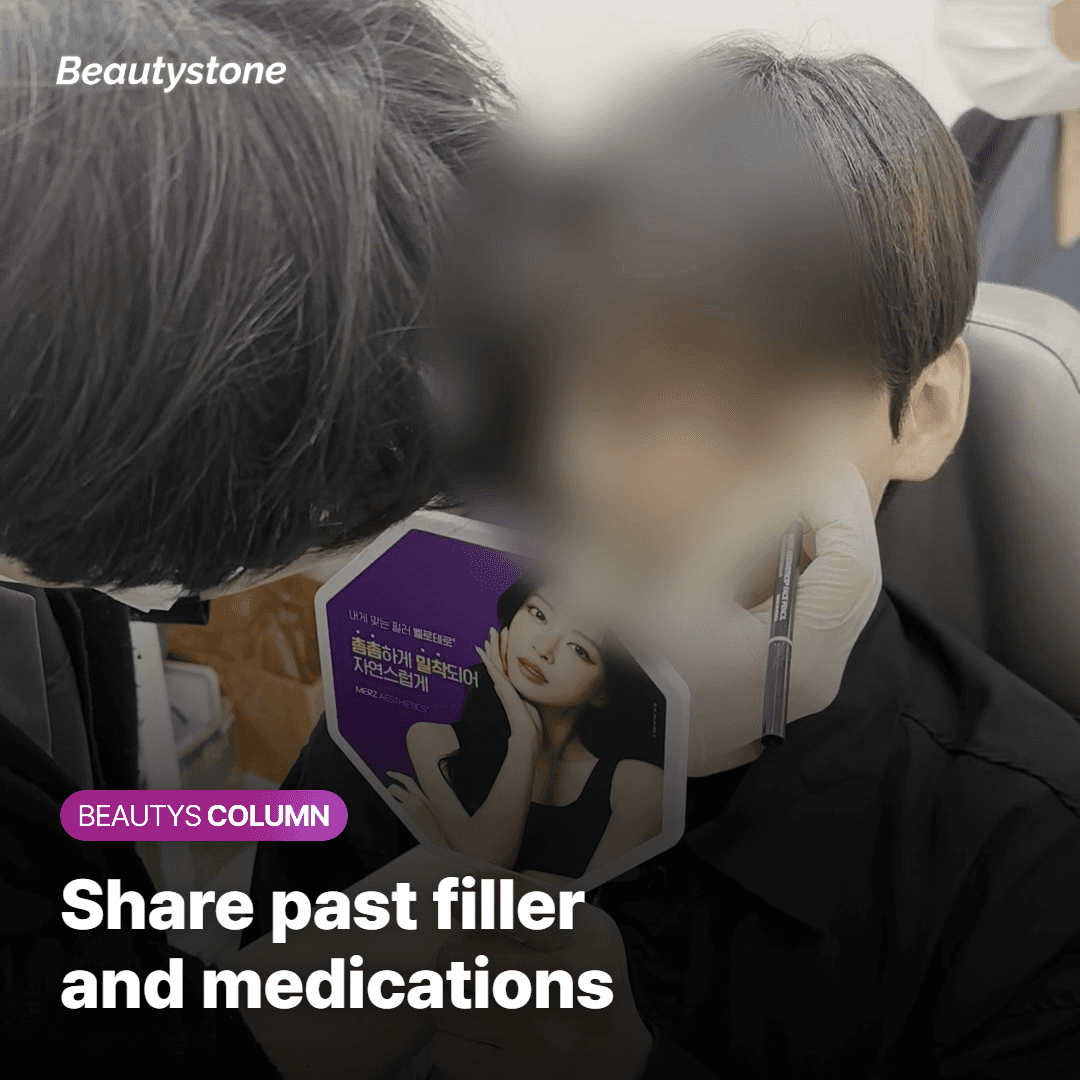
Then share your treatment history: any filler you've had, where, when and which product if you know it, plus recent Botox, threads or lifting treatments in the same area. Old filler can change how much more is needed, and the product type affects what can be done later.
Finally, bring a list of the medications and supplements you take, and don't stop a prescribed medicine on your own before treatment.
Planning a Filler Consultation Around a Trip to Seoul
Unless you've had sedation that day, there's no need to postpone your flight because of filler. Do plan photos around the swelling and bruising at the injection points, which may take a few days or longer to settle.
Filler is one of the treatments that changes your shape the same day, so you'll see the new outline before you leave. Most other treatments work more gradually and bring your face closer to how it used to look rather than changing it all at once. If you'd rather go step by step, a smaller first amount with a decision on more after the swelling settles is worth building into your dates.
Once you're home, you can send photos through the consultation button on this page if you have questions about how things are settling. If you notice skin turning white, a change in vision or unusual pain, see a local doctor or go to an emergency room first rather than waiting for a reply.
The Bottom Line: Bring One Feature, Not a Whole Face
The most useful thing you can bring to a filler consultation is one feature and one direction, plus photos of your own face taken a few steps away. Before you decide, ask: "How many cc would you use in this area for the change I described, and how would it look in profile?" That answer turns a reference photo into a plan you can compare.
If you're considering filler, a consultation is where you can find out what fits your face. Beautystone is a clinic in Seoul's Hapjeong area. When you reach out, include a front photo and a side photo taken from a distance, the reference photo you like, any filler you've had before and your dates in Seoul.
Sources
How close-up selfies make the nose look wider (JAMA Facial Plast Surg, 2018)
Side effects of hyaluronic acid filler across 48 controlled studies (Aesthetic Plast Surg, 2024)
Using hyaluronidase to treat filler problems (JMIR Dermatol, 2024)
Filler side effects, warning signs of a blocked vessel and who should wait (US FDA)


Contouring & Volume
Hollow Cheeks or Sagging Skin: Which Is It?

Contouring & Volume
Forehead Filler: Why Brows and Hairline Matter

Contouring & Volume
관자 필러, 관자만 꺼졌는데 왜 광대가 도드라져 보일까요?

Contouring & Volume
Filler Consultation: Can You Copy a Photo?

Lifting
Ultherapy vs. Thermage Side Effects Compared

Contouring & Volume
Nostril Flaring: Botox or Alar Reduction?