

Hollow cheeks come from lost fat and bone; sagging is skin moving lower, and filler mainly treats one. See where each shows on your face. Here's what to expect.
Published
Updated

Author
Wi Young-jin · Chief director
Seoul National University College of Medicine · Seoul National University Hospital Specialist
→
Hollow cheeks and sagging skin often show up together, which is why a face can look thinner and droopier at the same time. Volume loss is a matter of what's under the skin: fat pads that shrink or shift and bone that slowly recedes, leaving flat spots and shadows. Sagging is the skin and soft tissue sliding lower, which shows as jowls and deeper folds along the lower face.
When the support underneath shrinks, the skin above has less to drape over, so lost volume can make sagging look worse. In this article, we'll cover how to tell the two apart, why the temples matter, what cheek filler can and can't lift, which side effects need care and a simple way to read your own face.
Quick summary
Hollowing comes from lost fat and bone underneath; sagging comes from skin and tissue moving lower, and many faces have both.
Where to look: hollowing shows as flat spots and shadows at the temples and front of the cheek, while sagging gathers at the jawline as jowls.
In a cheek filler study of 235 people, 92.8% rated their cheek volume improved at 6 months and 79.0% at 2 years.
Loose skin is treated differently: tightening devices tend to show modest lifting over 2 to 6 months.
Hollow Cheeks or Sagging Skin: How Do They Look Different?
Hollowing looks like a dip or a shadow. The front of the cheek goes flat, a groove appears under the cheekbone, or the temples cave in so the face looks narrower at eye level. These changes are visible from the front, even when your skin itself still feels firm.
Sagging looks like weight moving downward. The jawline loses its clean edge as jowls form, the folds from the nose to the mouth deepen and the lower face looks heavier than the upper face.
Underneath, the fat of the face isn't one sheet. It's divided into separate compartments, and they change with age at different rates, so one area can hollow while a neighboring one drops. The jowl fat is the lowest of these compartments, which is part of why sagging collects at the jawline.
The bone matters too. With age, parts of the facial skeleton recede, especially the upper jaw beside the nose, parts of the eye socket rim and the area just in front of the jowls. Less bone means less scaffolding for the soft tissue on top.
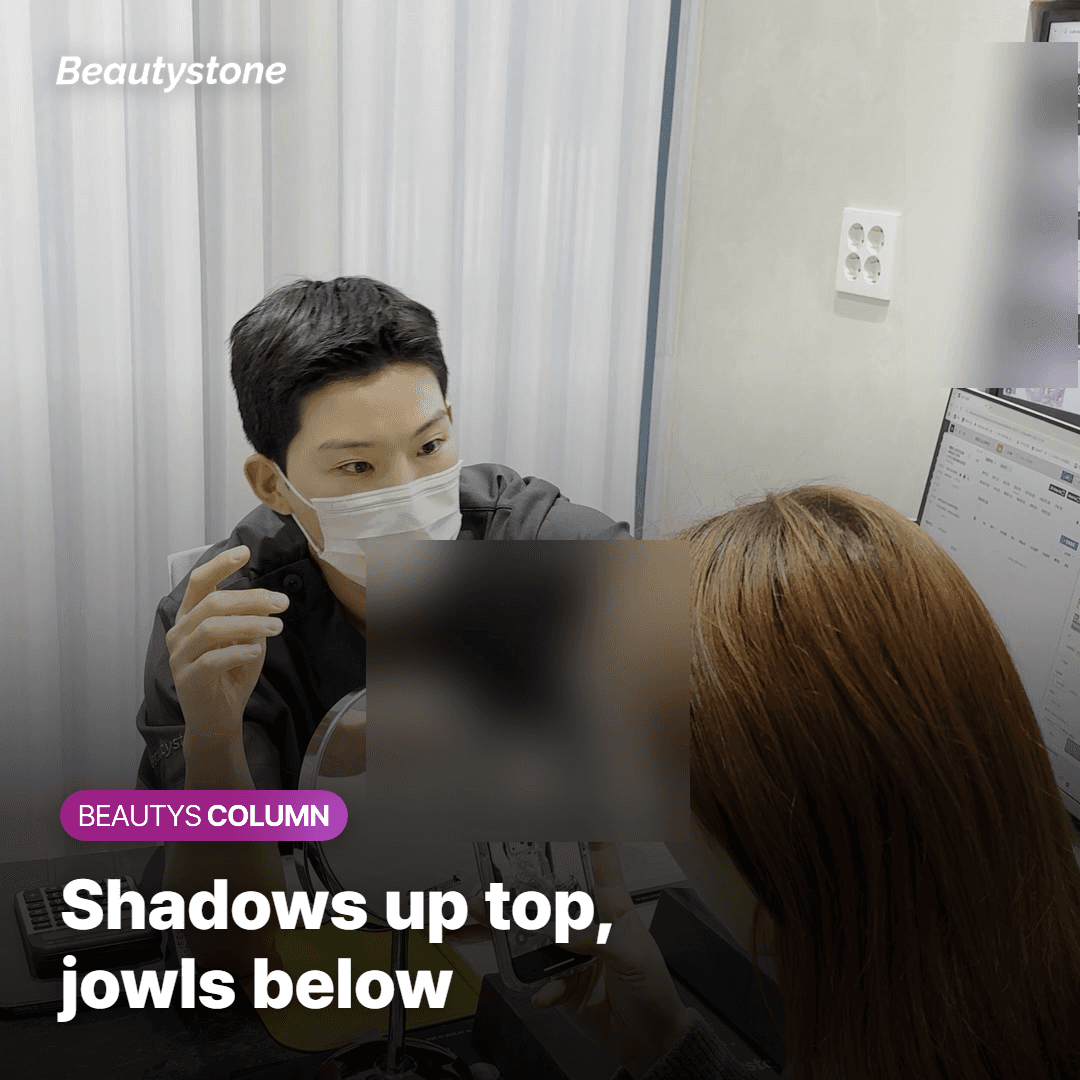
Why Look at Your Temples Along With Your Cheeks?
The temples and the cheeks frame the same part of your face, so a hollow at one changes how the other looks. Temple hollowing can give the face a more skeletal look at eye level and add to an older appearance, even when the cheeks below have kept some of their volume.
That's why I look at the temples, cheeks and jawline together, along with the balance of your whole face and any difference between your left and right sides, before deciding where volume should go. Treating the most visible spot first isn't always the right order.
Temple hollowing can be treated. In a trial with one hyaluronic acid (HA) filler, 80.4% of treated people improved by at least one grade on a temple hollowing scale at 3 months, compared with 13.5% of an untreated group. The effect lasted more than a year in that study. That was a single product, and individual results vary.
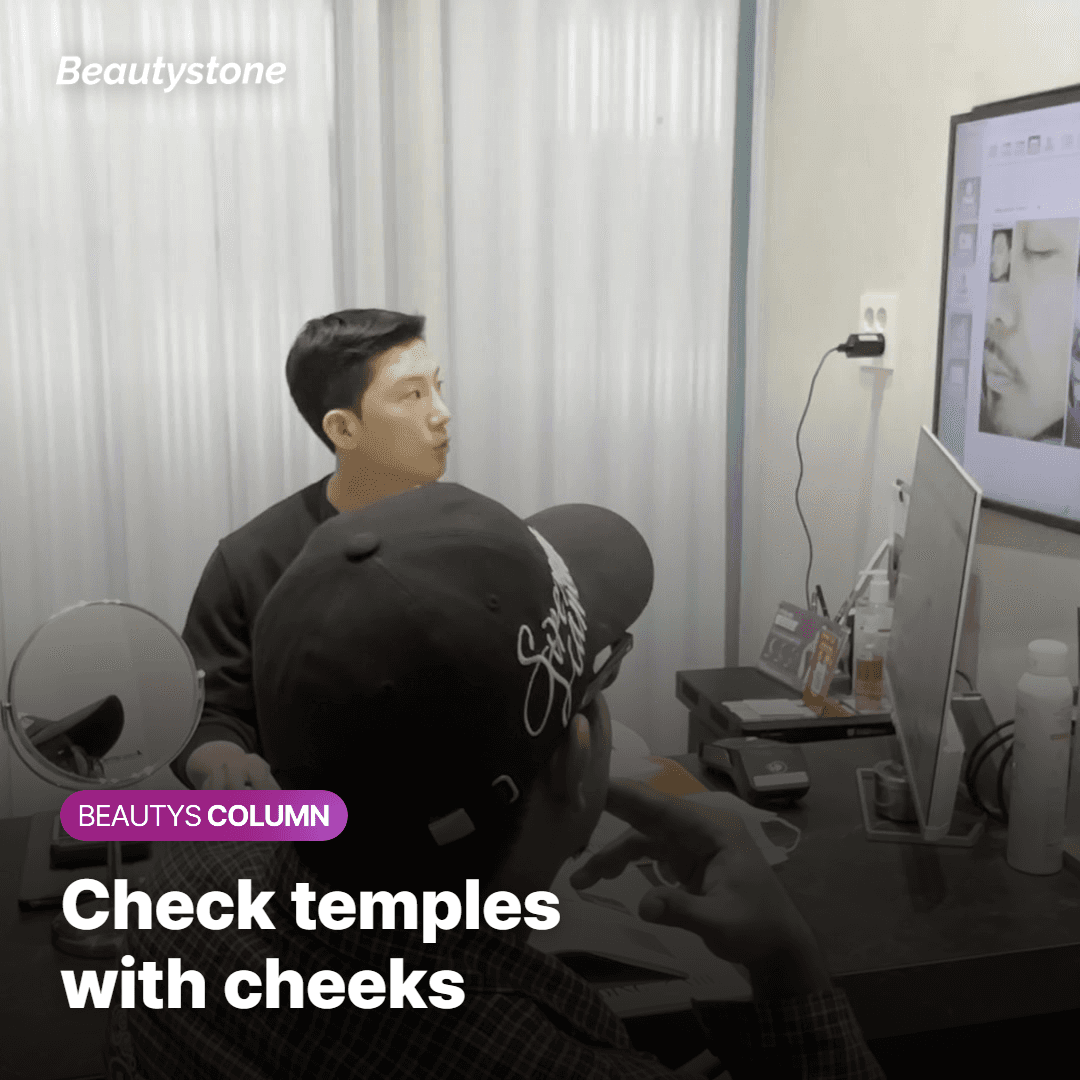
Does Cheek Filler Lift Sagging Skin Too?
Only to a point. Cheek filler restores volume where it's been lost, which can soften shadows and make the midface look fuller. In a study of 235 people with age-related loss of cheek volume, 92.8% rated their cheek volume improved at 6 months and 79.0% at 2 years. The same study found 67.8% felt they'd reached their treatment goal at 6 months, so not everyone got what they hoped for.
What that study measured was volume and satisfaction, not how far loose skin was lifted. If skin laxity is the main issue, a different kind of treatment is usually discussed. Ultrasound and radiofrequency devices heat the deeper layers to prompt collagen, and most people see modest lifting and tightening within 2 to 6 months after ultrasound. When there's a lot of sagging skin, these treatments may not help much, and surgery becomes part of the conversation*.
*Based on American Academy of Dermatology guidance for patients.
If you have both, the plan often combines approaches. The order depends on which change is bigger in your face.

Cheek Filler Side Effects: Which Signs Need Care Right Away?
Tenderness, swelling, firmness and small lumps at the injection points are common after cheek filler. In the 235-person study, most were mild to moderate and lasted 2 weeks or less. Bruising can also appear and usually settles within days to weeks.
Filler entering a blood vessel is rare but serious. Seek medical care immediately if you notice any of these during treatment or afterward*:
Skin near the injection site turning white (blanching)
Unusual pain
A change in your vision
Signs of a stroke: sudden difficulty speaking, numbness or weakness in your face, arms or legs, difficulty walking, face drooping, severe headache, dizziness or confusion
If your skin changes color or the pain feels unusual, see a doctor right away. If your vision changes or you notice any sign of a stroke, go to the nearest emergency room. Messaging the clinic doesn't replace that care.
*Based on US FDA guidance on dermal fillers.
It's better to hold off on filler if the skin in the area is inflamed or infected, you have a bleeding disorder, or you have severe allergies or a history of anaphylaxis.

Is Your Face Closer to Volume Loss or Sagging?
A mirror and two photos give you a rough read, though it's not a diagnosis. Take a front photo and a side photo in daylight, with the camera at eye level and a few steps away, then compare them with a photo of yourself from about 10 years ago.
Leans toward volume loss: the temples or the front of the cheek look flatter, and new shadows appear while your jawline is still fairly clean
Leans toward sagging: the jawline has softened into jowls, and the lower face looks heavier than before
Both: flat spots up top and heaviness below, which is common
Your weight history matters, too. If your face thinned after losing weight, the change may be mostly volume. If the main change is at the jawline and neck, laxity may be the bigger factor. At a consultation, I check the layers by feel and from several angles to confirm which one is driving what you see.
Fitting Cheek Treatment Into a Trip to Seoul
Unless you've had sedation that day, there's no need to postpone your flight because of cheek filler. Plan photos around swelling and bruising at the injection points, which may take a few days or longer to settle.
Filler changes your shape the same day, so you'll see the new contour before you leave. Most treatments for loose skin work more gradually and bring your face closer to how it used to look over the following months rather than all at once. If you're treating both hollowing and sagging, one trip may cover only the first step.
Once you're home, you can send photos through the consultation button on this page if you have questions about how things are settling. If you notice skin turning white, a change in vision or unusual pain, see a local doctor or go to an emergency room first rather than waiting for a reply.
The Bottom Line: Name the Layer Before the Treatment
The key variable is the layer: lost fat or bone underneath, or skin and tissue that have moved lower. Before you decide, ask: "Is my main change volume loss, sagging or both, and which would you treat first?" That answer tells you whether filler, a tightening treatment or a combination makes sense.
Like any procedure, each option comes with trade-offs, and the choice depends on your face, your goals and your timeline. Beautystone is a clinic in Seoul's Hapjeong area. When you reach out, include a front photo and a side photo taken from a distance, an older photo of yourself if you have one, any filler or lifting treatments you've had and your dates in Seoul.
Sources
How facial fat is divided into separate compartments (Plast Reconstr Surg, 2007)
Which parts of the facial skeleton recede with age (Aesthetic Plast Surg, 2012)
Cheek volume and satisfaction 2 years after cheek filler in 235 people (Aesthet Surg J, 2015)
Temple filler vs. no treatment for temple hollowing (Plast Reconstr Surg, 2025)
Nonsurgical ways to treat sagging skin and their limits (American Academy of Dermatology)
Filler side effects and warning signs of a blocked vessel (US FDA)


Contouring & Volume
Hollow Cheeks or Sagging Skin: Which Is It?

Contouring & Volume
Forehead Filler: Why Brows and Hairline Matter

Contouring & Volume
관자 필러, 관자만 꺼졌는데 왜 광대가 도드라져 보일까요?

Contouring & Volume
Filler Consultation: Can You Copy a Photo?

Lifting
Ultherapy vs. Thermage Side Effects Compared

Contouring & Volume
Nostril Flaring: Botox or Alar Reduction?