

Forehead filler is planned from hairline to brows, and the area 2 cm above the eye socket is handled differently because of the vessels. Here's what to expect.
Published
Updated

Author
Wi Young-jin · Chief director
Seoul National University College of Medicine · Seoul National University Hospital Specialist
→
Forehead filler is planned from the hairline down to the brows, because the forehead reads as one curve in profile and a dip anywhere along it breaks that line. The area just above the brows and the space between them (the glabella) are handled differently from the upper forehead, since the blood vessels there run closer to the surface. That's why the hairline and brows are part of the plan even when your concern is a single dent.
Where your hollow sits changes both the amount and the approach. In this article, we'll cover how far forehead filler usually reaches, why each zone is treated on its own terms, what filler can and can't do for your brows, which warning signs need care and what to decide before you book.
Quick summary
Forehead filler is planned along the whole curve from hairline to brows, with the brow area and glabella handled separately.
Vessel depth: two main forehead arteries move from a deeper layer to a shallower one about 2 cm above the eye socket rim.
In a 10-person forehead study, improvement scores were highest right after treatment and lower at 6 and 12 months.
Vision loss after filler is rare, but the forehead was one of the sites in 18.8% of 48 reported cases.
How Much of the Forehead Does Forehead Filler Cover?
Forehead filler usually covers more than the spot you point at. Forehead hollows come in different patterns: a groove running low across the forehead, a dip in the center, two triangular hollows at the sides, or a mix. Each pattern needs filler spread over a different area to look smooth.
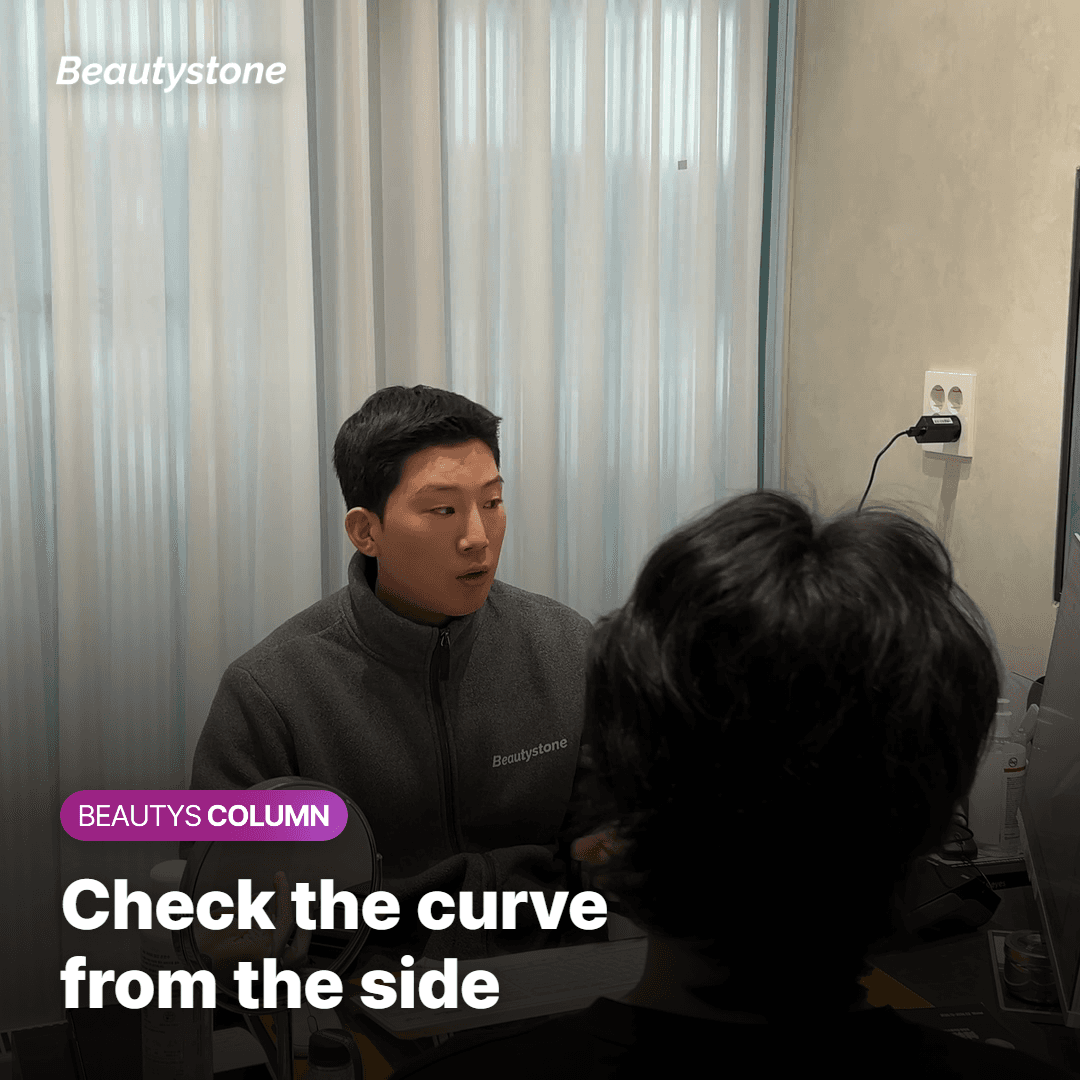
I look at your forehead from the side first, from the hairline down to the brows, because that's where a flat or uneven forehead shows most. Then I check how it sits with your temples, brows and the line of your nose, along with the balance of your whole face and any left and right difference.
The hairline matters for a practical reason, too. Filler is often placed through a few entry points near the hairline, which keeps the marks out of the center of the forehead and lets the product be fanned across the area underneath.
Why Treat the Upper Forehead, Brow Area and Glabella Separately?
The forehead isn't a single block of tissue. Its fat is divided into separate central, middle and side sections, bounded by thin walls of connective tissue, so filler doesn't spread evenly from one zone to the next. Each section is filled on its own to keep the surface smooth.
The lower part of the forehead needs extra care because of the blood vessels. The supraorbital and supratrochlear arteries, which supply the forehead, rise from a deeper layer to a shallower one at an average of about 2 cm above the eye socket rim. The safe depth for filler changes along with them.
The glabella, between the brows, is one of the higher-risk sites for filler. In a review of 98 cases of vision changes after filler, it accounted for 38.8% of cases, more than any other site. That's why a frown-line groove is often discussed separately from the forehead curve, and Botox for the muscle may come up as an alternative.

Can Forehead Filler Lift Your Brows or Open Your Eyes?
Don't count on it. Forehead filler is meant to shape the curve of the forehead, and the studies on it measure overall improvement rather than how high the brows sit or how open the eyes look. In a study of 10 women treated with a firm hyaluronic acid (HA) filler, average improvement scores were 3.0 right after treatment, 2.5 at 6 months and 1.8 at 12 months. That small study had no untreated group, and individual results vary.
Brow position is set mostly by the forehead muscle and by the skin and tissue around the eyes. If heavy brows or hooded eyelids are your main concern, the conversation is about the muscle or the eyelid rather than forehead volume. A rounder forehead can change how the upper face looks in profile, though, so mention it if you're hoping for a brighter look around the eyes.

Forehead Filler Side Effects: Which Signs Need Care Right Away?
Mild tenderness and swelling at the injection points are common. In the 10-person study, 1 in 10 had mild tenderness and 3 in 10 had temporary swelling, and no vessel problems were seen. Swelling and bruising from filler in general appear soon after injection, and many resolve within a few days to weeks.
Vision loss after filler is rare, and in a review of 48 reported cases of partial or complete vision loss, the forehead was one of the injection sites in 18.8%. Get medical care right away if you notice any of these during treatment or afterward*:
Skin near the injection site turning white (blanching)
Unusual pain
A change in your vision
Signs of a stroke: sudden difficulty speaking, numbness or weakness in your face, arms or legs, difficulty walking, face drooping, severe headache, dizziness or confusion
If your skin changes color or you feel unusual pain, see a doctor right away. If your vision changes or you notice any sign of a stroke, go to the nearest emergency room. A message to the clinic doesn't replace that care.
*Based on US FDA guidance on dermal fillers.
It's better to hold off on filler in these cases:
The skin on your forehead is inflamed or infected
You have a bleeding disorder
You have severe allergies or a history of anaphylaxis, or allergies to collagen, eggs, animal products, lidocaine or bacteria-derived materials

What Should You Decide Before a Forehead Filler Consultation?
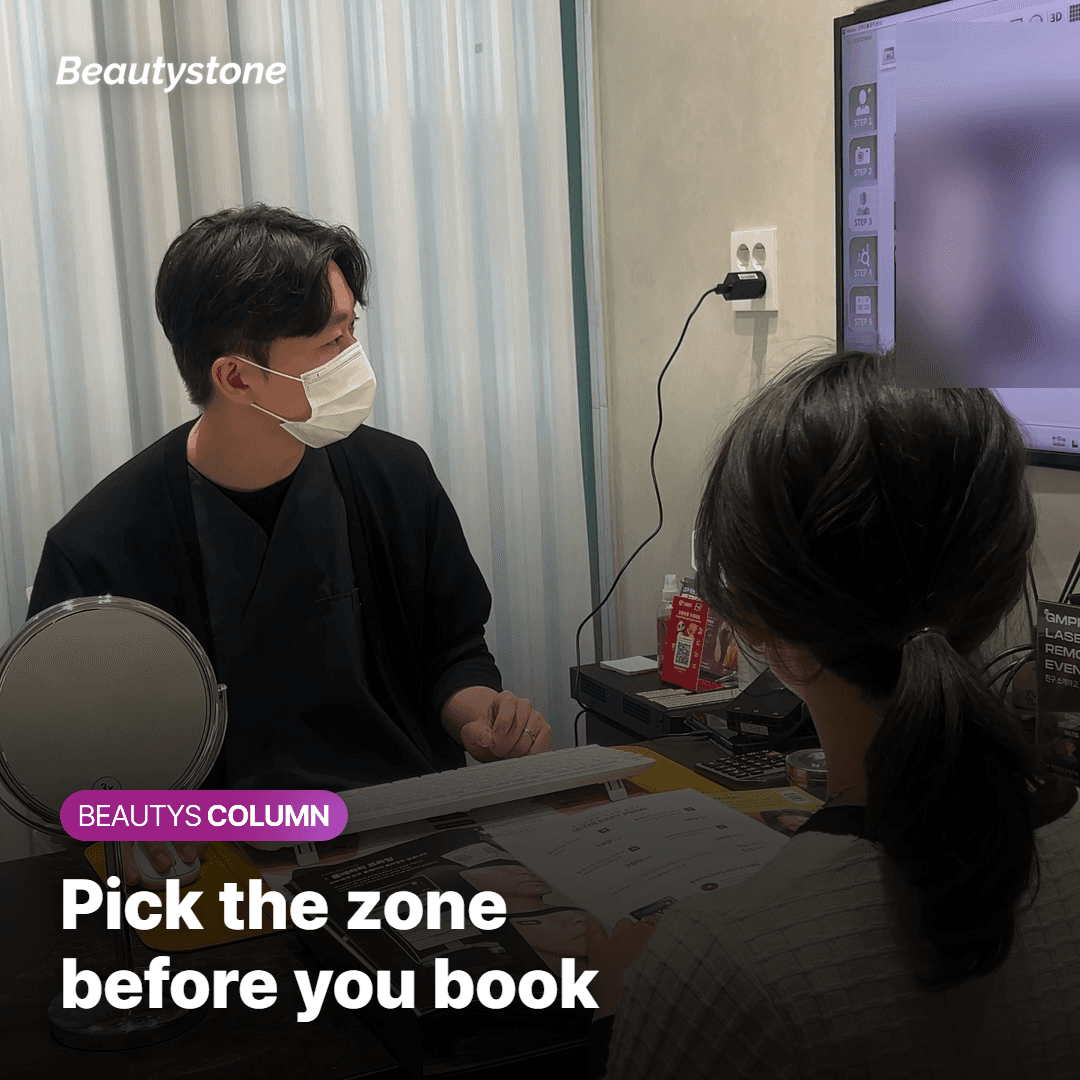
Decide which part of the curve bothers you most before you come in. A forehead that's flat across its whole width, a dip just above the brows and a groove between the brows lead to three different plans.
The zone: upper forehead, above the brows, between the brows or all of it
How round you want it: a smooth, gentle curve or a fuller, more rounded profile
Whether you'd rather start with a smaller amount and decide on more after the swelling settles
Any forehead treatments you've had before, such as filler, threads or Botox, and when
A side photo of your forehead in daylight, taken from a few steps away, helps you see the curve the way I'll be looking at it. If your hairline has changed over the years, mention that too, because it changes where the forehead visually ends.
Fitting Forehead Filler Into a Trip to Seoul
Unless you've had sedation that day, there's no need to postpone your flight because of forehead filler. Plan photos around the swelling and bruising at the entry points, which may take a few days or longer to settle.
Filler is one of the treatments that changes your shape the same day, so you'll see the new outline before you leave. Most other treatments work more gradually and bring your face closer to how it used to look rather than changing it all at once. If you'd like to go step by step, leave room in your dates to decide on more after the swelling settles.
Once you're home, you can send photos through the consultation button on this page if you have questions about how your forehead is settling. If you notice skin turning white, a change in vision or unusual pain, see a local doctor or go to an emergency room first rather than waiting for a reply.
The Bottom Line: Plan the Curve From Hairline to Brow
The variable that decides a forehead filler plan is the zone: upper forehead, the area just above the brows or the glabella, each at its own depth. Before you decide, ask: "Which zones would you fill for my forehead, and how would the curve look from the side?" That answer makes it clear whether one area or the full curve from hairline to brow is being treated.
If you're considering forehead filler, a consultation is where you can find out which zones and how much suit your face. Beautystone is a clinic in Seoul's Hapjeong area. When you reach out, include a front photo and a side photo of your forehead, any forehead treatments you've had before and your dates in Seoul.
Sources
How the fat of the face and forehead is divided into compartments (Plast Reconstr Surg, 2007)
Where on the face 98 cases of vision changes from filler occurred (Dermatol Surg, 2015)
Where and how vision loss happened in 48 newer filler cases (Aesthet Surg J, 2019)
Filler side effects, warning signs of a blocked vessel and who should wait (US FDA)


Contouring & Volume
Hollow Cheeks or Sagging Skin: Which Is It?

Contouring & Volume
Forehead Filler: Why Brows and Hairline Matter

Contouring & Volume
관자 필러, 관자만 꺼졌는데 왜 광대가 도드라져 보일까요?

Contouring & Volume
Filler Consultation: Can You Copy a Photo?

Lifting
Ultherapy vs. Thermage Side Effects Compared

Contouring & Volume
Nostril Flaring: Botox or Alar Reduction?