

How to Choose a Hongdae Dermatology Clinic: 5 Questions
Choosing a dermatologist in Hongdae? Judge the first consultation: cause before procedure, who performs it, side effects, equipment, and a plan for next time.
Published
Updated

Author
Wi Young-jin · Chief director
Seoul National University College of Medicine · Seoul National University Hospital Specialist
→
How do you pick a dermatology clinic in Hongdae when every option seems to offer the same treatments at similar prices? The short answer: judge the clinic by its first consultation, not by the procedure name or the price tag. Ask what is causing your concern, who will actually perform the treatment, and what the side effects and recovery look like. A clinic that answers these clearly, before talking about booking a date, is usually reading your skin, not selling a menu.
That matters because the same laser or injection can turn out very differently. Results depend on whether the clinic identifies your specific skin condition and its underlying cause, then adjusts the settings for you. Comparing star ratings and event prices on a map app tells you none of that. The American Academy of Dermatology also advises patients to hear about the indications, risks, expected results, and alternatives before agreeing to a cosmetic procedure. So it pays to walk in with a short list of questions. Here are the five worth checking, in the order you will meet them.
Do They Explain the Cause Before Naming a Procedure?
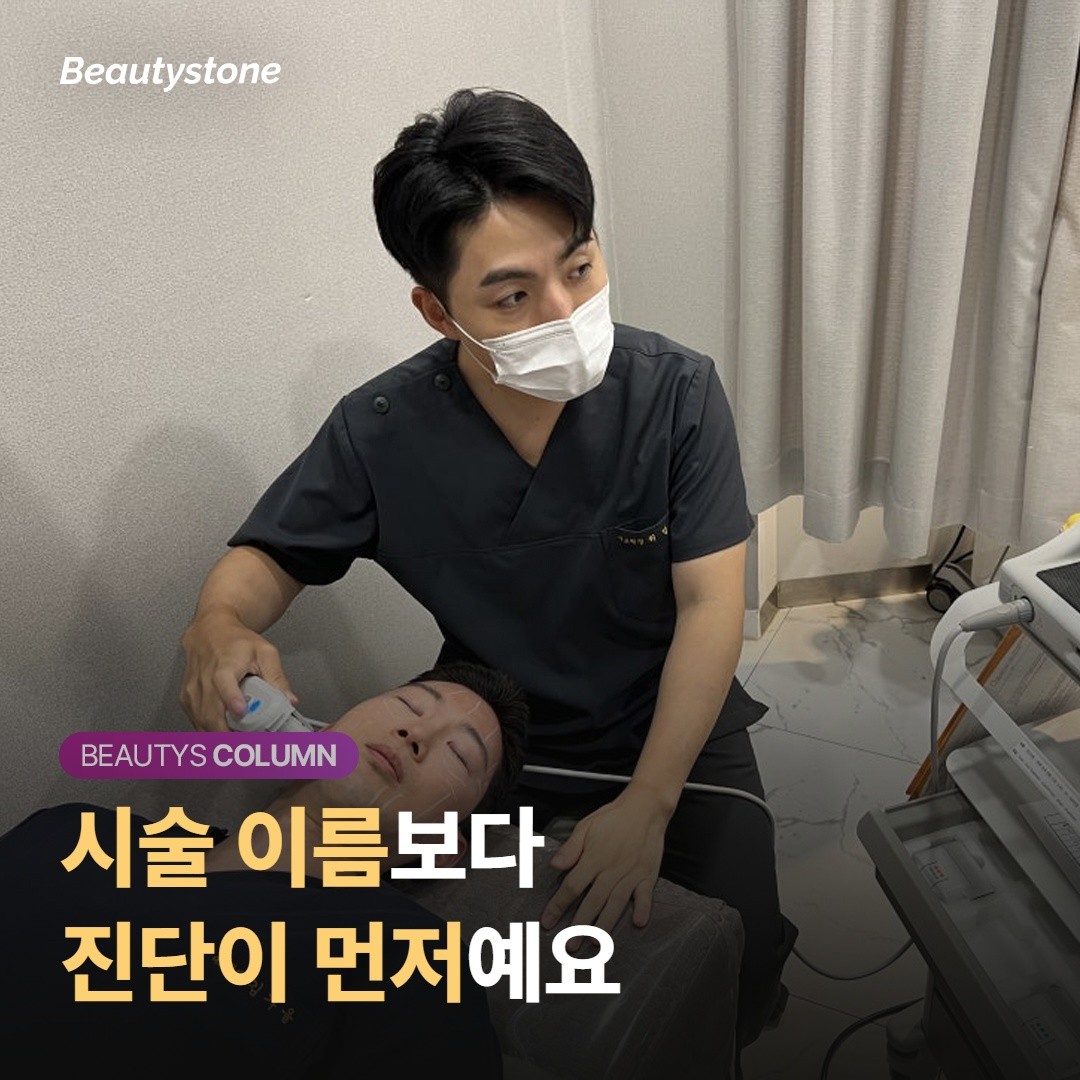
A good consultation does not open with "you should get this." It starts by working out why your skin looks the way it does right now. Two cases of redness can look alike, yet the treatment is completely different depending on whether the cause is pigment-type* or vascular-type*. Dark circles work the same way. The cause may be pigment, visible blood vessels, or volume loss, and each one points to a different solution.
* Pigment-type: Melanin pigment clusters together and makes the skin look darker. It is typically treated with toning and pigment lasers.
* Vascular-type: Blood vessels show through thin skin and look red or bluish. This calls for vascular lasers or treatments that support skin thickness, a completely different approach from pigment-type care.
So listen for two sentences. First, what is causing what you see. Second, why this particular procedure fits that cause. If the second sentence is missing and the talk jumps to "this one is really popular right now," ask about the cause again. Clinics that read your skin first tend to produce more stable results. Skip the root cause, and you can easily spend time and money on treatments that were never aimed at the real problem. It is fine to hold off on deciding until you get that answer.
Do They Bring Up Side Effects and Recovery Before the Booking?
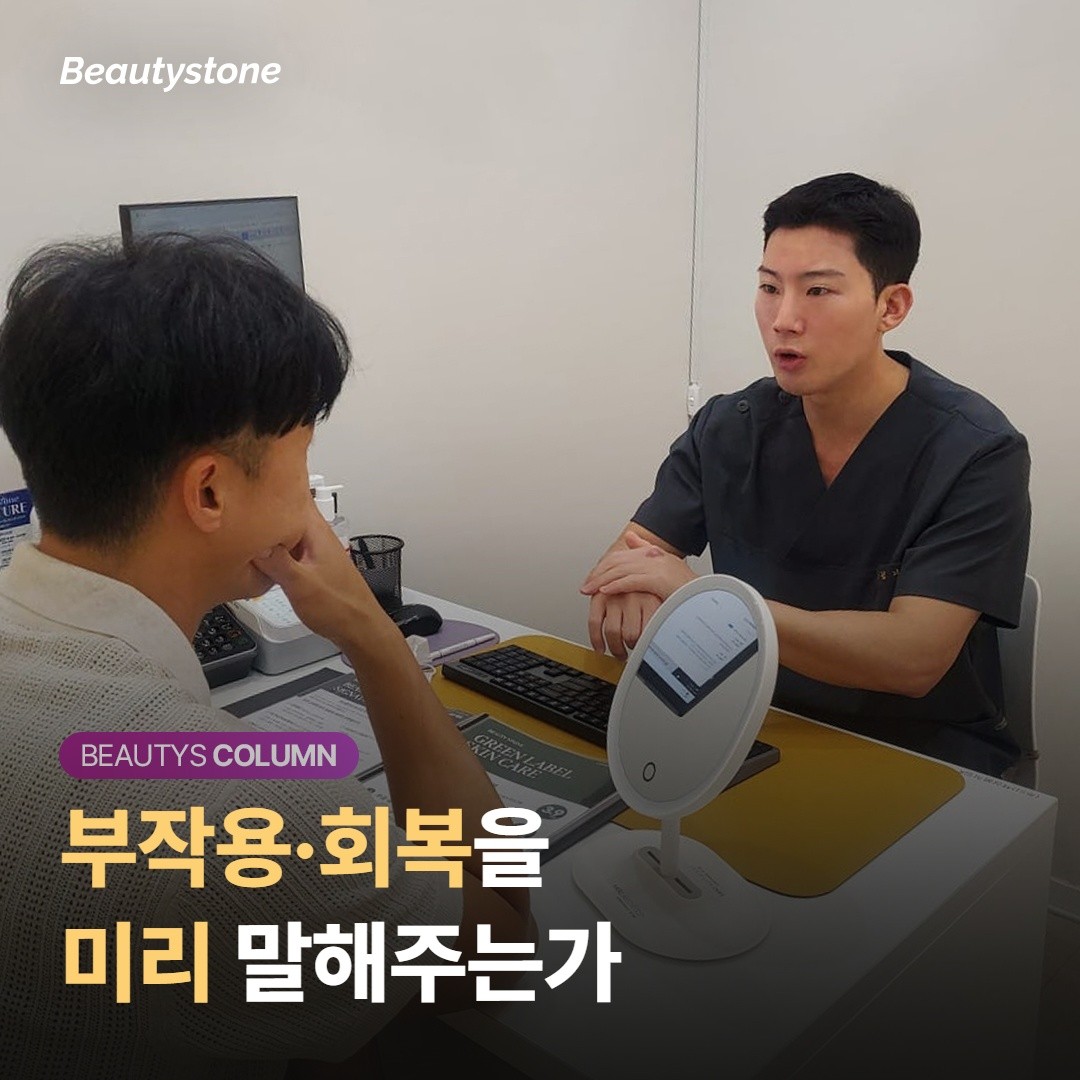
Every skin procedure carries some downtime and some risk. Bruising, swelling, redness, and pigment changes vary from one treatment to the next, so a clinic should explain them honestly before you commit. A good sign is hearing about recovery before anyone mentions a procedure date. It also helps to ask when you can get back to work or exercise.
Be cautious when a consultation covers only the benefits and brushes past the side effects. A clinic that says, "This reaction may last a few days, and here is how to care for it," helps you avoid surprises afterward. This explanation matters even more if you have sensitive skin or tend to develop pigmentation easily.
The questions should go both ways, too. The precautions for the same procedure can change with your skin type, the medications you take, and your past treatments and when you had them. A clinic that asks about these first is paying attention. If a place moves straight to payment or tries to lock in a date without asking anything, it is fine to pause and reconsider.
Do They Own the Equipment, and Can They Explain It?
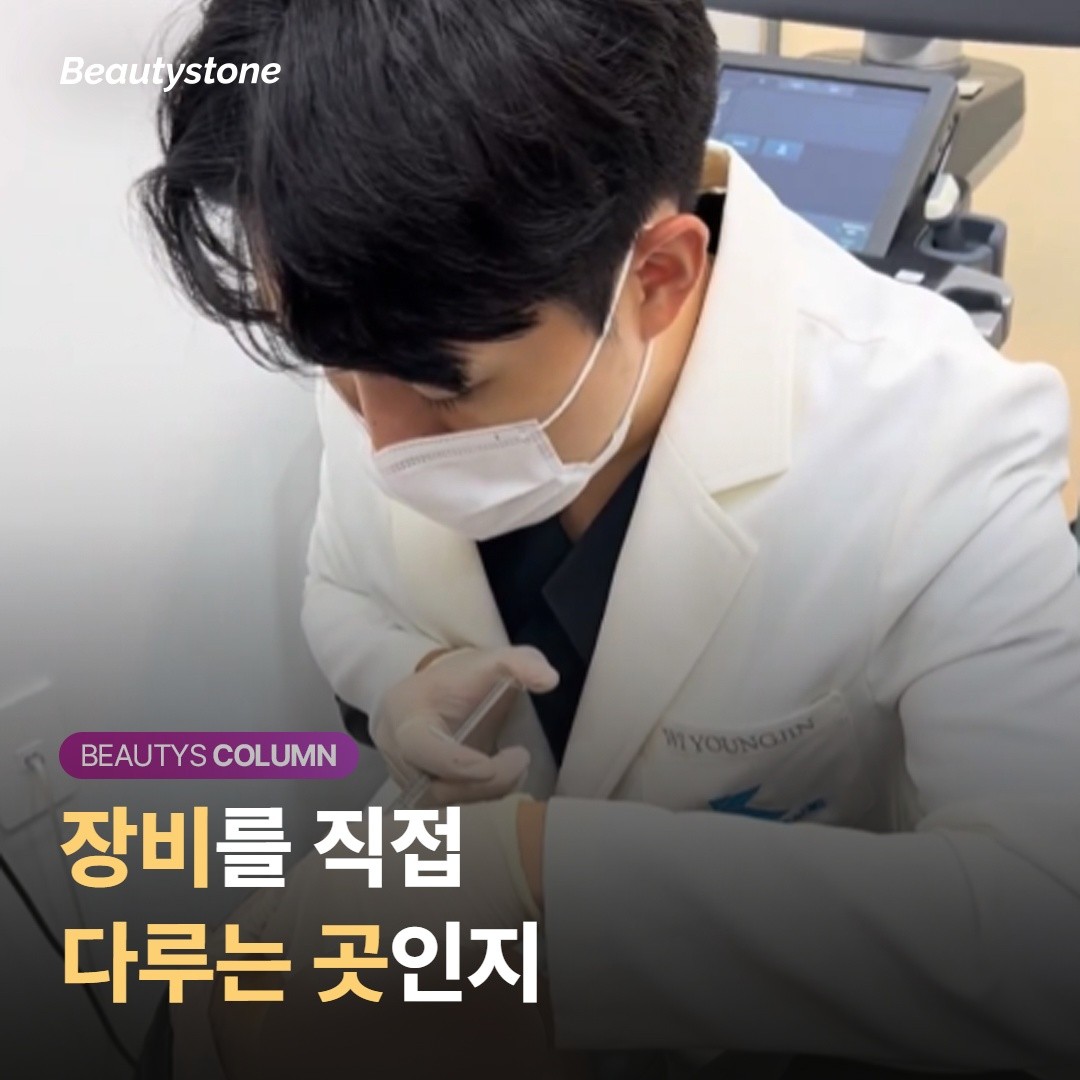
Procedures with the same name can produce different outcomes depending on the equipment and how it is set. It helps to check whether the clinic owns the device and uses it often, or only runs it once in a while.
Checklist | Why It Matters |
|---|---|
Diagnostic Explanation | To determine if the procedure is tailored to the root cause |
Side Effects & Recovery Guide | To minimize post-procedure anxiety and skin-care failures |
Equipment Ownership & Expertise | Because the same procedure can yield different results based on settings |
You do not need to memorize device names. Just ask which equipment will be used for your treatment. If they tell you right away and explain why it suits your concern, that shows how familiar they are with the procedure.
Who Will Actually Perform the Procedure?
You can ask this directly: "Will the doctor I am seeing today also perform the procedure?" The American Academy of Dermatology notes that results depend heavily on the skill and experience of the person doing the treatment. It suggests asking how many times they have performed it and how often they treat patients with a skin tone and age range like yours.
Pay attention to how they answer, not just what they say. If the person who consults with you is not the one who treats you, follow up with one more question: on the day of the procedure, who will look at your face again and decide the settings? At Beautystone, the director handles both the consultation and the procedure. Whichever clinic you visit, a clear answer without hesitation is the first thing to look for.
Do They Set Priorities and Keep a Record for Next Time?
Trying to change everything at once with several procedures rarely works out well. It is better to decide first what bothers you most. When we look at a face, we start with the overall balance and contour created by raised features and hollow areas. Consultations that help you decide what to address first consistently lead to higher satisfaction.
If you worry about being pushed into treatments you do not need, look at the order of the suggestions, not just how many there are. Starting with the one or two concerns that bother you most, then adding more once you see results, keeps recovery and aftercare much easier to manage. It also means you do not have to spend a lot all at once. With too many procedures at the same time, it gets hard to tell which one caused redness or swelling if side effects overlap.
The other sign is whether the clinic plans beyond today. Ask, "Will you keep a record of my treatments and help plan the next step?" The answer shows whether the clinic sees you once or follows your skin over the coming months. Beautystone keeps a treatment history for each patient and uses that record to plan the next procedure.
Put these five questions in your phone notes and jot down the answers on the spot. If you visit more than one clinic, compare the answers side by side. Beautystone is located at Mecenatpolis, 45 Yanghwa-ro, Mapo-gu, Seoul, and is open until 8:30 p.m. on weekdays. Whether you choose a clinic in Hongdae or anywhere else, the real standard is how accurately they read your skin and how honestly they explain it. Prices come after that, and the most reliable way to learn what fits you is an in-person consultation.
Frequently Asked Questions
Q. How do I choose a good dermatologist in Hongdae?
Use the first consultation as your test. Check whether they explain the cause of your concern before naming a procedure, tell you who will perform it, and walk you through side effects and recovery before booking. Compare procedures and prices only after that.
Q. Should I avoid clinics where the procedure prices are very cheap?
It is hard to judge a clinic by price alone. But when price becomes your top priority, it is easy to overlook more important criteria like diagnosis, explanations, and equipment. Compare prices last.
Q. What questions should I ask during my consultation?
Try these: "What is causing my current skin condition?", "Why is this procedure suitable for me?", "Who will perform it?", "What are the side effects, and what is recovery like?", and "What equipment will be used?" The answers give you a clear picture of the clinic's level of care and expertise.
Q. Is it okay to get consultations at multiple clinics?
Yes. If you are considering treatments that need multiple sessions or a significant cost, comparing two or three consultations is highly recommended. Seeing how different clinics explain the same skin condition can make the decision much clearer.
Q. Is it better to book a package of multiple sessions all at once?
A package may offer a lower price, but committing to a long plan before you see how your skin reacts makes it hard to adjust if it does not suit you. It is safer to start with a shorter course, check the results, and then continue.




Contouring & Volume
Male Nose Filler Side Effects: 4 Urgent Signs

skin
Boxcar Scars: Are 3-4 Laser Sessions Enough?

skin
Potenza N Tip vs. I Tip: Acne or Acne Scars?

skin
PDRN Injection Effects: Wrinkles or Scars?

Lifting
Ultherapy Swelling: How Long, When to Call?

Hair Removal
Beard Shadow Laser Removal: How Many Sessions?