

An ASDS consensus separates ablative from non-ablative: one group waits about 6 months, the other may not. Which side your treatment sits on decides it.
Published -
Updated -

Author
Wi Young-jin · Chief director
Seoul National University College of Medicine · Seoul National University Hospital Specialist
→
If you've been taking isotretinoin for your acne, you'll probably start noticing your skin calming down and feel tempted to finally start on the scar or pore treatments you've put on hold. However, when you hear advice like "do not undergo any procedures for 6 months after stopping the medication," it is completely normal to feel confused about whether you really have to wait that long.
To give you a quick answer: no, you don't necessarily have to postpone every single procedure for 6 months. Depending on the type of treatment, some are recommended to be delayed with extra caution, while others can be safely considered relatively early on. The key is not to think "nothing is allowed," but rather to understand the medical reasoning behind why certain treatments require caution, and then tailor your personal treatment plan during your consultation.
This content is a helpful guide compiled by Hapjeong Beautystone.
In this article, you will learn:
What changes isotretinoin causes in your skin and sebaceous glands
Which procedures are highly recommended to be postponed during and immediately after taking the medication
On the flip side, which procedures can be safely discussed and planned relatively early on
What things you should check first before planning any clinical procedures
How exactly does isotretinoin change your skin?
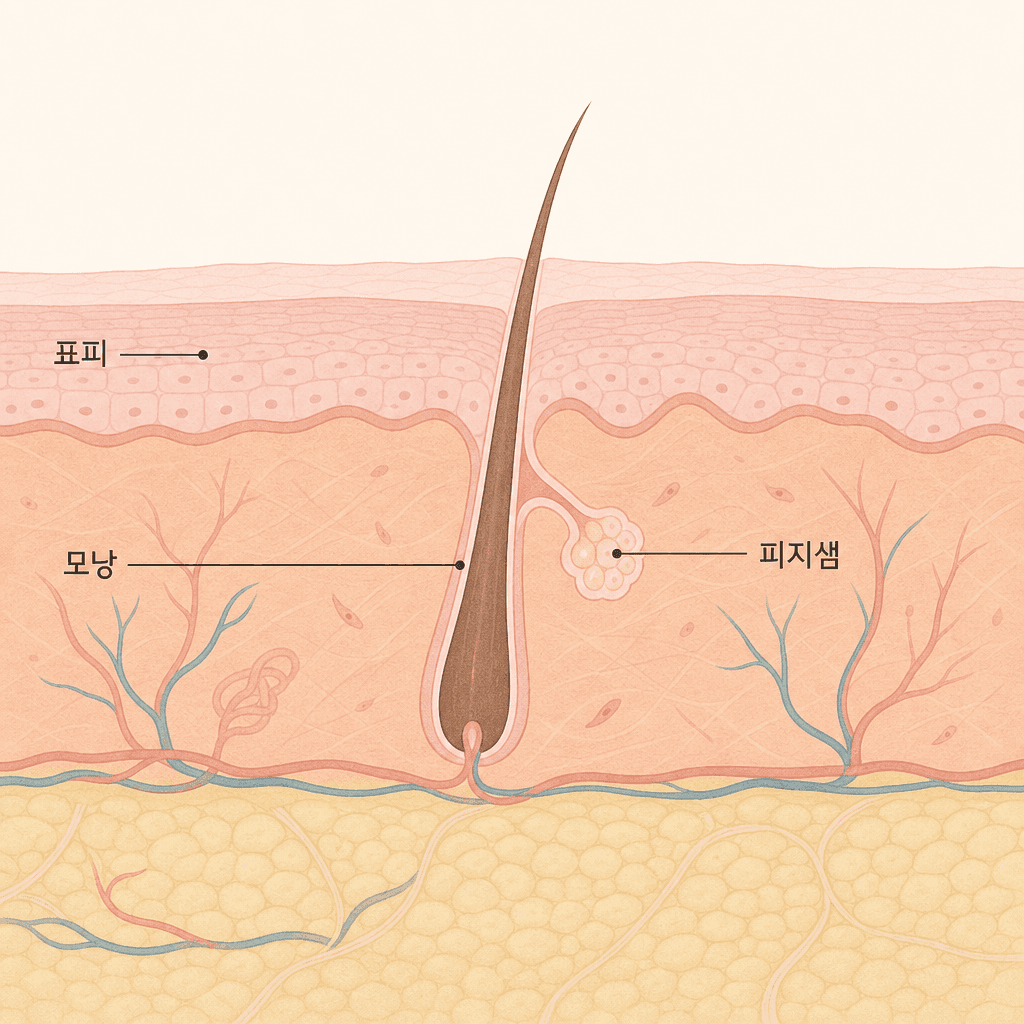
Isotretinoin is an oral medication that calms acne from the inside by significantly reducing the activity of the sebaceous glands. During this process, as sebum production drops, it's very common to experience dry lips, dry skin, and a feeling that your skin has become thinner and more sensitive than usual. In fact, dermatological resources on isotretinoin list dry lips and xerosis (dry skin) as highly common reactions.
*Sebaceous glands: Glands inside the skin that produce and secrete oil (sebum). When overactive, they are closely linked to acne breakouts.
*Isotretinoin: An oral retinoid (vitamin A derivative) used to treat severe acne. Because it powerfully suppresses sebum production, it is highly effective but strictly contraindicated during pregnancy.
When your skin is dry and sensitized like this, its natural healing process may differ from its normal state. That is why, when selecting a skin treatment, it is incredibly important to evaluate "how much healing capacity my skin currently has."
Which procedures should you postpone during or right after taking the medication?
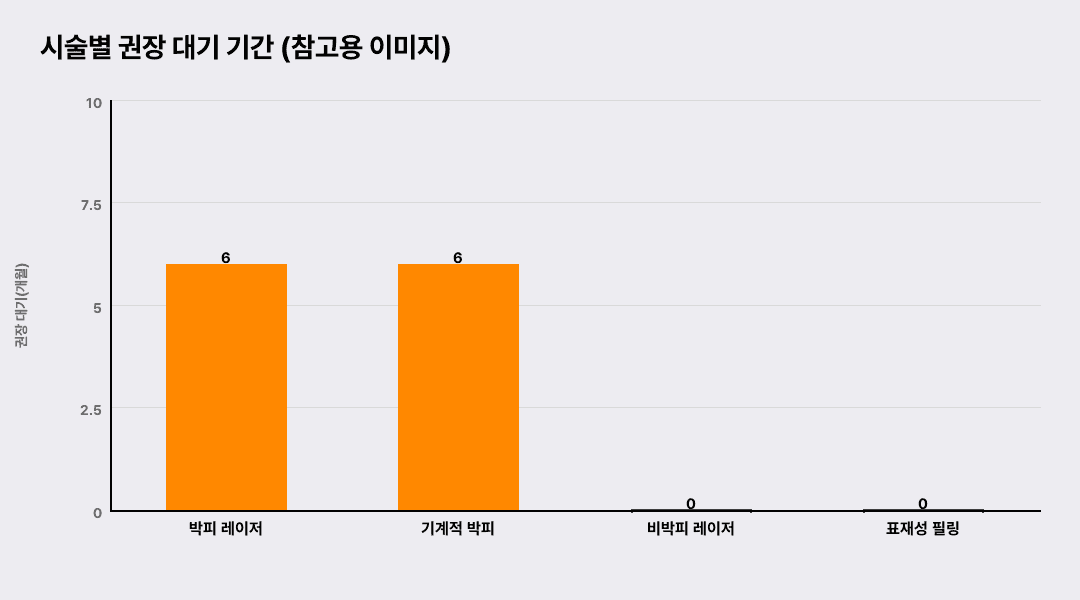
The treatments that require the most cautious postponement are those that deeply ablate or resurface the skin. Deep resurfacing treatments, such as mechanical dermabrasion or ablative lasers that strip away the skin surface, are generally recommended to be avoided during treatment and for about 6 months after stopping. The dermatology resources mentioned above also advise against dermabrasion and ablative lasers during this period. On the other hand, a consensus recommendation by the American Society for Dermatologic Surgery (ASDS) concluded that there is insufficient evidence to delay superficial chemical peels and non-ablative lasers.
In other words, even for "lasers," the medical decision varies greatly depending on whether the method is ablative or non-ablative. Without drawing this distinction, if you generalize and think "I can't receive any treatment because I took the medication," you might end up unnecessarily putting off mild skin cares that you could have enjoyed much sooner.

On the other hand, which procedures can be considered relatively early?
Treatments that do not deeply damage the skin surface can be safely discussed and evaluated with your doctor relatively early on. Superficial chemical peels and non-ablative lasers generally fall into this category. However, "can be considered" does not mean "you can get it immediately right now." The safest approach is always to evaluate the dryness and healing rate of your skin first, and then approach the treatments with adjusted, milder settings.
Classification | 6-Month Delay Recommended | Can Be Considered Relatively Early |
|---|---|---|
Laser | Ablative lasers, CO2 resurfacing | Non-ablative lasers |
Peeling & Exfoliation | Mechanical dermabrasion | Superficial chemical peels |
Surgery | Elective cosmetic eye surgery, etc. | — |
Of course, these guidelines are general recommendations. Even for the identical treatment, clinical decisions can change based on your dosage, duration of use, and individual skin condition. If you are planning scar or pore treatments, the most reliable way is to confirm your medication stop-date and current skin condition during an in-person medical consultation.

Why choose Hapjeong Beautystone?
When managing skin treatments for someone with a history of taking isotretinoin, we shouldn't just look at "when they stopped the medication," but carefully assess "how well the skin has recovered." At Hapjeong Beautystone, we thoroughly evaluate your medication history and check for dryness or sensitivity first. We then guide you by distinguishing which treatments should be delayed and which can be safely considered sooner. As a cozy, welcoming clinic located just a short walk from Hapjeong Station, we offer a relaxed space where you can comfortably discuss your entire skin journey, from when to start your scar care to the best sequence of treatments.

What should you check before planning a procedure?
When planning treatments before or after taking isotretinoin, timing and the type of procedure must be considered together. Double-checking a few factors beforehand can help prevent you from waiting unnecessarily long.
Medication Stop-Date — The recommended waiting period for procedures varies depending on exactly when you stopped taking the medication.
Type of Procedure — Remember to differentiate: approach ablative systems with caution, and look into non-ablative or superficial options relatively early.
Dryness & Sensitivity — If you are experiencing severe lip or skin dryness, it is much safer to wait until your skin recovers further.
Pregnancy Plans — Since isotretinoin is strictly contraindicated during pregnancy, managing medication timing and cessation periods is vitally important.
Scar Type — The ideal treatment and start date will vary based on the specific type of scarring you have.
Rather than a blanket waiting period, the key to treating skin with a history of isotretinoin use is assessing the drug termination date and current skin barrier recovery together. To ensure your absolute safety, it is always best to determine which treatments are right for you and when to start through a direct consultation with a qualified medical professional.
Frequently Asked Questions
Q. It has been a month since I stopped the medication. Can I get scar lasers now?
A. If it is a non-ablative laser, it can be considered after a detailed consultation with your doctor. However, ablative lasers or mechanical dermabrasion are typically recommended to be postponed for about 6 months. It is safest to evaluate your current skin dryness and recovery status before determining the best type and timing of treatment.
Q. I heard that "all procedures are prohibited for 6 months if you take acne meds." Is this true?
A. No, this does not apply to all treatments equally. While procedures that deeply resurface the skin should be postponed with caution, medical consensus shows there is no sufficient evidence to delay superficial chemical peels or non-ablative lasers. The key is to separate treatments by category.
Q. Is there any skin care I can receive while still taking the medication?
A. Since your skin is likely dry and sensitized during this period, gentle, hydrating, and soothing skin care treatments are generally recommended over active treatments. If you are considering a procedure, it is best to consult with your doctor to see if the session can be safely performed at a lowered intensity.
Q. Is pregnancy really prohibited while taking isotretinoin?
A. Yes, absolutely. Isotretinoin carries a severe risk of birth defects and is strictly contraindicated during pregnancy. It is critical to strictly manage contraception and pregnancy planning before, during, and after taking the medication, and you must follow the guidance of your prescribing physician.
Further Reading


Hair Removal
레이저 제모 1회에도 남는 몫이 있어요 — 밀도를 모자이크로 보는 법

Tattoo removal
Why Extremity Tattoos Are Slower to Remove

Tattoo removal
Tattoo Removal Cost: Why Quotes Vary by Area

Tattoo removal
Unused Tattoo Removal Sessions: What Happens?

Lifting
Forehead Thread Lifting: How Far Can It Go?

skin
Skin Booster Prices: What to Check in a Quote