

Hollow Temples: Can Juvelook Really Help?
Hollow Temples: Can Juvelook Really Help?
Hollow Temples: Can Juvelook Really Help?
Juvelook Volume has more PDLLA than regular—ideal for wider hollows like temples and forehead.
Published -
Updated -

Author
Wi Young-jin · Chief director
Seoul National University College of Medicine · Seoul National University Hospital Specialist
→

You came because of temple hollowness,
Can Juvelook help?
Let me give you the conclusion first.
Regular Juvelook and Juvelook Volume only sound similar,
but they are products used for different areas.
I'll explain why in this post.

So what exactly is different?
Juvelook Volume uses PDLLA (poly-D,L-lactic acid)
as its main biodegradable ingredient.
It is a collagen booster.
Over time, it stimulates your own collagen production
to gradually fill in sunken areas.
Unlike regular Juvelook, Juvelook Volume
is designed with a higher PDLLA concentration.
So rather than improving skin texture and elasticity,
it is specialized in creating volume.
Key point of this post
Juvelook Volume has a higher
PDLLA concentration than regular Juvelook,
so the volume effect is more noticeable.
It is suitable for natural
volume restoration in broad areas like the temples and forehead.
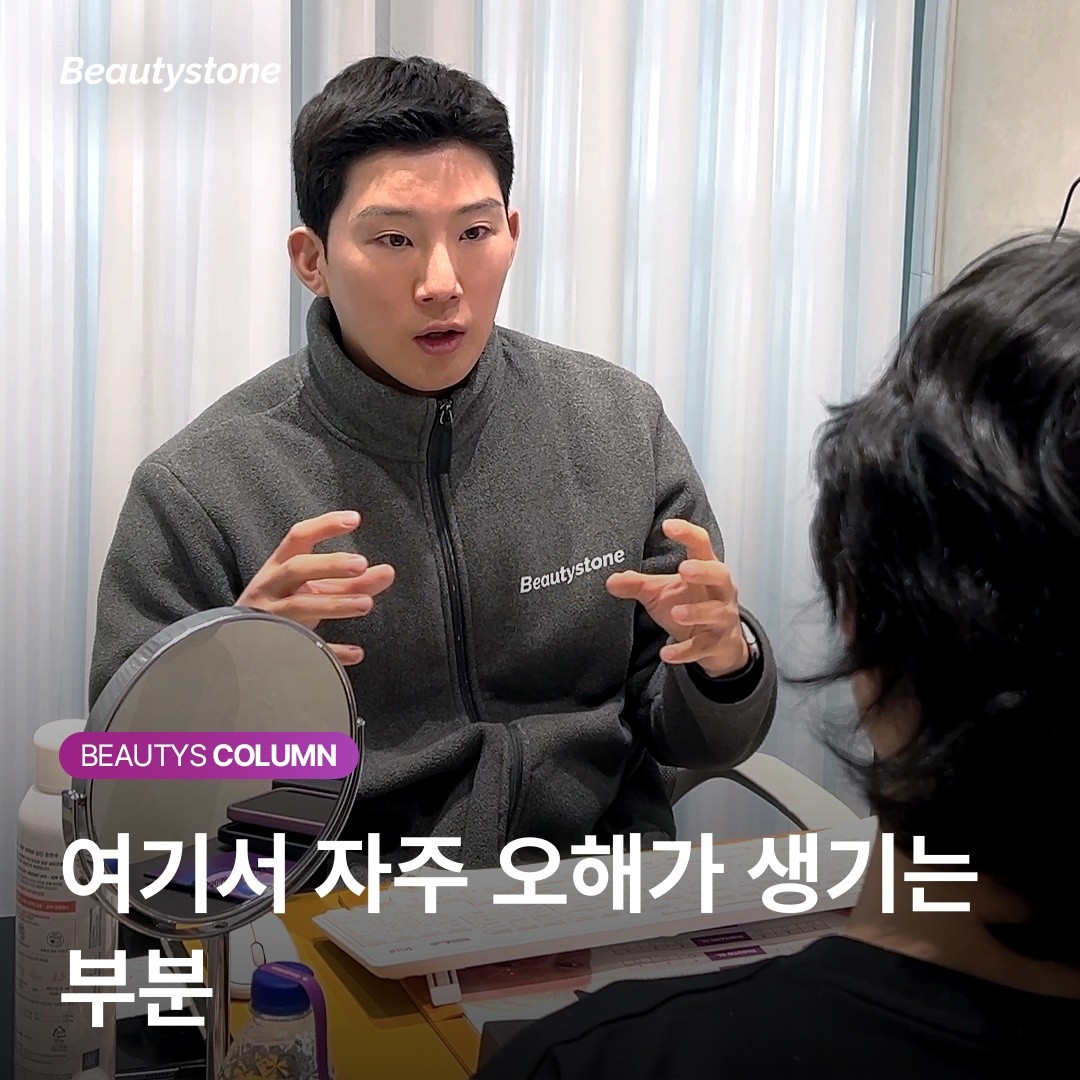
This is a common misunderstanding,
"If I get Juvelook once, won't I get volume
and better skin texture all at once?"
A lot of people ask that.
Regular Juvelook has a relatively low PDLLA concentration,
so it's good for skin texture, fine lines, and mild loss of elasticity,
but for deeply sunken areas like the temples,
it doesn't have enough power to fill them.
A client in her late 40s who visited last month had received
regular Juvelook four times elsewhere, but
there was no major change.
Because the hollowness was deep, we did two sessions of Juvelook Volume,
and at 3 months she said, "the shadow is gone"
and was very satisfied.
Director Wiyoungjin's key summary
Not all Juvelook is the same.
For broad and deeply sunken areas like the temples, forehead, and side cheeks,
use Juvelook Volume,
and for skin texture, fine lines, and mild loss of elasticity, use regular Juvelook.
Just making this distinction properly will greatly reduce wasted money.
This is how I divide them in the clinic
Concern type | Recommended product | Main areas |
Skin texture, fine lines, mild elasticity loss | Regular Juvelook | Cheeks, neck, forehead texture |
Hollowness in broad areas, volume loss | Juvelook Volume | Temples, forehead, side cheeks |
Localized deep hollowness, immediate volume | Filler (HA-based) | Front cheeks, nasolabial folds, chin |
The combination I use most often in the clinic is
Juvelook Volume for the temples and forehead,
and regular Juvelook for overall cheek texture and elasticity,
mixed together.
The three questions I get most often in the clinic
Q1. After getting Juvelook Volume,
is it okay if it feels bumpy?
Feeling firmness during the first 2–4 weeks
is the process of the PDLLA particles settling in.
It will soften naturally, so don't massage it often.
If it's visible to the eye, it needs to be checked.
Q2. How many sessions are needed for results,
and how long does it last?
Usually, it's done 2–3 times at 4–6 week intervals.
The finished volume lasts about 12–18 months.
Q3. Are there any side effects or precautions?
Bruising and swelling may appear for about 3–5 days.
Avoid saunas and strenuous exercise for 2 weeks after the procedure,
and be careful not to press hard on the treatment area.
That was Wiyoungjin.
Read more
▶[Beautystone Clinic] Juvelook Glam body treatment explained by Director Wiyoungjin
▶[Beautystone] How to save on Rejuran costs: treatment intervals matter quite a bit.
▶Are you only looking for the cheapest square-jaw Botox? Why that number is a trap
▶[Beautystone Report] Muscle-type calves vs fat-type calves: will Botox work on my legs?
▶Beard hair removal: don't believe claims of permanent removal unless it's GentleMax Pro Plus
Frequently asked questions
Q. I got Juvelook Volume, and it feels bumpy to the touch. Is that okay?
A. The firmness felt during the first 2 to 4 weeks is part of the process as the PDLLA particles settle into place.
Q. How many sessions are needed to see results, and how long do they last?
A. It is usually performed 2 to 3 times at intervals of 4 to 6 weeks. The final volume lasts about 12 to 18 months.
Q. Are there any side effects or precautions to be aware of?
A. Bruising and swelling may appear for about 3 to 5 days. Please avoid saunas and strenuous exercise for 2 weeks after the procedure, and be careful not to press hard on the treated area.
Q. Are Juvelook Volume and regular Juvelook sometimes mixed and used together?
A. Yes, we often use them together on different areas. For deeper hollows like the temples and forehead, we use Juvelook Volume, while for overall cheek texture and elasticity, we use standard Juvelook.
You came because of temple hollowness,
Can Juvelook help?
Let me give you the conclusion first.
Regular Juvelook and Juvelook Volume only sound similar,
but they are products used for different areas.
I'll explain why in this post.
So what exactly is different?
Juvelook Volume uses PDLLA (poly-D,L-lactic acid)
as its main biodegradable ingredient.
It is a collagen booster.
Over time, it stimulates your own collagen production
to gradually fill in sunken areas.
Unlike regular Juvelook, Juvelook Volume
is designed with a higher PDLLA concentration.
So rather than improving skin texture and elasticity,
it is specialized in creating volume.
Key point of this post
Juvelook Volume has a higher
PDLLA concentration than regular Juvelook,
so the volume effect is more noticeable.
It is suitable for natural
volume restoration in broad areas like the temples and forehead.
This is a common misunderstanding,
"If I get Juvelook once, won't I get volume
and better skin texture all at once?"
A lot of people ask that.
Regular Juvelook has a relatively low PDLLA concentration,
so it's good for skin texture, fine lines, and mild loss of elasticity,
but for deeply sunken areas like the temples,
it doesn't have enough power to fill them.
A client in her late 40s who visited last month had received
regular Juvelook four times elsewhere, but
there was no major change.
Because the hollowness was deep, we did two sessions of Juvelook Volume,
and at 3 months she said, "the shadow is gone"
and was very satisfied.
Director Wiyoungjin's key summary
Not all Juvelook is the same.
For broad and deeply sunken areas like the temples, forehead, and side cheeks,
use Juvelook Volume,
and for skin texture, fine lines, and mild loss of elasticity, use regular Juvelook.
Just making this distinction properly will greatly reduce wasted money.
This is how I divide them in the clinic
Concern type | Recommended product | Main areas |
Skin texture, fine lines, mild elasticity loss | Regular Juvelook | Cheeks, neck, forehead texture |
Hollowness in broad areas, volume loss | Juvelook Volume | Temples, forehead, side cheeks |
Localized deep hollowness, immediate volume | Filler (HA-based) | Front cheeks, nasolabial folds, chin |
The combination I use most often in the clinic is
Juvelook Volume for the temples and forehead,
and regular Juvelook for overall cheek texture and elasticity,
mixed together.
The three questions I get most often in the clinic
Q1. After getting Juvelook Volume,
is it okay if it feels bumpy?
Feeling firmness during the first 2–4 weeks
is the process of the PDLLA particles settling in.
It will soften naturally, so don't massage it often.
If it's visible to the eye, it needs to be checked.
Q2. How many sessions are needed for results,
and how long does it last?
Usually, it's done 2–3 times at 4–6 week intervals.
The finished volume lasts about 12–18 months.
Q3. Are there any side effects or precautions?
Bruising and swelling may appear for about 3–5 days.
Avoid saunas and strenuous exercise for 2 weeks after the procedure,
and be careful not to press hard on the treatment area.
That was Wiyoungjin.
Read more
▶[Beautystone Clinic] Juvelook Glam body treatment explained by Director Wiyoungjin
▶[Beautystone] How to save on Rejuran costs: treatment intervals matter quite a bit.
▶Are you only looking for the cheapest square-jaw Botox? Why that number is a trap
▶[Beautystone Report] Muscle-type calves vs fat-type calves: will Botox work on my legs?
▶Beard hair removal: don't believe claims of permanent removal unless it's GentleMax Pro Plus
Frequently asked questions
Q. I got Juvelook Volume, and it feels bumpy to the touch. Is that okay?
A. The firmness felt during the first 2 to 4 weeks is part of the process as the PDLLA particles settle into place.
Q. How many sessions are needed to see results, and how long do they last?
A. It is usually performed 2 to 3 times at intervals of 4 to 6 weeks. The final volume lasts about 12 to 18 months.
Q. Are there any side effects or precautions to be aware of?
A. Bruising and swelling may appear for about 3 to 5 days. Please avoid saunas and strenuous exercise for 2 weeks after the procedure, and be careful not to press hard on the treated area.
Q. Are Juvelook Volume and regular Juvelook sometimes mixed and used together?
A. Yes, we often use them together on different areas. For deeper hollows like the temples and forehead, we use Juvelook Volume, while for overall cheek texture and elasticity, we use standard Juvelook.


Latest post
Latest post

Hair Removal
레이저 제모 1회에도 남는 몫이 있어요 — 밀도를 모자이크로 보는 법

Tattoo removal
Why Extremity Tattoos Are Slower to Remove

Tattoo removal
Tattoo Removal Cost: Why Quotes Vary by Area

Tattoo removal
Unused Tattoo Removal Sessions: What Happens?

Lifting
Forehead Thread Lifting: How Far Can It Go?

skin
Skin Booster Prices: What to Check in a Quote
1:1 Custom Approach
1:1 Consultation Whatsapp
🌸 Beautystone Clinic attends the Meditox Bangkok Cadaver Workshop 🌸
1:1 Custom Approach