

Back and sleeve tattoo removal takes 2–3 years. Session gaps, recovery, and design stages explained.
Published -
Updated -

Author
Wi Young-jin · Chief director
Seoul National University College of Medicine · Seoul National University Hospital Specialist
→
Back and sleeve tattoo removal,
can it really be done in just one year?
Even when you book a consultation to remove a full back tattoo or a sleeve tattoo that wraps around the arm,
you often hear, 'It can be finished within a year.'
To start with the conclusion,
large areas do not finish in one year.
Typically, it is a 2 to 3 year schedule,
and the fading speed differs by area.
For those researching this for the first time, I'll briefly summarize the parts that are easy to misunderstand.

The real time is the interval between sessions,
not the number of sessions
For large areas, 10 to 20 treatment sessions are standard,
and because the interval between treatments is 4 to 6 weeks,
simply multiplying that means even 10 sessions already take a year.
If there are multiple colors or areas that have been tattooed over,
the number of sessions increases further.
If you shorten the interval because you want it done quickly,
there isn't enough time for the pigment to clear,
raising the risk of scarring and hyperpigmentation.
For large tattoos, the realistic goal is not 'fast,' but
'safe, all the way to the end.'

Fading speed differs by area
Even within the same back, areas with thinner skin, such as above the shoulder blade,
fade faster,
while thicker areas, such as the lower back or sides,
fade more slowly.
For sleeve tattoos, the inner elbow or
the area near the wrist heals more slowly, and
hyperpigmentation is more likely to occur.
Meeting a medical team that sets treatment intensity and session count
differently by area
can make a difference in results.
A place that suggests 'progress one area at a time'
is safer than one that pushes everything through at once.

It's safer to start with a phased plan
from the beginning
Large tattoos won't disappear all at once,
so it's best to map out in advance which areas to fade first
and which areas to remove completely.
If you have a deadline such as a wedding or job change,
you'll feel much more at ease if you back-calculate the number of sessions based on
how much fading you need by that date.
Costs also add up as you pay per session,
so it's safer to hear both the per-session price and
the expected range of total sessions
before starting, rather than only the package quote.
This article is a general information summary.
For the actual number of sessions and schedule, it is safest to decide after consulting a doctor
who has examined your tattoo in person.

Frequently Asked Questions
Q. Can a large area be treated all at once?
A. It is possible, but the recovery burden is greater.
Usually, dividing the area across treatment sessions
helps lower the risk of scarring and hyperpigmentation.
Q. How much does it cost per session?
A. It varies depending on the area and device,
but it can range from several hundred thousand to several million KRW per session.
As the sessions accumulate,
look at the total budget as well as the first quote.
Q. Can I switch to another clinic halfway through?
A. Yes.
If you bring records of the device, wavelength, and treatment intensity used so far,
it becomes easier to continue under the same standards.
Reference link
For large areas, 10 to 20 treatment sessions are standard
https://kormedi.com/1677579/
For back pieces and sleeves, Beautystone uses the Kirby–Desai assessment in consultation, reviewing skin type, location, ink amount, layering, scarring and colour to frame a likely session range rather than a finish date. Large work involves more variables, so the estimate is revisited as we see how each area responds. If you travel to Seoul for treatment, tell us how long you stay and how often you can return, and we can shape the schedule around that.
Content
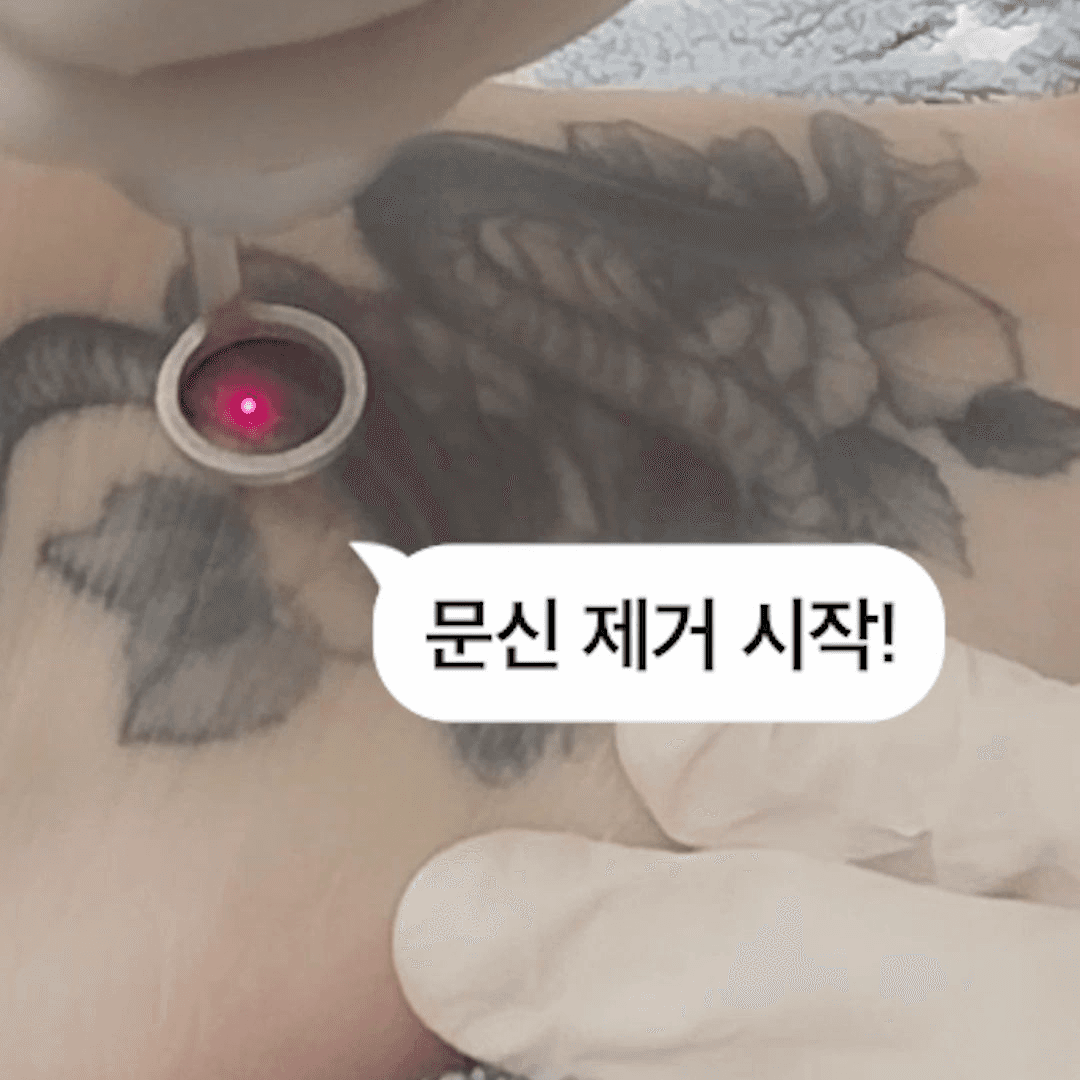
![[Wi Young-jin] Color tattoos need 30% more removal sessions](https://framerusercontent.com/images/0qM2zEPvNpSasNc56D0vXAxxH4.jpg?width=1080&height=1080)




skin
Why Does Fractional CO2 Take Longer to Heal?

Contouring & Volume
How Many cc Does Forehead Filler Need?

skin
Why Is My Skin Oily but Tight in the Fall?

Hair Removal
Underarm Laser Hair Removal Cost: Do the Math

Tattoo removal
Laser Before a Cover-Up: How Many Sessions?

skin
큐어젯 다운타임, 다음 날 출근과 화장은 언제부터 될까요?