

The best laser hair removal clinic isn't picked by its device. See how settings should match your hair and skin, what 6 to 8 sessions mean, and when to call.
Published
Updated

Author
Wi Young-jin · Chief director
Seoul National University College of Medicine · Seoul National University Hospital Specialist
→
The device name won't tell you much. A good laser hair removal clinic shows itself in the consultation: does someone actually look at your hair and skin before choosing the wavelength and energy, and what's the plan if hair is left over or side effects show up? The same machine can give very different results depending on that process.
If you're comparing clinics and only seeing prices and reviews, you're not alone. In this article, we'll cover what to watch for during the consultation, what's normal after a session, and the questions that make clinics easier to compare.
Key takeaways
Choose a clinic by whether it checks your hair and skin before setting the laser, and how it handles leftover hair and side effects, not by the device name.
How many sessions: Cleveland Clinic suggests 6 to 8 sessions spaced 6 to 8 weeks apart, and notes that hair can grow back.
A review of 104 studies found that most skin side effects were linked to operator error and individual patient factors.
Blisters, skin turning white or darker, or heat that lasts more than a day mean you should see a doctor right away.
Can You Pick a Laser Hair Removal Clinic by Its Device?
Not really. Even with the same device, settings need to change with the thickness and color of your hair, your skin tone, and the area being treated. Cleveland Clinic advises that only experienced clinicians should perform laser hair removal, and that using it without supervision raises the risk of misuse and injury.
Research on side effects points the same way. An updated review of 104 papers on light-assisted hair removal found that skin reactions varied with skin type, body area, device, and settings, and were mostly tied to operator error and patient-related factors. The authors named understanding laser physics and training the operator as the first line of prevention.
Price lists and star ratings are easy to compare. The process of picking settings for your hair isn't something you'll see as a number. That's why what the clinic asks you, and what it actually looks at, tells you more than the brochure does.
Why the Consultation Should Look at Your Hair and Skin
Here's the short version of how it works: the laser sends heat into the dark pigment inside the hair, which weakens the root that makes new hair. Think of it like a magnifying glass that focuses light on the darkest spot. That's why thick, dark hair on lighter skin tends to respond best, while blond, gray, white, or red hair, and darker skin, may respond less.
Your skin has pigment too. The darker your skin, the more carefully the energy needs to be set, because the heat can reach the skin as well as the hair. A clinic that skips this step is guessing.
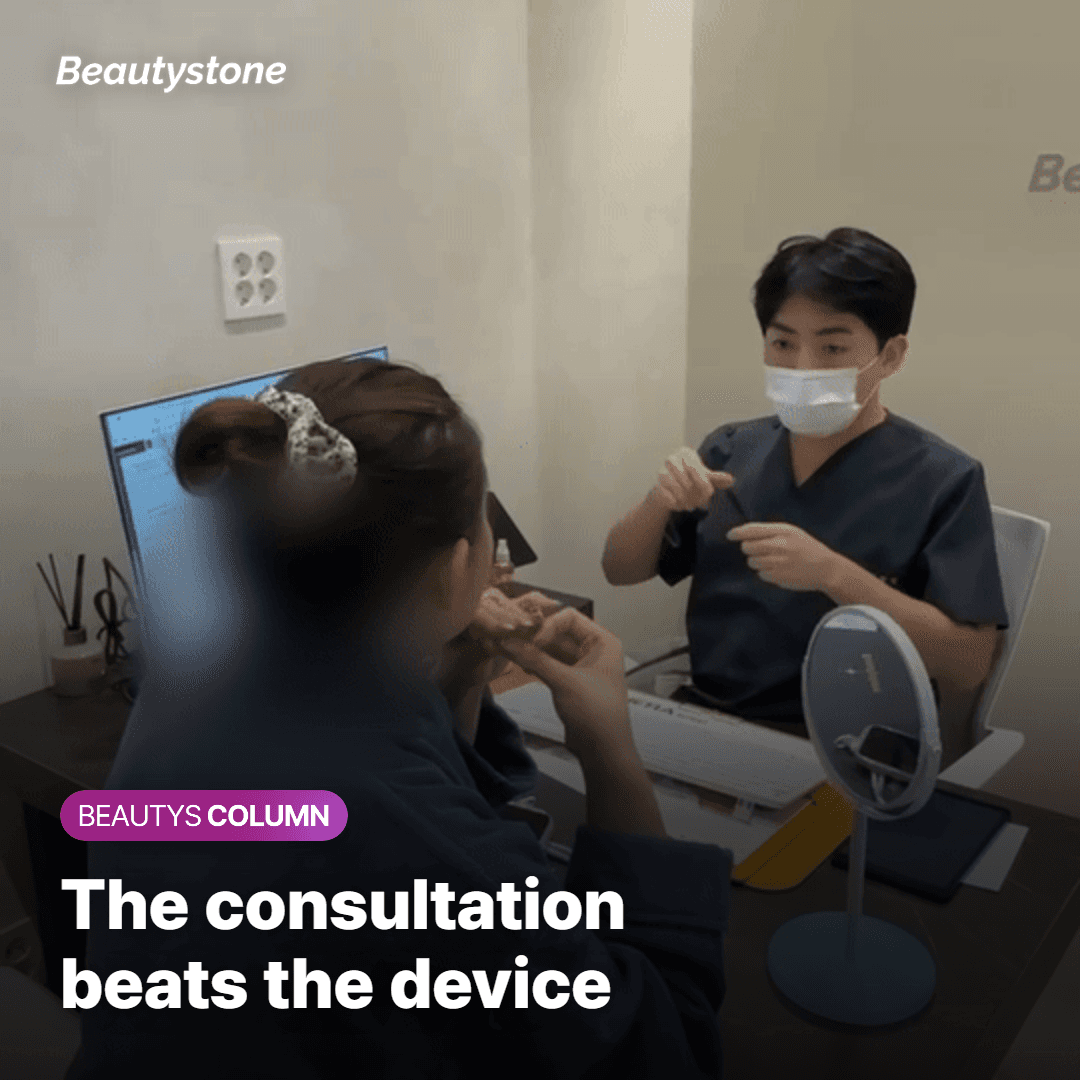
At Beautystone, a clinic in Seoul's Hapjeong area, the doctor considers that the 755 nm and 1064 nm wavelengths of the GentleMax Pro Plus reach different depths and suit different kinds of hair. For men, the doctor checks past hair removal and whether the hair is very coarse; in that case, the follicles are judged to sit deeper and 1064 nm is mixed in. That's the order for deciding settings during the consultation, not a promise about results.
Here's a good sign: the provider looks at the treatment area in person and asks whether your hair is coarse and whether you've tanned recently. If the conversation stops at the area and the number of sessions, with nothing about your hair or skin, it's worth asking one more question.

What a Good Clinic Does When Hair Is Left After Your Sessions
Laser hair removal doesn't remove hair forever. Some hair grows back, though it usually comes in finer and lighter, and some people go months or even years without new growth. Individual results vary, so a clinic that reviews what's left after a few sessions and then decides whether to continue is being more realistic than one that promises you'll be done in a set number.
That said, adding sessions endlessly isn't the answer either. A cohort study of 217 people who had 805 nm diode laser treatment on the pubic area found that redness became much more common with more sessions:
Diode laser, 217 people | Share with redness |
|---|---|
6 sessions | 6.7% |
More than 6 sessions | 58.33% |
It's one study, one body area, and a different device, so you can't apply it directly. Still, it suggests that the more sessions you have, the more closely your skin's reaction should be watched along the way.
Take photos before you start and before each session, with the same lighting and angle. That gives you and your provider an honest way to compare how much hair is left. Ask whether the clinic reviews photos with you before planning the next session.
Side Effects and Risks: How a Trustworthy Clinic Explains Them
A clinic worth trusting tells you about side effects in specific terms before treatment and explains how to reach them if something happens. Cleveland Clinic lists blisters, burns, cold sore flare-ups, skin getting darker or lighter, infection, and scarring as risks. The review above noted that eye injuries are systematically avoidable with proper protection, so check that your eyes are shielded during treatment.
Redness and swelling are common right after a session. If they worsen or spread, contact your provider right away.
Usually normal
Redness, swelling, or mild stinging right after treatment → cool compresses help it settle
Small bumps around the hair follicles
Treated hair shedding over the next few days
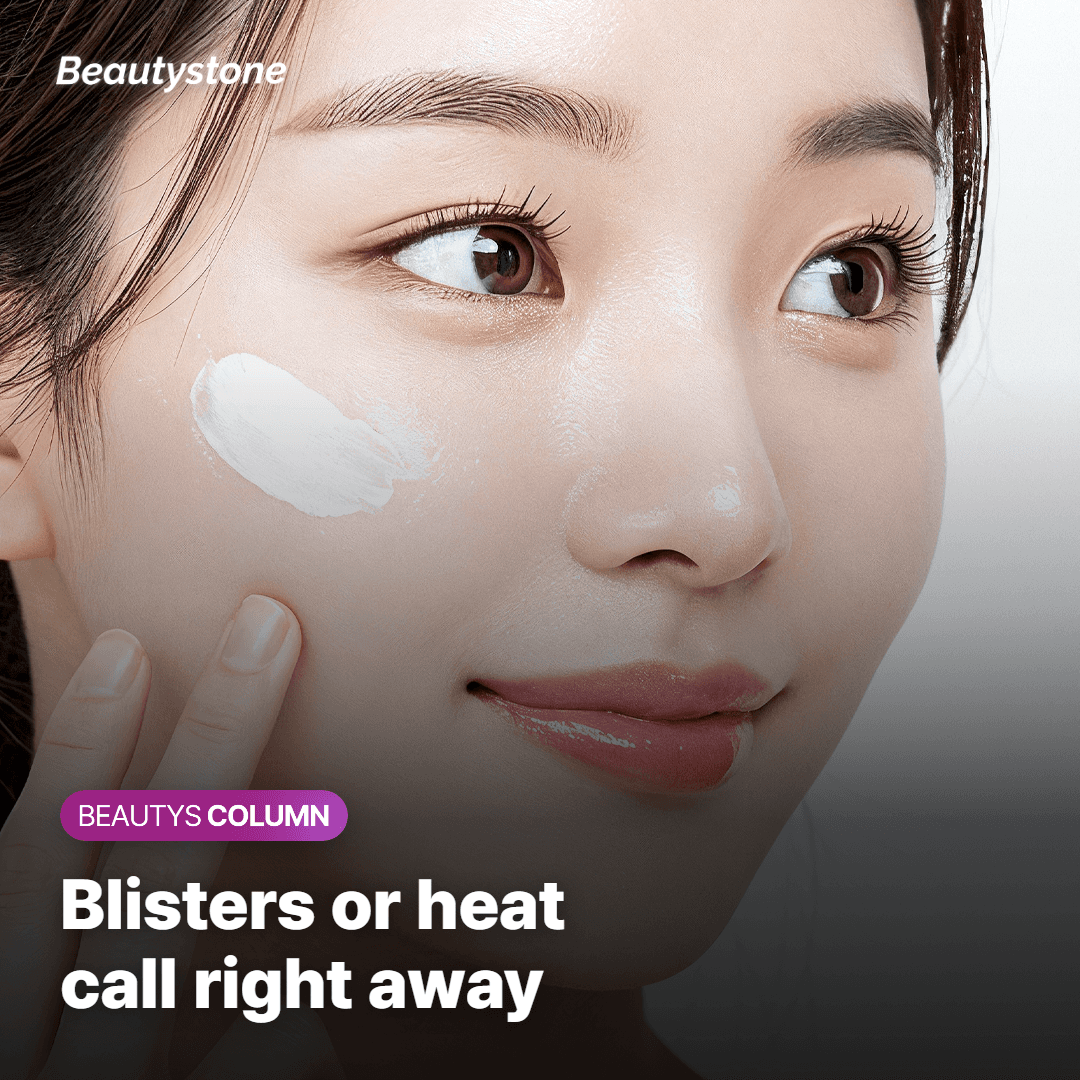
Contact the clinic right away
Blisters, or skin turning white or darker → take a photo and see a doctor right away
Heat and pain that are still there after a day → see a doctor
Clusters of small blisters in the treated area (a cold sore flare-up) → see a doctor
Pus or swelling that keeps growing → possible infection, see a doctor
In rare cases, hair can actually increase after treatment. A report from one clinic in Japan covering 7,381 patients found this in 25 people (0.34%), and it was less common in people who used sunscreen every day.
Before treatment, shave the area 2 to 3 days ahead. Once you've started, don't pluck or wax. Avoid sun exposure and tanning as much as you can. If you've had cold sores or take medication that makes your skin sensitive to light, tell your provider before treatment.
Three Questions to Ask Before You Book
Ask these three, and the differences between clinics start to show:
How will you set the laser for my hair and skin? Listen for talk about hair thickness, color, depth, and your skin tone.
What happens if hair is left after the planned sessions? A clear answer about reviewing photos and next steps is a good sign.
If I get blisters or color changes, who do I contact and how? You want a real answer, not just "that won't happen."
Cost depends on the size of the area, the number of sessions, and how the package is put together. For the same area, compare how many sessions are included and how extra sessions are handled, and you'll see what you'll really pay. For Beautystone's current rates, see /en/price.
The Bottom Line: Choose by How Settings Are Set and What Happens After
Like any procedure, laser hair removal comes with trade-offs, and the device name isn't what decides how satisfied you'll be. What matters is how the settings are chosen and how the clinic follows up. Before you decide, ask how the wavelength would be chosen for the depth of your hair follicles; that one answer makes your options easier to compare.
When you reach out, include the area you'd like treated, how you remove hair now (shaving, waxing, or tweezing), any past hair removal, and whether you've tanned recently. A photo of the area taken in bright light 1 to 2 days after shaving makes the first consultation much more specific.


Hair Removal
3 Questions to Ask a Laser Hair Removal Clinic

Contouring & Volume
Under-Eye Filler Regret: Who Shouldn't Get It

Lifting
Thread Lift Results: 1 to 3 Years or Less?

Hair Removal
Laser for Upper Lip Hair: 5 Things to Check

Lifting
Oligio X Cost: 300 or 600 Shots for Your Face?

Body
Body InMode Cost: 1 Session or 3 per Area?