

Why melasma won't clear in one go—and how strong lasers can trigger rebound pigment.
Published -
Updated -

Author
Wi Young-jin · Chief director
Seoul National University College of Medicine · Seoul National University Hospital Specialist
→
Many people get upset and think, "Did I just waste my money?" when melasma appears again shortly after having laser treatments. While moles and minor blemishes are easily removed with lasers, melasma is uniquely stubborn, which only adds to the frustration.
The short answer is that melasma is not a pigment to be erased all at once; rather, it is a chronic pigmentary condition that requires steady, long-term care to keep it faded. Attempting to force it out with strong lasers can actually make it darker. Understanding why melasma differs from other pigments and how to view laser treatments can save you both wasted money and heartache.
This content compiles treatment information from Hapjeong Beautystone.
By reading this article, you will learn:
Why melasma cannot be erased in a single session
Why strong lasers can actually do more harm than good for melasma
The pattern of recurrence and realistic management goals
Daily habits to adopt to delay recurrence
Why melasma is different from other pigments and cannot be erased all at once
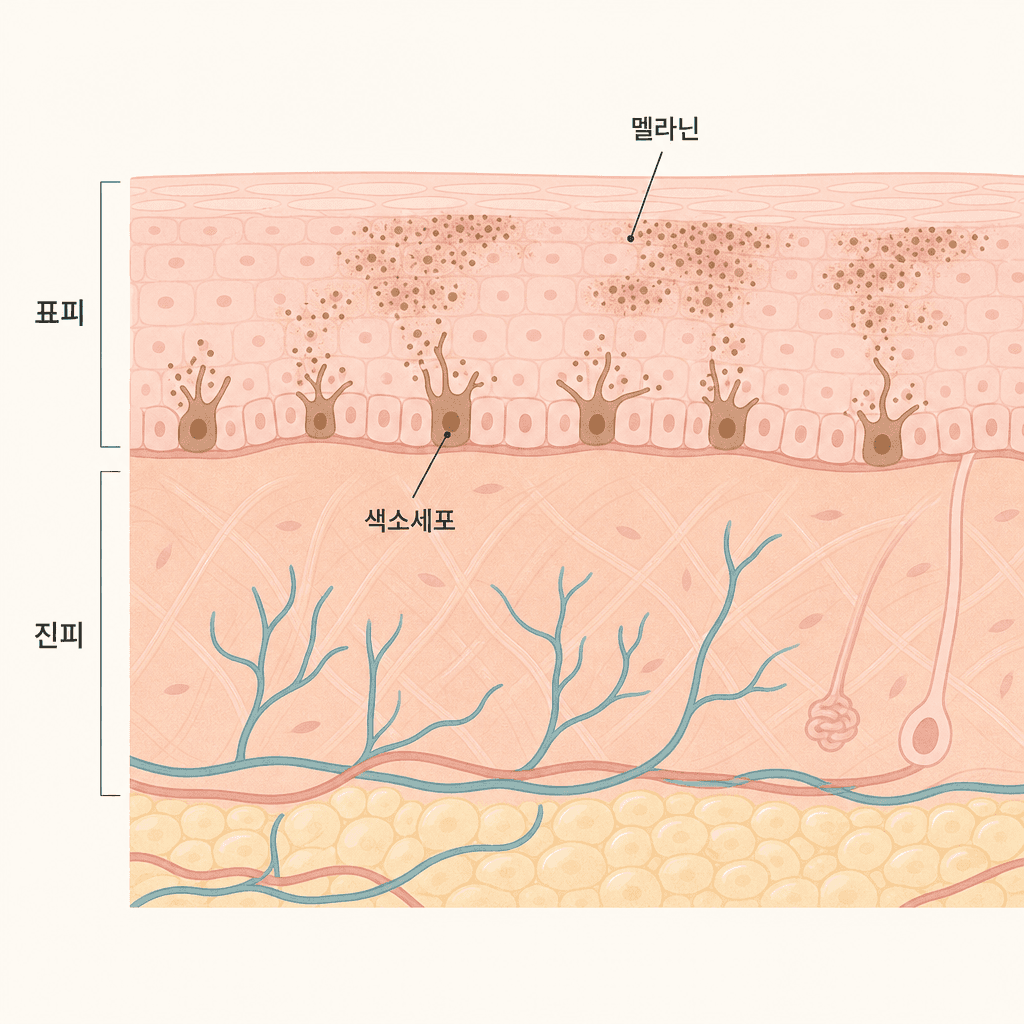
Melasma is a pigment that forms when cells that produce melanin* become overactive. While moles or light blemishes can be broken down and removed because the pigment is clustered in a relatively shallow layer, melasma is widely distributed, and the pigment-producing cells themselves are highly sensitive. Therefore, simply breaking down the pigment is not the end of the story—once irritated, these cells will create pigment all over again.
Melanin*: The pigment that determines skin color. It is produced in larger amounts when stimulated by UV rays, heat, or hormones.
That is why melasma must be treated like a chronic condition. The explanation that melasma is a chronic pigmentary condition with a high risk of recurrence from lasers or IPL, and that easily flares up again with UV exposure, makes it clear why focusing on keeping it faded is a much more realistic approach than trying to eliminate it entirely. The key is preventing it from surfacing again, rather than just stripping it away.
Why lasers can sometimes do more harm than good for melasma
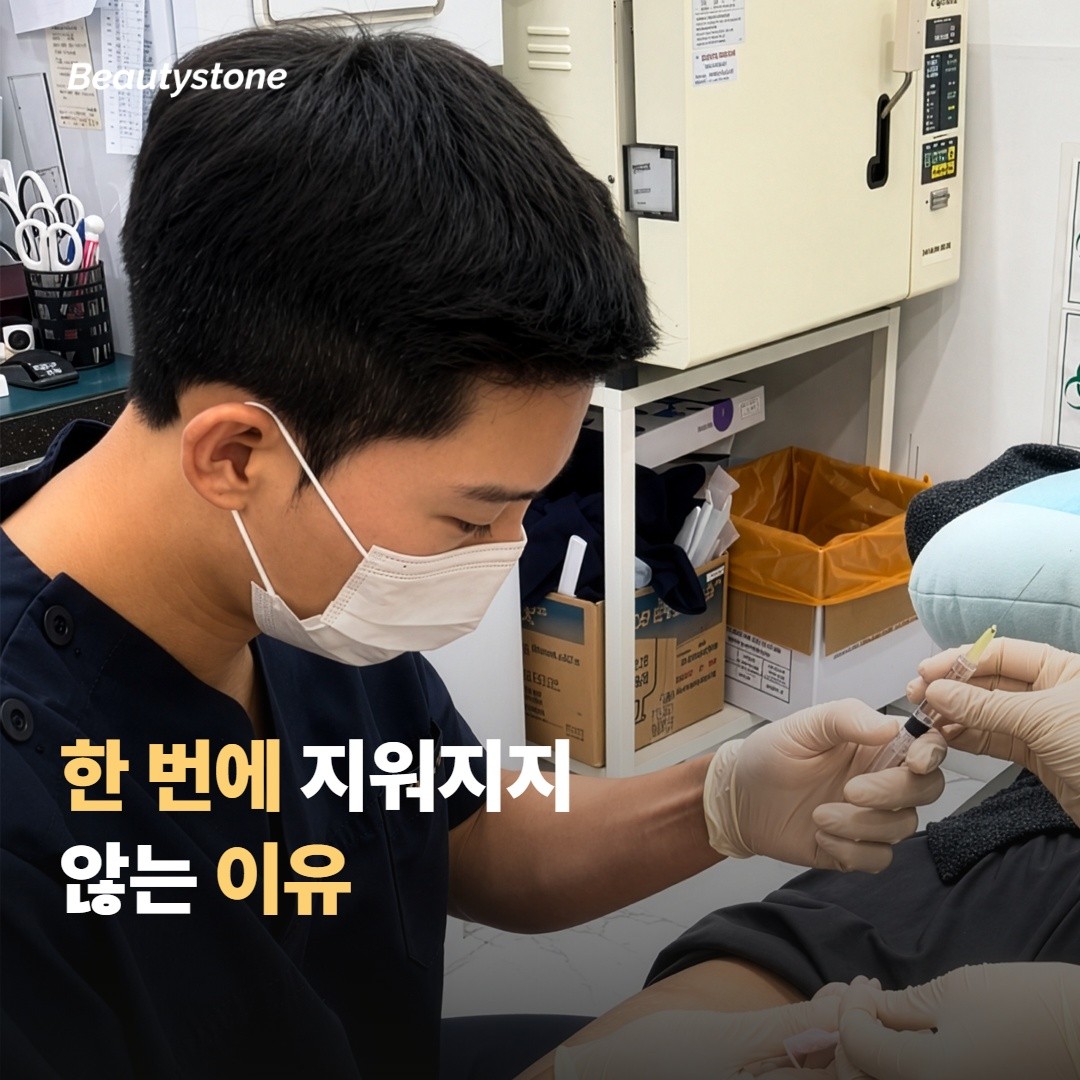
Strong lasers that are highly effective for moles or general blemishes are often a poor match for melasma. Intense heat stimulation can further irritate hyper-sensitive pigment cells, leading to "rebound pigmentation," where the spots return even darker after fading temporarily. Here is how general pigment compares to melasma:
Category | General Blemishes & Moles | Melasma |
|---|---|---|
Pigment Location | Relatively shallow and clustered | Widely and deeply dispersed |
Reaction to Strong Lasers | Generally removed well | Can darken due to rebound reaction |
Recurrence Rate | Relatively low | Relatively high |
Recommended Approach | Removal in 1-2 sessions | Gentle management over multiple low-intensity sessions |
Therefore, instead of aggressive treatment, it is much safer to treat melasma using gentle laser toning* spread over multiple sessions to gradually reduce pigment, combined with topical treatments and rigorous sun protection.
Laser Toning*: A method that gradually reduces pigment by applying low-intensity laser energy over multiple sessions. It lowers the risk of rebound pigmentation by avoiding harsh, single-session intensity.
The recurrence pattern at a glance
Visualizing how melasma behaves with and without care on a curve makes it much easier to understand. It fades slowly with routine care, but typically surfaces again during sunny seasons or when management is neglected.
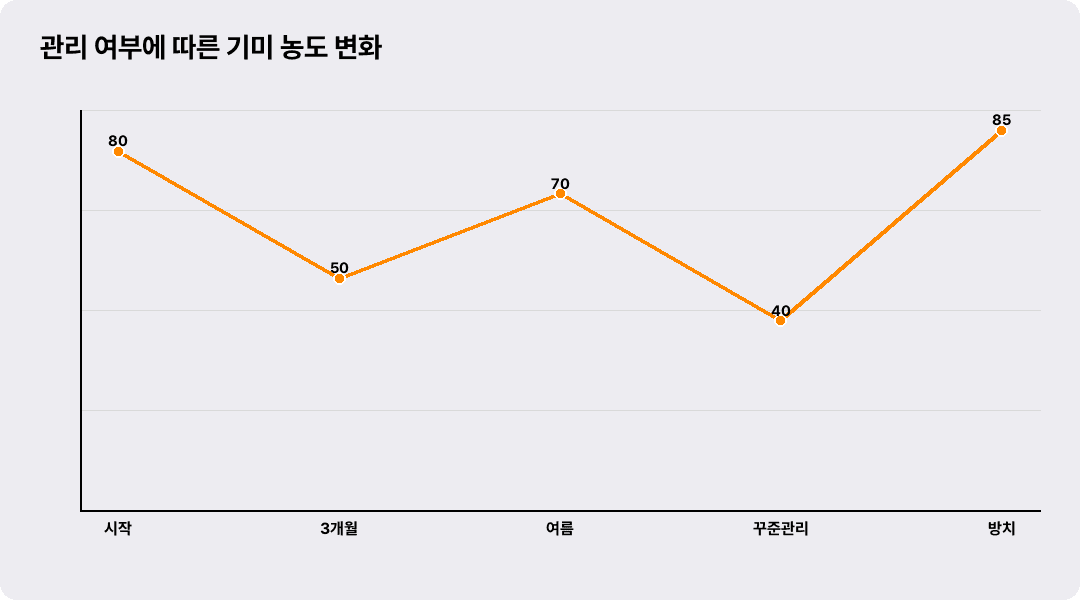
This is why saying "I am keeping it faded" is a much more accurate description than "I removed it." Because it can easily darken again the moment you let your guard down, consistency is what ultimately determines your results.

Why choose Hapjeong Beautystone?
At Hapjeong Beautystone, especially for stubborn pigments like melasma that cannot be resolved overnight, we take the time to explain "why it cannot be removed all at once and how it should be managed" before any procedure. Rather than offering empty promises of quick, aggressive removal, we guide you through a low-intensity approach that minimizes the risk of rebound darkening, alongside topical care and sun protection. As a cozy clinic located close to Hapjeong Station, we are able to carefully monitor how your pigment fades and fine-tune the treatment intensity and intervals together.

How to manage melasma and delay recurrence
When it comes to managing melasma, daily habits that minimize irritation and block UV rays are just as critical as the clinical treatments themselves.
Sun Protection — Because UV rays are the biggest trigger for melasma, apply a broad-spectrum sunscreen meticulously every single day, even on cloudy days.
Physical Barriers — Directly blocking sunlight with hats or parasols provides excellent additional protection.
Avoid Excessive Friction — Harsh face washing or frequent physical exfoliating can trigger and irritate pigment-producing cells.
Consistent Topicals — It is crucial to consistently apply the brightening topicals recommended by your medical team without skipping days.
Melasma is not a temporary issue cured by a single procedure, but a dynamic pigment condition that fluctuates with the seasons and lifestyle. Therefore, maintenance must continue even after it fades. Because appropriate treatment intensity and intervals vary based on individual skin conditions, it is safest to consult with your attending doctor to establish a personal plan. This article is intended for general informational purposes.

Frequently Asked Questions
Q. Can melasma be completely cured with lasers?
A. In many cases, complete, permanent removal in a single go is highly difficult. Melasma involves sensitive melanin-producing cells, and aggressive removal can cause them to rebound and become darker. Therefore, a more realistic approach is to gradually fade the pigment with low-intensity sessions while pairing it with topical products and sun protection.
Q. I received laser treatment, but my melasma seems to have gotten darker. Why is that?
A. It is highly likely that strong thermal energy irritated the sensitive pigment cells, leading to rebound hyperpigmentation. In this case, it is best to lower the treatment intensity or temporarily pause to let the skin rest. Rather than seeking random alternative treatments on your own, it is safest to consult your attending medical team to adjust your care routine.
Q. Can simply protecting my skin from UV rays fade melasma?
A. Sun protection is the absolute foundation of melasma management. While sunscreen alone may not make it disappear completely, it plays a vital role in preventing it from darkening again and helping maintain a faded state. The results are much more sustainable when paired with topicals and clinical treatments.
Q. How long do I need to manage melasma?
A. Because melasma is a pigment that fluctuates based on seasons, hormones, and lifestyle, it is best to continue maintenance care even after it has faded. Please pay extra attention during seasons with strong UV levels. Consistent protection and daily care are the most reliable ways to maintain bright results long-term.
Recommended Readings


Hair Removal
레이저 제모 1회에도 남는 몫이 있어요 — 밀도를 모자이크로 보는 법

Tattoo removal
Why Extremity Tattoos Are Slower to Remove

Tattoo removal
Tattoo Removal Cost: Why Quotes Vary by Area

Tattoo removal
Unused Tattoo Removal Sessions: What Happens?

Lifting
Forehead Thread Lifting: How Far Can It Go?

skin
Skin Booster Prices: What to Check in a Quote