

How Potenza targets pigment vs standard lasers, and whether it fits your concern.
Published -
Updated -

Author
Wi Young-jin · Chief director
Seoul National University College of Medicine · Seoul National University Hospital Specialist
→
When searching for laser treatments to address melasma or blemishes, many people hesitate after hearing, "If you treat it wrongly, the pigment might actually flare up even more." In particular, melasma is not a type of pigment that can be erased all at once, so the results vary quite a bit depending on how you approach it.
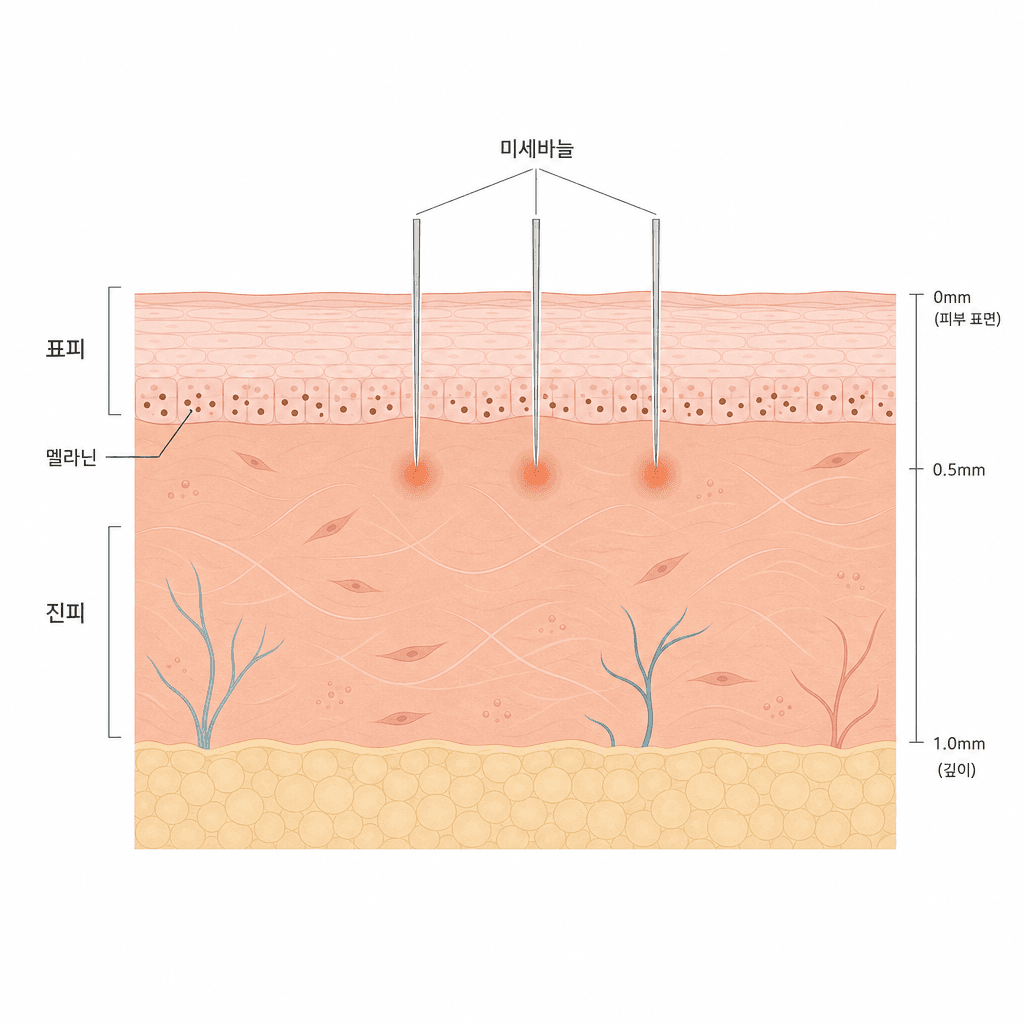
To give you a quick answer, Potenza is not a method that intensely burns the skin's surface. Instead, it is an RF microneedling* method that delivers radiofrequency heat dot by dot deep into the skin using micro-needles. Because of this, it focuses on refining the skin's overall environment and evening out skin tone rather than directly breaking down pigment, making it quite different from standard toning lasers.
RF Microneedling*: A method in which micro-needles penetrate the skin to deliver radiofrequency heat from their tips. It can provide thermal stimulation to the dermis while minimizing surface damage.
This content is a summary of treatment information from Beautystone Hapjeong.
By reading this article, you will learn:
Why melasma is trickier to handle than standard blemishes
How Potenza's approach to pigment differs from traditional lasers
Whether Potenza is a good fit for your specific pigment concerns
Why you should view the results as a gradual journey over multiple sessions rather than a single session
Why We Hesitate When It Comes to Treat Melasma with Only Lasers
Melasma is not just a simple surface pigment; it is a complex pigmentation caused by a combination of UV rays, hormones, and micro-inflammation within the skin. That is why it tends to recur easily even after fading, and treating it too aggressively with strong lasers can sometimes trigger more pigmentation. Understanding that melasma is caused by multiple factors like UV rays, hormones, and inflammation, responds slowly to treatment, and is prone to recurrence helps explain why a "one-shot removal" approach does not work well for melasma.
That is why these days, instead of forcefully breaking down the pigment, many prefer an approach that refines the skin environment and gradually calms down the overproduction of melanin*. This is exactly why Potenza is drawing so much attention.
Melanin*: The pigment that determines skin color. When produced in excess in response to UV rays or irritation, it appears as melasma or blemishes.
The Difference in How Potenza Approaches Pigmentation
Even though they are both categorized under "pigment treatments," Potenza and traditional toning lasers deal with pigment in very different ways. Here is a comparison of key aspects:
Feature | Potenza (RF Microneedling) | Standard Toning Laser |
|---|---|---|
Mechanism | Micro-needles + Radiofrequency Heat | Pigment absorption through light energy |
Main Target | Extracellular environment & skin tone refinement | Direct pigment breakdown |
Surface Irritation | Relatively low | Can accumulate with repeated sessions |
Additional Benefits | Pore reduction and skin texture improvement | Primarily focused on fading pigment |
Session Protocol | Accumulates over multiple sessions | Accumulates over multiple sessions |
Rather than destroying pigment in one go, Potenza focuses on applying radiofrequency heat dot by dot to the dermis, encouraging the skin to naturally even out its tone. This is why it is often chosen as a gentler, less burdensome option for sensitive, recurring pigment like melasma. However, depending on the type and depth of the pigmentation, combining it with lasers may yield better results, so it is not a treatment that must only be done on its own.
Which Pigmentation Concerns Is It Best Suited For?
Potenza is not a universal solution for every type of pigmentation, so its effectiveness depends on the nature of your specific skin concern. You can generally guide yourself with these points:
If you have sensitive and recurring pigment like melasma, this gentle approach is worth considering
If you want to refine pores and skin texture alongside pigmentation, it is a great match
If your main concern is deeply set moles or dark sunspots, a direct laser treatment may be more effective
If you have a lifestyle with high UV exposure, proper sun protection habits must accompany any treatment
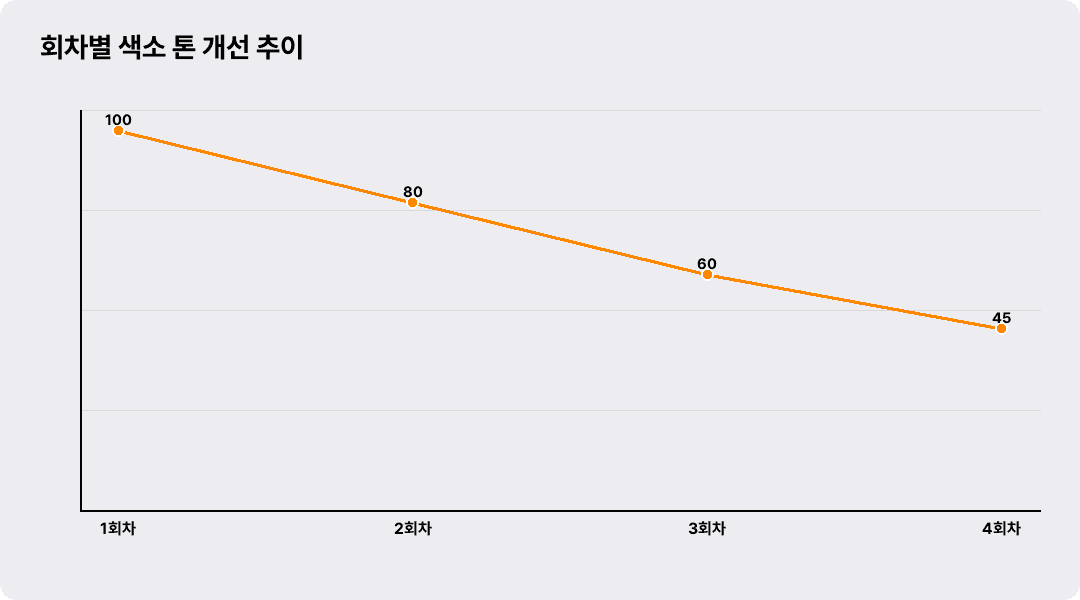
Pigment treatment is rarely a one-time fix; it is a journey where the skin tone gradually evens out over multiple sessions. Much like how treatments combining micro-needles and RF stimulate collagen responses in the dermis to accumulate visible improvements over several sessions, it is best to view the results as a gradual progression rather than looking at just one session.

Why Choose Beautystone Hapjeong?
At Beautystone Hapjeong, we begin our pigment consultations with the philosophy of "gently refining while reducing recurrence," rather than just trying to "erase" melasma. Since even the same type of melasma responds differently based on UV exposure, hormones, and skin sensitivity, we assess your skin condition first to guide you on whether Potenza alone or a combination with lasers is best for you. As a cozy clinic located just a short walk from Hapjeong Station, we can carefully track your pigment changes at every single visit and plan the next steps together with you.

What Is the Treatment and Recovery Process Like?
After cleansing your face, a numbing cream is applied. The treatment is then carried out by adjusting the micro-needle depth and RF intensity to deliver energy dot by dot, customized to the treatment area. During the procedure, you will feel a stinging sensation along with spreading warmth. After the session, mild redness or tiny needle marks are common reactions. Most of these subside within a day or two.
While this treatment does not require a long downtime during recovery, diligent UV protection is essential since it is a pigment-focused treatment. Here is a summary of recovery tips:
Day of treatment — Gently wash your face with lukewarm water, and skip any irritating active skin ingredients for the day
Days 2–3 — Tiny scabs or light flaking may appear; do not peel them off forcefully and let them shed naturally
1 week post-treatment — Be extra diligent with sun protection to prevent the recurrence of pigmentation
If the redness or marks last longer than expected, or if you feel the pigment is becoming darker, please consult your treating medical team. This article provides general information, so it is always safest to consult with a medical professional who has personally examined you to determine your suitability and recovery plan.

Frequently Asked Questions
Q. Will my melasma fade after just one session of Potenza?
A. It is not a treatment that dramatically erases pigment in a single session. Refining skin tone usually requires multiple treatments, and the pigment will gradually fade as you build up sessions. Even if you do not notice a major change after the first session, it is best to evaluate the results over the entire recommended course.
Q. Can I get it done alongside general laser treatments?
A. Yes, depending on the type and depth of the pigmentation, combining Potenza with lasers can often be beneficial. However, rather than over-treating on the same day, it is safest to consult with your provider to determine the best sequence and intervals. Excessive irritation can actually make the pigment more sensitive.
Q. Can I apply makeup right after the treatment?
A. Typically, you can apply makeup starting the next day. However, if there are tiny marks or flaking skin, it is best to give your skin an extra day to rest. Prioritize thorough sunscreen application over makeup, and cleanse gently without rubbing.
Q. Does melasma come back?
A. Melasma is highly influenced by UV rays and hormones, so it can return if skin care is neglected. This is why daily sun protection habits are just as important as the treatments themselves. Consistent sun protection after improving your skin tone will greatly help delay its recurrence.
Further Reading


Tattoo removal
손가락 문신은 작으니까 금방 지워질 거라 생각하셨나요?

Tattoo removal
문신제거 견적이 병원마다 다른 이유, 크기 기준부터 달라서예요

Tattoo removal
10회 결제했는데 그 전에 다 지워지면 돈이 아깝지 않을까요?

Lifting
Forehead Thread Lifting: How Far Can It Go?

skin
Skin Booster Prices: What to Check in a Quote

Contouring & Volume
InMode Cost: Why One Area, Three Line Items