

Yes, you can get Onda lifting in summer. Book 1-2 weeks before a beach trip, wear SPF 50+ from the next day, and reapply every 2-3 hours to lower pigmentation risk.
Published
Updated

Author
Wi Young-jin · Chief director
Seoul National University College of Medicine · Seoul National University Hospital Specialist
→
Planning Onda lifting during a summer stay in Seoul, maybe with a beach trip or pool days on the calendar? Here's the short answer: yes, you can generally have Onda in summer. The treatment itself doesn't depend on the season. What matters is timing and sun protection. If a beach or pool vacation is coming up, book Onda at least 1 to 2 weeks before you leave, or wait until after you're back and your skin has settled. From the day after treatment, wear SPF 50+ broad-spectrum sunscreen and reapply every 2 to 3 hours.
Those two habits, spacing out heavy sun exposure and protecting your skin closely, are what separate a smooth summer recovery from a stressful one. The rest of this guide walks through the decision in the order most people actually face it: is summer okay, when should I book, what about pigmentation, and what does the aftercare look like day to day.
This is general information from Beautystone, a dermatology clinic in Seoul's Hapjeong area. It isn't a replacement for advice from the provider who examines your skin.
Can You Get Onda Lifting in Summer?
For most people, summer isn't a reason to skip Onda. Onda uses a microwave-based method called Coolwaves to deliver heat into deeper layers of the skin and encourage collagen renewal over time. The skin surface is kept cool while the heat builds underneath, so it works differently from lasers that create visible surface wounds.
The idea that you "shouldn't do lifting in summer" usually comes from one worry: pigmentation. Skin that has just been treated is a little more reactive, and strong UV on reactive skin can leave pigment behind. Because Onda doesn't cause much damage to the outer skin, many people go ahead in summer without trouble, as long as they keep up with sun protection.
It's also worth remembering that UV-driven aging doesn't take the summer off. Sun exposure slowly damages skin cells and elastic fibers every day, all year. So building a steady sun protection habit matters more than avoiding one season. Even after a lifting treatment, results are harder to keep if UV care slips.
How Far Before a Beach Vacation Should You Book Onda?
For most summer visitors, the real question is scheduling. The combination you want to avoid is treatment followed immediately by long hours in strong sun. Beaches and pools reflect a lot of UV, so a vacation spent there right after Onda makes aftercare much harder.
Before an overseas or beach trip: leave at least 1 to 2 weeks between treatment and departure so your skin has time to calm down.
After a vacation: it's easier to book once your skin has settled, not right after a lot of sun.
Mostly indoor plans: if your sun exposure is low, timing is much less of a concern.
Frequent outdoor work: get your sun protection routine in place first, then pick a date.
Onda tends to have short downtime, so most people return to daily life quickly. But keeping the results depends less on the treatment day and more on the few weeks of UV care that follow. That's why choosing a window when you can actually protect your skin is the key decision.
Will Summer Sun Cause Pigmentation After Onda?
Pigmentation is the most common summer question. The treatment itself isn't what creates pigment. The risk goes up when sensitized skin meets strong UV for long stretches. One concern is post-inflammatory hyperpigmentation, a temporary darkening that can follow irritation or inflammation in the skin. It usually fades with time, but sun exposure can make it darker and help it linger.
General dermatology resources, including DermNet's overview of post-inflammatory hyperpigmentation, note that pigmented areas can darken with sun exposure and recommend daily SPF 50+ broad-spectrum sunscreen. In practice, the main variable is how much UV you get. If you already have melasma-type spots or dark spots, or you have a medium to deeper skin tone, it pays to be extra careful with sun protection after treatment.
Here's a rough guide to how much caution different situations call for:
Situation | Pigmentation caution | Suggested care |
|---|---|---|
Mostly indoors | Low | Regular sunscreen |
Often outdoors | Medium | Sunscreen plus hat or parasol |
Existing spots or melasma-type pigment | High | Stronger sun protection plus soothing care |
Overseas vacation right after treatment | High | Consider rescheduling |
Deeper skin tone | Medium to high | Reapply sunscreen carefully |
If you think pigmentation has started, don't reach for brightening products on your own. Talk to the provider who treated you about how to calm and manage it. Most of this kind of pigment fades over time, but without UV care it can stay longer.
Sunscreen and Aftercare After Onda in Summer
After Onda, your skin is a bit more sensitive than usual. Strong UV during this time can leave pigment or make redness last longer, so sun protection deserves more attention than normal. On the day of treatment, keep things focused on soothing. Sunscreen usually starts the next day.
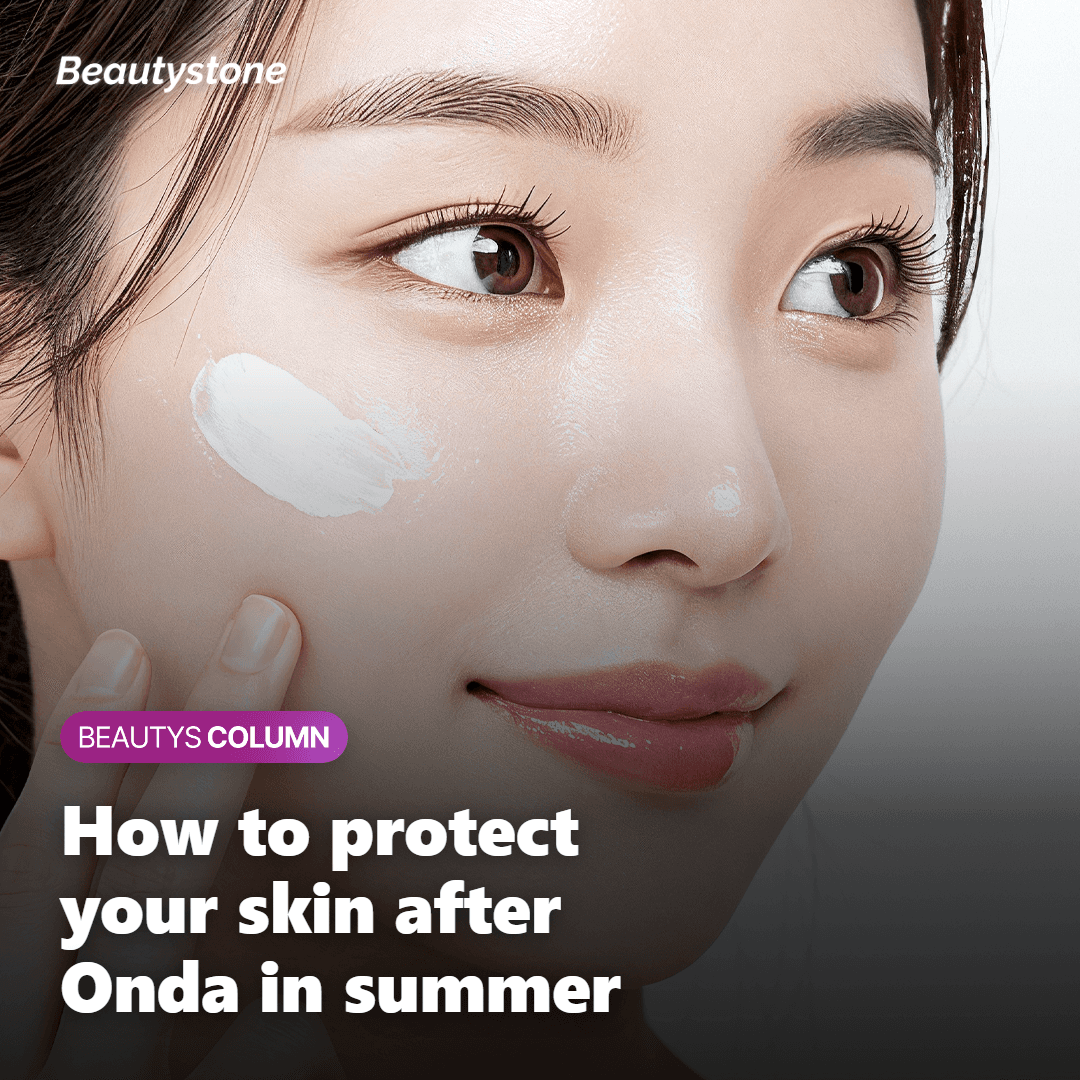
Sunscreen from the next day: apply an SPF 50+ broad-spectrum product evenly over your whole face.
Reapply every 2 to 3 hours: in summer, sweat and outdoor time wear it off faster, so reapply more often.
Add a hat or parasol: sunscreen alone may not be enough, so add physical protection.
Limit time outside from 10 a.m. to 4 p.m.: use shade during the hours when UV is strongest.
Wear sunglasses: the skin around your eyes is sensitive to UV too.
DermNet's sun protection guidance recommends high-SPF broad-spectrum sunscreen every day when the UV index is 3 or higher, reapplied every 2 hours. In summer, layering several methods is safer than relying on sunscreen alone. Don't forget easy-to-miss spots like your neck and behind your ears.
Keep cleansing and skincare simple for a few days. Pause potentially irritating actives such as retinol and exfoliating acids for about a week, and focus on moisturizing and calming the skin. Skip saunas and other intense heat early on, and don't pick or scrub the treated area. If your clinic gave you specific instructions, follow those first.
Recovery, Red Flags, and Planning Your Visit
For a few days after Onda, you may notice mild redness, warmth, or slight swelling. In most cases this settles on its own. How well you protect your skin from UV during this stretch can shape how your skin looks afterward.
Reducing photoaging takes high-SPF sunscreen, protective clothing, and avoiding midday sun together, and keeping that up for several weeks, not only right after treatment, helps you hold on to results. Collagen renewal happens gradually, so changes tend to appear naturally over a few months, and how long they last varies from person to person.
Contact the provider who treated you if redness hasn't calmed down after 2 weeks, if pain keeps getting worse, or if pigment seems to be clearly darkening. If you notice blistering or a burn-like reaction, seek medical care right away rather than waiting.
At Beautystone, we look at more than the treatment itself. In a season with this much sun, we ask about your vacation dates and how much time you spend outdoors, then help you pick a window when aftercare will be manageable. We're a small clinic a short walk from Hapjeong Station, so we can look at your skin and schedule individually and plan the next step with you. Results vary, and whether Onda suits you is something to decide with the provider who examines you. Pricing varies by area and plan, so for current details see /en/price and check what's on at /en/promotion.
Frequently asked questions
Q. Is it safe to get Onda lifting in summer?
A. For most people, summer isn't a reason to avoid it. Onda's process doesn't depend on the season. What changes is the environment: stronger UV puts more stress on skin that's temporarily more reactive after treatment. If you can commit to careful sun protection afterward, summer treatment is generally reasonable, though your provider can advise on your specific case.
Q. Will Onda lifting cause pigmentation in summer?
A. The treatment itself doesn't create pigmentation. The risk rises when sensitized skin is exposed to strong UV for a long time. With good sun protection, many people have Onda in summer without problems. If you already have dark spots or melasma-type pigment, or a deeper skin tone, take extra care and mention it at your consultation.
Q. Can I go on a beach vacation right after Onda?
A. It's better to leave a gap between treatment and heavy sun. Beaches and pools reflect strong UV, and long stays right after treatment can leave pigment. Consider booking 1 to 2 weeks before your trip, or after you return once your skin has calmed down.
Q. Can I put on sunscreen the same day as Onda?
A. Keep the treatment day focused on soothing, and usually start sunscreen the next day. After that, use SPF 50+ broad-spectrum sunscreen and reapply every 2 to 3 hours. Sweat wipes it off easily in summer, so frequent reapplying matters.
Q. How long do Onda lifting results last?
A. It varies by person. Collagen renewal happens gradually, so changes tend to show naturally over a few months. Without sun protection, skin aging continues and results are harder to keep, so staying consistent with UV care after treatment helps.


Contouring & Volume
Calf Botox Timeline: When to Book Session 2?

Contouring & Volume
Thread Lift Cost: Smile Lines vs. Full Face?

Lifting
Oligio X Jawline Results: Why 3 to 6 Months?

Contouring & Volume
Forehead Botox: 3 Things a Good Clinic Checks

skin
CO2 프락셀 색소침착, 흉터 치료 뒤 갈색 자국은 언제 옅어질까요?

skin
켈로이드 주사와 CO2 레이저, 하얗고 딱딱한 흉터도 같이 하면 풀릴까요?