

Drank last night, treatment booked today? How alcohol affects bruising and how long to wait.
Published -
Updated -

Author
Wi Young-jin · Chief director
Seoul National University College of Medicine · Seoul National University Hospital Specialist
→
After a late night out with drinks, you suddenly remember the treatment you booked for tomorrow and start to wonder: "Can I still go, or should I push it back?" Rescheduling is a hassle, but you also don't want to risk a worse result. It's a frustratingly gray area.
The short answer is that it depends on the treatment, but for injectables and lasers where bruising or bleeding is a concern, giving yourself a day's buffer is safer than going in while the alcohol is still in your system. Alcohol widens your blood vessels and thins your blood slightly, which creates the perfect conditions for more bruising and swelling right after a treatment. That said, you'll hear plenty of exaggerated takes like "not even one drink" or "you have to stay dry for a week," so sorting out what's actually affected from what isn't makes scheduling a lot easier.
This article was put together by Hapjeong Beautystone to share treatment information.
What you'll learn here
How alcohol actually affects your treatment results
How many days to wait depending on the treatment, from Botox to fillers to lasers
When it's okay to drink again after a treatment
How to plan your drinks and your treatments so they don't collide
Why alcohol affects treatments: your vessels are wide open
When you drink, your blood vessels dilate. That warm, flushed feeling in your face is exactly that signal: the fine vessels under your skin widen and blood flow increases. So when a tiny stimulus like a needle or laser is added on top, blood is more likely to leak from those widened vessels and leave a bruise.
* vasodilation: when the vessel walls relax and the vessels widen. Blood flow rises, leaving the skin flushed and warm, but it also becomes a setup for easier bleeding and bruising when the skin is stimulated.
In fact, vascular research showing that even one or two drinks measurably widen the arteries in your arm makes it clear that alcohol's effect on your vessels isn't just in your head, but a measurable change. Add in the fact that alcohol temporarily affects platelet function, and bleeding and bruising right after a treatment can stand out more than usual.
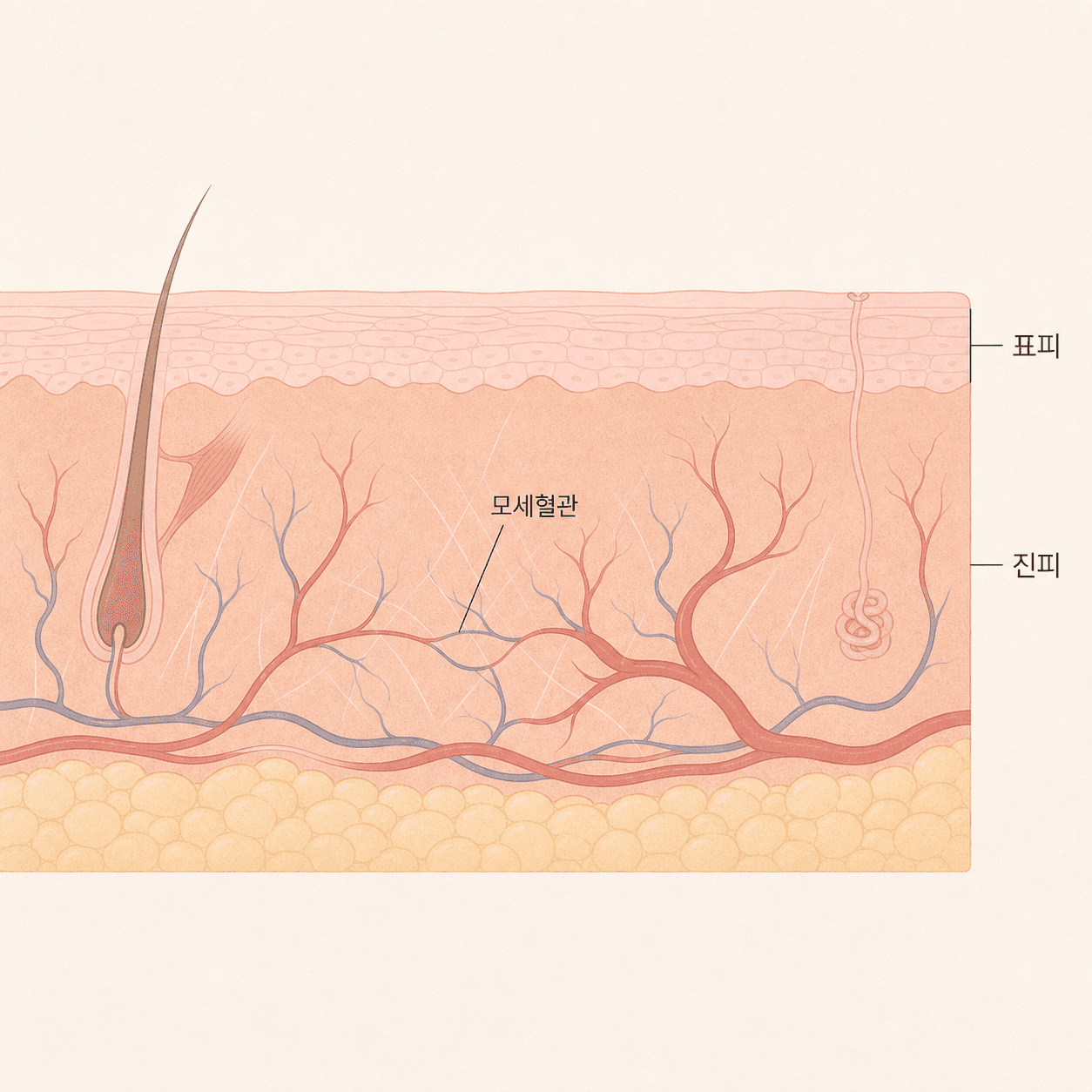
That said, not every treatment is affected equally. Some surface-level care or topical treatments are barely affected at all, while treatments that involve a needle or send heat or light energy down into the dermis are more sensitive to alcohol.

How much should you wait, by treatment type?
Alcohol affects each treatment differently, so rather than naming one blanket number of days, it's more accurate to break it down by type. Here's a rough rundown, ordered from highest to lowest bruising and bleeding risk.
Treatment type | Alcohol's effect | Recommended wait |
|---|---|---|
Filler & thread lift | High bruising/bleeding risk | 24 hours before |
Botox | Moderate bruising risk | 12–24 hours before |
Laser & RF | Redness & swelling | 12 hours before |
Skin booster & aqua glow | Minor bruising possible | 12 hours before |
Toning & surface care | Almost no effect | Few restrictions |
The table is a general guideline, and the exact timing can shift with your own constitution and how much you drank. If you bruise easily or overdid it the night before, it's safer to give yourself a little more buffer than the table suggests; on the flip side, if it was just a light drink or two, many people get through it with no real trouble. What matters most is being honest about the night before during your consultation on the day. That way your provider can factor in the bruising risk and adjust the treatment's intensity or the area being treated.
After a treatment, when can you drink again?
Just as confusing as the before is when to drink after. Right after a treatment ends, your vessels stay sensitive to stimulation for a while, so drinking too soon can make swelling and bruising linger longer. Here's roughly how the risk tapers off as time passes.
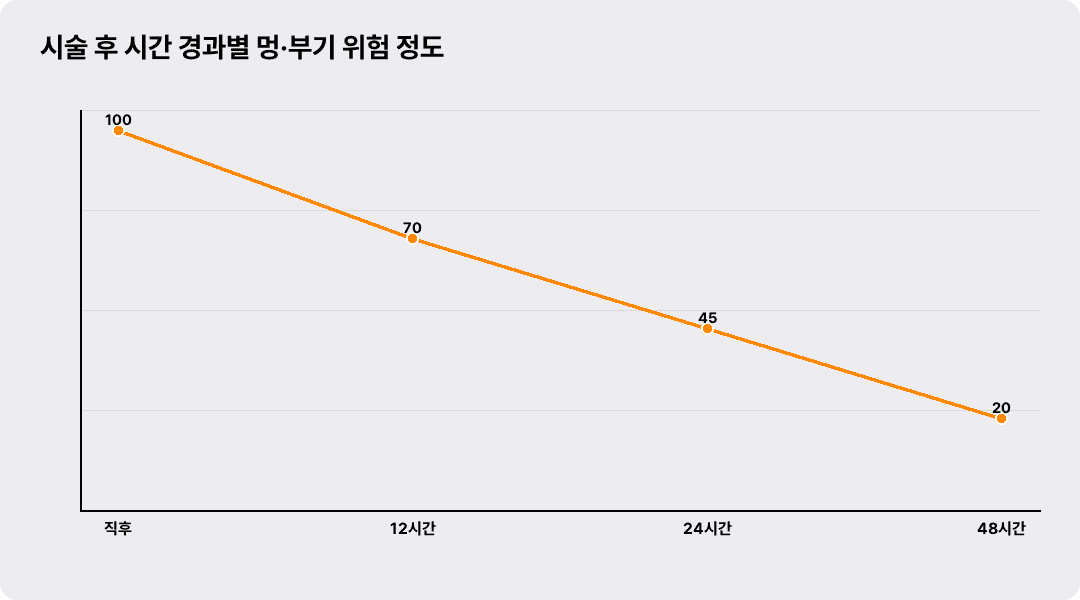
As a general rule, holding off on alcohol for 24 hours after injectable treatments, or about 48 hours for areas that bruise easily, helps recovery. For heat-based treatments like lasers or RF, drinking while heat still lingers in the treated area can boost blood flow and prolong the redness and swelling, so resting at least a day is best. On the other hand, for surface care or toning, a light drink the same day often doesn't make much difference. If your recovery signals drag on longer than usual, or the swelling won't settle, it's safer to check in with the provider who treated you rather than judging it yourself.
Why Hapjeong Beautystone
At Hapjeong Beautystone, before recommending a treatment, we like to look at your daily schedule and how you're feeling first, then decide on the timing together. If you're in a stretch with lots of social drinking or have an important event coming up, instead of pushing through on the same day, we'll help you find the moment when bruising will be least likely to show. That's because even the same treatment can turn out a little differently depending on whether you drank the night before and how easily you tend to bruise. As a small clinic within walking distance of Hapjeong Station, we can look at each person's condition and tailor the timing around it.
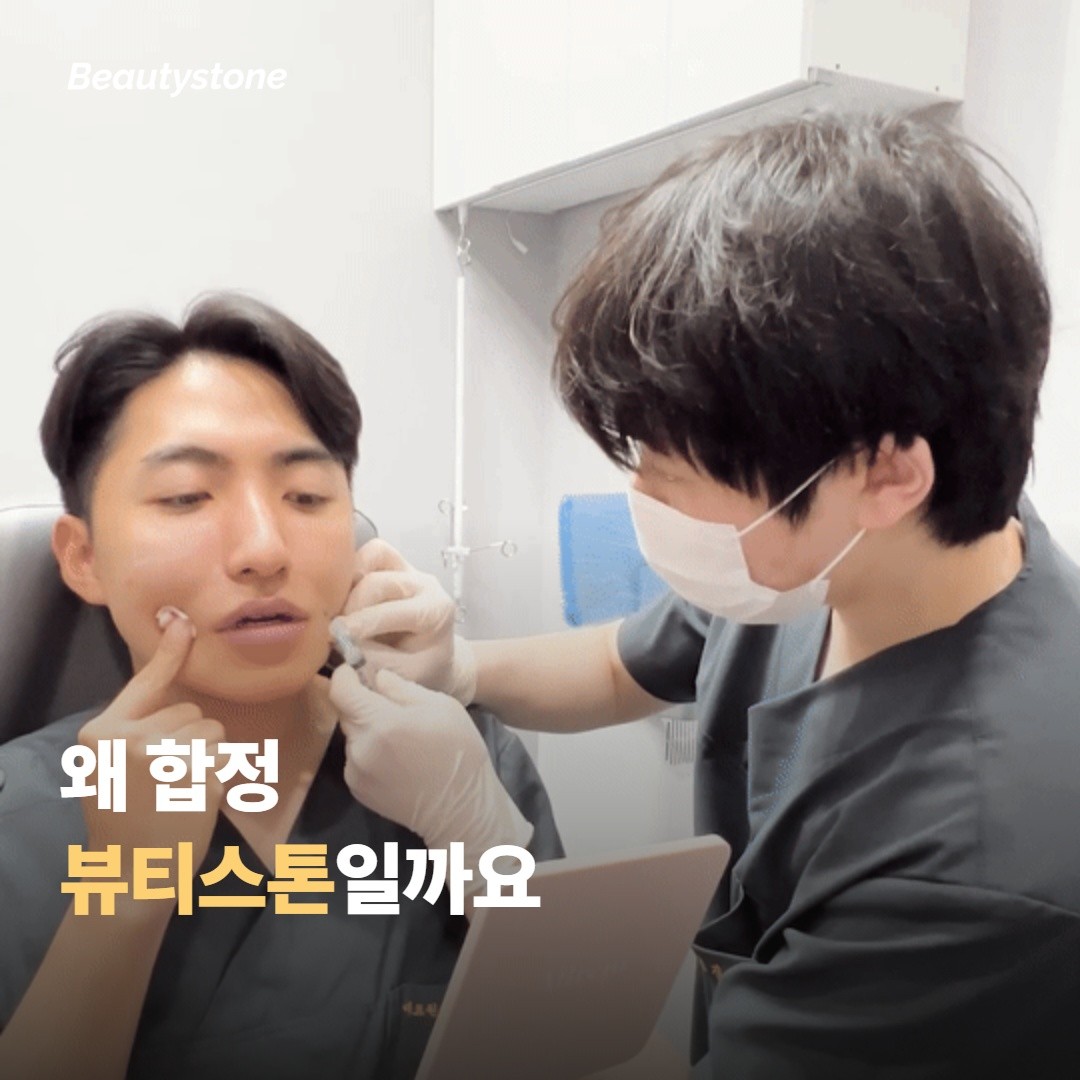
Tips for scheduling treatments around drinking plans
A little planning ahead means your drinks and your treatments don't have to clash. Here are some things worth keeping in mind when you book.
Avoid treatments right before a big event — bruises take 5–10 days to fade, so it's safer to get treated 1–2 weeks ahead
Front-load treatments in weeks full of dinners — getting treated first, then drinking after your recovery window, is the easier order
Don't force it if you overdid it the night before — pushing things back a day is often the better call for your results
Plan to ease up on drinking for a few days after — if you have drinks planned right after your treatment, it's best to adjust your schedule ahead of time
When you're torn over whether to drink or get treated first, instead of giving up on your plans entirely, it feels a lot easier once you look at the order that leaves the least bruising and decide from there. This article pulls together general information, so whether a treatment is right for you and how alcohol affects you are best decided in consultation with a provider who examines you directly.

Frequently asked questions
Q. If I'm still hungover the morning of my treatment, should I skip it?
A. Still feeling hungover is a sign the alcohol hasn't fully cleared your system yet. For injectables where bruising is common, pushing things back a day is the safer move; for surface-level care, we sometimes proceed based on how you're feeling. Just let your provider know about the night before and your current state during the day's consultation, and they'll help you decide.
Q. Would even a single glass of wine make a difference?
A. A small amount like one glass doesn't have as much impact as heavy drinking. That said, if you bruise easily or you're getting a treatment that's sensitive to bleeding, like filler, even a small amount is best avoided the night before for steadier results. It varies by area and treatment type, so it's worth confirming together at your consultation.
Q. I bruised after my treatment, was it because I drank?
A. Bruising after a treatment can happen with or without alcohol. That said, if you drank right after, it may well have made the bruise darker and longer-lasting. Bruises usually fade within 5–10 days, but if one hasn't settled after two weeks or the pain gets worse, please reach out to the provider who treated you.
Q. How many days should I stay dry before a treatment to be safest?
A. It depends on the treatment, but for injectables with a high bleeding and bruising risk, avoiding alcohol for about 24 hours beforehand is usually plenty. You rarely need to go dry for a whole week. The recommended timing can shift with any medications you take regularly or your own constitution, so it's best to confirm the exact guideline at your consultation.
Further reading


Hair Removal
레이저 제모 1회에도 남는 몫이 있어요 — 밀도를 모자이크로 보는 법

Tattoo removal
Why Extremity Tattoos Are Slower to Remove

Tattoo removal
Tattoo Removal Cost: Why Quotes Vary by Area

Tattoo removal
Unused Tattoo Removal Sessions: What Happens?

Lifting
Forehead Thread Lifting: How Far Can It Go?

skin
Skin Booster Prices: What to Check in a Quote