

Sensitive skin and laser toning: who qualifies, when to wait, and skin barrier care tips.
Published -
Updated -

Author
Wi Young-jin · Chief director
Seoul National University College of Medicine · Seoul National University Hospital Specialist
→
If you've ever noticed redness, stinging, or a general overreaction when you try a new skincare product, you know the challenges of sensitive skin all too well. So when laser toning comes up as a treatment for uneven tone or melasma, it's completely reasonable to wonder: will this make things worse?
Here's the thing — sensitive skin doesn't automatically disqualify you. But it does mean you need a clearer picture of your options, the risks involved, and how to approach the whole process safely. In this article, we'll cover who's a good candidate for laser toning, who should wait, what low-fluence settings actually mean, side effects to watch for, and how to protect your skin barrier before and after the procedure.
What Is Laser Toning?
Laser toning uses a Q-switched Nd:YAG laser set to a lower energy level than standard pigmentation treatments. Instead of targeting isolated spots aggressively, it delivers gentle, repeated passes across the entire face to gradually break down melanin deposits in the skin.
It's most commonly used for melasma, diffuse pigmentation, and dull skin tone. Because it operates at lower fluence (energy density) than ablative or fractional lasers, the thermal stress on the skin is significantly reduced — which is precisely why it's sometimes considered for people with more reactive skin types.
That said, lower energy doesn't mean zero risk. For sensitive skin, even mild thermal stimulation can trigger a heightened response. Whether laser toning is appropriate comes down to the specific condition of your skin at the time of treatment, not just the label "sensitive skin" in general.
Who Can Usually Go Ahead?
In this article, we'll walk through the types of sensitive skin that may be compatible with laser toning, and the situations where it's best to wait.
If your skin tends to be reactive but is currently stable, a consultation may reveal you're a good candidate. Here's what that often looks like:
Calm period: No active inflammation, breakouts, or redness at the time of the consultation
Dry-sensitive skin: Reactive to certain products but without chronic inflammatory conditions
Controlled atopic dermatitis: History of eczema, but currently in remission with no visible flares
Mild rosacea: Background redness without active pustular rosacea or severe vascular reactivity
Previous experience: You've had laser toning before without significant adverse reactions
The key is that stable skin — even if it's naturally reactive — is very different from inflamed or compromised skin. Individual results vary depending on your baseline skin condition and how your skin heals.

When Should You Wait?
There are situations where laser toning poses a higher risk, and where most providers will recommend postponing. These include:
Active inflammation, eczema flare, or rash on the face right now
Skin thinning from prolonged topical corticosteroid use
Recent or current sunburn — even mild
Severe or active rosacea (papulopustular or phymatous subtypes)
Photosensitivity caused by medication (certain antibiotics, NSAIDs, retinoids at high doses)
Pregnancy or breastfeeding
If any of these apply right now, that doesn't mean laser toning is permanently off-limits. It means this isn't the right window. Once the triggering condition resolves, it's worth revisiting with a provider. Proceeding when the skin is compromised increases the chance of post-inflammatory hyperpigmentation (PIH) — the very thing most people are trying to treat.
What Does a Low-Fluence Setting Mean in Practice?
When a provider says they'll adjust settings for sensitive skin, the most meaningful adjustment is fluence — the amount of energy delivered per unit area. Lower fluence means less thermal load on the skin per pass.
In practice, this typically involves:
Reducing energy density below standard protocol levels
Fewer passes per session to limit cumulative heat exposure
Longer intervals between sessions — often 6 to 8 weeks instead of the standard 4
Active skin cooling during the procedure to prevent thermal buildup
The goal isn't to match results with a standard-skin protocol. It's to start conservatively, observe how the skin responds, and adjust from there. Think of it as a staged approach rather than a shortened one. Research published on PMC supports the importance of individualized laser parameter selection for safety and efficacy outcomes.
One important note: low-fluence settings reduce risk, but they don't eliminate it. That's still true even with very conservative parameters.
Side Effects and Risks to Know About
For sensitive skin specifically, side effects that might be mild in a typical patient can present more intensely. Here's what to expect and what to watch for:
Redness and warmth: Common immediately after treatment. Usually fades within hours to a day, but sensitive skin may take 2 to 3 days to fully calm down.
Dryness and tightness: The skin barrier takes a temporary hit during any laser procedure. Expect more pronounced dryness if your barrier is already compromised.
Post-inflammatory hyperpigmentation (PIH): If the skin responds with inflammation, it can leave behind brownish discoloration — particularly if exposed to UV light during recovery.
Rare reactions: Blistering, scarring, or pigment loss are rare but possible. These are worth discussing with your provider before committing.
Redness and swelling are common and usually settle within a few days. If they worsen, spread, or are accompanied by fever or increasing pain, contact your provider right away.
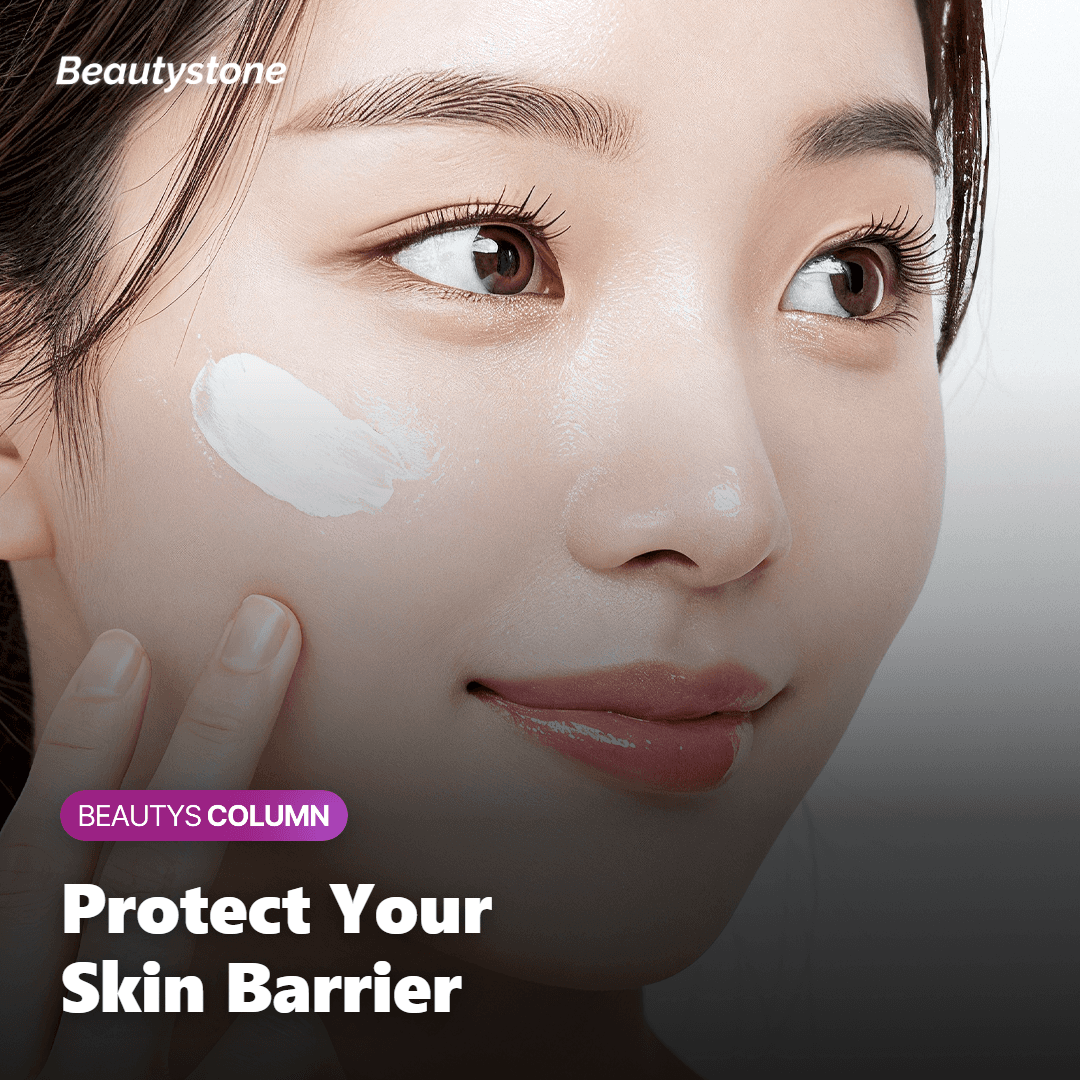
How to Support Your Skin Barrier Before and After
For sensitive skin, what you do in the weeks before and the days after a laser session matters as much as the session itself. Below, we cover the basics — but always defer to your provider's specific instructions.
Before your session (2 to 4 weeks out):
Pause retinol, AHAs, BHAs, and any active exfoliants 1 to 2 weeks beforehand
Apply broad-spectrum SPF 30 or higher every day — UV-exposed skin reacts more strongly to lasers
Focus on barrier-supporting ingredients: ceramides, niacinamide, and gentle humectants
Schedule your appointment during a calm period — not when your skin is already stressed
After your session (first 1 to 2 weeks):
Moisturize consistently to support barrier repair — this is non-negotiable
Sunscreen every single day, no exceptions — UV exposure is the fastest way to undo progress and trigger PIH
Avoid actives until your provider gives the green light
Cleanse gently with a mild, fragrance-free formula — no scrubbing
Skip saunas, hot showers, and intense exercise for the first several days
The skin barrier is your best defense against adverse reactions. The more you support it going in, the better your skin is positioned to respond well and recover quickly.
Is It Worth It for Sensitive Skin?
If you're dealing with melasma, post-acne discoloration, or persistent dullness — and your skin is currently stable — laser toning can be a reasonable path forward. The low-fluence approach is genuinely gentler than most laser options, and many providers have experience calibrating it for reactive skin types.
That said, it's not without trade-offs. The results may come more slowly with conservative settings, the sessions may be spaced further apart, and the risk of PIH is more meaningful when the skin barrier isn't at its strongest. For some people, building up the barrier through targeted skincare first — then reassessing — makes more sense than jumping straight into a laser protocol.
Ultimately, the best decision depends on your current skin condition, your goals, and what your provider finds on examination. There's no universal answer here.
The Bottom Line
Here's what we covered:
Laser toning uses low-energy pulses to gradually reduce pigmentation — and that lower-energy profile makes it one of the more manageable options for reactive skin
Whether it's appropriate depends on your skin's state right now, not just your general skin type — inflamed or compromised skin should wait
Low-fluence settings reduce thermal load, extend session intervals, and take a "start slow, watch, adjust" approach
PIH is the most relevant risk for sensitive skin — consistent sunscreen before and after is your main preventive tool
Like any laser procedure, this one comes with trade-offs, and they're worth understanding before you commit. If you're considering laser toning for sensitive skin, a consultation is the best way to find out whether the timing and approach are right for you. Beautystone is a dermatology clinic in Seoul's Hapjeong area — see current consultation options at /en/promotion.
Frequently asked questions
Q. How many laser toning sessions does sensitive skin typically need?
A. It varies. With conservative, low-fluence settings for sensitive skin, providers often space sessions 6 to 8 weeks apart rather than the usual 4. Total sessions depend on how your skin responds — most people see gradual improvement over 4 to 8 sessions, but individual results vary significantly. Your provider will reassess at each visit.
Q. Does laser toning hurt more if you have sensitive skin?
A. Laser toning is generally well-tolerated — most people describe mild warmth or a light snapping sensation. Sensitive skin can be more reactive, so the experience may feel a bit more intense. If you're concerned, ask your provider about cooling options or topical numbing cream beforehand. Most people don't need numbing for laser toning specifically.
Q. Can laser toning make melasma worse if I have sensitive skin?
A. It can, if the skin responds with inflammation. Post-inflammatory hyperpigmentation (PIH) is a real risk — particularly if you don't use sunscreen consistently after treatment, or if the treatment triggers significant redness. Careful parameter selection and strict UV protection before and after are the main ways to mitigate this risk. This is worth discussing specifically with your provider.
Q. How long should I wait after a flare before booking laser toning?
A. There's no universal rule, but most providers recommend waiting until the skin has been consistently calm for at least 2 to 4 weeks before scheduling laser treatment. If you're on prescription treatments for a skin condition, it's worth looping in the prescribing physician as well. Don't try to rush the timeline — treating inflamed skin increases risk considerably.


Hair Removal
레이저 제모 1회에도 남는 몫이 있어요 — 밀도를 모자이크로 보는 법

Tattoo removal
Why Extremity Tattoos Are Slower to Remove

Tattoo removal
Tattoo Removal Cost: Why Quotes Vary by Area

Tattoo removal
Unused Tattoo Removal Sessions: What Happens?

Lifting
Forehead Thread Lifting: How Far Can It Go?

skin
Skin Booster Prices: What to Check in a Quote