

Sofwave for first-timers: the depth it treats, and how it differs from Ultherapy and Shurink.
Published -
Updated -

Author
Wi Young-jin · Chief director
Seoul National University College of Medicine · Seoul National University Hospital Specialist
→
Start researching lifting treatments and the names arrive all at once — Ultherapy, Shurink, Sofwave — until the question "so which one am I supposed to get?" feels harder than when you began. Sofwave in particular comes up constantly without anyone explaining what it actually does, or how it differs from the other ultrasound devices.
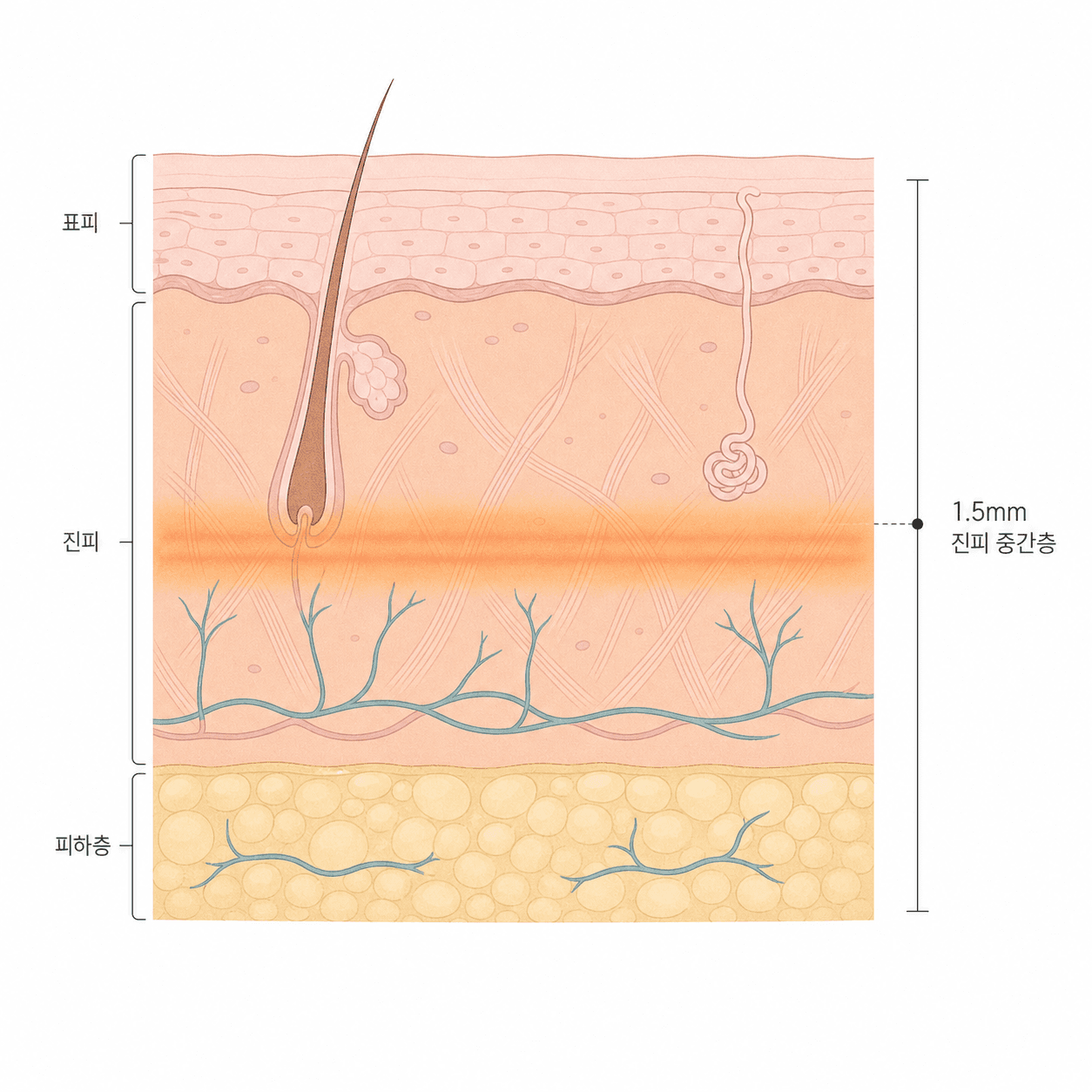
Here is the short answer first. Sofwave delivers ultrasound heat at a relatively shallow depth, around the level of the dermis*, to prompt the skin to build new collagen. The slow loss of collagen and thinning of skin with age happens to everyone, as an overview of skin ageing describes when it explains how collagen and elastic fibres in the dermis gradually break down, and ultrasound lifting is one attempt to nudge that process back with controlled heat. Sofwave is an FDA-cleared device in the US — "cleared" is the right term for a device, whereas a drug like Botox is "FDA-approved." If this is your first time, understanding the mechanism and the recovery arc before you sit down for a consultation saves a lot of confusion.
Dermis*: the skin layer beneath the epidermis, where collagen and elastic fibres cluster and give skin its firmness. It is the main depth that lifting treatments aim their heat at.
This article collects general treatment information from Beautystone, a skin clinic in Hapjeong, Seoul.
What you'll learn
How Sofwave produces a lifting effect in the first place
How it compares with other ultrasound lifting such as Ultherapy and Shurink
What the appointment itself and the recovery afterwards look like
What is worth checking before your first session
If Sofwave is new to you, start with this misconception
The assumption first-timers make most often is that ultrasound lifting is all more or less the same. In practice the depth and the way heat is delivered differ from device to device, and so do the sensation during treatment and the recovery that follows.
Sofwave uses a parallel-beam ultrasound* approach that spreads heat broadly through the middle of the dermis, at roughly 1.5mm. Unlike methods that reach all the way down to the fascia, it takes the dermis — where collagen is concentrated — as its main target. That is why first-timers usually find it less demanding in terms of discomfort, and why swelling and recovery time afterwards tend to be short.
Parallel-beam ultrasound*: the ultrasound delivery method Sofwave uses. Several beams are spread across the mid depth of the skin at once so heat is distributed broadly rather than driven to a single deep point.
Sofwave, Ultherapy, Shurink: what actually differs
Even inside the single category of ultrasound lifting, Sofwave, Ultherapy and Shurink differ in the depth they reach and how they feel. All three aim to stimulate collagen, but a different target depth means a different set of concerns each one suits.
Item | Sofwave | Ultherapy | Shurink |
|---|---|---|---|
Ultrasound method | Parallel beams (mid-dermis) | HIFU (down to fascia) | HIFU (dermis to fascia) |
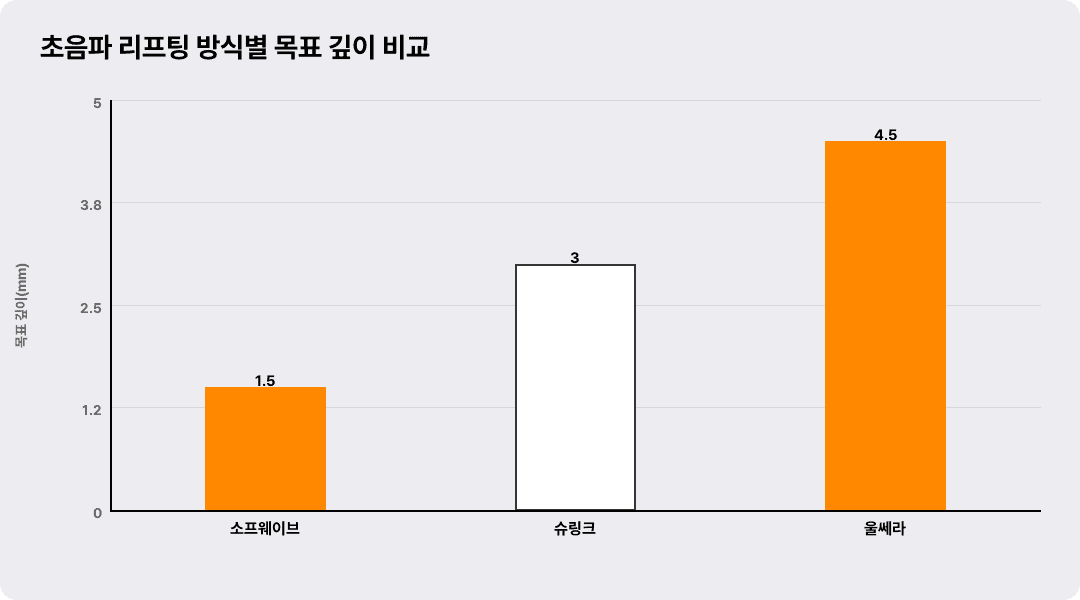
Main target depth | Dermis, around 1.5mm | Deep, up to 4.5mm | Cartridges per depth |
How it feels | Relatively less demanding | More noticeable | Somewhere in between |
Recovery time | Short | Short | Short |
Concerns it suits | Texture, early laxity | Deeper sagging | Broad firmness |
Reading the table you might conclude that deeper must simply be better. It is not that straightforward. The point is not maximum depth but matching the depth to the layer your concern actually sits in. If fine texture or the earliest loss of firmness is what bothers you, an approach that treats the dermis broadly often fits well; if sagging has already progressed deeper, something that reaches further down may suit you better.
The diagram below lines up target depth and expected recovery time across lifting methods. Orange marks Sofwave, the subject of this article.

How Sofwave wakes collagen back up
The mechanism is simpler than it sounds. Deliver heat briefly and broadly into the dermis and the skin reads it as an injury it needs to repair, starting the same regenerative response that lays down new collagen when a wound heals.
Skin is built in layers — epidermis, dermis, and the subcutaneous layer beneath — and the dermis, where collagen and elastic fibres gather, is where firmness lives. An anatomy reference describing how the skin is organised into epidermis, dermis and subcutaneous layers, each with a different cell make-up makes it clearer why lifting devices try to aim so precisely. Heat that stays too shallow only irritates the epidermis; heat that goes too deep passes straight through the layer where the collagen actually is.
That is why the mid-dermis Sofwave targets sits close to the balance point between how efficiently collagen is stimulated and how much recovery it costs you. New collagen still takes time to organise itself, though, so the change shows up gradually over weeks to months rather than immediately after the session. Individual results and recovery vary.
Why where you have it done still matters
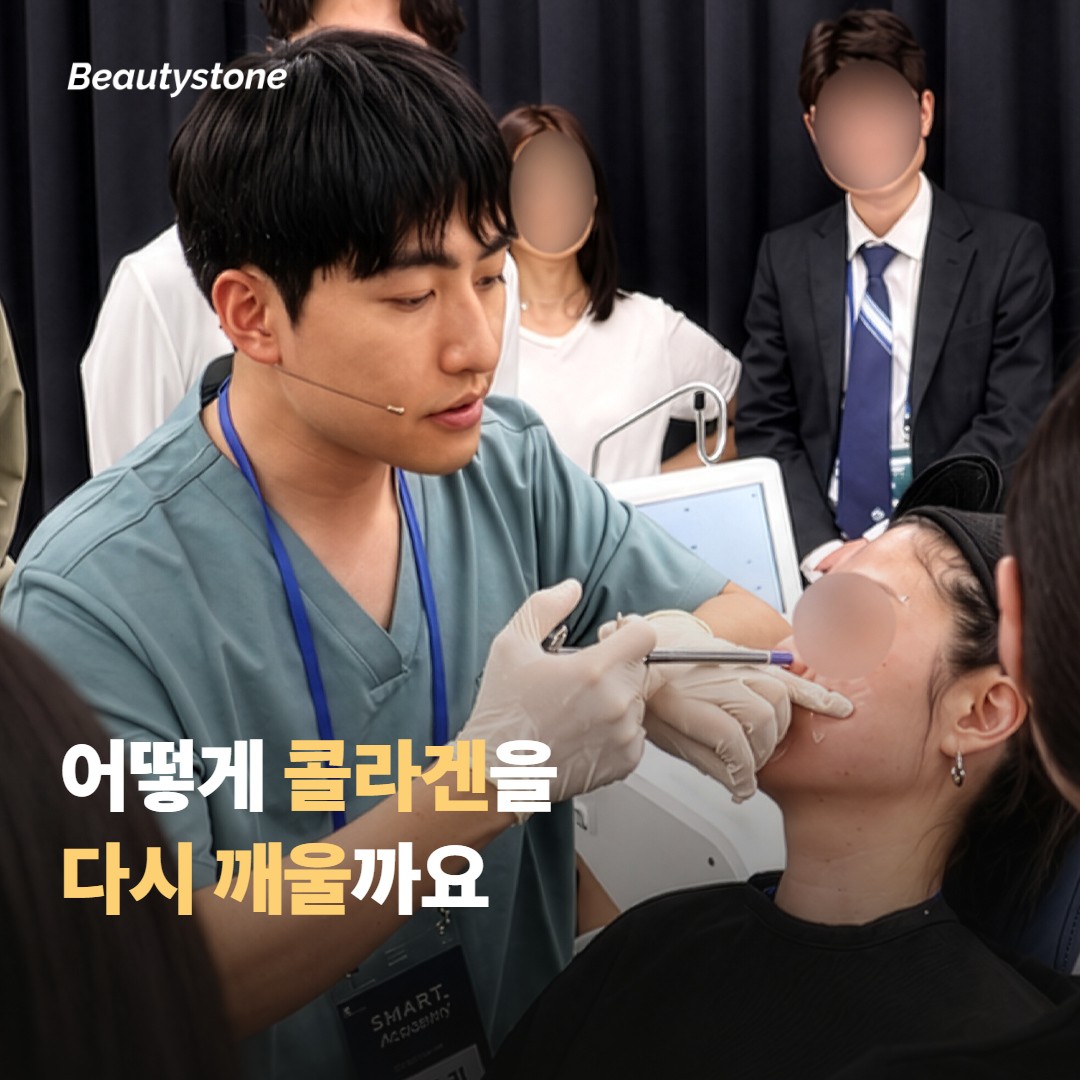
At Beautystone we would rather start from the layer your concern sits in than from the name of a device. Even within Sofwave, the right intensity and the right timing shift depending on whether fine texture or early loss of firmness is the real issue, so with first-timers we explain why we are suggesting this treatment before anything else. We are a small clinic within walking distance of Hapjeong Station in Seoul, which leaves room to watch how your skin responds and set the next step together. Cost varies widely by clinic, by how many areas are treated, and by whether sessions are sold singly or in a course, so ask for a written quote rather than working from a number you saw online. And if you have this done while travelling, arrange a qualified provider near home for follow-up — distance is the one part of aftercare a clinic cannot solve for you.

How the day itself and the recovery go
What first-timers most want to know is simple: what happens on the day, and when do I get my normal life back? Because Sofwave asks relatively little of your recovery, the sequence is not complicated.
Consultation and skin check — we look at the areas that bother you and the state of your skin first
Numbing cream — applied for a while beforehand to reduce discomfort
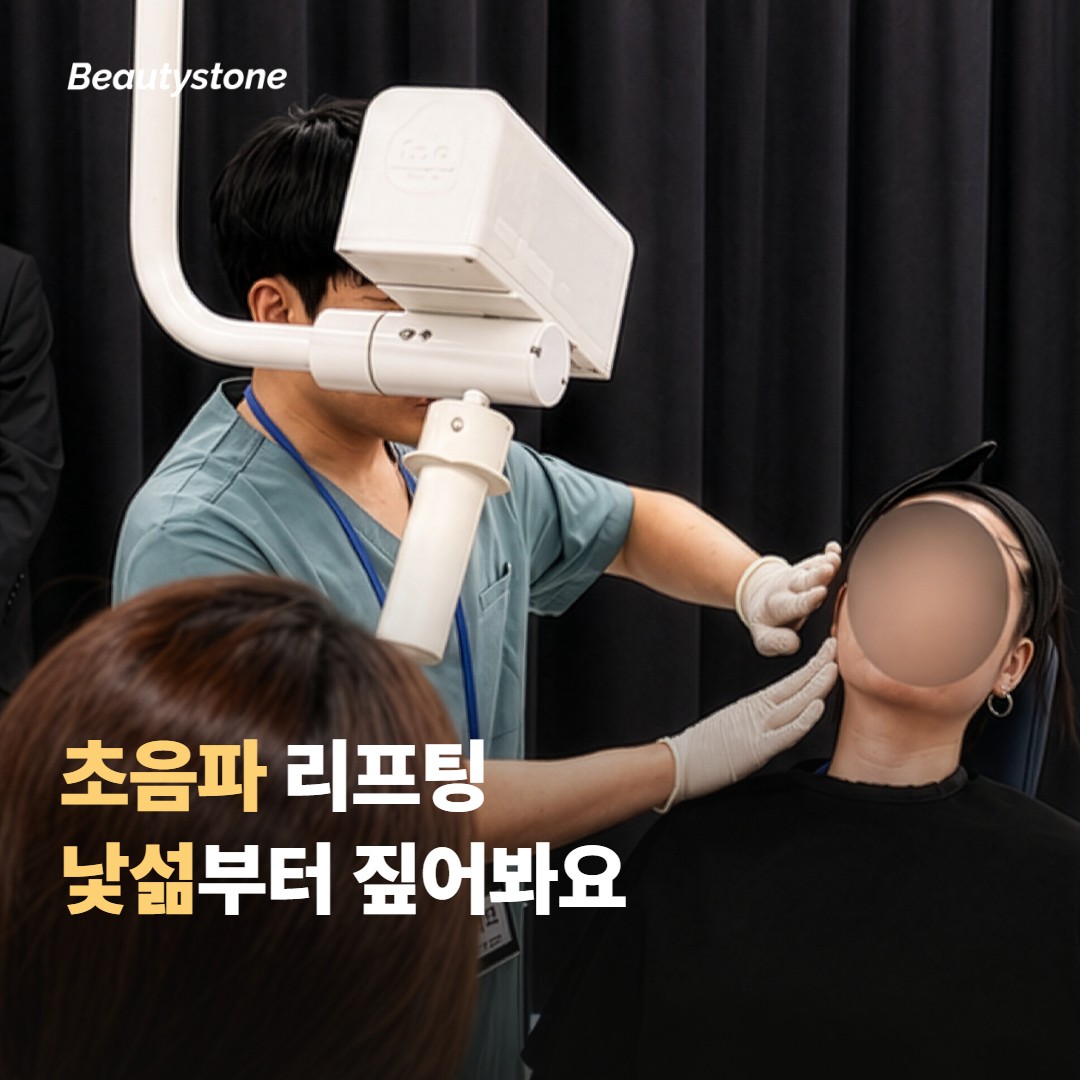
Treatment — varies by area, but usually around 30 minutes
Cooling down — redness and heat are settled afterwards
Home — most people go back to normal activity the same day
Common reactions afterwards are mild redness, a low-grade warmth, and a slight puffy feeling. Most settle within a few hours to a day. If instead redness, swelling or pain increases over the following days, or the area turns hot to the touch, contact your provider or seek urgent care. For a few days after, though, it is better to postpone saunas, steam rooms and hard workouts — anything that drives heat and blood flow up sharply — and to be more careful than usual with sun protection. Collagen that has only just started regenerating under heat recovers more slowly when UV exposure is added on top. Keeping up moisturiser and sunscreen through the weeks while the result settles helps you hold on to it a little longer. This article is general information; whether the treatment suits you, and how to handle your own recovery, is something to decide with the clinician who examined you.

Frequently asked questions
Q. Will one Sofwave session do anything on its own?
A. A single session does start the collagen response. New collagen takes time to organise itself, though, so the change appears gradually over weeks to months. Depending on how much the concern has progressed, some people split treatment across several sessions, so it is best to set the number with your clinician after they have looked at your skin.
Q. Does it hurt much?
A. Because Sofwave treats the mid-dermis broadly rather than driving deep, it usually asks less of you than deeper methods. Numbing cream is applied beforehand to reduce the sensation, and how prickly or hot it feels varies a little by area. If you know you are sensitive to pain, say so at the consultation and the intensity can be adjusted.
Q. Can I go straight back to normal life afterwards?
A. Recovery is light enough that most people return to normal activity the same day. For a few days, hold off on saunas, steam rooms and hard workouts — anything that raises heat and blood flow a lot — and be thorough with sun protection.
Q. Can I combine it with another lifting treatment?
A. Treatments are sometimes combined, but which pairing makes sense depends on your skin and on timing. Rather than stacking everything at once, work out the order with your clinician based on the layer your concern sits in and how much recovery room you have.
Content






skin
Why Does Fractional CO2 Take Longer to Heal?

Contouring & Volume
How Many cc Does Forehead Filler Need?

skin
Why Is My Skin Oily but Tight in the Fall?

Hair Removal
Underarm Laser Hair Removal Cost: Do the Math

Tattoo removal
Laser Before a Cover-Up: How Many Sessions?

skin
큐어젯 다운타임, 다음 날 출근과 화장은 언제부터 될까요?