

Wondering how Sofwave tightens a sagging jawline and neck? See how it works, results timeline & sessions.
Published -
Updated -

Author
Wi Young-jin · Chief director
Seoul National University College of Medicine · Seoul National University Hospital Specialist
→
When you catch your reflection and notice your jawline isn't as crisp as it used to be, or the skin under your chin looks a little loose, you start looking for ways to tidy it up without going under the knife. The moment Sofwave comes up, so do the questions: "Will one session lift everything at once?" and "How many times do I need to go?"
The short answer: a single Sofwave session can already make a difference, but the results tend to show up gradually over two to three months rather than the moment you walk out. Depending on how much sagging you have and your skin's condition, one session is enough for some people, while others come back for a second after a gap. The clearest plan is one you settle on with your provider at your consultation.
This article shares treatment information from Beautystone in Hapjeong.
What you'll learn here
How Sofwave actually works to firm up sagging skin
When you can expect the results to become noticeable
Roughly how many sessions people usually need
What's worth thinking through before you book
How does Sofwave firm up sagging skin?
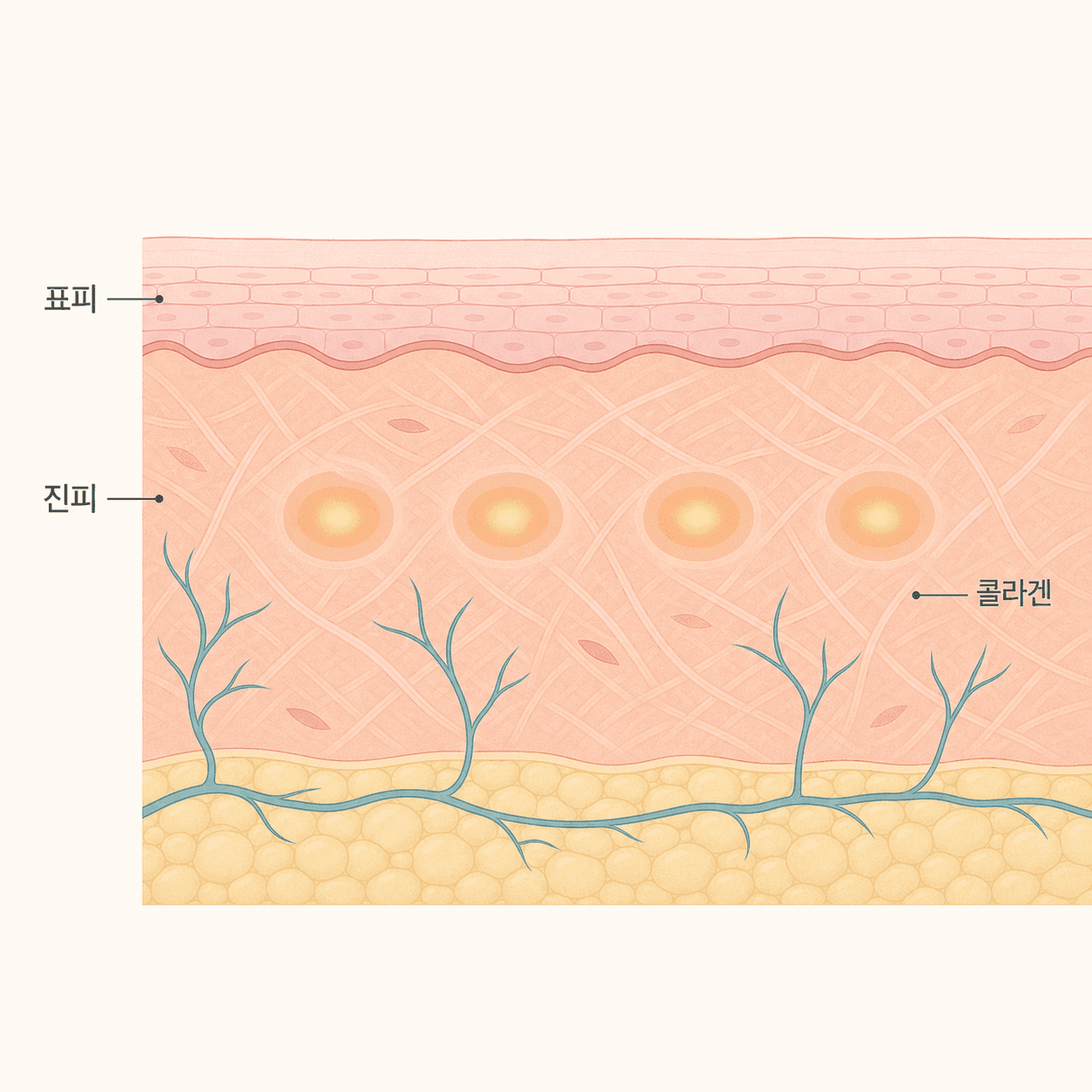
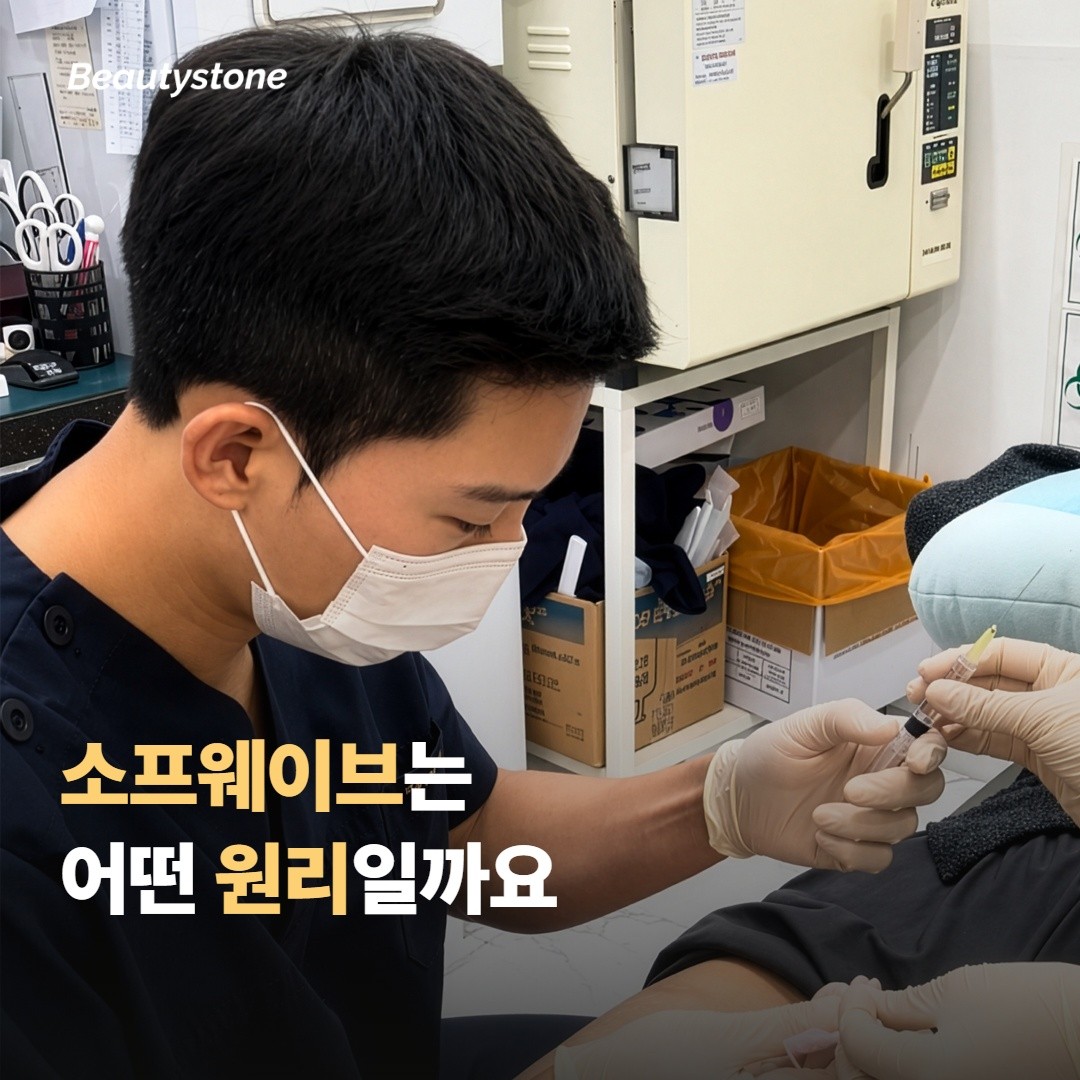
Sofwave delivers ultrasound energy to a precise depth within the dermis to stimulate new collagen*. As the heated tissue repairs itself and refills with collagen, the change doesn't happen all at once right after the procedure; it builds slowly over time.
collagen*: a protein that fills the dermis to give skin its firmness and thickness. When stimulated, your body produces fresh collagen gradually over time.
In fact, a study that used ultrasound energy to firm up loose skin along the jawline and under the neck found that the firmness markers improved clearly not right away, but at the 12-week and 24-week marks. Seeing those results makes it easy to understand why treatments for sagging are designed around patience.
How much does it do, and when do you see it?
With Sofwave, the first thing you'll notice right after your session is a slight tightening, but the truly visible change arrives once the collagen has had time to build. Here's how it tends to unfold step by step.
Timeline | Common skin changes | Note |
|---|---|---|
Right after | A slight tightening feel | Before collagen builds |
1–2 months | Jawline gradually sharper | Collagen filling in |
Around 3 months | Change is most noticeable | The usual point to assess |
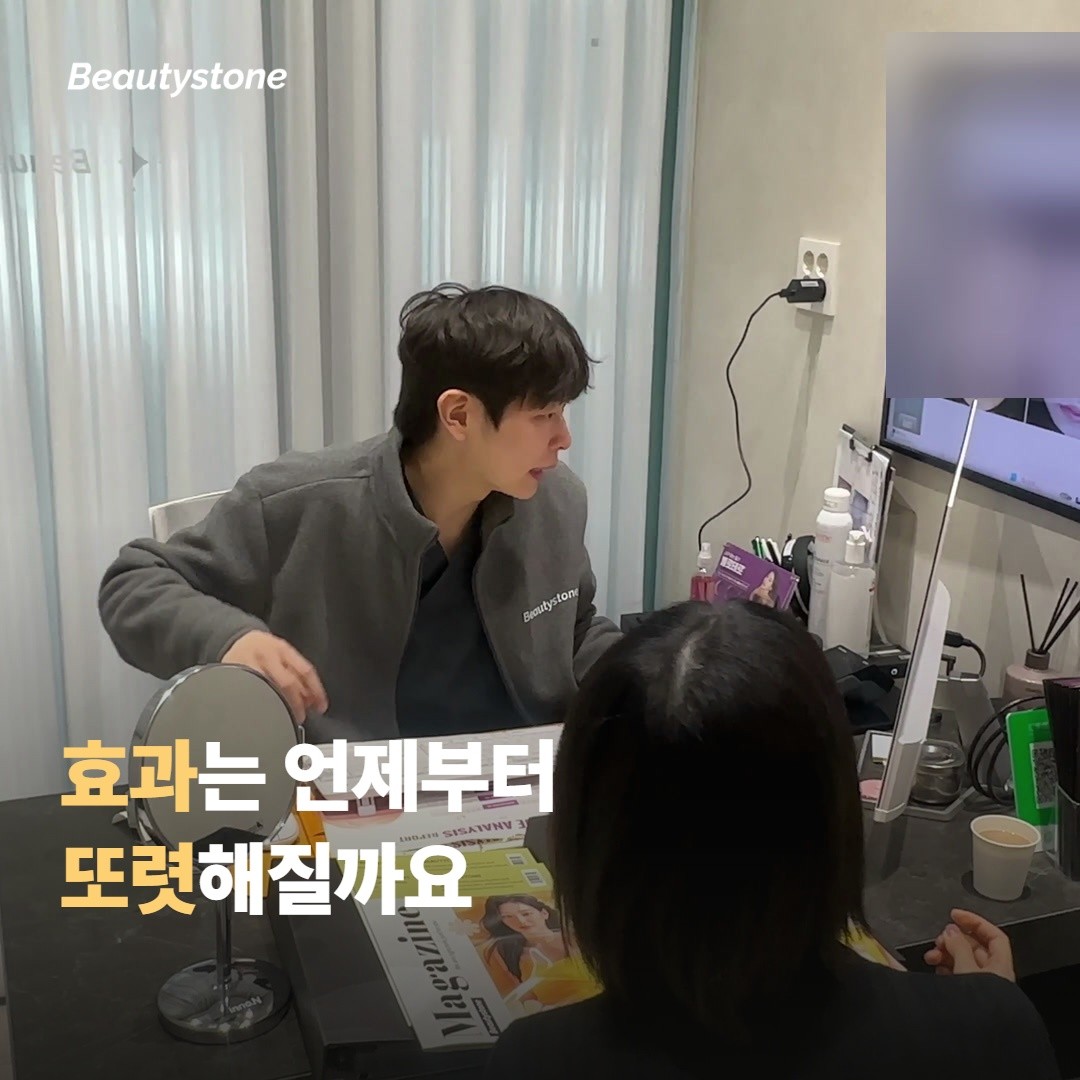
If your sagging is mild, one session can be enough to feel a real difference, while those with more pronounced looseness may find the results more subtle. So rather than judging by how things feel right afterward, comparing photos two to three months later gives you a more accurate read.
How many sessions do people usually need?
A single Sofwave session already stimulates collagen, but the number of sessions varies with how much sagging you have and how defined you want the result to be. Here's the general picture people tend to go by.
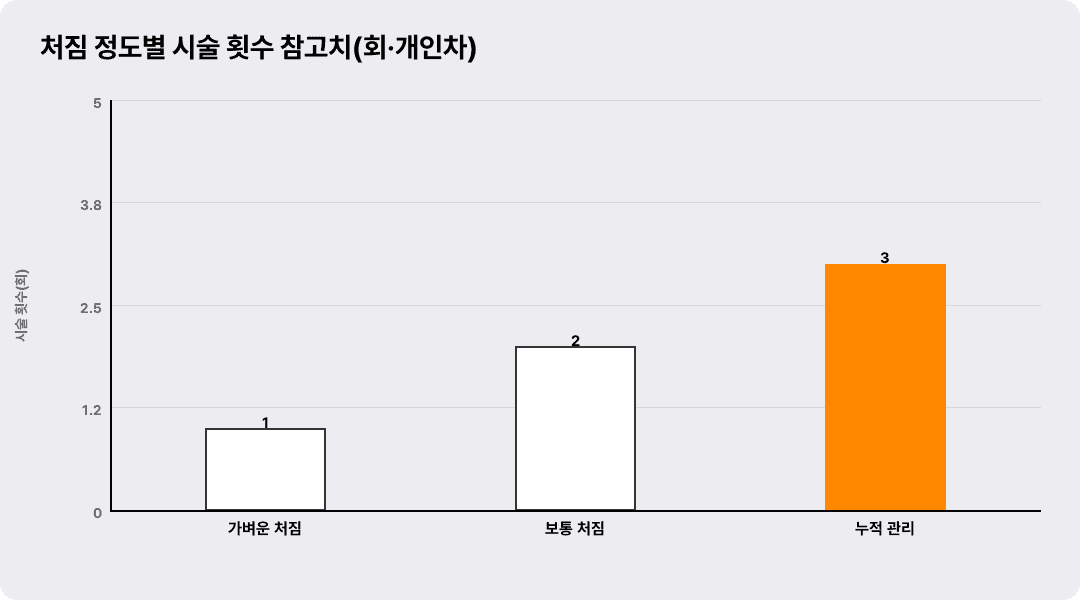
As a study that tracked ultrasound lifting results holding up for as long as a year shows, the changes tend to last fairly well even with just a few sessions. So instead of cramming several sessions close together, it makes more sense to have one, watch how things change over two to three months, then decide whether to add more. If you have significant sagging or want to build up firmness over time, some people come back for another session at six-month to one-year intervals, but the exact count is best decided with your provider after looking at your skin.

Why Beautystone in Hapjeong?
When Beautystone in Hapjeong recommends Sofwave, we start by listening to which area and which kind of sagging is bothering you, rather than fixing a session count first. Even with the same treatment, the plan looks different for someone who wants a sharper jawline versus someone focused on neck creases. We're a small clinic within walking distance of Hapjeong Station, so we can take the time to really look at each person's skin and recovery pace and find a comfortable, unhurried timing together.
What to look at before your treatment
When you're planning Sofwave, weighing these points together makes the decision much clearer.
Degree of sagging — whether it's mild or more pronounced changes how many sessions you'll want
When you expect results — since the change unfolds over two to three months, leave plenty of lead time before any event
Skin condition — thin or sensitive skin is treated with the intensity dialed down
Whether you'll build up over time — decide upfront whether it's a one-time treatment or something you'll layer for firmness over time
Sofwave is a treatment you read over the arc of two to three months rather than by the change right afterward, so mapping out the timing and number of sessions from the start puts your mind at ease. That said, this article gathers general information, so whether the treatment is right for you and how many sessions you need are most accurately decided with the provider who actually examines you. If any redness or swelling after your session lingers longer than usual or you notice something uncomfortable, it's safer to get checked first rather than rushing into your next session.

Frequently asked questions
Q. Is one Sofwave session enough to see results?
A. A single session already stimulates collagen, so many people notice a difference. That said, if you have more sagging, the results can feel subtle, so some people watch how things change over two to three months before deciding on a second session. We'd suggest comparing over time rather than judging by how it feels right afterward.
Q. When will I start to feel the results?
A. Right after your session it's mostly a slight tightening, while the clear change shows up between one and three months as the collagen builds. The point of most noticeable change is commonly seen around the three-month mark. Rather than being discouraged if there's no big change right away, give it some time.
Q. Can I get back to my routine right after the treatment?
A. There may be some mild redness or swelling right after, but it usually settles within a day or two. For a few days, though, it's best to avoid heat- and irritation-heavy activities like saunas or intense exercise. For detailed aftercare, please follow the guidance you're given at your appointment.
Q. Can I combine it with other lifting treatments?
A. Depending on your goals, it can be combined with other treatments, but overlapping heat on the same area can strain recovery. Whether and in what order to combine them is best decided with your provider after looking at your skin. Prioritizing recovery is better than pushing to cram everything into one go.
Further reading


skin
Ellanse Cost: Duration Beats Price Per Visit

Lifting
Alltite RF: Two Effects, Two Timelines

Contouring & Volume
Why Juvelook Volume Quotes Vary by Clinic

men's
Nose Pore Treatment: Aftercare Timing Guide

skin
How Many Sessions Does Eyeliner Removal Take?

Hair Removal
Laser Hair Removal While Pregnant or Nursing